Posts Tagged ‘rtp’

NC biotech industry eyes unique chance to shape the FDA
Saturday, October 15, 2011, 8:48 pm No Comments | Post a CommentGov. Beverly Perdue’s announcement that a California biotech will set up shop in North Carolina’s Research Triangle was a welcome but short-lived diversion Wednesday during the annual meeting of the North Carolina Biosciences Organization in Research Triangle Park.
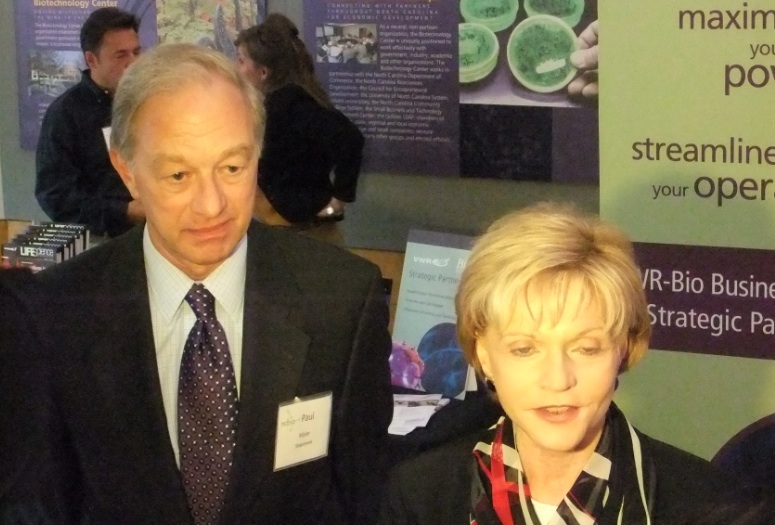
Paul Maier, Sequenom's chief financial officer, and Gov. Beverly Perdue face the TV cameras following Perdue's announcement that San Diego-based Sequenom will open a large lab in the Research Triangle.
Sequenom, a San Diego-based diagnostics company, plans to open a lab on Kit Creek Road next year and start analyzing blood samples from a new, prenatal blood test to detect Down Syndrome. The test would replace more invasive measures such as amniocentesis, which employs a long needle to sample amniotic fluid from inside the uterus.
Sequenom will invest $18.7 million and create up to 242 jobs.
The standing-room-only audience in the N.C. Biotechnology Center auditorium gave Paul Maier, Sequenom’s chief financial officer, a round of applause before Maier and Perdue faced the TV cameras and reporters outside.
Then, the biotech executives inside the auditorium went back to the unique chance that presents itself next year to shape the U.S. Food and Drug Administration.
Andrew von Eschenbach, former FDA commissioner and NCBIO’s keynote speaker, left no doubt that nothing short of a radical therapy will do.
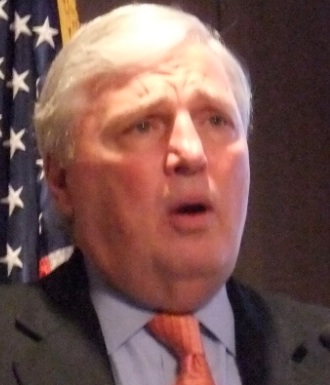
Andrew von Eschenbach
“We’re approaching a crisis situation [in the U.S.] as far as being at the forefront of innovation,” Eschenbach said. The FDA is “in need of a systematic, systemic and formal revision. The moment for modernization is now.”
The FDA has been under close public scrutiny since 2004, when Vioxx was linked to thousands of sudden cardiac deaths before Merck pulled the pain killer off the market.
In 2009, a report released by the Government Accountability Office, the investigative arm of Congress, listed the FDA at risk of failing to fulfill its mission. Chronic underfunding, expanding responsibilities and an aging workforce that wasn’t keeping up with the rapidly advancing science hobbled the agency.
In July, FDAImports.com, a blog written by regulatory consultants, published information that suggested FDA Commissioner Dr. Margaret Hamburg was restructuring the agency’s top management tier. As a Washington Post profile pointed out, Hamburg, a Harvard-trained physician and former New York City health commissioner, had no ties to the pharmaceutical industry when President Obama appointed her.
With changes already under way at the FDA, it could become a watershed year.
In 2012, renewal of the Prescription Drug User Fee Act, or PDUFA, is up. Enacted in 1992, PDUFA established a funding mechanism for the FDA to regulate new medical products and make sure they are effective and do no unnecessary harm. The federal law has been subject to changes every five years, when Congress had to renew it to keep the system going.
The potential for significant changes is particularly large in 2012, because PDUFA for the first time is due for renewal during a presidential election year. And what a turbulent election year it promises to be four years into stubbornly high unemployment, ongoing banking crises and steep government budget cuts.
“This is going to create some interesting politics in Congress,” said J.C. Scott, the head lobbyist for AdvaMed, a trade association representing the medical device and technology industry. Scott was one of several NCBIO speakers addressing regulatory policy recommendations for overhauling the FDA.
Lobbyists for the biotech, pharmaceutical and medical device industries are not about to pass up this opportunity.
Young and small companies are getting squeezed by a lack of innovation capital. (More on innovation that isn’t being funded here.) Facing stagnant research and development productivity and the expiration of valuable drug patents in the U.S., large drugmakers have been cutting jobs for years. (More on the lack of big pharma R&D productivity here.)
The Biotechnology Industry Organization, or BIO, has already drawn up a wish list of changes. According to Cartier Esham, BIO’s senior director of emerging companies, health and regulatory affairs, who also spoke at NCBIO’s annual meeting, policy items on the list include:
- a fixed six-year term for the commissioner,
- the use of electronic health records and smart phones in clinical trials,
- faster approval of products for unmet medical needs similar to how European regulators do it,
- improved advisory committees,
- the establishment of chief medical policy officer positions and
- setting up the FDA with an independent budget. (The FDA is now funded under the U.S. Department of Agriculture.)
“It is our intent,” Esham said, “to get as many of these [policy changes] enacted into legislation as possible.”
RTP biotech companies travel to Bay Area to pitch to investors
Friday, October 7, 2011, 12:16 pm No Comments | Post a CommentYoung biotech companies in North Carolina’s Research Triangle don’t have to read Ernst & Young’s 2011 industry report to know that early stage funding is down, that investors increasingly tranch their payments and make the tranches dependent on milestone accomplishments, that competition from other industries is growing fiercer for venture capital nationwide. (More on what isn’t being funded here.)
But sitting around and complaining doesn’t help, either. So, seven Research Triangle Park area biotech companies decided to do something. Last month, they traveled to the San Francisco Bay Area on their own dime to meet with potential investors.
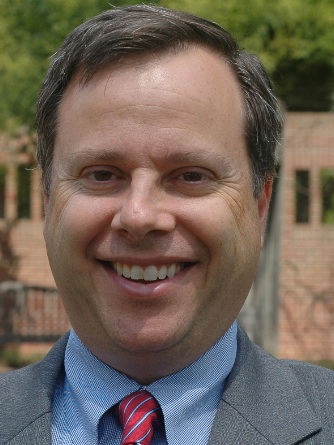
Peter Ginsberg
The trip to Palo Alto, Calif., was the first of its kind the N.C. Biotechnology Center organized, said Peter Ginsberg, the biotech center’s new vice president of business and technology development.
“We wanted to change the way Bay Area venture capitalists think about North Carolina companies,” Ginsberg said. “And maybe, maybe, down the line, knock, knock, knock, get them to open an office here.”
A report that the biotech center submitted to state legislators in January offers clues where investors from outside the state see shortfalls in the North Carolina biotech industry, which is centered in the RTP area and along the Interstate 85 corridor to Charlotte.
Even though in 2010 North Carolina was home to about 500 biotech companies that employed more than 225,000, ranking the state third behind California and Massachusetts, very few of the North Carolina companies generated revenue. Also, among the companies located in the state only 10 were publicly traded, according to Ernst & Young. That’s about 3 percent of all publicly traded biotech companies nationwide.
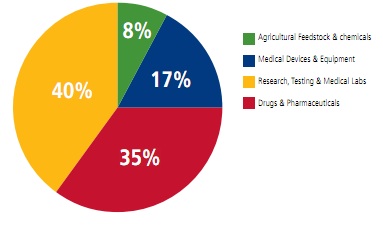
North Carolina's biotech employment is diverse.
Compared to other biotech hot spots, North Carolina lacks local life science entrepreneurs who successfully developed products and brought them to market and who financed multiple entrepreneurial ventures. (More on building entrepreneurial networks in the RTP area here and here.)
And the state’s many research institutions haven’t done a very good job translating their sponsored research into products.
As a former biotech analyst, institutional investor and company executive, Ginsberg has a good grasp of the fallout.
“We don’t have the breadth of life science venture capitalists as California or Massachusetts,” he said.
Add to that travel inconveniences.
The Bay Area is home to many venture capitalists, but without a non-stop flight to Raleigh-Durham International Airport most are reluctant to visit the RTP area, he added. “Venture capitalists travel a lot and it’s not easy for them to get here.”
So, traveling to Palo Alto for a day-long meet-and-greet with investors was similar to Muhammad going to the mountain to preach because the mountain wasn’t going to come to Muhammad.
The event was sponsored by Silicon Valley Bank, which has operations in the Triangle, and attracted more than a dozen venture capital firms, Ginsberg said. He declined to name them.
The seven biotech companies were traditional drug development companies, medical device and diagnostics companies and a company developing vaccines:
- Advanced Liquid Logic in Morrisville is working on a lab-on-a-chip based on nanotechnology developed at Duke University. Founded in 2004, the company has received $15 million in grants and $8.1 million in angel funding.
- CoLucid Pharmaceutical in Durham is testing a migraine drug in patients and working on therapies for chronic pain, Alzheimer’s disease and depression. Founded in 2005, the company has raised $42 million in venture capital.
- Heat Biologics, which relocated its headquarters from Miami to RTP this year, is working on therapeutic vaccines to combat a range of cancers and infectious diseases. Founded three years ago, the company has not released its funding.
- nContact in Morrisville develops and sells medical devices for minimally invasive treatment of heart arrhythmia. Founded in 2005, the company has raised more than $42 million.
- Scynexis in RTP is a drug discovery and development company that has delivered 11 drug candidates to customers in the past five years and is working on its own pipeline of experimental therapies. Founded in 2000, the company collaborates with Merck on a cancer drug and is part of a consortium working on the first pill to treat human African trypanosoniasis, also known as sleeping sickness.
- TearScience in Morrisville in July received regulatory approval to sell its first product, a medical device to treat dry eye patients in an outpatient procedure. Founded in 2005, the company has raised more than $60 million in venture capital. To bring the dry eye device to market, TearScience recently received $15 million in debt financing.
NCSU scientist chases tornadoes to better understand them
Sunday, October 2, 2011, 10:24 pm No Comments | Post a Comment
Matt Parker
Matt Parker, a N.C. State University associate professor, sounded almost nostalgic when he talked about the more than 700 tornadoes that were reported roaring across the South, Southeast and Midwest in April, about four times as many tornadoes as hit the U.S. during an average April.
Parker is an atmospheric scientist and has studied how tornadoes develop to help improve weather forecasts.
“This was a historic year,” Parker told science writers and educators during a Sept. 27 talk at Sigma Xi in Research Triangle Park.
A spring storm season like this year’s doesn’t come around often. That’s a good thing, considering the loss of life and the devastating destruction the tornadoes wrought.
 April 2011 ranks as the most active tornado month on record, according to the National Oceanic and Atmospheric Association. A storm system that moved across Oklahoma, Arkansas, Mississippi, Alabama, Georgia, North Carolina and Virginia in mid-April killed 43 people, 22 of them in North Carolina. One of the tornadoes it spawned April 16 cut a 180-foot-long track through suburban Wake County, Parker said.
A second storm system at the end of the month was even deadlier. It caused a super outbreak of tornadoes in the South that killed more than 300 people in four days, according to NOAA.
A month later, on May 22, a powerful tornado hit Joplin, Mo., killing 157 people. According to NOAA, the Joplin tornado packed winds of more than 200 miles per hour, it was nearly a mile wide and its track lasted 6 miles.
What about climate change? Could that be a cause for the historic outbreak of tornadoes this year?
“We really don’t know,” Parker said.
A tornado is a mere blip in a 100-year data set that tracks changes in the climate, he said. The increase in the number of reported tornadoes, he added, is likely due to better forecasting and warning systems, a higher population density and the increase in the number of storm chasers.
What was devastating and deadly to the people who lived in the tornados’ way could have provided scientists like Parker with a bevy of otherwise hard-to-come-by data.
In May and June of 2009 and 2010, Parker and his team of students were among about 100 scientists who tracked storms with radar, measured wind speeds, sent up weather balloons and fed the information to a database. The study, called VORTEX2, was one of the largest field studies to determine the origin of tornadoes and a follow-on to a more limited tornado hunt in 1994 and 1995. The teams had about $10 million worth of equipment at hand.
April 2011 was never part of VORTEX2′s data collection phase.
Working with tornadoes is often frustrating, Parker acknowledged. May and June 2009 were two very uneventful months - only two storm systems that generated tornadoes.
“Two thousand ten was much better,” Parker said. “On some days we had the pick of tornadoes.”
About 40 storm systems with the potential to generate a tornado, also known as super cells, and about 20 tornadoes occurred in May and June 2010, he said.
A super cell starts similarly to an ordinary thunderstorm. Warm, moist air rises amidst cooler surroundings and the moisture condensates. In an ordinary thunderstorm, the precipitation creates a cool downdraft that cuts off the warm, moist updraft within about 30 to 45 minutes. The storm dissipates.
A super cell thunderstorm develops when strong upper-level winds allow the warm, moist updraft to continue for up to six hours. The stage is set for the downdraft and the updraft to begin rotating.
But the process that produces a tornado in a super cell thunderstorm is not well understood, Parker said.
For example, strong super cells are not associated with tornadoes, he said. Storms with similar structures may differ in tornado production. And the relationship between near-ground wind fields and structural damage isn’t clear either.
Scientists hope that once the VORTEX2 data is crunched and analyzed and published, some of the questions will be answered, Parker said. Especially head-to-head comparisons of data collected from storms that generated tornadoes and storms that didn’t might be fruitful.
Goals of the VORTEX2 study are to extend the average lead time for tornado warnings from about 13 minutes currently to at least 35 minutes and reduce the false alarm rate, which is currently at about 70 percent.
Biotech center funds steady, but funding requests are up
Monday, September 5, 2011, 10:04 pm No Comments | Post a CommentThe N.C. Biotechnology Center, a state-funded booster of the research and development enterprise in North Carolina’s Research Triangle, has as much money for grants and loans this fiscal year as a year ago despite a 13 percent budget cut.
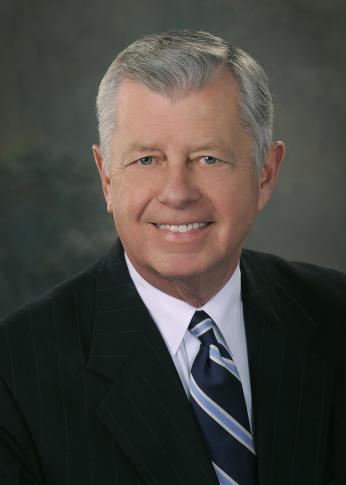
Norris Tolson
Coming up short in tax collections, state legislators approved only $17.5 million for the fiscal year that started July 1, said Norris Tolson, who took over the helm at the biotech center in 2007 after serving six years as state secretary of revenue. But the biotech center made up the difference with about $2.3 million savings that it didn’t have to give back.
“We underspent our budget,” Tolson said about the last fiscal year.
Still, the biotech center will again have to turn down a number of funding requests this year.
Established in 1984 in Research Triangle Park, the state-funded nonprofit has long supported researchers projects on university campuses across the state, paid for equipment, helped recruit companies and university scientists and funded educational activities in K-12 schools, community colleges and museums.
Grants awarded last fiscal years include research grants of up to $75,000 to researchers experimenting with blueberries, fungi and algae to find new treatments for diabetes or to kill cancer cells or viruses. The University of North Carolina bioengineering program at UNC-Chapel Hill and N.C. State University received $195,500 to advance its micromachining capabilities. Duke University received a $145,757 grant to establish an insect transgenesis facility.
The biotech center also earmarked $2.5 million to accelerate development of commercial products from marine biotech research in Eastern North Carolina. (More about the Marine Biotech Center of Innovation here.)
Ken Tindall
About $8.5 million in grants and loans were approved last fiscal year, said Ken Tindall, senior vice president of science and business development.
But demand for funding is up, Tindall said. The biotech center received requests totaling about $13.7 million last year, or about 61 percent more than it approved.
Former GlaxoSmithKline researcher Subba Katamreddy is among those who applied for a loan and got turned down. To start his own drug discovery company, Vijaya Pharmaceuticals, Katamreddy and his wife invested savings and established a lab in the Park Research Center incubator in Research Triangle Park to explore some ideas he had for next-generation antibacterial and anti-inflammatory treatments. (More on Vijaya Pharmaceuticals here.)
“Demand is up across the board,” Tindall said.
Large drugmakers in RTP, like GlaxoSmithKline, are struggling and cutting R&D budgets and jobs like others in the pharmaceutical industry, but the agricultural biotech sector is booming. RTP is home to U.S. headquarters of BASF and Bayer CropScience and Syngenta’s corporate biotech research hub. The area is also a hub for vaccine research and has growing medical device and nanotechnology sectors.
Is the money that built RTP at risk of getting an academic pork barrel rep?
Tuesday, August 30, 2011, 8:49 pm No Comments | Post a CommentA month later than originally planned, researchers from Duke University, the University of North Carolina at Chapel Hill, RTI International and N.C. State University gathered Monday at the National Institute of Environmental Health Sciences in Research Triangle Park to talk about the benefits of federally funded research.
The NIEHS, one of 21 institutes under the National Institutes of Health and the only one outside Bethesda, Md., had planned the roundtable discussion in July, because support for research is under fundamental review. But then the date coincided with the debate that a month ago was raging in Congress over raising the national debt ceiling.
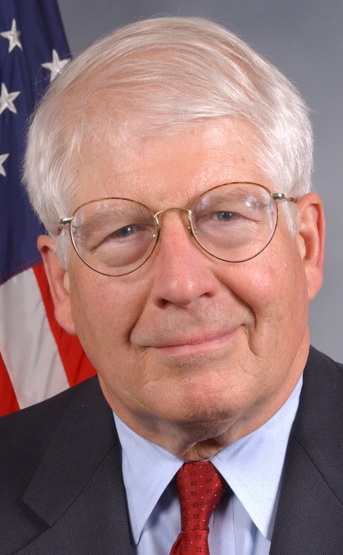
David Price
For roundtable member David Price, a Democratic Congressman who has represented North Carolina’s Research Triangle since 1987, the debt ceiling debate signaled the sentiment shift in Washington, D.C. that also affects research funding.
“There’s nothing in the world that comes close to the NIH’s 100-year history, though other countries aspire,” Price said, talking about the role the NIH have played in supporting health-related research at universities and institutes nationwide with federal tax dollars.
Federal funding for research in disciplines from medicine to engineering has been the foundation onto which Research Triangle Park and its more than 40,000 jobs were built over the past 50 years.
But, Price said, “things we might have taken for granted, parts of the RTP success story, may have to be redefined.”
In 2009, UNC-CH, Duke, NCSU and RTI spent about $2.5 billion on research, according to the latest figures from the National Science Foundation and RTI’s 2009 annual report. Federal tax dollars made up more than two-thirds of the money spent.
The expenditures represented nearly 2.9 percent of the Research Triangle’s gross product that year. In 2009, the metropolitan areas surrounding Raleigh and Durham generated services and goods worth about $86.9 billion, according to figures of the U.S. Bureau of Economic Analysis.
Sponsored research is a formidable economic engine in the Research Triangle, paying salaries and creating jobs when startup companies are formed around technologies that were developed at area universities or research institutes. (More on sponsored research in the Research Triangle here and here.)
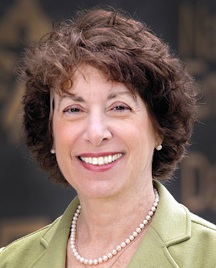
Linda Birnbaum
NIEHS injects about $200 million in federal tax dollars into the local economy per year, said Linda Birnbaum, NIEHS director and member of the roundtable discussion. About 1,400 employees work on the sprawling NIEHS campus in RTP.
“We’re really making an impact, not only economically, but scientifically,” Birnbaum said.
As proof, NIEHS had invited researchers from RTI, NCSU, UNC-CH and Duke to participate in the roundtable discussion. NIEHS has awarded grants to researchers at the three universities anchoring RTP and the research institute that started operations shortly after RTP was established in 1958.
Dr. John Hollingsworth, an associate professor of medicine at Duke, receives funding from the NIEHS to study whether environmental pollutants such as diesel exhaust and ozone cause genetic changes that affect how the immune system works.
His research is tracking the interaction of genetic and environmental factors behind inflammatory diseases such as asthma, especially during vulnerable periods like pregnancy. About 8 percent of the U.S. population suffers from asthma, Hollingsworth said, and his research could lead to new, innovative therapies.
Heather Patisaul, an assistant biology professor at NCSU, studies the effects of hormone-like substances on the developing brain. Among the environmental estrogens she’s tracking are genistein, which is in soy-based foods including soy baby formula, and bisphenol A, a chemical that is in metal food can linings and many plastic containers.
Genistein and BPA are suspected to impair fertility and trigger early puberty in girls.
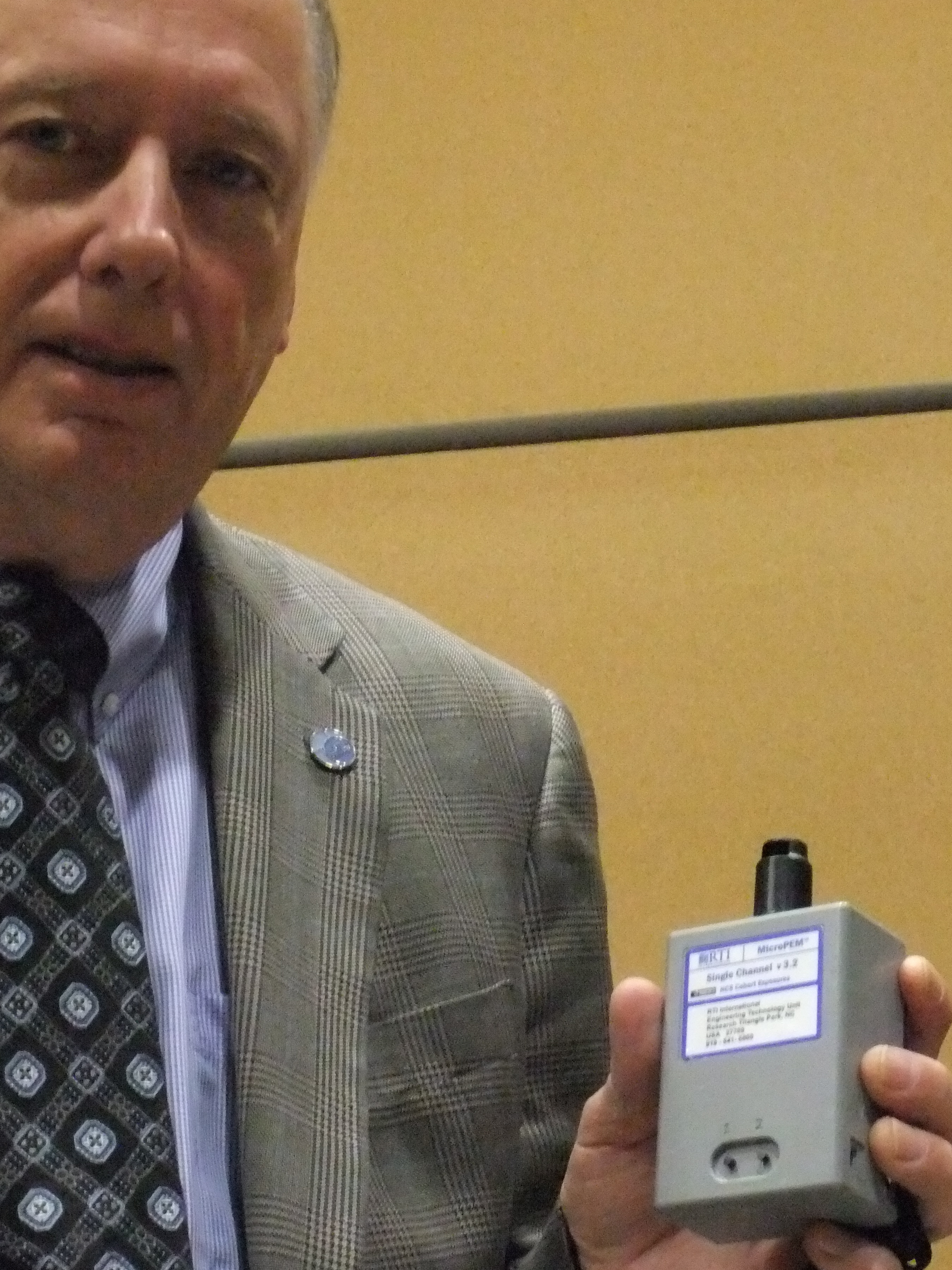
Charle Rhodes shows off the sensor RTI researchers developed to test air quality.
At RTI, researcher have received NIEHS grants to study air quality inside and outside of homes and diseases associated with poor air quality, said Charles Rhodes, a senior fellow at RTI.
Rhodes brought a sensor that RTI developed to run the air quality tests. Similar sensors will be used in a study that is scheduled to start next year in areas devastated by hurricane Katrina six years ago. The sensors will measure the air quality in trailers the Federal Emergency Management Agency provided residents whom Katrina rendered homeless. The trailers have been called “toxic tin cans,” for high formaldehyde levels in the air inside and health problems that have plagued many who have lived in the temporary housing.
UNC has worked with the NIEHS for a long time, training more than 500 researchers, looking for ways to determine susceptibility to environmental diseases, tracking how carcinogens and toxicants make people sick and how environmental toxins interact with human genes.
In the past decade, UNC has received about $112 million in research funding from the NIEHS, said James Swenberg, a UNC professor in environmental sciences and engineering.
Swenberg said he’s been trekking to Washington for 25 years to talk to federal lawmakers and lobby for research funding. In the past, lawmakers were generally eager to learn regardless of their politics.
“Research had never been a partisan issue,” he said. “It’s not going to be the same this time around. That’s really sad.
Republicans, especially in the House, and candidates running for President in next year’s election are “catering to extreme antigovernment views,” Price said. “We have to leave no doubt, that we’re good stewards of our tax dollars and that [research funding] is not some academic pork barrel.”
$2.5M grant to help generate marine biotech jobs in eastern North Carolina
Tuesday, August 2, 2011, 12:28 pm No Comments | Post a CommentThe N.C. Biotechnology Center in Research Triangle Park announced today that it will spend $2.5 million to help generate marine biotech jobs in the eastern part of the state.
The four-year grant will establish a center of innovation - the fourth in the state - to develop commercial products from North Carolina’s marine life with the help of biotech tools.
John Chaffee
Coastal marine labs are doing research that could be applied in several areas, such as health, energy, aquatic foods and diagnostics, according to John Chaffee, director of the biotech center’s eastern office, which is the fiscal agent for the marine biotech consortium.
The biotech center already spent $100,000 to plan for the marine biotech center of innovation or MBCI. This first grant was used to develop a business plan. With the new award, the MBCI must meet business milestones and ultimately establish itself as an independent, self-sustaining entity. The first milestone will be the hiring of an executive director, who will lead the center in identifying and prioritizing key market sectors, said Chaffee.
The University of North Carolina at Wilmington, the UNC-CH Institute for Marine Science, N.C. State University’s Center for Marine Science and Technology and the Duke Marine Lab helped during the planning phase. East Carolina University technology transfer staff assisted with new innovation center’s business plan.
Greener and cleaner: A talk with the director of RTI’s new research center
Saturday, July 23, 2011, 5:43 pm No Comments | Post a CommentAs a molecular biologist, Niels van der Lelie has researched microorganisms in different settings - in cheese making, in cleaning up contaminated water and soil and in growing crops on marginal lands. As the director of RTI International’s newest research center, van der Lelie plans to expand on these experiences and help develop technologies that aim at being greener and cleaner.
The Center for Agricultural and Environmental Biotechnology will be operational on RTI’s campus in Research Triangle Park in about two months. Initially, about 15 researchers will work at the center. Construction of a greenhouse, measuring 3,000 square feet to 4,000 square feet, is planned, with room for expansions.
Within a year, the number of researchers working for the center is projected to double to 30 and Lelie plans to establish a computational biology group.
The center will target research that deals with beneficial microorganisms that help clean up persistent contamination and digest municipal or animal wastes into biofuels, as well as with harmful microorganisms, such as bacteria that cause food-borne illnesses. The center also wants to work on making crop plants more drought resistant and produce better tasting. And it will look into domesticating medicinal plants, so natural resources can be protected.
Lelie expects the work to come from government research contracts and collaborations with industry. He has good chances of finding potential research and business partners in or near RTP. North Carolina’s Research Triangle is a hub for agricultural biotechnology. Companies such as Bayer CropScience, Syngenta and BASF CropScience have operations here. (More about agricultural biotech in the RTP area here.)
Lelie talked to Science in the Triangle about setting up the center and getting started:
Hamner signs Chinese collaborator
Wednesday, July 20, 2011, 4:28 pm No Comments | Post a CommentTwo years after the Hamner Institutes for Health Sciences set up a gateway to China, the Research Triangle Park research institute is adding a Chinese company to its collaborators.
Ascletis will establish its U.S. research and development operations on the Hamner campus. Other operations of the company will be in the National High Tech Industry Development Zone in Hangzhou, a city about two hours southwest of Shanghai.
Jinzi Wu
Founded this year by Jinzi Wu, former head of global HIV drug discovery at GlaxoSmithKline in RTP, and Jinxing Qi, a Chinese real estate investor and chairman of the Hangzhou Binjiang Real Estate Group, Ascletis has $100 million in commitments from U.S. and Chinese angel investors. The company plans to establish a global therapeutics business that targets cancer and infectious diseases.
Allan Baxter, former global head of medicines development at GSK, will lead Ascletis’ discovery and development strategy as chief strategy officer.
According to its Web site, the company aims to buy the rights to new treatments, develop them and introduce them to the growing Chinese pharmaceutical market.
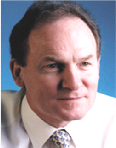
Allan Baxter
Projected to generate about $60 billion in sales this year, the Chinese pharmaceutical market is increasing at an annual rate of more than 20 percent, according to a report by strategic consulting firm The Monitor Group. By 2015, Monitor advisors expect China to rank second in market size to the U.S. and ahead of Japan, Germany, France and the United Kingdom.
Incidence and mortality rates for lung, stomach, liver and breast cancers are comparable or higher in China than in the U.S., the Monitor report pointed out. But competition among pharmaceutical companies is high in China. Nearly all multinationals and numerous local firms are jostling for market shares.
Also, health insurance coverage in China is improving rapidly. In the past two years, the Chinese government invested more than $160 billion in healthcare reform.
Bill Greenlee, the Hamner’s chief executive, and Wu, chief executive of Ascletis, signed the joint venture July 16 at the U.S.-China Governors Forum in Salt Lake City. At the same forum, N.C. Gov. Beverly Perdue and Zhao Hongzhu, the party secretary of the province to which Hangzhou belongs, signed an agreement to foster business and economic development between North Carolina and Zhejiang Province through commercial interactions.
The BIO message: India, China, Brazil are on the move
Friday, July 8, 2011, 10:49 pm No Comments | Post a CommentForget about the Bay Area and Boston. North Carolina’s Research Triangle, anchor of the third largest U.S. biotech hub, needs to look beyond continental shores if it wants to measure itself against some of the most innovative regions in the world. In China, India and Brazil, emerging biotech industries are stirring restlessly.
This came across so loud and clear at BIO 2011, the international biotechnology convention that from June 27 to June 30 brought companies, economic development recruiters, lobbyists and analysts from across the world to Washington, D.C., the message took on a measure of self-evidence.
The annual state-of-the-industry report, which Ernst & Young presented at the convention, provided supporting numbers:
- $61 billion, China’s drug market, which ranked second behind the U.S. last year and is projected to double in size by 2015.
- $1.8 billion, Brazil’s share of global investments in biofuel production last year. The U.S. ranked second and Europe was third.
- 70 percent to 75 percent, developing countries’ projected share of worldwide deaths from heart disease, stroke and diabetes in 2020.
- 25 percent, amount by which research and development investments in U.S., Europe, Canada and Australia decreased in the past two years.

Fareed Zakaria
What is happening, commentator and book author Fareed Zakariah said, is that “the landscape of innovation is shifting around the world.” Zakariah moderated a panel discussion with experts from India, Malaysia and China at BIO to explore the situation in those countries. Hundreds of BIO attendees came to listen.
To set the stage, Zakariah explained how the U.S. became the nation that sent the first man to the moon, developed vaccinations for childhood diseases such as polio and invented the personal computer.
In the 1920s and 1930s, Germany was the most innovative country, he said. During and after World War II, some of the brightest and most talented German scientists, many of them Jews, were part of a mass exodus that headed for the U.S.
“The U.S. benefited enormously from this inflow of talent,” Zakariah said.
The Immigration and Nationality Act of 1965 opened America’s gates to a similar mass inflow of talent from Asia. Buoyed by generous funding of basic sciences, nascent companies and public university systems during the Cold War, the U.S. became a worldwide dominating innovation power. But in the 1980s, the rest of the world started to catch up, Zakariah said. Economies developed, incomes and living standards rose - first in Japan, then in Singapore, Hongkong, South Korea and Taiwan, also known as the four Asian tigers, and most recently in India and China.
In the U.S., the housing market collapsed and the banking industry faltered. Research and development jobs started to move to low-cost countries, where many U.S. manufacturing jobs had already gone. Rising incomes and demand in developing countries convinced companies to pay more attention to consumers there.
“Now we face the question: Where does the U.S. go,” Zakariah said.
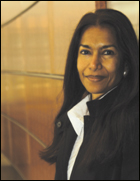
Anula Jayasuriya
Companies like the manufacturer that sells its portable EKG machine in India for a fraction of the price General Electric charges for its EKG machines is driving frugal innovation, said Anula Jayasuriya, an Indian life science investor and a member on Zakariah’s panel.
The Indian manufacturer is considering bringing its portable EKG machine to the U.S., Jayasuriya said.
Health care problems will be solved where the need is biggest, which is in developing countries, said Georg Baeder, Asia life science business leader of the strategic consulting group Monitor and also a member on Zakariah’s panel. And at costs that are customary in developing countries.
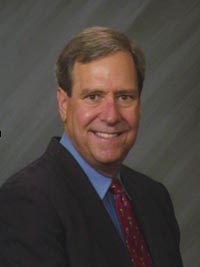
George Baeder
The Chinese government is spending about $125 billion to upgrade and stimulate life science research. In India, the government is trying to help early stage companies. In Singapore, the government is expected to invest $12.5 billion on life science research innovation over the next five years, according to the Ernst & Young report.
And about 80,000 researchers and entrepreneurs who left China for a college education in the U.S. and Europe are returning to China, Baeder said.
A score card that Scientific American magazine developed for BIO in concert with the biotech industry’s trade organization showed that China, India, Brazil still have some catching up to do before they become serious challengers to a still dominant U.S. But a ranking of the top 48 countries capable to generate innovation in biotech worldwide, the score card lists Singapore ninth, Malaysia 28th, China 30th, Brazil 42nd, and India 44th.
RTP startup gears up to track down cat scratch fever bacterium
Friday, July 1, 2011, 1:09 pm No Comments | Post a CommentEditor’s note: North Carolina’s Research Triangle is home to hundreds of young companies. Scientists and entrepreneurs started them to develop technologies and medicines for better detection and treatment of diseases. Some of the companies work on innovations that are the result of research done at one of the area’s universities. Others are outgrowths of established companies. Galaxy Diagnostics, which chases a stealth bacteria that infects pets and their owners, is one of those young companies.
Galaxy Diagnostics is going where few have gone before, to borrow a phrase from the American science fiction franchise Star Trek.
The startup is an outgrowth of work researchers at the N.C. State University College of Veterinary Medicine have done on Bartonella bacteria, pathogens that live in the digestive guts of lice, fleas, biting flies and ticks and are transmitted through the insects’ poop. Cats are particularly prone to harboring Bartonella; about 40 percent of them carry a strain called Bartonella henselae at some time of their lives. That’s why Bartonella infections in humans are best known as cat scratch fever.
Scientists have found signs of Bartonella infection in a 4,000-year-old human tooth from southeastern France. At the time, the pharaohs were building the pyramids in Egypt. But today’s physicians aren’t much better at diagnosing a Bartonella infection than their colleagues were in ancient Egypt.
To track down the elusive bacteria, the NCSU researchers combined lab skills common in the 1950s with 21st century genetic sequencing technology.
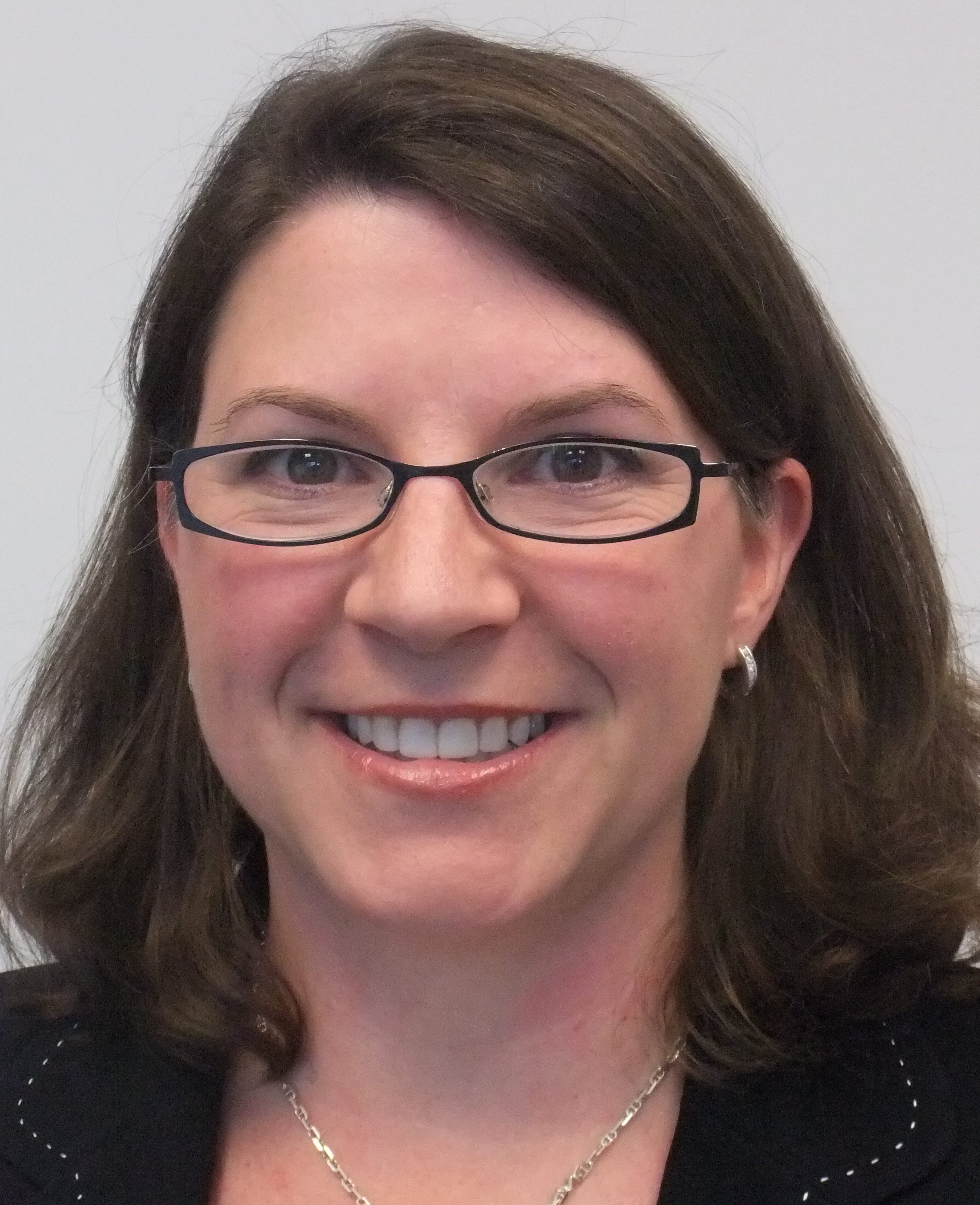
Amanda Elam
In 2009, with little hope of attracting outside investors while the U.S. economy was reeling, the researchers teamed up with a sociologist to launch Galaxy Diagnostics.
Amanda Elam, the sociologist, runs the company. Her title is president, but she calls herself “chief cook and bottle washer.”
To earn her doctorate in sociology at the University of North Carolina at Chapel Hill, Elam studied entrepreneurship. She taught at the NCSU College of Management last year and she continues to publish papers in her academic specialty. The company has received a state loan and a federal grant totaling about $230,000, but unlike the three lab technicians Galaxy Diagnostics employs, Elam doesn’t get paid for the more than 40 hours she puts in as the company’s president.
“It’s field work,” she said.
As Elam’s assessment of her job suggests, Galaxy Diagnostics is an experiment in more ways than one.

Bartonella henselae, a strain that infects cats. Researchers have identified more than two dozen Bartonella bacteria strains.
The test that the company has developed promises to detect a Bartonella infection earlier than other tests, before symptoms progress from a low-grade fever and muscle and joint aches to brain seizures, loss of sight, poor coordination and muscle weakness. But Galaxy Diagnostics also straddles human medicine and veterinary medicine, two health care disciplines that have more in common than most people think.
Animal pathogens can adapt and cause new diseases in humans. Severe acute respiratory syndrome, or SARS, bird flu and swine flu are among the most recent examples. All three diseases emerged in the past decade after viruses jumped from animals to humans.
The quicker viruses and bacteria multiply, the faster the infection develops. Two E.coli can form a colony of hundreds of bacteria in just a few hours. Bartonella bacteria double in numbers just once every 24 hours and infections can take years to develop.
Left to multiply, Bartonella bacteria infect red blood cells and the cells lining blood vessels and they manage to hide where the body’s immune defenses cannot detect them. That’s why tests looking for immune system antibodies to Bartonella bacteria often produce false negative results.
Galaxy Diagnostics goes after the bacteria themselves. The company uses a patented enrichment media in which even small numbers of Bartonella grow in a bottle. Genetic fingerprinting follows to positively identify the bacteria. A multi-drug antibiotic treatment usually gets rid of the bacteria.
More than 250 veterinarians in the U.S., Canada, the United Kingdom and Brazil have already sent Galaxy Diagnostics blood, tissue or fluid samples from pets that the company has tested for Bartonella bacteria.
In the past three to four years, a research lab at the NCSU vet school has run more than 800 human blood samples through Galaxy Diagnostics’ testing process. The samples came from patients suffering from symptoms their physicians couldn’t allocate to a disease. About 28 percent of the samples were positive for a Bartonella infection, Elam said.
By the end of the summer, Galaxy Diagnostics expects to be able to test human samples at its new lab in the Alexandria Innovation Center at a cost of about $600 to $800 per patient.


