Posts Tagged ‘vaccine’

UNC researchers help explore alternate route to a HIV vaccine
Sunday, November 14, 2010, 4:09 pm 1 Comment | Post a CommentIn past years, researchers at the University of North Carolina have worked closely with colleagues from Duke University to develop a vaccine that prevents the AIDS virus from infecting the body, but they also teamed up with colleagues at Harvard University and the Massachusetts Institute of Technology to explore an alternate route.
UNC’s HIV/AIDS clinic, which treats about 2,000 patients and is like Duke’s one of the biggest in the country, participated in a study whose recently published results could lead to a vaccine that helps the body control an HIV infection and prevent disease.
The HIV controller study gathered blood samples from about 3,600 people worldwide. All participants tested positive for the human immunodeficiency virus, but about 1,000 of them didn’t get sick even though they were taking no medication. Detailed tests and comparisons determined a genetic reason: Five amino acids, or building blocks, in a protein that picks up the HIV and delivers it to the cell surface, where the body’s hitmen see it and kill the infected cell.
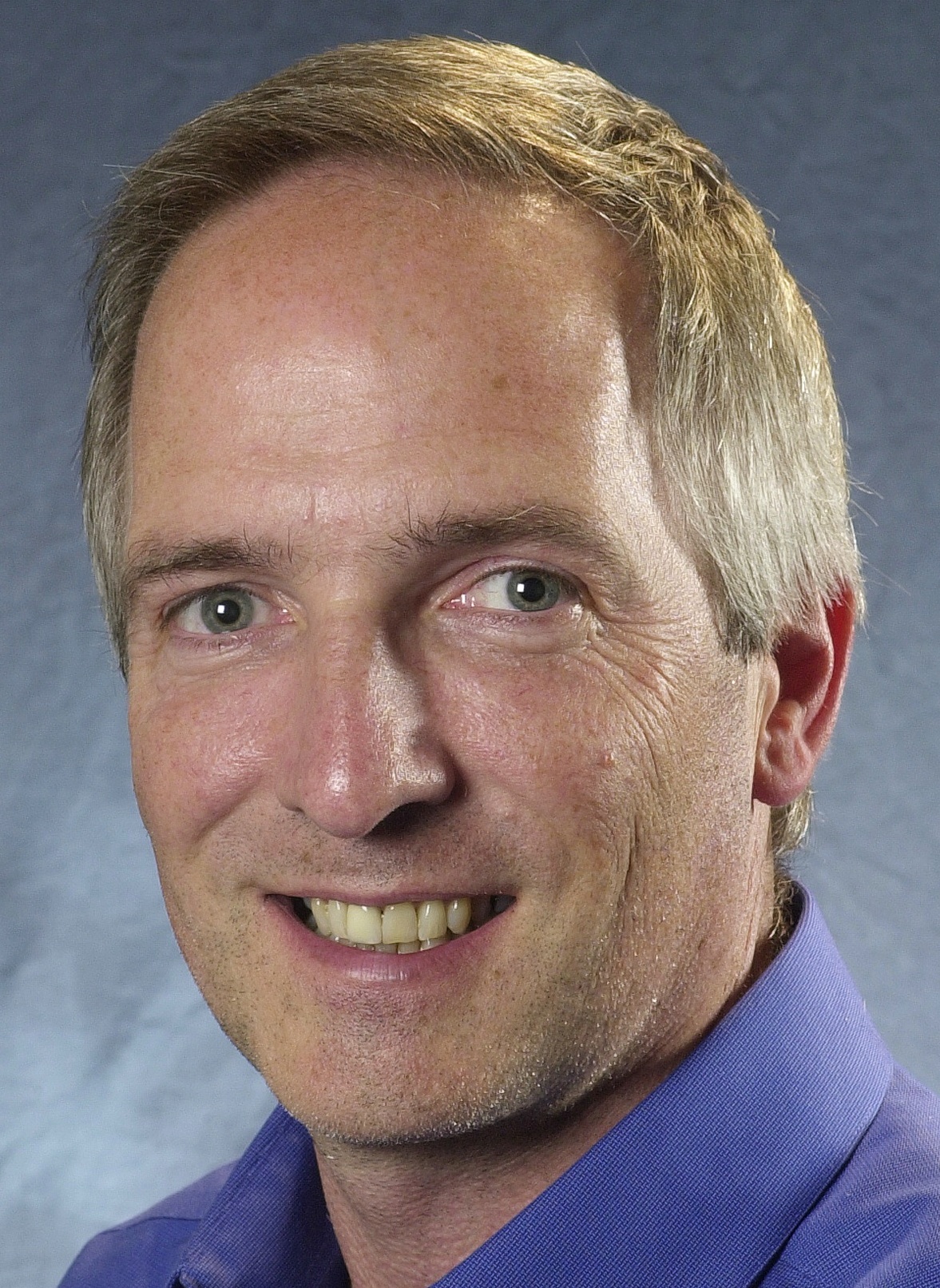
Dr. Joseph Eron
The protein, a human leukocyte antigen called HLA-B, had long been suspected to play a key role in the body’s immune response to HIV, said Dr. Joseph Eron, professor of medicine at UNC’s infectious diseases division and a co-author of the study. But it had been unclear what part of the protein was different in people whose immune system was able to control an HIV infection.
“Now we know where and which amino acids,” Eron said. But there’s still a lot more to learn. “How is [the controllers' protein] better? That’s the next step.”
North Carolina’s Research Triangle Park area has been at the forefront of battling HIV/AIDS for nearly 30 years. AZT, the first AIDS medicine to get regulatory approval, was discovered 1984 in a Burroughs Wellcome lab in RTP. Since then, several other drugs that were developed in the RTP area have contributed to keeping the deadly HIV in check.
RTP researchers have also been among the leading forces to search for a vaccine.
Five years ago, Dr. Barton Haynes, director of the Duke Human Vaccine Institute, was charged with overseeing the Center for HIV/AIDS Vaccine Immunology. CHAVI is a consortium of universities and academic medical centers the National Institute of Allergy and Infectious Diseases established with access to more than $300 million in funding over seven years. UNC is part of the consortium.
CHAVI has come up with a HIV vaccine. It’s a mosaic vaccine - it is based on HIV genetic pieces that a computer at the Los Alamos National Laboratory in New Mexico picked according to programmed patterns - and it promises to outwit strains of the virus that account for about 80 percent of infections worldwide.
CHAVI has set the bar very high, much higher than it is set for vaccines protecting against other viruses.
The mosaic vaccine aims to prevent the HIV from infecting the body and to keep those vaccinated HIV negative. But development on the vaccine is far enough advanced that Duke experts are preparing to test it in humans for the first time in 2012.
A vaccine based on the results of the HIV controller study would have a more traditional goal: Preventing an HIV infection from triggering disease. Preventing disease may be easier to accomplish than preventing infection, but a vaccine based on genetic variations in the HLA-B protein is at this point just an idea.
Duke also collects and studies blood samples from people who are HIV positive but have never gotten sick or didn’t get sick for a long time without taking medication. But Duke’s HIV/AIDS clinic wasn’t listed among the contributors to the HIV controller study, which was spearheaded by Harvard and MIT.
So how can a handful of amino acids on the HLA-B protein make such a difference?
About one in 300 people who are HIV positive have genetic variations associated with immune control of HIV. All of these variations are on a section of chromosome 6 that holds the instructions for making HLAs. These instructions can differ from person to person and are considered one of the most diverse in the human genome.
Paul de Bakker
When researchers at the Ragon Institute and the Broad Institute, collaborations of Harvard, MIT and the Massachusetts General Hospital, studied the instructions in more detail, they noticed HIV controllers made HLA-Bs that differed from those in HIV positive people who got sick. Five amino acids in the controllers’ HLA-Bs made the difference. All five were located in the binding groove, the spot where HLA-B picks up and binds an HIV.
The variations have probably been around for a long time, according to Paul de Bakker, a geneticist at the Broad Institute and one of two leading authors of the HIV controller study.
One of the variations, HLA-B27, is not only better in attacking HIV, it also increases the risk for autoimmune diseases, diseases in which an overly aggressive immune system has trouble distinguishing between “self” and “non-self.”
“I don’t think I have seen any (compelling) evidence that suggests that the immune system is currently adapting to HIV,” de Bakker wrote in an e-mail. “Time will tell.”
Duke to anchor first clinical trial of next-generation HIV vaccine
Friday, October 29, 2010, 12:55 am 1 Comment | Post a CommentResearchers have been able to come up with cocktails of powerful pills that can keep the human immunodeficiency virus at bay, but a vaccine that prevents the virus that causes AIDS from infecting cells has so far eluded them.
In the past 20 years, ever more sophisticated HIV vaccines have been tested worldwide in more than 100 clinical trials without much success, according to a database the International AIDS Vaccine Initiative has kept. Almost two dozen clinical trials are still under way, most in the earliest stage of testing.
Now, vaccine experts at Duke University have assembled an international team to test yet another HIV vaccine in an early-stage clinical trial. But this vaccine is different. It aims to address not only HIV’s ability to outwit the immune system but also the virus’ geographic variations.
If it works, it has the potential to prevent more than 80 percent of HIV infections worldwide. Read more…
RTP area leverages its biotech strengths to become vaccine R&D hub
Friday, October 8, 2010, 3:56 pm 1 Comment | Post a CommentSixty years after Jonas Salk took aim at the polio virus, vaccines are no longer just used to prevent infections. They now treat chronic diseases - like Provenge, the first cancer vaccine to get regulatory approval. Vaccines now have boosters, called adjuvants, to make them more effective. And they target all age groups, not just children.
Vaccines are still administered by injection, but needles have shrunken to 1.5 millimeters in length.
The innovations played to North Carolina’s strengths in biotechnology. Particularly the Research Triangle area has benefited by capturing a larger and larger piece of the vaccine market, which generated about $22.1 billion in global sales last year and is expanding rapidly. Merck and Novartis built state-of-the-art vaccine manufacturing plants in the Triangle. Diosynth Biotechnology, a biotech manufacturer in Morrisville that operates as a Merck subsidiary, got the contract to make the active ingredient in Provenge. Duke University opened the first of 13 regional biocontainment labs the National Institutes of Health funded nationwide to support vaccine research. And researchers at universities and small companies were able to advance novel vaccine technology.
So far, so good.
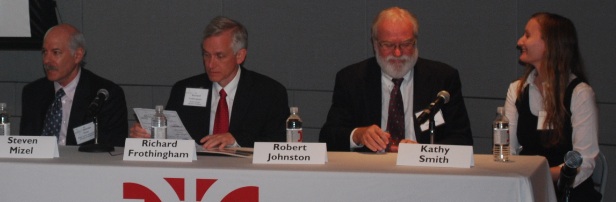
NCBIO's vaccine panel: from left, Steven Mizel of Wake Forest University, Dr. Richard Frothingham of Duke University, Robert Johnston of UNC-CH and Kathy Smith, cell and molecular analyst at Arbovax.
But the Triangle could do even better, according to vaccine researchers who spoke Wednesday at NCBIO’s annual meeting. Read more…
Trial offers glimmer of hope for AIDS vaccine
Friday, December 18, 2009, 1:22 am 1 Comment | Post a CommentAfter taunting researchers for 30 years, HIV, the virus that causes AIDS, has relented a bit - at least that’s how many infectious disease experts are now interpreting results from two vaccine trials.
The first trial was a huge disappointment. The experimental vaccine, developed by U.S. drugmaker Merck, failed to prevent HIV infections so miserably, Merck halted the trial in September 2007. Two years later, results from the second trial were more promising. The trial was conducted in Thailand, involved more than 16,000 volunteers and used a combination of two vaccines. But three months after the results were released, questions persist whether the modest preventative effect of the Thai vaccine combo was real or due to chance.
Dr. Myron Cohen
Dr. Myron Cohen, a leading HIV/AIDS expert at the University of North Carolina, considers the results from the Thai vaccine trial “the first glimmer of hope” that there is a way to stop the spread of HIV/AIDS, particularly in poor countries. Read more…
AIDS: Closing in on a cure
Thursday, December 3, 2009, 3:04 pm 2 Comments | Post a Comment

HIV
It took a generation, but researchers now dare to speak of a cure for HIV, the virus that triggered the AIDS epidemic in the late 1970s.
A laboratory experiment with a special mouse gives them hope.
In Holly Springs, Novartis leaves chicken out of flu vaccine recipe
Tuesday, November 24, 2009, 8:22 am 1 Comment | Post a CommentThe flu vaccine manufacturing plant that Novartis is about to finish about 20 miles southwest of North Carolina’s Research Triangle Park promises better and faster protection for humans without the carnage to chicken offspring.


