Archive for November, 2010

ScienceOnline2011 - introducing the participants
Monday, November 29, 2010, 11:10 am No Comments | Post a Comment
As I do every year, I will do a series of posts introducing attendees/participants of ScienceOnline2011. You can find them all on the list, but it may be helpful if you get them in smaller chunks, focusing on a few at a time. Today I will get “us” out of the way first, introducing people most involved in the organization and running of the event this year.
Anton Zuiker is the communications director for the Duke Department of Medicine, a veteran (10 years!) blogger and twitterer and has been, for years, the heart and soul of the local online community.
I guess you know about me - the new Blog Editor at Scientific American, blogger (you are on it) and twitterer.
The two of us, Anton and I, have concieved and organized this meeting for five years now, and are both involved in a number of other local online and offline communications projects, including Scienceblogging.org, SCONC, Science In The Triangle, BlogTogether, Open Laboratory and more still to come.
Catharine Zivkovic is my wife, and thus has had a lot of influence on me and on the conference over the years. She is a registered Intensive Care nurse, a UNC student, a bioethicist and a writer. She also tweets.
David Kroll is a Professor of Pharmaceutical Sciences at North Carolina Central University. He blogs on Terra Sigillata and Take as Directed and sometimes on the group blog Science-Based Medicine. And he tweets. His traditional involvement in ScienceOnline? Hotel, banquet and wine.
Karyn Traphagen has taught or is teaching a wide variety of things that only at first sight do not seem related: physics, violin, biblical Hebrew and art. She is an online adjunct faculty at University of Virginia (physics), and a PhD student at the University of Stellenbosch. She volunteers at the NC Museum of Life & Science in Durham. She blogs at Boulders 2 Bits and tweets. This year, Karyn is helping us organize volunteers and is in charge of the swag and the Book Fair.
Nancy Shepherd is the founder and CEO of Shepherd Research. She is also on Twitter. As she did masterfully last year, Nancy is in charge of organizing the Lab and Museum Tours this year as well.
Ross Maloney is a UNC student, reporter for Science In The Triangle and an intern at The Research Triangle Park Foundation. Ross blogs and tweets. He is a ‘jack of all trades’, doing whatever needs to be done to make sure the conference runs smoothly.

Short and round and poor
Tuesday, November 23, 2010, 2:48 pm 1 Comment | Post a CommentWaist lines are expanding across the world, not just in the U.S., one of the countries leading the worldwide obesity epidemic. But while the additional calories are also boosting the average height of people in Asia and Latin America, Americans are becoming rounder and shorter.

John Komlos
What seems like a statistical error - considering too little, not too much, food tends to stunt growth - isn’t, according to John Komlos, an economist and professor at the University of Munich, who taught and researched at Duke University in the 1980s. He is currently a fellow at the National Humanities Center in Research Triangle Park.
“Within half a century a veritable metamorphosis in the shape of the American population took place without notice: from being the tallest in the world still around World War II, Americans have become one of the most obese at the onset of the 21st century,” Komlos wrote in a discussion paper that was published in 2003.
The average height of Americans rose about 2 inches in the past 150 years while the Dutch, for example, grew about 6 inches taller. In the past 20 to 30 years, American women and white American men actually shrunk a bit.
Komlos presented his research at the National Humanities Center a week before Thanksgiving, at the end of the same day that had started next door, at the N.C. Biotechnology Center, with a presentation by Barry Popkin, a professor at the University of North Carolina at Chapel Hill and the author of “The World is Fat.”
Komlos and Popkin are both trained economists, but the data they collect - Komlos on height and Popkin on weight - focus on human well-being rather than on a country’s output of goods and services. In the process, both redefine economics at a time when technology and cheap, processed foods are replacing physical labor and traditional diets worldwide.

Barry Popkin
Popkin is particularly alarmed by how quickly countries like China and Mexico are catching up and getting fatter. What has taken the U.S. about a century, happened in the past two to three decades in Asia and Latin America.
“It’s going fast, fast, fast,” Popkin said at the breakfast meeting of the Triangle Global Health Consortium. And similarly to the U.S., he added, the resulting burden of disease - diabetes, hypertension and heart disease - is shifting towards the poor.
Their research, which touches on disciplines as diverse as genetics and history, has come up with some surprising findings. But each researcher takes a different approach to what should be done to improve health and lower the burden of disease around the globe.
Komlos has scoured archives for more than a quarter century to collect hundreds of thousands of historic height measurements from military recruits, passport applicants, runaway slaves and indentured servants. (Read a feature in The New Yorker about his research here.)
The large data sets revealed trends that go beyond genetics and reflect the influence nutrition, medical care, education and family status and income can have on children and therefore on the well-being of entire population segments once those children become adults. Komlos called this approach “humanistic economics.”
“Height is important, because childhood health has a long reach into the rest of the life,” he said.
During the period before the Civil War, white Southerners were the tallest population segment in the U.S. because they had good access to food, Komlos found by looking at height records of Georgia prison convicts. At the same time, heights declined across Europe as people left the countryside and farming and moved to the cities to find jobs in the factories.
The Oliver Twists of industrializing England in the first half of the 19th century averaged 5-feet-1-inch at 18, Komlos said. Their contemporaries in the British gentry grew 9 inches taller on average.
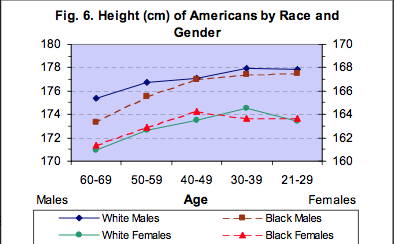
After World War II, Americans have not only become rounder, they've also started to get shorter.
By the end of the 19th century, Americans were the tallest, but average U.S. height stagnated as technological innovations such as cars, radios, television and computers boosted the U.S. gross national product during the 20th century.
At the same time, Americans started to gain weight. On average, Citadel military cadets are more than 25 pounds heavier today than they were after World War I, Komlos found.
And then, there’s the report card on child well-being in 21 rich countries that UNICEF published in 2007. The report card ranked the U.S. second to last. The Netherlands, home of the tallest people, came in first.
To close the height gap that is opening up in the U.S., Komlos suggested to bolster the social safety net, particularly prenatal care, and the access to nutritious food.
Popkin supports an approach that’s more grassroots and includes consumer education, particularly about caloric beverages that are loaded with sugar, and public health advocacy for healthier food options in schools, churches and at the workplace.
Already, more than 1 billion people worldwide are overweight or obese, according to figures by the World Health Organization. Every year, 10 million more join the group, Popkin said. A shift in how the world eats, drinks and moves is the reason, he said.
Fruits, vegetables and beans are being increasingly replaced by meats, dairy and processed, energy-dense but nutrient-poor, cheap foods that are available in supermarkets around the world.
More than half of these processed foods in supermarkets are made locally, not by the 10 to 15 largest multinational food companies, Popkin said. “Kraft, Nestle, Unilever are just the tip of the iceberg.”
The result? French fries are named by U.S. parents as the first vegetable to which they introduced their 7-month-olds. About one-third of Americans don’t know how to cook. The number of overweight children in the U.S. has doubled in the past 30 years. In North Carolina, about one-third of the children are overweight or obese.
And countries such as Mexico, China and India are catching up quickly. About two-thirds of Mexicans and one-third of Chinese are overweight or obese.
What’s worse, Popkin pointed out, populations who are getting fat and fatter quickly after centuries of malnutrition are more prone to develop diabetes, hypertension and heart diseases than Americans and Europeans.
Internet Summit RTP 2010
Tuesday, November 23, 2010, 2:19 pm 1 Comment | Post a CommentHow can you hate a conference headlined by Go Daddy and Playboy with the keynote panel moderated by a lady with the purple hair?! But it really wasn’t as early 90s ‘boys will be boys’ as all that. I recall back in the real, early 90s at the annual CED (Council for Entrepreneurial Development) Software Conference that most of the all-male attendees worried if the only way forward, meaning to make any money, was to obey the Microsoft juggernaut. Clearly not, because Google came along. And now there is concern of what Facebook really knows and do you have to love Apple to get cool technology?! Certainly not, which is why we get together to learn from and to measure one another.

I found this Conference to be interesting for many reasons that reflect the development and potential of our community, both technical and entrepreneurial. In addition to the reliable supporters from the area such as SAS and IBM, there were a range of marketing and advertising sorts; familiar service providers; smaller entities that grew up such as iContact and Bronto. The teams of those seeking to continue to shape the Internet as an advertising channel outnumbered those who seek to perpetuate the Internet as a disruptive force to the way that things are presently done. At the conference, the present class of disrupters were those who understand mobile devices and the new realm of of apps that run on them. Read more…
An argument for boosting federal funding for energy research
Wednesday, November 17, 2010, 4:43 pm 3 Comments | Post a Comment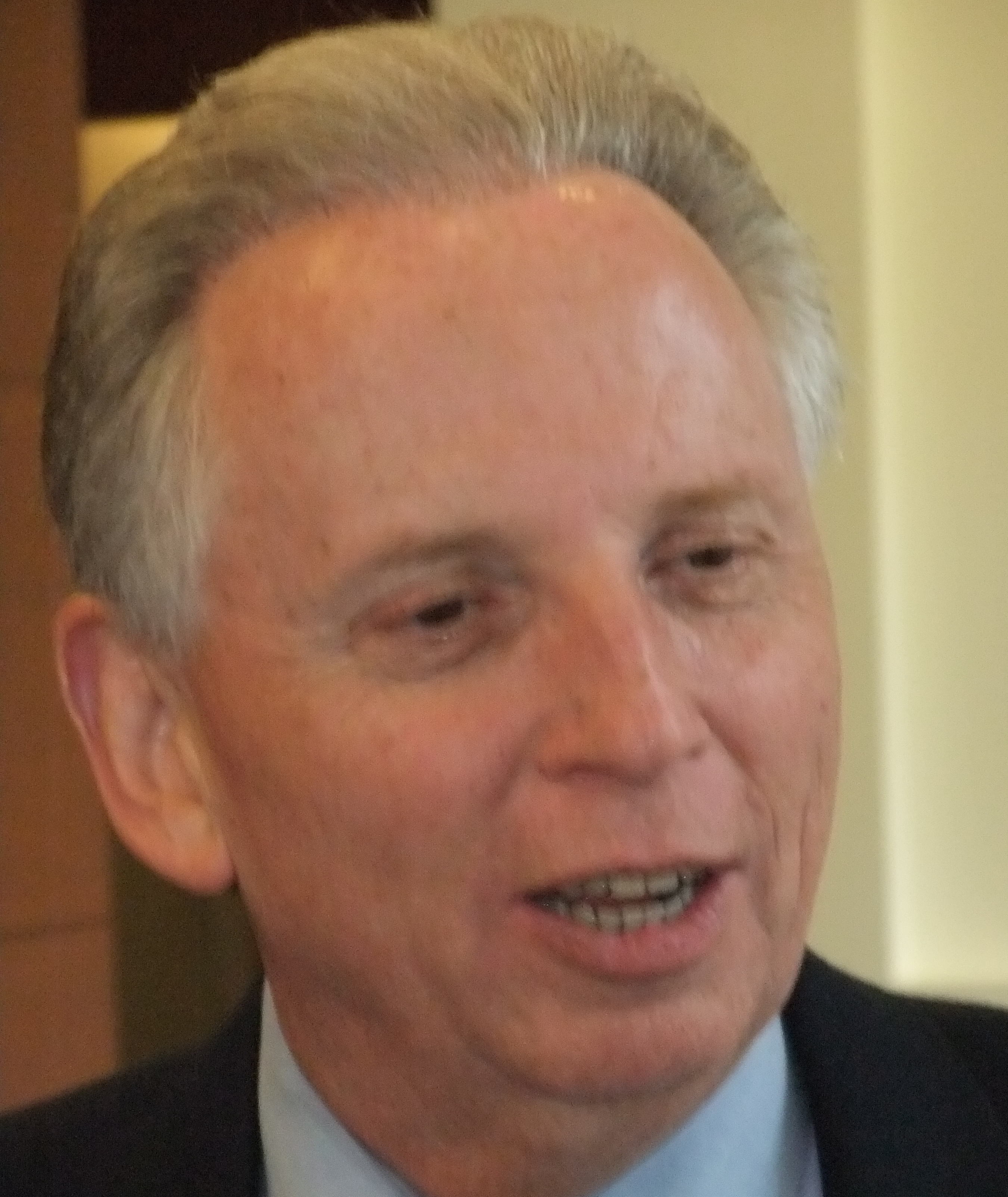
Jim Trainham
Calls for Congress to boost federal funding for clean energy research are getting louder and Jim Trainham, executive director of the newly formed Research Triangle Solar Fuels Institute, is jockeying for a position in the chorus.
The University of North Carolina at Chapel Hill, Duke University, N.C. State University and RTI International formed the solar fuels institute this summer to give the Research Triangle Park area its due as an energy research hub.
“There’s a lot of expertise here,” Trainham said Tuesday during a presentation at the Triangle Area Research Directors Council.
From its four parents, the solar fuels institute got experts in chemistry, electrical engineering, material sciences and nanotechnology and a lofty goal: Tapping the sun to make liquid fuel. (Watch a Q&A with Trainham here.)
The technology to meet the goal could be developed in less than a decade, Trainham suggested at TARDC. The big question is how to pay for the research and development. Read more…
UNC researchers help explore alternate route to a HIV vaccine
Sunday, November 14, 2010, 4:09 pm 1 Comment | Post a CommentIn past years, researchers at the University of North Carolina have worked closely with colleagues from Duke University to develop a vaccine that prevents the AIDS virus from infecting the body, but they also teamed up with colleagues at Harvard University and the Massachusetts Institute of Technology to explore an alternate route.
UNC’s HIV/AIDS clinic, which treats about 2,000 patients and is like Duke’s one of the biggest in the country, participated in a study whose recently published results could lead to a vaccine that helps the body control an HIV infection and prevent disease.
The HIV controller study gathered blood samples from about 3,600 people worldwide. All participants tested positive for the human immunodeficiency virus, but about 1,000 of them didn’t get sick even though they were taking no medication. Detailed tests and comparisons determined a genetic reason: Five amino acids, or building blocks, in a protein that picks up the HIV and delivers it to the cell surface, where the body’s hitmen see it and kill the infected cell.
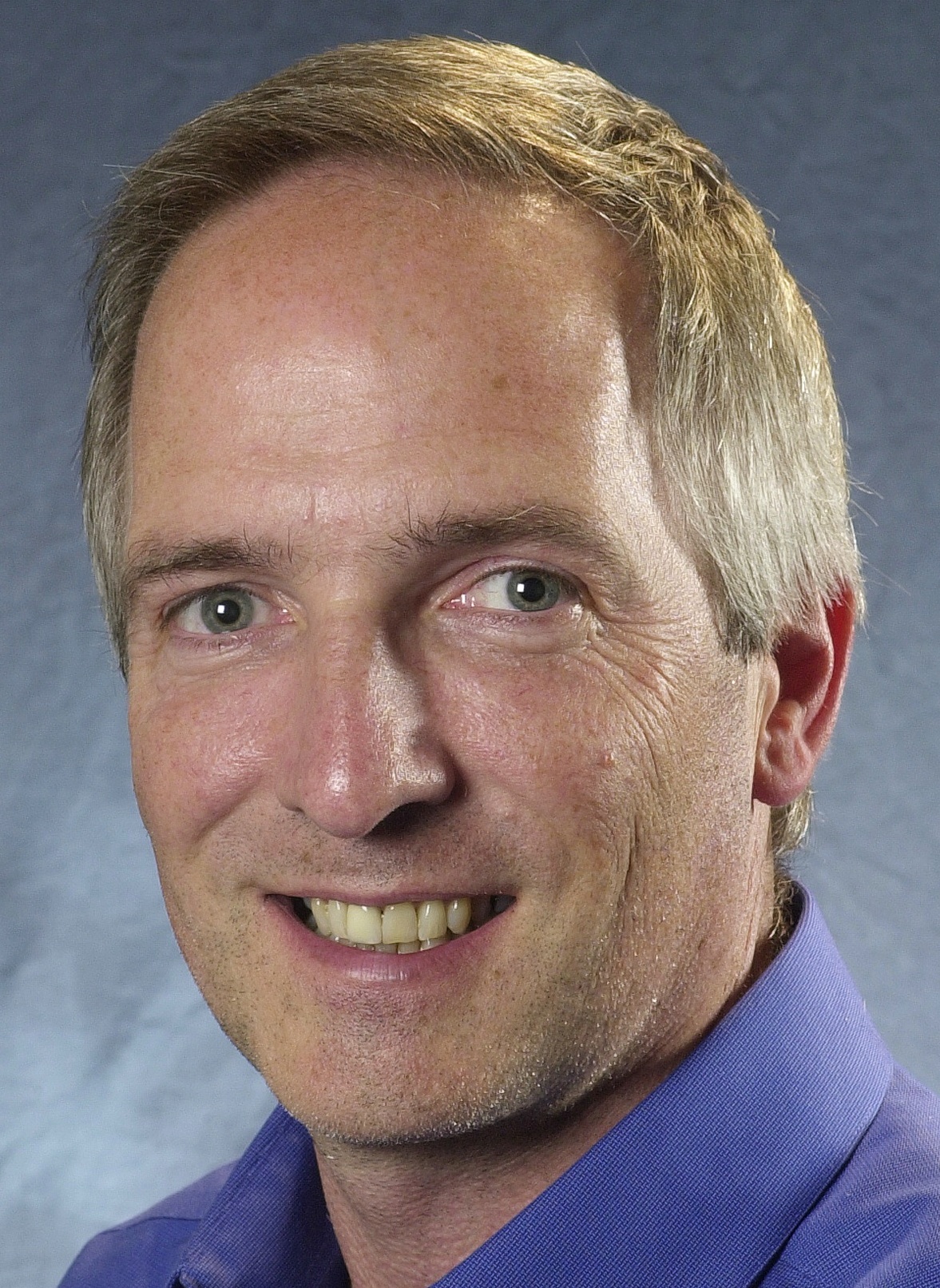
Dr. Joseph Eron
The protein, a human leukocyte antigen called HLA-B, had long been suspected to play a key role in the body’s immune response to HIV, said Dr. Joseph Eron, professor of medicine at UNC’s infectious diseases division and a co-author of the study. But it had been unclear what part of the protein was different in people whose immune system was able to control an HIV infection.
“Now we know where and which amino acids,” Eron said. But there’s still a lot more to learn. “How is [the controllers' protein] better? That’s the next step.”
North Carolina’s Research Triangle Park area has been at the forefront of battling HIV/AIDS for nearly 30 years. AZT, the first AIDS medicine to get regulatory approval, was discovered 1984 in a Burroughs Wellcome lab in RTP. Since then, several other drugs that were developed in the RTP area have contributed to keeping the deadly HIV in check.
RTP researchers have also been among the leading forces to search for a vaccine.
Five years ago, Dr. Barton Haynes, director of the Duke Human Vaccine Institute, was charged with overseeing the Center for HIV/AIDS Vaccine Immunology. CHAVI is a consortium of universities and academic medical centers the National Institute of Allergy and Infectious Diseases established with access to more than $300 million in funding over seven years. UNC is part of the consortium.
CHAVI has come up with a HIV vaccine. It’s a mosaic vaccine - it is based on HIV genetic pieces that a computer at the Los Alamos National Laboratory in New Mexico picked according to programmed patterns - and it promises to outwit strains of the virus that account for about 80 percent of infections worldwide.
CHAVI has set the bar very high, much higher than it is set for vaccines protecting against other viruses.
The mosaic vaccine aims to prevent the HIV from infecting the body and to keep those vaccinated HIV negative. But development on the vaccine is far enough advanced that Duke experts are preparing to test it in humans for the first time in 2012.
A vaccine based on the results of the HIV controller study would have a more traditional goal: Preventing an HIV infection from triggering disease. Preventing disease may be easier to accomplish than preventing infection, but a vaccine based on genetic variations in the HLA-B protein is at this point just an idea.
Duke also collects and studies blood samples from people who are HIV positive but have never gotten sick or didn’t get sick for a long time without taking medication. But Duke’s HIV/AIDS clinic wasn’t listed among the contributors to the HIV controller study, which was spearheaded by Harvard and MIT.
So how can a handful of amino acids on the HLA-B protein make such a difference?
About one in 300 people who are HIV positive have genetic variations associated with immune control of HIV. All of these variations are on a section of chromosome 6 that holds the instructions for making HLAs. These instructions can differ from person to person and are considered one of the most diverse in the human genome.
Paul de Bakker
When researchers at the Ragon Institute and the Broad Institute, collaborations of Harvard, MIT and the Massachusetts General Hospital, studied the instructions in more detail, they noticed HIV controllers made HLA-Bs that differed from those in HIV positive people who got sick. Five amino acids in the controllers’ HLA-Bs made the difference. All five were located in the binding groove, the spot where HLA-B picks up and binds an HIV.
The variations have probably been around for a long time, according to Paul de Bakker, a geneticist at the Broad Institute and one of two leading authors of the HIV controller study.
One of the variations, HLA-B27, is not only better in attacking HIV, it also increases the risk for autoimmune diseases, diseases in which an overly aggressive immune system has trouble distinguishing between “self” and “non-self.”
“I don’t think I have seen any (compelling) evidence that suggests that the immune system is currently adapting to HIV,” de Bakker wrote in an e-mail. “Time will tell.”
ScienceOnline2011 update
Saturday, November 13, 2010, 4:36 pm No Comments | Post a Comment
ScienceOnline2011 is starting exactly two months from now. There is still a lot of work to do, but Anton and I have a lot of help from the community - from people online who crowdsource things that need to be done, to local volunteers who are helping with various aspects of organization. The fifth conference promises to be bigger and better than ever.
You want to see the excitement? Just check the Twitter use of the hashtag #scio11 (also on Twapperkeeper which is missing automated RTs and @replies and tweets by private accounts but is already registering 2427 tweets!). Subscribe to the official @scio11 account (as well as @scienceblogging - both will have multiple users during the conference itself) and follow the Twitter List of all #scio11 attendees.
You can also bookmark the Facebook Event page, the FriendFeed room and Lanyard.
Everything online, including blog posts, that has the hashtag #scio11 in it, is now also aggregated on Scienceblogging.org (scroll down), so please tag your posts accordingly, or place them directly on Delicious.
If you have pictures on Flickr that are in any way related to science blogging, please add tag #scienceblogging and later, once the conference starts, ALSO the tag #scio11. Both will also be displayed on Scienceblogging.org.
Your starting point for the conference is, of course, the homepage where the key links and information are displayed up front. The homepage also contains the official scio11 blog with news and updates. During the conference itself, this is where we will have a number of attendees post their coverage of individual sessions. Read more…

Science Cafe spreads understanding of bacteria over beers
Friday, November 12, 2010, 5:14 pm 2 Comments | Post a Comment
Sophia Kathariou talks microbes to a crowd at Mitch’s Tavern in Raleigh.| Photo by Tyler Dukes
Note: Story cross-posted from Scientific American.
Sophia Kathariou is the kind of scientist who can turn food-borne bacteria into great dinner conversation.
The associate professor of food science and microbiology at N.C. State University in Raleigh spoke about her work Thursday night at Mitch’s Tavern, a longtime haunt for professors and students alike. The talk was one of Sigma Xi’s Science Cafés, which aim to promote science among the public.
Over local craft brews, Greek salads and gumbo, Kathariou was quick to mention the softer side of bacteria. Whether we hear about them “attacking our immune system” or “weakening our defenses,” she said the militaristic tone of communication about microbes has to change.
“Society has been trained to think about microbes and bacteria as enemies. This could not be further from the truth,” she said. “They are part of who we are and what we do.” Read more…

RTP Week Ahead, Nov. 15-19
Friday, November 12, 2010, 11:25 am No Comments | Post a Comment
Monday, November 15
Becoming an Investor-Ready Entrepreneur
8:00am - 5:30pm
N.C. Biotechnology Center, 15 T.W. Alexander Drive, RTP, NC
This program was developed with direct input from experienced entrepreneurs, angel investors, angel networks/fund executives, and venture capitalists, and provides an “insider’s look” into the world of equity funding. By understanding what investors look for, entrepreneurs can reduce barriers to funding, navigate the process more easily, and increase the chances of obtaining funding for their business.
2010 Biostatistics Seminar Series: Ethics, Placebos and Adaptive Randomization
12:00 - 1:50pm
Bondurant Hall, Room 2010, UNC-CH
This semester seminar series targets Clinical and Translational Science Investigators who have had basic training in biostatistics methods (e.g., completed Bios 541 and 542) and are interested in learning more about a variety of more advanced topics. Each session will be led by a different member of the NC TraCS Biostatistics Core or other Biostatistics faculty member. Speaker: Anastasia Ivanova. Read more…
Are we pursuing innovation at the expense of wisdom?
Wednesday, November 10, 2010, 11:09 pm 1 Comment | Post a CommentIn the U.S. as in other countries around the globe the push is on to improve students’ skills in science, technology, engineering and mathematics, or STEM.
Innovation is the name of the game. Computer technology is already transforming how we work, live and play and researchers are delving deeper and deeper into our bodies and surroundings. The knowledge economy is where we believe the well-paying jobs of tomorrow will be.
This emphasis on the hard sciences - biology, chemistry, math, physics - brought about a $260 million nationwide STEM effort to move U.S. students to the top internationally. President Obama unveiled the Educate to Innovate Campaign about a year ago. But the emphasis on the hard sciences has also given rise to efforts that threaten to diminish the humanities, sometimes referred to as the soft sciences: Squeezed by budget cuts, the State University of New York at Albany on Oct. 1 announced cost cuts that would eliminate all degree programs in French, Italian, the classics, Russian and theater. (Responses to this SUNY decision here and here.)
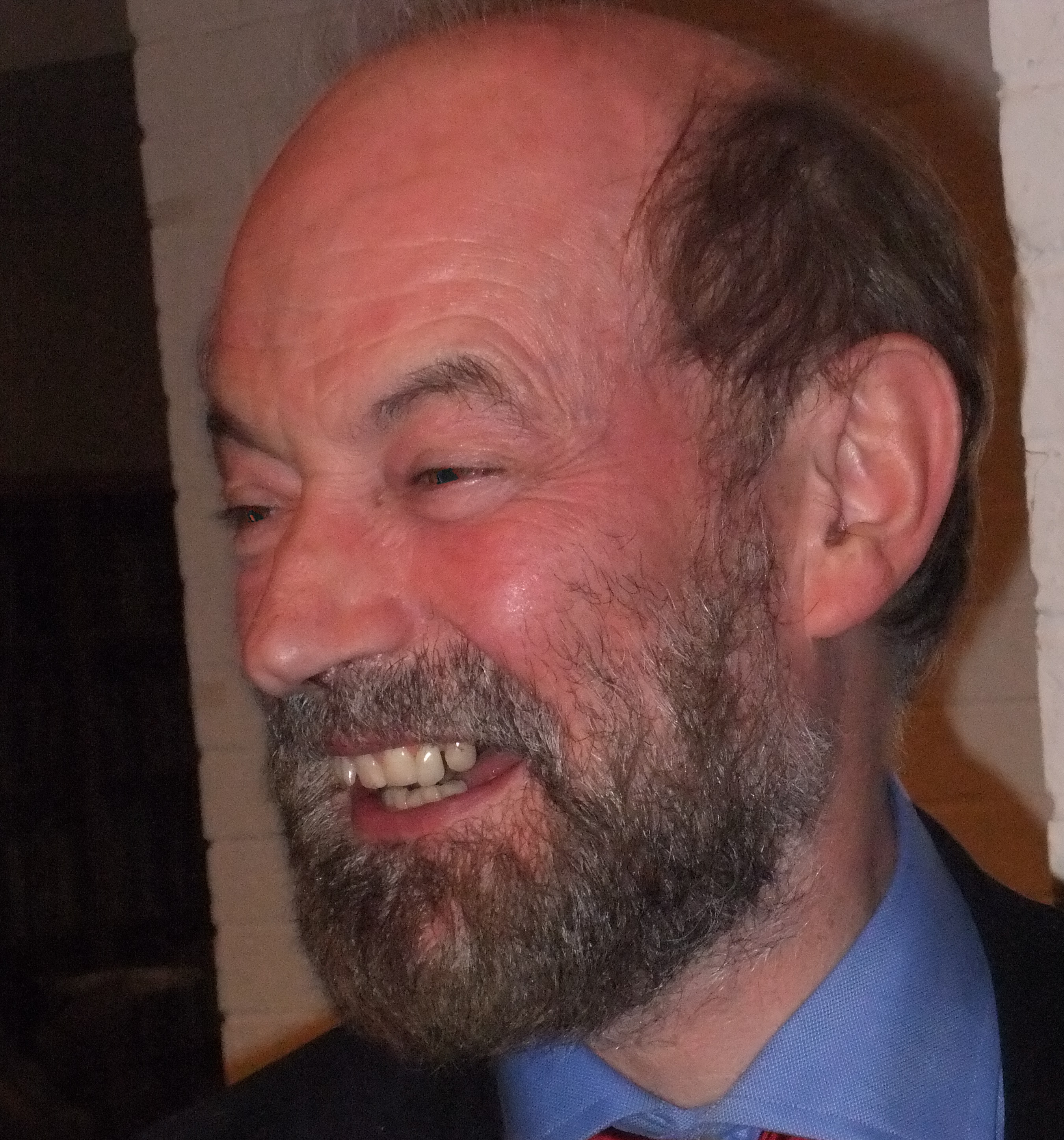
Dr. Raymond Tallis
But it gets worse, Dr. Raymond Tallis, a British philosopher and poet, told a crowd of more than 100 Tuesday at the National Humanities Center in Research Triangle Park.
Tallis is a retired neurologist who travels with a laptop and has neither a problem with Charles Darwin’s theory on evolution nor with modern medical research. What he has a problem with are efforts to, for example, explain moral judgments with the help of brain scans or to replace the human conscience in psychology, religion and the arts with the evolutionary drive to survive and procreate. Read more…
Epic releases trailer for mobile hack-and-slash title
Monday, November 8, 2010, 9:08 am No Comments | Post a CommentMobile gamers looking for a little more action from their handheld devices might want to spare a minute.
The trailer for Cary-based Epic Games’ Infinity Blade hit the Web last week featuring axe-wielding giants, massive castles and fast-paced swordplay. The 3-D fantasy title, which combines hack-and-slash action and RPG elements, will be available this holiday season for the iPhone, iPod Touch and iPad.
The company and its Salt Lake City-based developer ChAIR haven’t released pricing or the official release date, but if the title’s introduction at September’s Apple event is any indication, it’s likely received the golden seal of approval from Cupertino.
Gamers got their first taste of Infinity Blade with the release of Epic Citadel, a free app that served as a tech demo for the then-codenamed “Project Sword.” In mid-September, Epic Vice President Mark Rein said the 3-D walkthrough hit 1 million downloads shortly after its Sept. 1 release.
Epic is certainly throwing the gauntlet down with its first mobile gaming entry. The graphics are pretty impressive by next-generation console standards, so I’m excited to get my hands on the touchscreen and try it out.


