Posts Tagged ‘rtp’

Biotech innovation: What isn’t funded
Tuesday, June 28, 2011, 11:35 pm No Comments | Post a CommentInnovation capital, money to turn some of today’s most innovative discoveries into tomorrow’s medical treatments, is getting so scarce in the U.S., politicians, economic developers and entrepreneurs in regions specializing in early stage biotech research and development are scrambling.
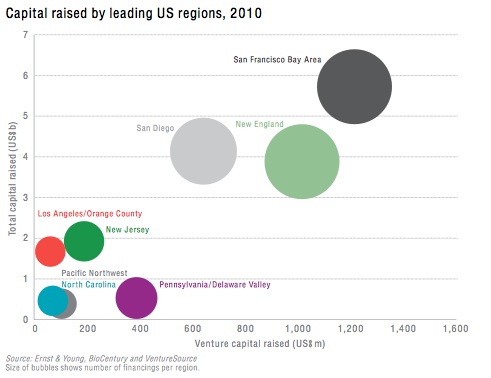
North Carolina, a hub for young biotech companies, trailed other U.S. biotech hot spots in venture capital raised last year, according to an Ernst & Young report.
North Carolina’s Research Triangle, the third largest U.S. biotech hub, is one of those regions.
Some of the world’s largest R&D companies have operations in the Triangle, including GlaxoSmithKline, Novartis and Bayer. But the lifeblood of the area has long been young, early stage companies in pursuit of ideas developed at local research universities such as Duke University, the University of North Carolina at Chapel Hill and N.C. State University or hatched by researchers who used to work in corporate labs in Research Triangle Park.
A little more than two years after a deregulated U.S. banking industry stumbled in the fall of 2008, investors are increasingly shying away from early stage biotech companies, a high-stakes, high-rewards gamble in the best of times. Innovation capital is drying up in the U.S., according to a 2011 report the U.S. accounting firm Ernst & Young published this month.
One consequence, a Research Triangle venture capital investor said, is “deals are dying on the vine.”
“More and more small, really good startups are having problems finding money,” said Norris Tolson, chief executive of the N.C. Biotechnology Center. “We’re about the only game in town for early stage biotech companies.”
The biotech center, which offers grants and loans up to $250,000, has seen the number of funding requests increase by about 10 percent, Tolson said. In the past year, about 280 applicants asked for financial support. About 130 were approved.
Traditionally, young biotech companies have relied on private investors, often venture capital investors, to kick their R&D into gear.
U.S. biotech companies raised $5.5 billion in venture capital in 2007, about twice as much as in 2000, according to Ernst & Young. But in the past three years, the amount has stagnated at about $4.5 billion annually and venture capitalists have begun to hold money back until companies reach certain milestones.
Total capital raised by biotech companies in the U.S. bounced back to $20.7 billion last year, from about $13 billion in 2008, according to Ernst & Young. But much of that capital went to mature companies. Young, early stage companies, which work on the most innovative technologies and generate more jobs than large, established companies, actually received about 20 percent less in capital than the year before.
In Europe, capital raised was more evenly distributed among startups and mature companies. In Singapore, China and India, governments are ratcheting up efforts to bolster biotech innovation. And in Latin America, Brazil’s already strong agricultural biotechnology sector is gaining attention.
But politicians, economic developers and university administrators in the Research Triangle have come up with ideas to encourage the formation of R&D startups despite the early stage funding crunch

The planned Alexandria Ag-Tech Center.
The biotech center teamed up with Alexandria Real Estate Equities, a Pasadena, Calif.-based real estate investment trust, to attract young companies working in agricultural biotech research. Alexandria, which already owns lab buildings in the Triangle, will build a $13.5 million business incubator with about 18,000-square-feet of greenhouse space near RTP.
Several universities and the Council for Entrepreneurial Development are working with the charitable arm of the Blackstone Group, a global investment firm, to turn more technologies developed at universities into companies and bolster the Triangle’s existing entrepreneurial network.
The chancellors at UNC-CH and NCSU have set up innovation funds to further support spinoffs.
And state legislators are again considering establishing a nonprofit that can loan young companies money. The legislation has come up twice before and would use about $100 million an out-of-state investor is willing to provide, Tolson said. Initially, only life science companies could benefit, but recently state lawmakers suggested that information technology and green technology companies should also be included.
“There’s a huge need for startup capital across the U.S.,” Tolson said. In North Carolina, “a lot of people are understanding the need.”
Former GSK drug researcher pursues ideas big pharma hasn’t
Monday, June 20, 2011, 9:23 am No Comments | Post a CommentEditor’s note: North Carolina’s Research Triangle is home to hundreds of young companies. Scientists and entrepreneurs started them to develop technologies and medicines for better detection and treatment of diseases. Some of the companies work on innovations that are the result of research done at one of the area’s universities. Others are outgrowths of established companies. Vijaya Pharmaceuticals, a drug discovery company founded in 2009 by a husband-and-wife team, is one of those young companies.

Subba Katamreddy
Former GlaxoSmithKline researcher Subba Katamreddy did what came natural to a medicinal chemist who in 2008 got caught at the beginning of U.S. drug research and development cutbacks that have rocked large pharmaceutical companies since then.
Katamreddy started his own drug discovery company, Vijaya Pharmaceuticals, and established a lab in the Park Research Center incubator in Research Triangle Park to explore some ideas he had for next-generation antibacterial and anti-inflammatory treatments.
So far, Katamreddy and his wife, Vijaya, have financed the startup on their own. Katamreddy is about to start making molecules to develop technology that he can patent and use to attract more investors. But funding early stage startups has gotten more difficult this year despite more money being raised.
So, Katamreddy has begun to take in contract work to generate revenue. He’s determined to keep going and hopes to hire a couple of employees in the next three to five years. “Vijaya,” is Telugu, a language that is spoken in the southern Indian region where the Katamreddies are from, and stands for “victory.”
“Whether you’re in a small lab or a big lab,” Katamreddy said, “an idea is an idea.”
He’s had good ideas before. During his seven years at GSK in RTP, Katamreddy was involved in discovering two experimental drugs. His area of research was metabolic diseases such as adult-onset diabetes. Large pharmaceuticals are investing heavily in finding treatments for diabetes and other chronic diseases, because these diseases are on the rise and require ongoing treatment.
Vijaya Pharma is treading were large pharma hasn’t.
The number of antibacterial drugs the Food and Drug Administration approved for sale declined 56 percent from 1983 to 2002, according to an analysis published 2004. Demand for new drugs is rising with the spread of multi-drug resistant bacteria. (More on the problems superbugs are causing here.)
Katamreddy is particularly interested in a group of antibacterials called macrolides. This group includes erythromycin, an antibiotic that is used to treat pneumonia, venereal disease and urinary tract infections.
Cempra Pharmaceuticals, another young drug development company in the Research Triangle, is testing a macrolide in patients. (More on Cempra Pharmaceuticals here.) There’s also some interest in macrolides outside of the U.S. European researchers are studying a macrolide to treat inflammatory bowel disease and rheumatoid arthritis. But large pharmaceutical companies hesitate to invest in antibacterial research, because successful drugs are used once and for a short time only.
Katamreddy’s other idea is related to a known anti-inflammatory called curcumin, which is the biologically active ingredient in the Indian spice turmeric. Researchers have tested curcumin’s effect on Alzheimer’s patients and cancer cells. Dennis Liotta, a researcher at Emory University, is also studying curcumin as a cancer treatment.
Large pharmaceutical companies have not shown much interest in curcumin, because it can’t be patented and it doesn’t stay in the body long enough. Katamreddy wants to tinker with naturally occurring curcumin, but he’s not ready yet to say how.
Universities anchoring RTP step up economic development efforts
Monday, June 13, 2011, 10:41 pm No Comments | Post a Comment
President Obama at Cree's manufacturing plant in Durham. Photo: Wall Street Journal
On his visit Monday to Cree’s Durham manufacturing plant President Obama brought his advisors from the Council on Jobs and Competitiveness along to impress on North Carolinians that his administration is focused on lowering the stubbornly high U.S. unemployment rate, which in May was 9.1 percent.
Jobs council members, which come from the business sector, labor and universities, are dedicating their time and energy to one singular task, Obama told Cree workers. “How do we create more jobs in America?”
Not far from where Obama was talking about getting out of the Great Recession, a job creation effort was under way to lower the state unemployment rate, which in April was 9.7 percent, and particularly the unemployment rate in the Research Triangle, which in April was at 7 percent in the Durham-Chapel Hill area and at 7.7 percent in the Raleigh-Cary area.
NCSU, Duke University and the University of North Carolina at Chapel Hill have long been engines of economic development in the region. They drove the formation of Research Triangle Park in the 1950s and educated the work force that attracted corporate research and development operations to RTP in the following three decades. The three universities that anchor RTP have also brought about technologies that started many an R&D company in the area.
Cree itself is a NCSU spinoff. The RTP company that makes light-emitting diodes, or LEDs, was formed in 1987 based on technology developed at NCSU.
With budget cuts for higher education looming, Triangle universities are stepping up and retooling their economic development efforts.
At NCSU, Terri Lomax, vice chancellor for research and innovation, is taking on responsibilities starting July 1 to help the state recruit companies and jobs, and the university is trying to boost the formation of spinoffs and their chances to survive and expand, be acquired or go public.
William Woodson, who was named NCSU chancellor in January 2010, established an innovation fund that will provide $2.5 million over the next five years to NCSU researchers to work on technologies that could be licensed or spun out as a company. To get off the ground, the young companies could tap into expertise at the university through a so-called proof-of-concept center on NCSU’s Centennial Campus.
To further accelerate startup formation, NCSU has joined forces with UNC, Duke, the Council for Entrepreneurial Development and N.C. Central University. The consortium is getting involved in the Blackstone Entrepreneurs Center, which has $3.6 million available over three years to evaluate technologies and tutor new companies.
“Most new jobs come from companies less than five years old,” Lomax said in an interview with Science in the Triangle. “We want to do everything we can to help these companies be successful. Especially after a recession that’s extremely important.”
She suggested that the efforts could double the number of successful startups that NCSU spins out per year to 10 to 12 by 2015.
“What we want is sustained economic development,” Lomax said.
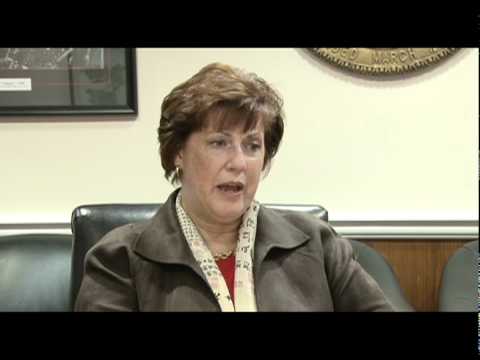
Watch the entire Science in the Triangle interview with Terri Lomax here:
Big pharma goes back to college
Saturday, June 4, 2011, 3:53 pm No Comments | Post a CommentNorth Carolina’s Research Triangle is one of several research hubs in the U.S., Canada and the United Kingdom, where large drugmakers have hooked up with universities in the past year to boost drug discovery and shore up dwindling product lineups.
Pfizer signed a research collaboration with the University of California, San Francisco. Sanofi-Aventis has done the same with Harvard University, UCSF and Stanford University. GlaxoSmithKline and AstraZeneca called on the British University of Manchester. GSK, which is based in London and has its U.S. headquarters in Research Triangle Park, also struck up a strategic partnership with 16 academic institutions in Toronto.

Tom Denny
In the Research Triangle, Novartis went to Duke University.
“We had the right infrastructure,” said Tom Denny, chief operating officer of the Duke Human Vaccine Institute. Duke and Novartis will be working together on pandemic flu vaccines.
Big pharma companies have begun to troll for marketable innovation at universities - places where science and research are a taxpayer- and tuition-funded way of life - after spending increasing amounts of money on their own and other companies’ research and development with meager results.
Consolidation, R&D reorganizations, acquisitions of technologies and whole companies - large drugmakers have tried many strategies in the past decade to rejuvenate aging product lineups and plump up drug development pipelines. But the average number of innovative new medicines that came to market in the U.S. decreased to 22 in the second half of the decade from 28 in the first half, and that despite annually rising R&D expenses.

As blockbuster drugs lose patent protection, remaining sales drop off a cliff.
With R&D productivity stalled and valuable drug patents about to expire, big pharma three years ago began to cut R&D jobs and lay off thousands. The restructuring is still ongoing with a focus on reducing R&D expenses and boosting sales in emerging markets such as Asia and Latin America.
The driver behind the cost cutting is the U.S. “patent cliff.”
By 2015, cheaper generics are projected to replace prescription drugs worth more than $100 billion in U.S. sales. The losses are expected to send sales on a sharp decline that, drawn as a line, looks like a cliff.
After trying everything else with insufficient success, large pharma companies are now betting on universities for inspiration.
Pfizer agreed to pay UCSF $85 million over five years. Under the agreement, researchers from Pfizer and UCSF will work at UCSF labs to turn research into potential biological medicines.
The University of Manchester will receive about $16 million from GSK and AstraZeneca. The investment will establish a translational research center and recruit scientists who will look for novel treatments for inflammatory diseases, such as asthma and rheumatoid arthritis.
The pharma industry has long had relationships with individual university professors. It’s also not uncommon that university medical school faculty work with industry to test new treatments or that an academic research project attracts the interest of pharma companies. What’s new is that big pharma companies are outsourcing R&D to universities.
The seed for the pandemic flu vaccine collaboration grew out of an HIV/AIDS collaboration between Novartis and Duke, Denny said.

The Novartis vaccine manufacturing plant in Holly Springs.
One of the Novartis HIV/AIDS researchers was a Duke alumnus who knew his alma mater was just 30 miles from the state-of-the-art flu vaccine manufacturing plant Novartis opened in 2009 in Holly Springs. (More on the Novartis plant here.)
Flu viruses can change from year to year and vaccines have to be made to match the anticipated changes in the virus. But it’s only safe for researchers to work with highly contagious, maybe even deadly, flu virus strains in a specially equipped biocontainment lab. Duke has such a lab and the ability to test pandemic flu vaccines on animals.The vaccine manufacturing plant, which Novartis build in Holly Springs precisely because of the site’s proximity to RTP and its three anchor universities, has neither.
In case a new flu virus starts spreading around the world and the Centers for Disease Control and Prevention and the World Health Organization call a pandemic emergency, the agreement gains Novartis priority access to the Duke biocontainment lab within 24 hours for a daily fee.
The agreement also allows researchers from Duke and Novartis to collaborate on longer-term projects paid for by grants from the National Institutes of Health. The rights to any technology would be jointly owned by each partner, Denny said.
“This is, what we would hope, a long-term collaboration,” he said.
An RTP lab to test business ideas
Wednesday, June 1, 2011, 4:57 pm No Comments | Post a CommentA good idea has shelf life. We all know that.
Ideas pop into our heads every day. Only the good ones linger. They survive challenges and reassessment. That’s also true for business ideas, which hold the promise of starting a company, generating income and creating jobs.
Ron Harman
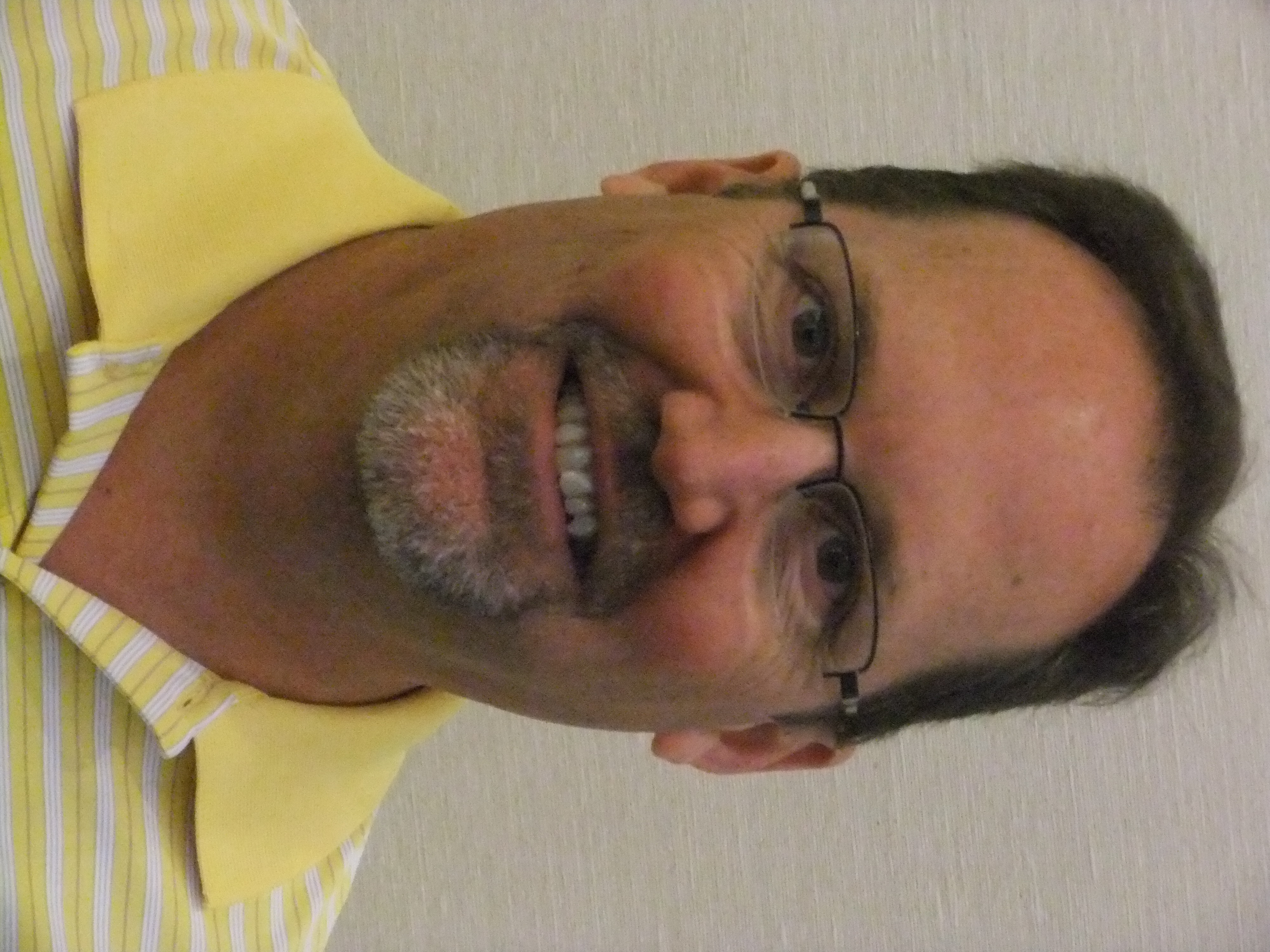
But it’s hard to test how good a business idea really is, because honest feedback is difficult to get, said Ron Harman, owner of CTO Outsourcing, a Durham company that provides software expertise to startups.
“Getting people to tell you how great you are is easy,” Harman said. But few friends, relatives or paid consultants aren’t usually willing to probe an idea for flaws that could kill it.
“Nobody wants to tell you bad news,” Harman said.
To fill that gap, he and six other entrepreneurs in North Carolina’s Research Triangle eight months ago founded the RTP Idea Lab. So far, they’ve held three idea vetting sessions at RTP headquarters.
The sessions attract crowds of a few dozen and combine idea pitches, question-and-answer follow-up and critiques. It’s a concept that’s also being tried in other areas where lots of people work in research and development, including Boston, Pasadena, Calif., Austin, Texas, and at universities, but the efforts aren’t mirror images of each other.
Pasadena-based Idealab has created and operated pioneering technology companies since 1996. Bostinnovation is a digital community hub for ideas that have matured into startups. The Business Innovation Factory in Austin, Texas, is a nonprofit that was founded in 2004 to help innovators test ideas before they turn them into startups. The University of North Carolina at Chapel Hill has an IDEA Group to develop novel biomedical imaging and analysis tools.
The RTP Idea Lab mainly aims to provide a forum where innovators pitch their business ideas to a group of people who are neither experts nor potential investors. Ideas bandied about have ranged from mining company e-mails to prevent theft of intellectual property to matching up retired executives with startups and nonprofits in need of short-term mentoring.
Jim Ingram
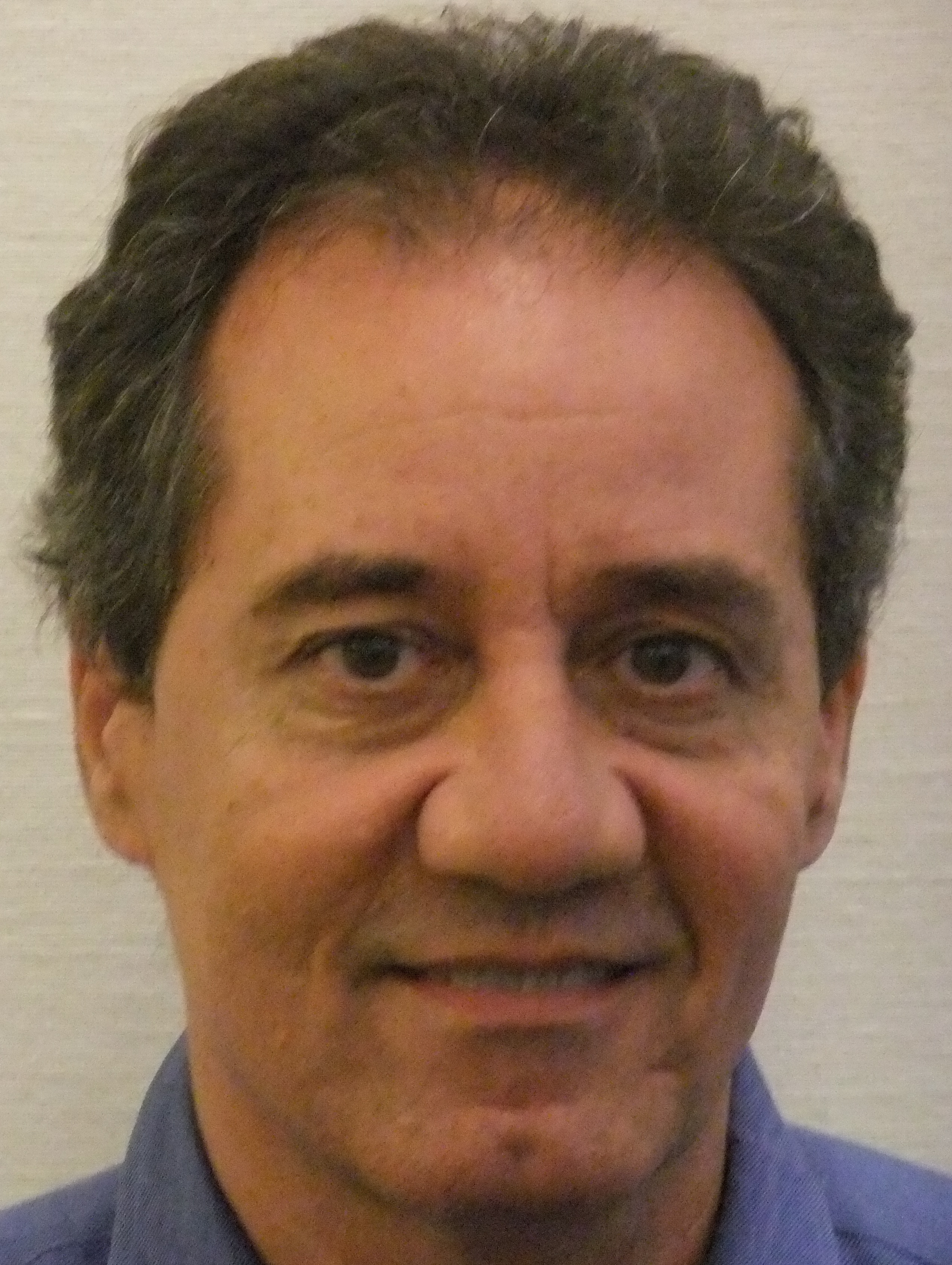
“Getting into a group and talking about ideas was very attractive,” said Jim Ingram, a technical writer and a RTP Idea Lab board member. At the most recent session in May, Ingram pitched his idea to reconfigure the hierarchy with which computers file information.
“An idea without an interaction with others is just a thought,” Ingram said. ” It dies in the brain if it isn’t talked about.”
The founders of the RTP Idea Lab, most of them local technology entrepreneurs, also want to stimulate the birth of new companies and the creation of jobs in the Triangle. The area’s unemployment rate has come down slightly in the past year, but it remains above 7 percent, according to April state unemployment figures. That compares to 9.5 percent unemployment statewide.
With federal and state budget cuts looming, it’s not likely that the government and public universities, important contributors to the Triangle’s economy, will be of much help. But technology startups are on a roll. Another Internet gold rush is on, stocks are up, investors are eager and startups are sprouting from New York to Durham.

Anthony Edwards
The Triangle offers plenty of services to form a startup and find a home for it. What the area lacked was a place where people with ideas could ask other people, “What do you think?,” and get a honest answer. That’s where the RTP Idea Lab fits in, said Anthony Edwards, board chairman of the RTP Idea Lab.
Edwards is an IT consultant and a founder of Morrisville-based Tavve Software. He’s also involved in RedOak Logic, a Chapel Hill startup that targets the drug development industry but has yet to be funded.
Having RTP Idea Lab sessions “is good for the community, for RTP,” he said. “It encourages people to form companies.”
He wants to add to the feedback sessions and form partnerships with serial entrepreneurs, venture capitalists and angel investors to also provide seed funding.
Does the FDA ensure that nanotech medicines are safe?
Sunday, May 22, 2011, 11:35 pm No Comments | Post a CommentNanotechnology promises to make medicines more effective, reduce side effects and allow earlier diagnoses of diseases. But nanotechnology also raises multiple questions most of which, for now, remain unanswered.
Katherine Tyner
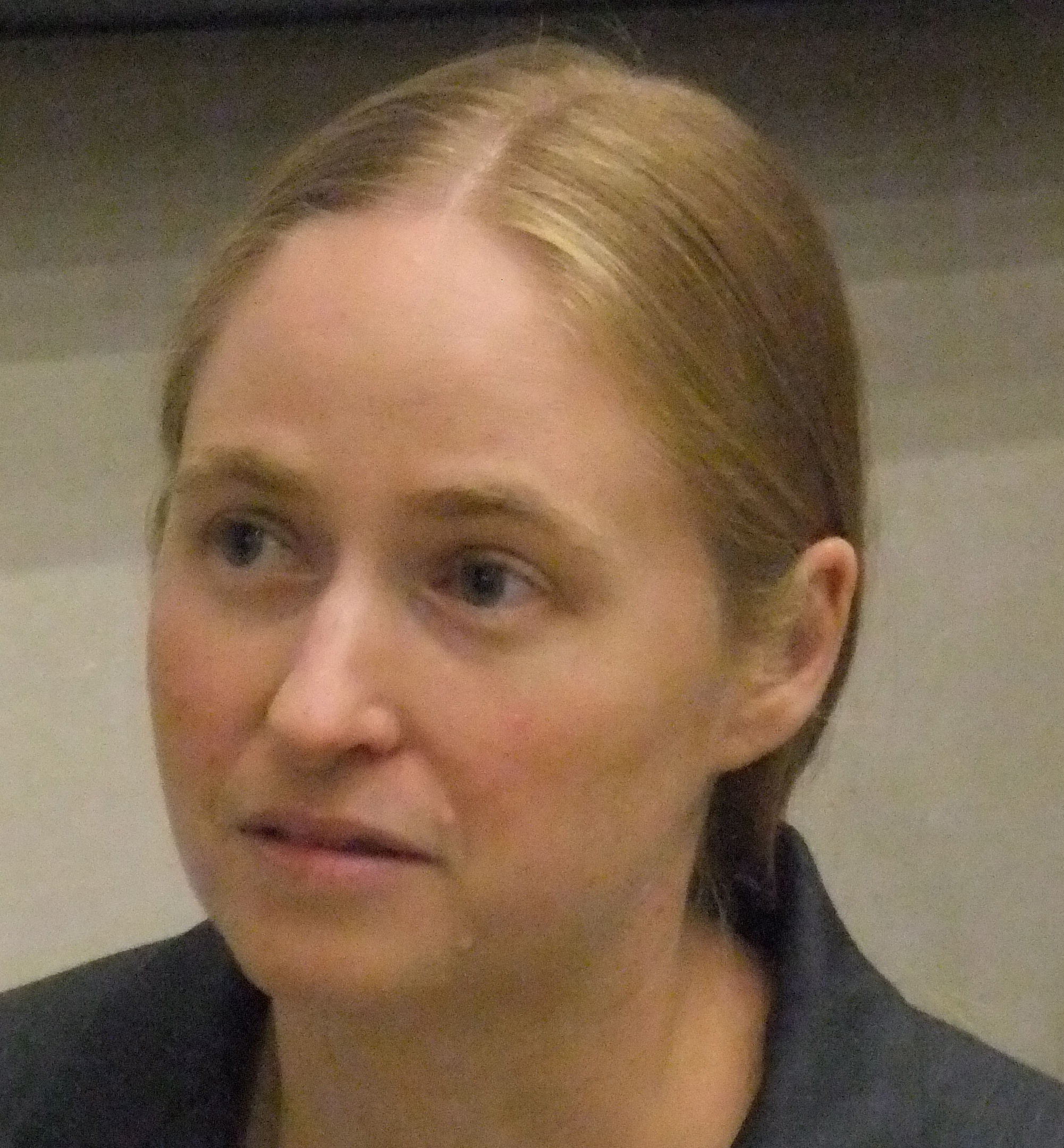
When the N.C. Center of Innovation for Nanobiotechnology, also known as COIN, brought together a panel of regulatory experts in Research Triangle Park, several entrepreneurs and developers sought guidance on how to develop safe and effective nanotechnology products, especially from panel member Katherine Tyner, a chemist who heads a small nanotechnology research group at the Food and Drug Administration’s Center for Drug Evaluation and Research.
Understanding FDA requirements is crucial to get new drugs and medical devices approved for sale, but the FDA doesn’t have specific guidelines for nanotechnology. The agency doesn’t even have an official definition for nanotechnology, Tyner said. To assess safety risks of a nanotechnology product and whether it works, regulators apply existing guidelines for products without nanotechnology on a case-by-case basis.
Lawrence Tamarkin
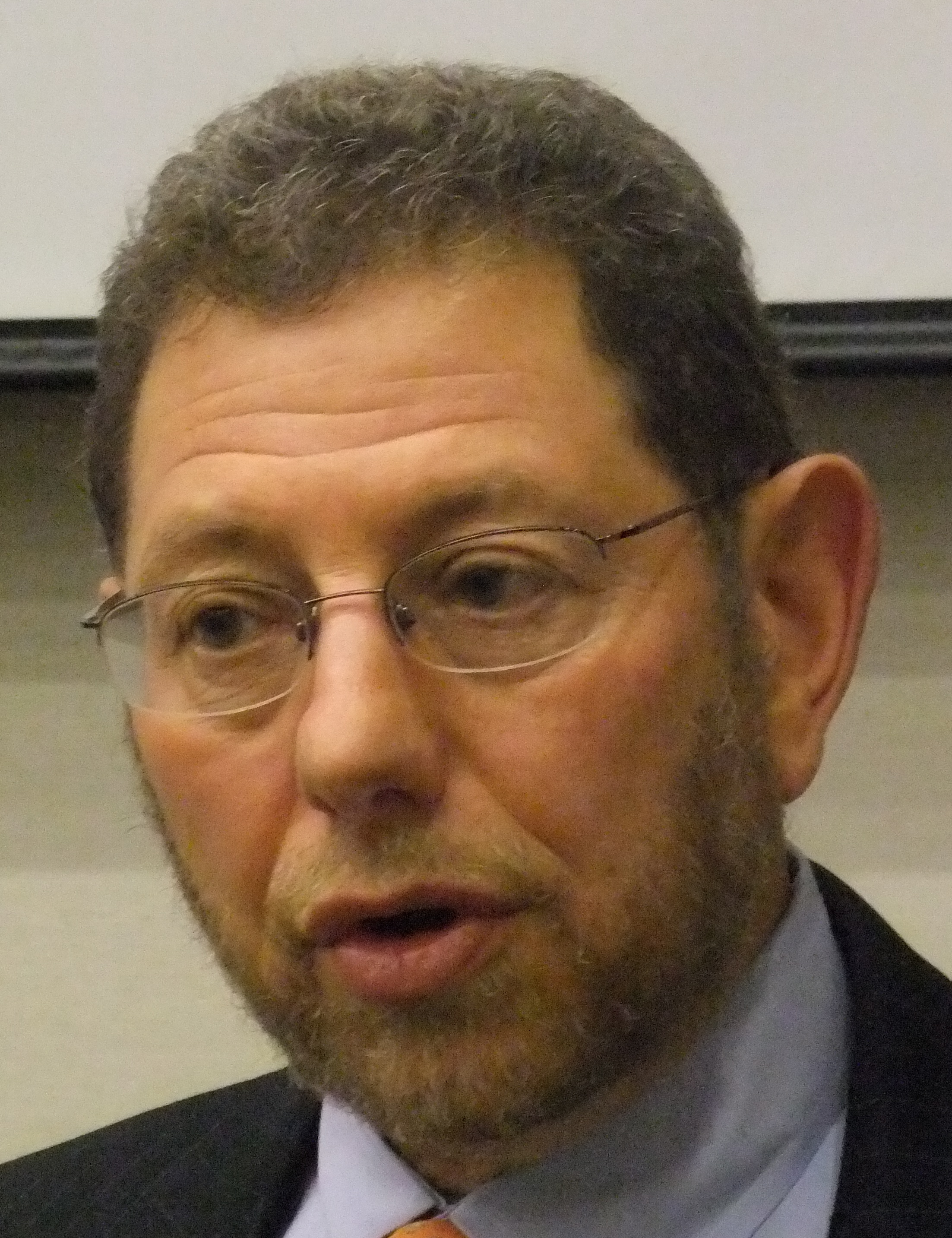
It’s a system that works, said Lawrence Tamarkin, chief executive of CytImmune, a Rockville, Md.-based nanomedicine company, who also sat on the COIN panel on May 17.
Tamarkin suggested the great variety in nanotechnologies doesn’t lend itself to common guidelines. “It’s better the way we do it now,” he said.
Tyner, who researches drug safety but doesn’t review requests to approve nanotechnology products for sale, listed about two dozen medicines, cosmetic products and contrast agents for diagnostic tools that use nanotechnology and have passed muster with the FDA in the past 15 years.
But the list didn’t go over well with Jamie Oliver, a pharmacist and the chief executive of Peptagen, a Raleigh startup working on a nasal spray that delivers nanoparticle vaccines. Oliver, who sat in the audience during the COIN panel, shook his head when asked about Tyner’s FDA-approved nanomedicines list.
“No true nanoparticle [drug] is on the market,” he said.
Nanotechnology has been used for years in material science, electronics and cosmetic products, according to the National Nanotechnology Initiative. Nanoparticles make tennis rackets stronger, fabric wrinkle-free and camera lenses self-cleaning. Engineers have shrunk resistors to nanoscale to make computers smaller and more powerful.
Nanotechnology is also used to make batteries more efficient and to power mobile devices. A nanofabric paper towel cleans up 20 percent more spilled crude oil in an environmental cleanup. Many sunscreens, shampoos and lotions contain nanoparticles.
Though the applications are diverse, they all have one thing in common: The technology is generally only called nano when it measures between 1 nanometer and 100 nanometer.
Single-walled carbon nanotubes
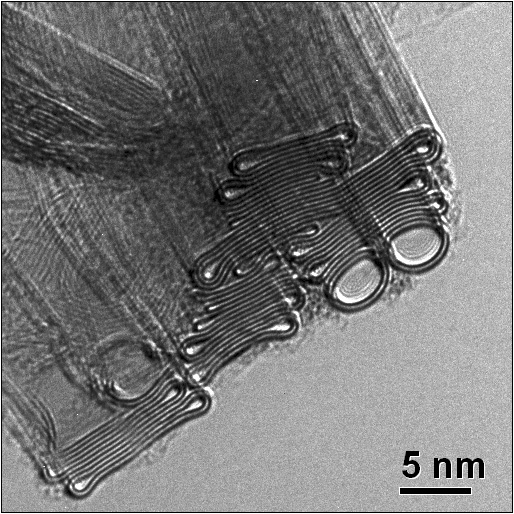
One nanometer is about 100,000 times smaller than a hair is thick. Hemoglobin, the oxygen-transporting protein in red blood cells, fits the official nanoscale, so does HIV, the virus that causes AIDS, and the width of a cell membrane. Single-walled carbon nanotubes and nanosilver are also true nanoparticles.
XinRay Systems, a medical device startup in RTP, uses carbon nanotubes-studded film to develop X-ray machines that are faster and more accurate. (More about XinRay Systems here.)
Nanosilver is a natural germ killer and is used in anything from pacifiers to sunscreen.
Lacking a definition for nanotechnology, the FDA considers even structures ten times larger than 100 nanometer as nanoparticles, such as liposomes, man-made vessels that are filled with drugs. Liposomes tend to measure more than 1,000 nanometers.
But size is crucial to nanotechnology. Richard Feynman, the father of nanotechnology, pointed that out in 1959. In “There’s Plenty of Room at the Bottom,” Feynman wrote that in a very, very small world, “we are working with different laws, …, we have new kinds of forces and new kinds of possibilities, new kinds of effects.”
Half a century later, researchers have just begun to look into some of those forces and effects that only occur on a true nanoscale.
Nanosilver particles
Case in point: nanosilver.
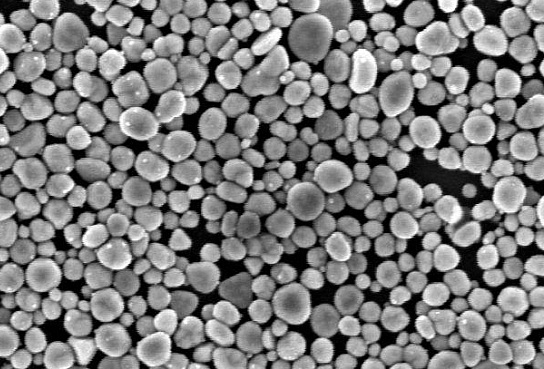
Products that use nanosilver as an antibacterial contain silver particles that are 10 nanometers and 50 nanometers, but also silver particles that are much larger. Nanosilver was considered safe enough to be used in baby products, such as blankets, pacifiers and bottles.
But a 2008 study by researchers from the University of Connecticut’s Center for Environmental Sciences and Engineering raised concerns that loose nanosilver could compromise the human immune system. The smaller particles had that effect but not the larger ones, according to a ScienceNews report.
Since then, the Environmental Protection Agency has started to study the effects loose nanosilver has on the environment. (More on a petition to have nanosilver declared a pesticide here.)
So without a definition for nanotechnology in place, will the FDA catch potential safety risks that are specific to particle size?
Tyner presented an FDA that is very confident in the way it regulates nanotechnology products. But research projects under way at the FDA suggest regulators worry about missing clues for potential risk factors. Researchers at the agency are working on improved methods and tools to detect and measure nanomaterials and assess their safety and efficacy. And they’re developing class-based approaches to risk assessment of nanotechnology products.
NC history of flight extends to space
Thursday, May 19, 2011, 9:26 pm No Comments | Post a CommentNASA’s interest in North Carolina goes back to the 1960s, when U.S. astronauts came to the University of North Carolina at Chapel Hill to learn at the Morehead Planetarium how to navigate in space by looking at stars, according to a N.C. Museum of History report. In the past 25 years, a handful of North Carolinians flew on space shuttle missions, including Beaufort native Michael Smith, who died in 1986 when the Challenger exploded shortly after liftoff.
To prepare for and support NASA missions, researchers at N.C. State University have studied how to more precisely land a vessel on Mars and how to grow plants in a spacecraft operating in zero gravity.
But NASA’s involvement in North Carolina goes further. Since 1991, teachers and students at North Carolina universities, community colleges and public schools have received about $15 million to study science, technology, engineering and mathematics, to research issues related to space missions and to work in companies contracting with NASA.
Funding for the research grants, scholarships and summer internships has been provided through the N.C. space grant, a program administered at NCSU.
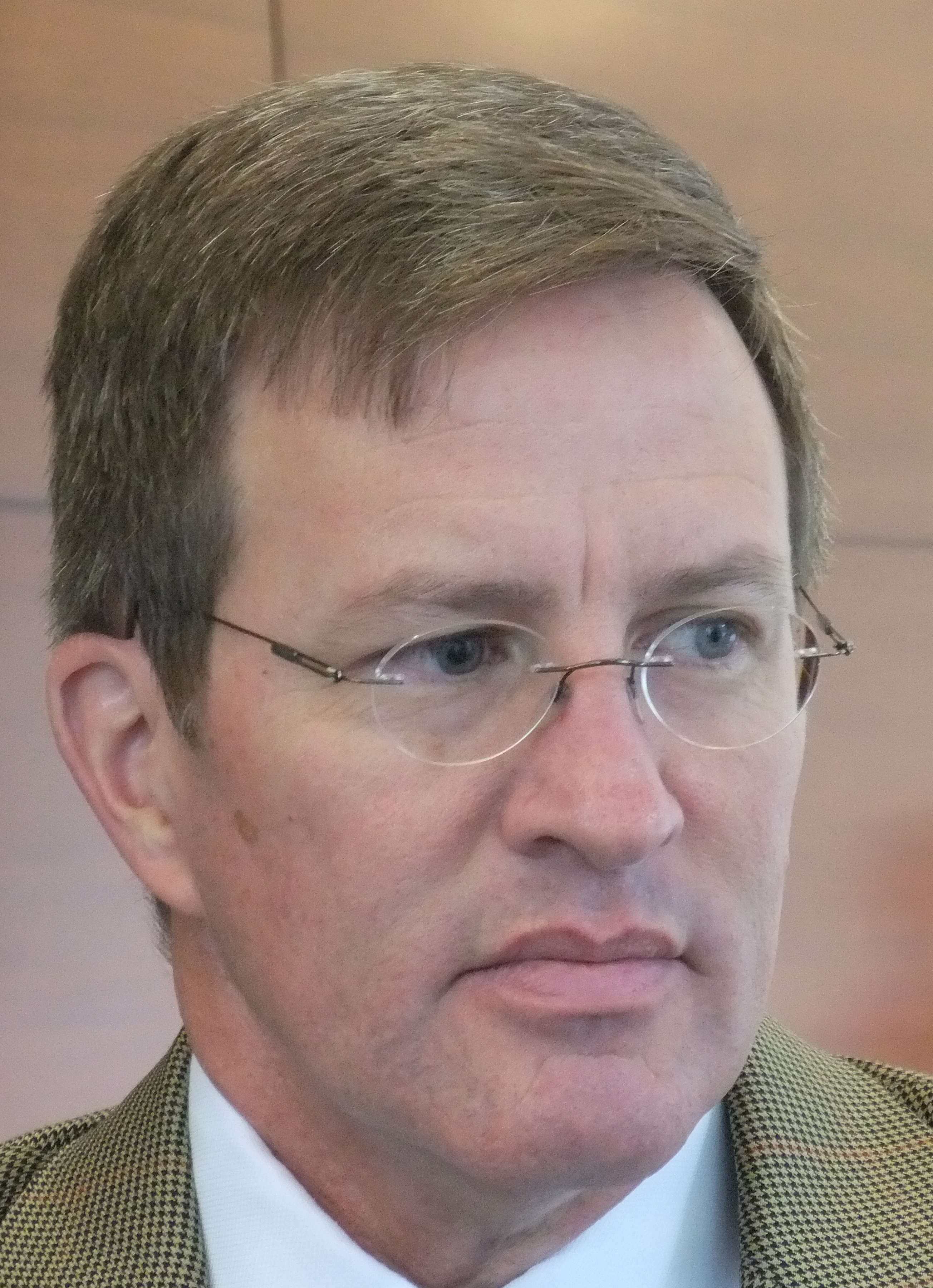
Christopher Brown
“The goal is to keep the pipeline filled for NASA,” Christopher Brown, director of the N.C. space grant, told members of the Triangle Area Research Directors Council who gathered this week at Research Triangle Park headquarters.
But “this isn’t just rockets and aerospace,” Brown said. Space grant projects in North Carolina include satellite tracking of red wolves and the development of an undergraduate robotics course at Duke University.
As a professor of plant biology at NCSU, Brown teaches a space biology class and some of his plant experiments will travel to the international space station on the last shuttle flight scheduled to take off in August.
NASA funds the N.C. space grant and similar programs in all other states through its annual budget.
In the past five years, the total for these grants has increased from about $30 million to $45.6 million. North Carolina’s portion is about $800,000 annually, Brown said. That includes a state match. The match used to be about $200,000 per year, but budget cuts have reduced it to $180,000.
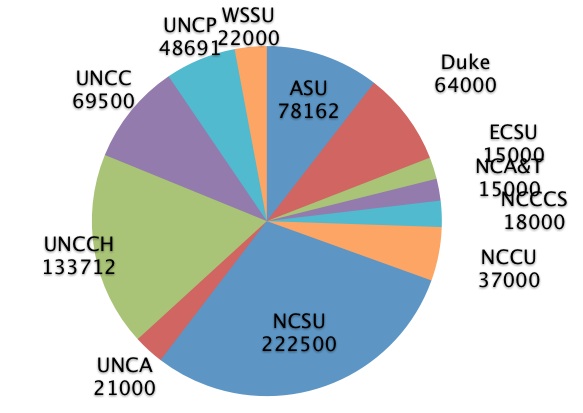
N.C. space grant beneficiaries
Federal cuts are also looming, but Brown said he didn’t think the program would be eliminated, because every Congressional district receives money. For fiscal year 2012, which starts Oct. 1, President Obama’s budget request for the space grant program is $26.5 million, according to NASA budget information. That’s a reduction of more than 40 percent.
In the past, N.C. space grant money has supported research of young university faculty, helped develop new college courses and paid for professional development of K-12 teachers, provided scholarships and summer internships for graduate and undergraduate students and students at community colleges.
Thirteen university campuses across North Carolina are affiliated with the N.C. space grant, from UNC Asheville to Elizabeth City State University.
Eisai’s RTP plant aims to supply the world
Sunday, May 1, 2011, 9:36 pm No Comments | Post a CommentEisai’s new production plant in Research Triangle Park is fully equipped to make Halaven, a new treatment for advanced breast cancer, but the 66,700-square-foot building is still empty of people except for the occasional employee mopping floors. It will stay that way until the Food and Drug Administration inspects the plant and clears it for production.
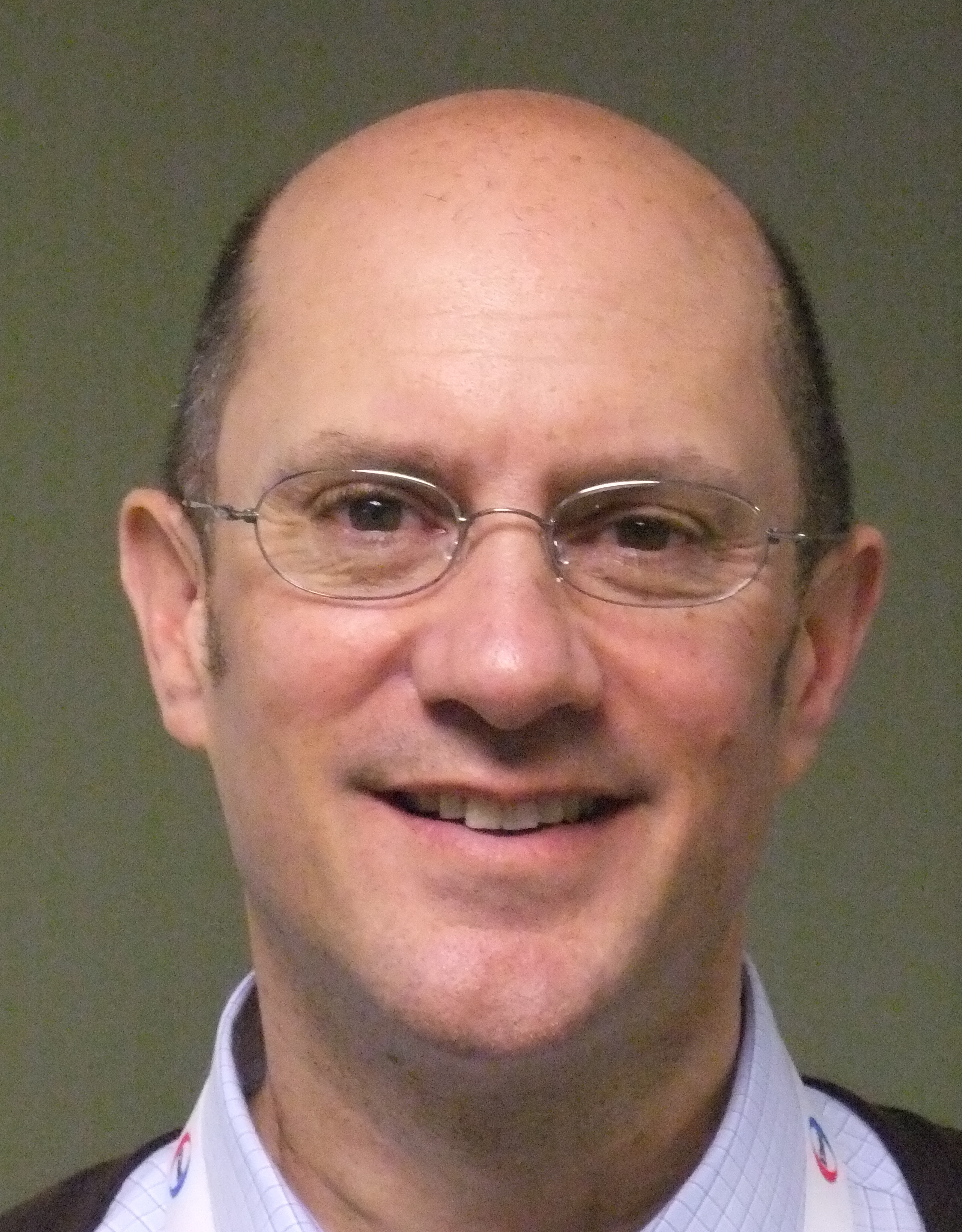
Stephen Errico
The FDA approval, which Stephen Errico, director of Eisai’s parenteral operations, expects in September, will usher in a new era for Eisai and its main U.S. manufacturing site in RTP.
The Japanese drugmaker is switching its attention to injectable drugs after focusing on pills for many years. Injectable cancer treatments such as Halaven are on top of Eisai’s priority list and no matter whether these cancer treatments will come out of Eisai’s own research and development labs or the labs of partners, the new RTP plant will make and package them and ship them, first to the U.S. market and later the rest of the world.
Plans to seek regulatory approval for the RTP plant to produce for the European market are next.
“This facility is very unique and important to Eisai,” Errico said during a recent tour of the plant.
For the past 13 years, Eisai has made and packaged pills in RTP - Aricept, the leading Alzheimer’s treatment, and Aciphex, an acid reflux treatment. Aricept, Eisai’s biggest seller, generated about $2 billion in annual sales in the U.S. But in November, Aricept lost patent protection and Eisai expects to lose about 60 percent of its blockbuster’s sales to cheaper generic competitors over the next two years. In March, Eisai cut 70 jobs at its RTP operations, all of them in the pill part of its business.
Future growth sees the company in the injectables and oncology market.
So do most pharmaceutical companies.
Cancer is the second most common cause of death in the U.S., according to the American Cancer Society. In 2010, more than 500,000 Americans died from the disease and more than 1.5 million Americans were newly diagnosed with cancer. With more than 200,000 new cases every year, breast cancer is the most common cancer in women.
The active ingredient in Havalen is eribulin mesylate, a synthetic version of a chemical made by a black sea sponge. It was first isolated in 1985 by a Japanese scientist and has shown to prevent cell division. Eisai found it screening chemicals made by plants and animals living under water and in the tropical rain forest.
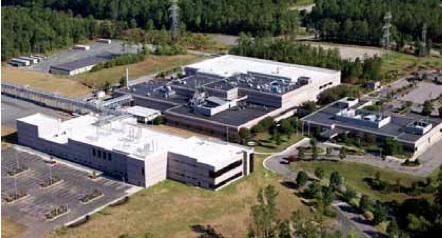
Eisai's operations in RTP include a new plant to make injectable oncology drugs. The new plant, in the foreground, could be expanded where the parking lot is now.
Eisai makes the eribulin mesylate in Japan. The active ingredient arrives in RTP as a powder, is then mixed with alcohol and water, filled in vials, labeled and packaged. All of the employees who will work on the line making Havalen will have to wear special clothing - from scrubs, hairnet, booties and gloves to two layers including a whole-body suit - for protection and to ensure the liquid isn’t contaminated.
Havalen faces competition from two other recently approved treatments for advanced breast cancer, but Eisai projects Havalen will become a blockbuster seller, generating about $1 billion per year. Up to 40 production workers could crank out as many as 4 million vials of Havalen on the RTP plant’s commercial production line per shift, Errico said. A second shift could be added.
A second production line is reserved for smaller batches of injectables used in clinical trials.
Errico estimated that initial demand for Halaven will keep about 25 percent of a shift busy. About 30 people have been hired and trained to work in the new plant. Errico said Eisai is looking for contracts to make other injectible products. “Our goal is to be a multi-product facility,” he said.
A framed architectural drawing on the wall shows three production lines Eisai could add on the southside of the building. But those are long-term plans. “I’ll probably be retired before we fill that,”Errico said.
Bayer continues to shift biotech seed development focus to U.S.
Thursday, April 28, 2011, 2:20 pm No Comments | Post a Comment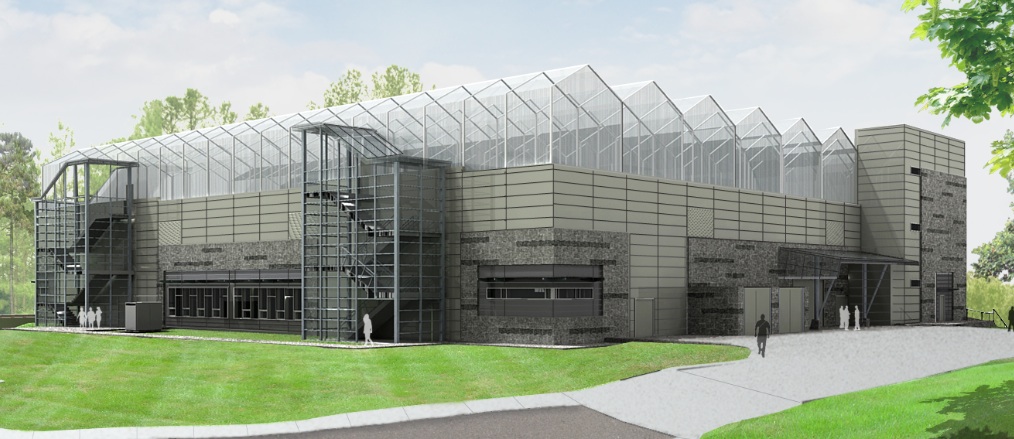
Rendering of Bayer CropScience's new greenhouse.
The 60,000-square-foot greenhouse that Bayer CropsScience is building in North Carolina’s Research Triangle Park represents a critical step in a strategic shift the German Bayer Group initiated two years ago.
The two-story greenhouse is projected to cost $20 million and will quadruple the greenhouse space Bayer Cropscience has in RTP.
Biotech crop seeds have long been part of Bayer CropScience’s business. Much of the trait development - work in the lab and greenhouse to come up with genes that improve crop yield and make corn, soybean, cotton and canola plants more resistant to insects and more tolerant to herbicides, drought and stress - has been done at Bayer’s plant technology innovation center in Ghent, Belgium.
When Bayer stepped up investment in plant technology research and development in 2009, it could have just added on to the Ghent facilities. Instead, the company shifted its focus from Europe to the U.S., where consumers are more accepting of genetically modified crops. So far, Bayer has announced close to $400 million in investments to boost biotech trait development near Bayer CropScience’s U.S. headquarters in RTP.
“We see that as a logical place,” Bayer CropScience spokesman Jack Boyne said from his RTP office.
The number of biotech crop seeds on the market has been rising steadily. In 2007, biotech seeds accounted for about $22 billion in worldwide sales with the top 10 sellers garnering about 68 percent of the global market, according to a report. Bayer CropScience came in seventh, behind Syngenta and market leader Monsanto.
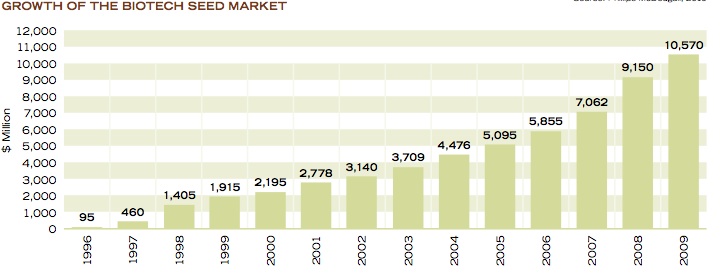
U.S. biotech seed sales
The RTP area, a U.S. biotech hotspot, is home to agricultural biotech operations of four of the large companies - Monsato, Syngenta, Bayer and BASF - and several smaller companies and startups. (More about research at Syngenta’s corporate biotech research center here.)
Eager to catch up, Bayer CropScience in 2009 bought a smaller RTP neighbor with an enviable collection of crop seed traits for $365 million. Athenix, which had research collaborations with Monsato and Syngenta, is now part of Bayer CropScience. So are Athenix’s 65 employees, but Bayer CropScience continues to hire to add a total of 125 employees by 2015. (More about the Athenix acquisition here.)
“We are making an increased investment in bioscience,” Boyne said. “We see this area as a strong growth opportunity.”
So do Monsanto, DuPont and Syngenta.
In 2009, Syngenta bought Monsanto’s hybrid sunflower seed business for about $160 million. In 2010, Monsanto broke ground to expand a soybean seed production facility in North Dakota. And DuPont announced in February that it will invest $50 million to expand its agricultural biotech research center in Delaware.
DuPont expected sales of its ag unit to rise 8 percent to 10 percent per year through 2015.
RTP oncology startup gears up to launch first product
Wednesday, April 20, 2011, 7:15 pm No Comments | Post a CommentEditor’s note: North Carolina’s Research Triangle is home to hundreds of young companies. Scientists and entrepreneurs started them to develop technologies and medicines for better detection and treatment of diseases. Some of the companies work on innovations that are the result of research done at one of the area’s universities. Others are outgrowths of established companies. CivaTech Oncology, a startup that’s been around since 2006, employs two full-time and three part-time and is about to launch its first product, is one of those young companies.
Much of the furniture in the about 2,500-square-feet that CivaTech occupies at Park Research Center, a 13-building complex in Research Triangle Park, is second-hand. As the company’s two full-time employees, Suzanne Troxler Babcock and Seth Hoedl have important-sounding titles - Babcock is executive chairwoman and Hoedl is chief science officer - but they rely on a team of part-time employees and consultants.
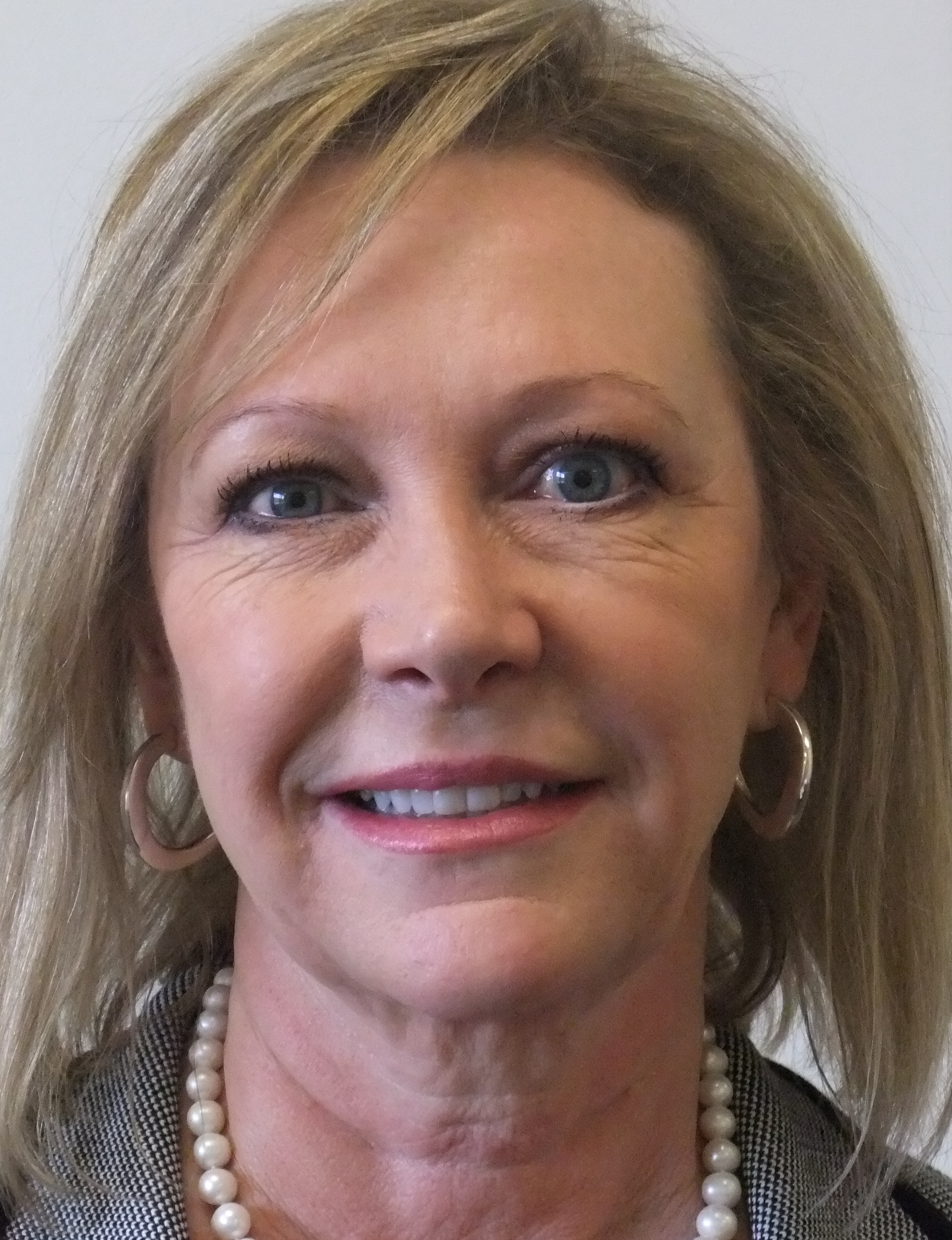
Suzanne Troxler Babcock
Like many startups, CivaTech operates on a tight budget. Since its inception, the company has raised about $2 million from private investors, most of them live in the RTP area.
But things are about to change, said Babcock.
“We think we’ll look quite different as an organization by the end of this year,” she said.
CivaTech is looking for a partner to start selling its first product, a next-generation alternative to radioactive seeds that have been used for about 20 years to help reduce tumors in the prostate, breast and cervix.
The Food and Drug Administration has already approved the product, called Civa-String, and Babcock said the first prostate cancer patient is expected to get a Civa-String implant this fall.
That would make the start-up a competitor in a growing market already occupied by some large, publicly traded companies.
Brachytherapy products, which is what the radioactive seeds are, generated $240 million in U.S. sales in 2008, according to a 2009 report by Bio-Tech Systems, a market research firm in the healthcare field. But by 2016, the market is projected to increase to about $2 billion in sales.
Radioactive seeds to treat prostate cancer accounted for about half of the 2008 sales, Bio-Tech Systems reported.
The biggest suppliers of the seeds are C.R. Bard, a New Jersey-based company that is publicly traded and reported $2.7 billion in sales last year; Oncura, a division of General Electric; and Theragenics, an Atlanta-based company with about $80 million in annual revenue.
The radioactive seeds are about the size of rice kernels - cylinders made of titanium and filled with radioactive material, iodine-125 or palladium-103. Worldwide, about 15,000 prostate cancer patients receive the seeds every year.
The radioactive seeds have side effects, frequent bathroom visits and sensitivity to many fruits and other foods. But the biggest problem with the seeds is that they can migrate, Hoedl said. About 120 seeds are implanted in a prostate for a therapeutic dose, he said. If one or two of them migrate, they can end up in the patient’s lung or kidney and do damage.
Civa-Strings shouldn’t migrate. They’re cheaper to make, because they require half the radioactive material to deliver the same therapeutic dose, Hoedl said. They dispense the radiation more uniformly and they’re made with palladium-103, an isotope that works more than three times faster than iodine-125.

A Civa-String, filled with palladium-103 and gold markers. The gold helps the doctor find the strip once it is implanted. Courtesy: CivaTech
The strings are flexible plastic tubes about the thickness of an angelhair spaghetti noodle that are loaded with palladium-103 and gold pellets. Depending on the dose prescribed for each patient, they come in lengths from less than an inch to about 2.5 inches. Radiation oncologists place the loaded strings with the same kind of 8-inch-long needle as the seeds.
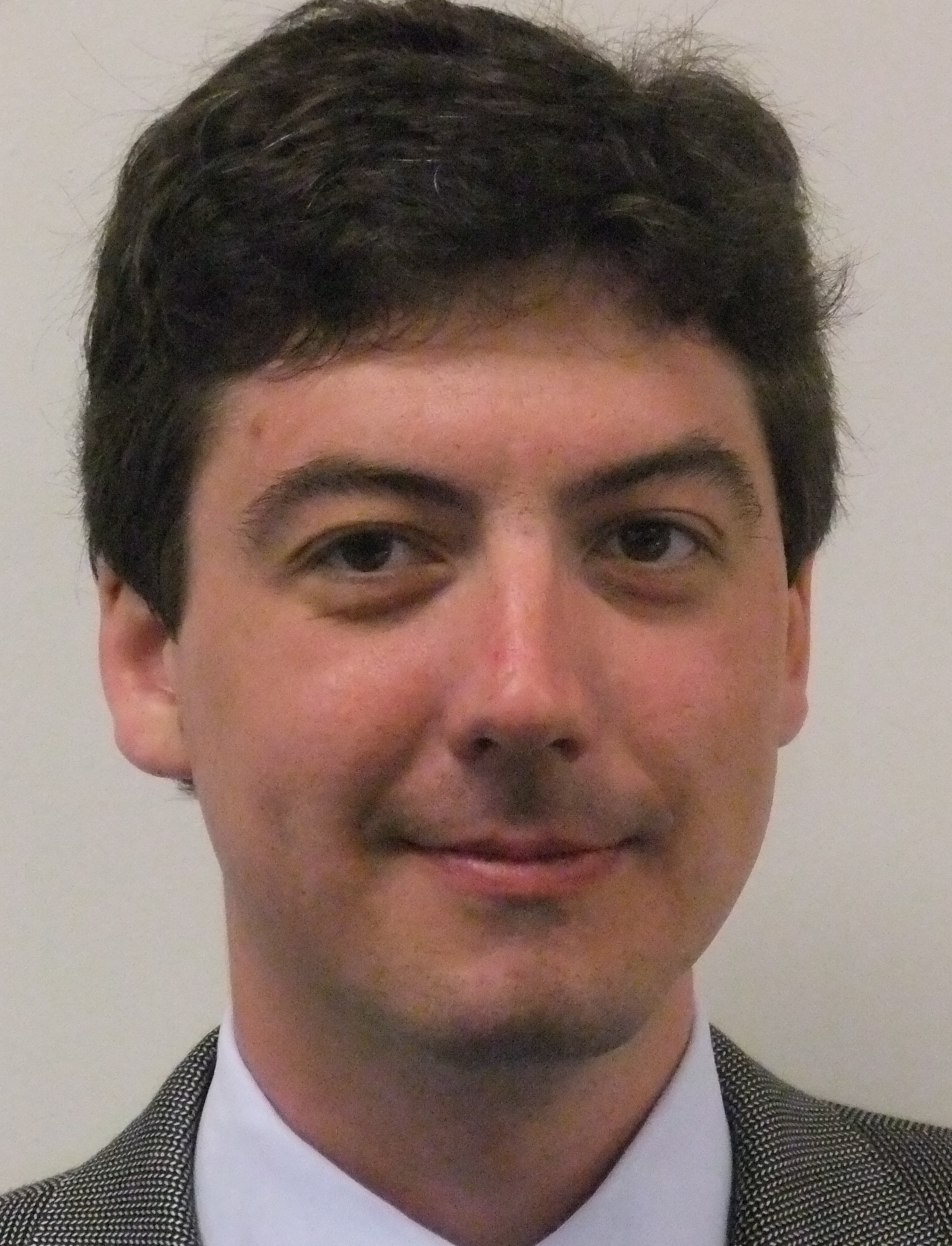
Seth Hoedl
Instead of about 120 seeds, a prostate cancer patient would require only 20 to 25 of the strings, Hoedl said.
CivaTech worked with the N.C. State University’s nuclear engineering department to make sure the palladium-103 doesn’t leach out.
If the launch happens as planned, Babcock expected to hire four more full-time employees this year.
Meanwhile, development of the next product, a sheet with palladium-103 loaded strips, continues. The sheet is aimed at shrinking cancers in the lung, colon and esophagus. Last year, CivaTech received $200,000 from the National Institutes of Health to work on the sheet.


