Author Archive

NC biotech industry eyes unique chance to shape the FDA
Saturday, October 15, 2011, 8:48 pm No Comments | Post a CommentGov. Beverly Perdue’s announcement that a California biotech will set up shop in North Carolina’s Research Triangle was a welcome but short-lived diversion Wednesday during the annual meeting of the North Carolina Biosciences Organization in Research Triangle Park.
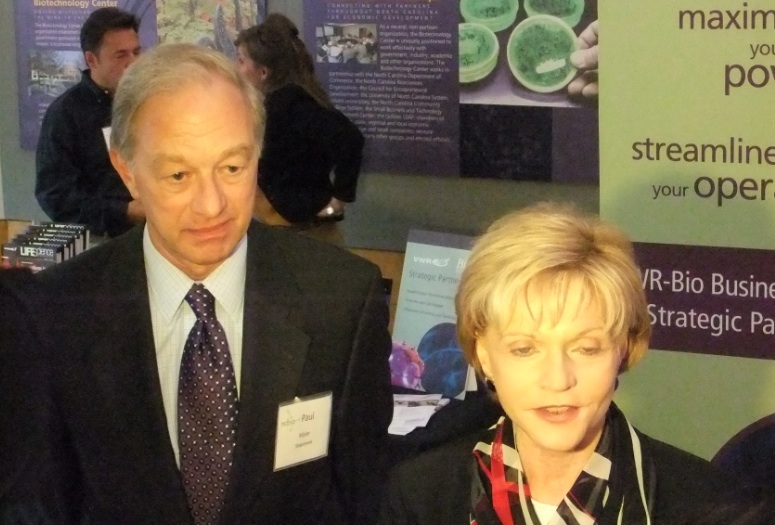
Paul Maier, Sequenom's chief financial officer, and Gov. Beverly Perdue face the TV cameras following Perdue's announcement that San Diego-based Sequenom will open a large lab in the Research Triangle.
Sequenom, a San Diego-based diagnostics company, plans to open a lab on Kit Creek Road next year and start analyzing blood samples from a new, prenatal blood test to detect Down Syndrome. The test would replace more invasive measures such as amniocentesis, which employs a long needle to sample amniotic fluid from inside the uterus.
Sequenom will invest $18.7 million and create up to 242 jobs.
The standing-room-only audience in the N.C. Biotechnology Center auditorium gave Paul Maier, Sequenom’s chief financial officer, a round of applause before Maier and Perdue faced the TV cameras and reporters outside.
Then, the biotech executives inside the auditorium went back to the unique chance that presents itself next year to shape the U.S. Food and Drug Administration.
Andrew von Eschenbach, former FDA commissioner and NCBIO’s keynote speaker, left no doubt that nothing short of a radical therapy will do.
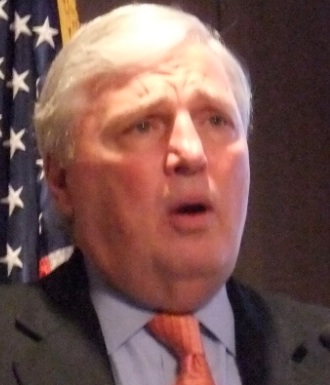
Andrew von Eschenbach
“We’re approaching a crisis situation [in the U.S.] as far as being at the forefront of innovation,” Eschenbach said. The FDA is “in need of a systematic, systemic and formal revision. The moment for modernization is now.”
The FDA has been under close public scrutiny since 2004, when Vioxx was linked to thousands of sudden cardiac deaths before Merck pulled the pain killer off the market.
In 2009, a report released by the Government Accountability Office, the investigative arm of Congress, listed the FDA at risk of failing to fulfill its mission. Chronic underfunding, expanding responsibilities and an aging workforce that wasn’t keeping up with the rapidly advancing science hobbled the agency.
In July, FDAImports.com, a blog written by regulatory consultants, published information that suggested FDA Commissioner Dr. Margaret Hamburg was restructuring the agency’s top management tier. As a Washington Post profile pointed out, Hamburg, a Harvard-trained physician and former New York City health commissioner, had no ties to the pharmaceutical industry when President Obama appointed her.
With changes already under way at the FDA, it could become a watershed year.
In 2012, renewal of the Prescription Drug User Fee Act, or PDUFA, is up. Enacted in 1992, PDUFA established a funding mechanism for the FDA to regulate new medical products and make sure they are effective and do no unnecessary harm. The federal law has been subject to changes every five years, when Congress had to renew it to keep the system going.
The potential for significant changes is particularly large in 2012, because PDUFA for the first time is due for renewal during a presidential election year. And what a turbulent election year it promises to be four years into stubbornly high unemployment, ongoing banking crises and steep government budget cuts.
“This is going to create some interesting politics in Congress,” said J.C. Scott, the head lobbyist for AdvaMed, a trade association representing the medical device and technology industry. Scott was one of several NCBIO speakers addressing regulatory policy recommendations for overhauling the FDA.
Lobbyists for the biotech, pharmaceutical and medical device industries are not about to pass up this opportunity.
Young and small companies are getting squeezed by a lack of innovation capital. (More on innovation that isn’t being funded here.) Facing stagnant research and development productivity and the expiration of valuable drug patents in the U.S., large drugmakers have been cutting jobs for years. (More on the lack of big pharma R&D productivity here.)
The Biotechnology Industry Organization, or BIO, has already drawn up a wish list of changes. According to Cartier Esham, BIO’s senior director of emerging companies, health and regulatory affairs, who also spoke at NCBIO’s annual meeting, policy items on the list include:
- a fixed six-year term for the commissioner,
- the use of electronic health records and smart phones in clinical trials,
- faster approval of products for unmet medical needs similar to how European regulators do it,
- improved advisory committees,
- the establishment of chief medical policy officer positions and
- setting up the FDA with an independent budget. (The FDA is now funded under the U.S. Department of Agriculture.)
“It is our intent,” Esham said, “to get as many of these [policy changes] enacted into legislation as possible.”
RTP biotech companies travel to Bay Area to pitch to investors
Friday, October 7, 2011, 12:16 pm No Comments | Post a CommentYoung biotech companies in North Carolina’s Research Triangle don’t have to read Ernst & Young’s 2011 industry report to know that early stage funding is down, that investors increasingly tranch their payments and make the tranches dependent on milestone accomplishments, that competition from other industries is growing fiercer for venture capital nationwide. (More on what isn’t being funded here.)
But sitting around and complaining doesn’t help, either. So, seven Research Triangle Park area biotech companies decided to do something. Last month, they traveled to the San Francisco Bay Area on their own dime to meet with potential investors.
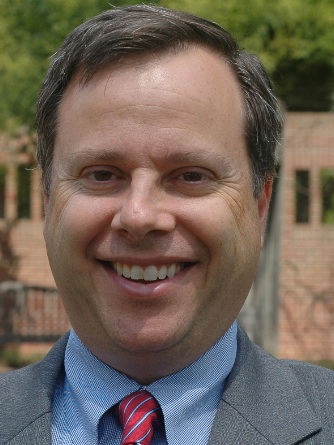
Peter Ginsberg
The trip to Palo Alto, Calif., was the first of its kind the N.C. Biotechnology Center organized, said Peter Ginsberg, the biotech center’s new vice president of business and technology development.
“We wanted to change the way Bay Area venture capitalists think about North Carolina companies,” Ginsberg said. “And maybe, maybe, down the line, knock, knock, knock, get them to open an office here.”
A report that the biotech center submitted to state legislators in January offers clues where investors from outside the state see shortfalls in the North Carolina biotech industry, which is centered in the RTP area and along the Interstate 85 corridor to Charlotte.
Even though in 2010 North Carolina was home to about 500 biotech companies that employed more than 225,000, ranking the state third behind California and Massachusetts, very few of the North Carolina companies generated revenue. Also, among the companies located in the state only 10 were publicly traded, according to Ernst & Young. That’s about 3 percent of all publicly traded biotech companies nationwide.
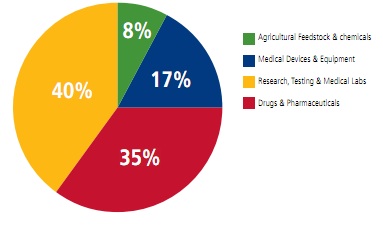
North Carolina's biotech employment is diverse.
Compared to other biotech hot spots, North Carolina lacks local life science entrepreneurs who successfully developed products and brought them to market and who financed multiple entrepreneurial ventures. (More on building entrepreneurial networks in the RTP area here and here.)
And the state’s many research institutions haven’t done a very good job translating their sponsored research into products.
As a former biotech analyst, institutional investor and company executive, Ginsberg has a good grasp of the fallout.
“We don’t have the breadth of life science venture capitalists as California or Massachusetts,” he said.
Add to that travel inconveniences.
The Bay Area is home to many venture capitalists, but without a non-stop flight to Raleigh-Durham International Airport most are reluctant to visit the RTP area, he added. “Venture capitalists travel a lot and it’s not easy for them to get here.”
So, traveling to Palo Alto for a day-long meet-and-greet with investors was similar to Muhammad going to the mountain to preach because the mountain wasn’t going to come to Muhammad.
The event was sponsored by Silicon Valley Bank, which has operations in the Triangle, and attracted more than a dozen venture capital firms, Ginsberg said. He declined to name them.
The seven biotech companies were traditional drug development companies, medical device and diagnostics companies and a company developing vaccines:
- Advanced Liquid Logic in Morrisville is working on a lab-on-a-chip based on nanotechnology developed at Duke University. Founded in 2004, the company has received $15 million in grants and $8.1 million in angel funding.
- CoLucid Pharmaceutical in Durham is testing a migraine drug in patients and working on therapies for chronic pain, Alzheimer’s disease and depression. Founded in 2005, the company has raised $42 million in venture capital.
- Heat Biologics, which relocated its headquarters from Miami to RTP this year, is working on therapeutic vaccines to combat a range of cancers and infectious diseases. Founded three years ago, the company has not released its funding.
- nContact in Morrisville develops and sells medical devices for minimally invasive treatment of heart arrhythmia. Founded in 2005, the company has raised more than $42 million.
- Scynexis in RTP is a drug discovery and development company that has delivered 11 drug candidates to customers in the past five years and is working on its own pipeline of experimental therapies. Founded in 2000, the company collaborates with Merck on a cancer drug and is part of a consortium working on the first pill to treat human African trypanosoniasis, also known as sleeping sickness.
- TearScience in Morrisville in July received regulatory approval to sell its first product, a medical device to treat dry eye patients in an outpatient procedure. Founded in 2005, the company has raised more than $60 million in venture capital. To bring the dry eye device to market, TearScience recently received $15 million in debt financing.
NCSU scientist chases tornadoes to better understand them
Sunday, October 2, 2011, 10:24 pm No Comments | Post a Comment
Matt Parker
Matt Parker, a N.C. State University associate professor, sounded almost nostalgic when he talked about the more than 700 tornadoes that were reported roaring across the South, Southeast and Midwest in April, about four times as many tornadoes as hit the U.S. during an average April.
Parker is an atmospheric scientist and has studied how tornadoes develop to help improve weather forecasts.
“This was a historic year,” Parker told science writers and educators during a Sept. 27 talk at Sigma Xi in Research Triangle Park.
A spring storm season like this year’s doesn’t come around often. That’s a good thing, considering the loss of life and the devastating destruction the tornadoes wrought.
 April 2011 ranks as the most active tornado month on record, according to the National Oceanic and Atmospheric Association. A storm system that moved across Oklahoma, Arkansas, Mississippi, Alabama, Georgia, North Carolina and Virginia in mid-April killed 43 people, 22 of them in North Carolina. One of the tornadoes it spawned April 16 cut a 180-foot-long track through suburban Wake County, Parker said.
A second storm system at the end of the month was even deadlier. It caused a super outbreak of tornadoes in the South that killed more than 300 people in four days, according to NOAA.
A month later, on May 22, a powerful tornado hit Joplin, Mo., killing 157 people. According to NOAA, the Joplin tornado packed winds of more than 200 miles per hour, it was nearly a mile wide and its track lasted 6 miles.
What about climate change? Could that be a cause for the historic outbreak of tornadoes this year?
“We really don’t know,” Parker said.
A tornado is a mere blip in a 100-year data set that tracks changes in the climate, he said. The increase in the number of reported tornadoes, he added, is likely due to better forecasting and warning systems, a higher population density and the increase in the number of storm chasers.
What was devastating and deadly to the people who lived in the tornados’ way could have provided scientists like Parker with a bevy of otherwise hard-to-come-by data.
In May and June of 2009 and 2010, Parker and his team of students were among about 100 scientists who tracked storms with radar, measured wind speeds, sent up weather balloons and fed the information to a database. The study, called VORTEX2, was one of the largest field studies to determine the origin of tornadoes and a follow-on to a more limited tornado hunt in 1994 and 1995. The teams had about $10 million worth of equipment at hand.
April 2011 was never part of VORTEX2′s data collection phase.
Working with tornadoes is often frustrating, Parker acknowledged. May and June 2009 were two very uneventful months - only two storm systems that generated tornadoes.
“Two thousand ten was much better,” Parker said. “On some days we had the pick of tornadoes.”
About 40 storm systems with the potential to generate a tornado, also known as super cells, and about 20 tornadoes occurred in May and June 2010, he said.
A super cell starts similarly to an ordinary thunderstorm. Warm, moist air rises amidst cooler surroundings and the moisture condensates. In an ordinary thunderstorm, the precipitation creates a cool downdraft that cuts off the warm, moist updraft within about 30 to 45 minutes. The storm dissipates.
A super cell thunderstorm develops when strong upper-level winds allow the warm, moist updraft to continue for up to six hours. The stage is set for the downdraft and the updraft to begin rotating.
But the process that produces a tornado in a super cell thunderstorm is not well understood, Parker said.
For example, strong super cells are not associated with tornadoes, he said. Storms with similar structures may differ in tornado production. And the relationship between near-ground wind fields and structural damage isn’t clear either.
Scientists hope that once the VORTEX2 data is crunched and analyzed and published, some of the questions will be answered, Parker said. Especially head-to-head comparisons of data collected from storms that generated tornadoes and storms that didn’t might be fruitful.
Goals of the VORTEX2 study are to extend the average lead time for tornado warnings from about 13 minutes currently to at least 35 minutes and reduce the false alarm rate, which is currently at about 70 percent.
Woodson envisions a new NCSU
Wednesday, September 28, 2011, 9:08 am No Comments | Post a CommentWilliam “Randy” Woodson has been frank about his intentions to shake things up since he moved halfway across the country from Indiana’s Purdue University to become N.C. State University’s chancellor last year.

Randy Woodson
More than doubling NCSU’s endowment to about $1 billion. Recruiting more tenure-track faculty to better serve a student population that has grown rapidly in the past decade. Woodson has repeatedly put these two priorities on the top of his to-do list. He did so again when he spoke Sept. 20 at the Triangle Area Research Directors Council in Research Triangle Park.
But he went further, telling TARDC members how another budget cut - NCSU lost about $80 million, or 15 percent, in the current school year - has made strategic restructuring necessary. To bolster NCSU’s research budget and educate top-notch graduates in science, technology, engineering and math, the NCSU model has to change, he said.
“Our goal shouldn’t be to be the biggest,” Woodson said. “We’ve got to be an engine for the economy of the state.”
The 15 percent budget cut - the largest in three years of state revenue shortfalls - prompted NCSU to pool resources rather than cut across the board. Courses were cut, administrative staff laid off, programs consolidated. NCSU lost about 780 employees, Woodson said.
Tuition increased. Although NCSU received about 20,000 application for about 4,000 student spots this year, Woodson said he knows he’s not popular among students fearful of further increases. But the adjustments were necessary.
“We didn’t ask for the model to be changed,” he said.
To further bolster revenue and research, NCSU is stepping up its efforts of marketing technologies developed in its labs and is getting more involved in helping the state and the region recruit companies. (More on NCSU’s economic development efforts here.)
In 2010, NCSU spun off four companies and took in $5.1 million in royalties, Woodson said. He would like to see the number of spinoffs double to about eight or 10 a year, he added.
To recruit more tenure-track faculty - graduate enrollment has increased nearly 50 percent in the past 10 years while new faculty enrollment rose only 2 percent during the same period - Woodson said NCSU established a faculty recruitment program and funded it with $5 million.
An issue he’s also burning to address: NCSU’s ability to raise salaries to prevent faculty from being raided.
Currently, a raise requires a letter from another university offering a faculty member a job with a higher salary. By that time, the faculty member has very likely already decided to leave and NCSU offering a pay raise comes too late, Woodson said.
Medicago vaccine plant preparing to start production
Tuesday, September 20, 2011, 8:53 pm No Comments | Post a CommentConstruction workers are swarming the two-story building in Research Triangle Park where Medicago plans to start vaccine production in January. In the adjacent greenhouse engineers are testing equipment and some of the first 38 employees are working on trays with 13-day-old wild tobacco plants about 1 inch tall.
Medicago is close to finish building its one-of-a-kind production plant. The French Canadian biotech company, which does its research and development in Quebec City, uses nicotiana benthamiana, a wild tobacco species from Australia, to make influenza vaccine.
The process to extract the vaccine from the leaves of the wild tobacco plants promises to be four times faster than traditional, egg-based vaccine production and require 10 percent of the capital. The RTP production plant will show how well Medicago’s approach is working.
Todd Talarico
Test runs will start in November and continue in December, said Todd Talarico, senior director of industrial process at the production plant.
By January, Talarico projected to have another 40 temporary and permanent employees hired to produce the first 10 million doses of flu vaccine in 30 days.
“We’ll be able to tell whether we’re on track,” Talarico said.
Construction of the plant started in October 2010. Medicago received a $21 million grant from the U.S. Department of Defense to prove it can ramp up production to 10 million doses per month. Alexandria Real Estate, which builds facilities for life science companies, invested $13.5 million. Medicago contributed the remaining $7.5 million.
The plant is one of three built in the past 10 years to make commercial vaccines in North Carolina’s Research Triangle.
New Jersey-based Merck operates a $400 million plant north of Durham that has already undergone one expansion. The $500 million Novartis plant in Holly Springs is projected to start making flu vaccines from cell cultures in 2013. The Triangle is also home to most of North Carolina’s more than two dozen companies in vaccine research and development. (More on the Triangle vaccine hub here and here.)
Unlike Merck, Novartis and Pfizer, which acquired a vaccine plant in Sanford with the purchase of Wyeth in 2009, Medicago will grow its flu vaccine.
Flu vaccines are protein vaccines and proteins can be generated by cells, yeast, bacteria or eggs. Medicago uses a combination of agrobacteria and wild tobacco plants. The technology is the brainchild of Louis-Philippe Vézina, the company’s co-founder and chief scientific officer.
Starting with alfalfa and then switching to nicotiana benthamiana, Vézina was able to coax the plants to make virus-like particles, proteins called hemagglutinin, that prevent flu viruses from binding to and consequently infecting cells.
Hemagglutinin comes in 16 different types, including H1, H2 and H3, which are found on human flu viruses such as the H1N1 virus. H5 is part of the avian flu virus, or H5N1.

Infectious flu virus

Medicago's non-infectious VLP
The virus-like particle, or VLP, the wild tobacco leaves produce is not an inactivated virus. It does not contain genetic material, is unable to replicate and is non-infectious. But in preclinical studies VLPs produced a strong and broad immune response in mice and ferrets.
In 2010, Medicago researchers published a report detailing the benefits of VLPs and their production in wild tobacco plants.
The company has also tested different vaccines in humans, including one for seasonal flu and one for pandemic avian flu. Results from Phase I and II clinical trials, which involved healthy volunteers, suggested the vaccines were safe and effective.
A lot remains to be done before Medicago can gain regulatory approval to produce vaccine for sale. Larger clinical trials to further test how well the VLPs work and whether they cause any side effects are among the requirements.
One step toward regulatory approval is for Medicago to prove that the plant-based process can crank out 10 million doses of vaccine per month. That would amount to about 120 million doses of single-strain pandemic flu vaccine or 40 million doses of triple-strain seasonal flu vaccine per year, a production capacity that comes close to the about 150 million annual doses of flu vaccine Novartis projected to manufacture at its Holly Springs plant.
Medicago’s approach combines botany, biotech and robots used in the Dutch tulip industry.
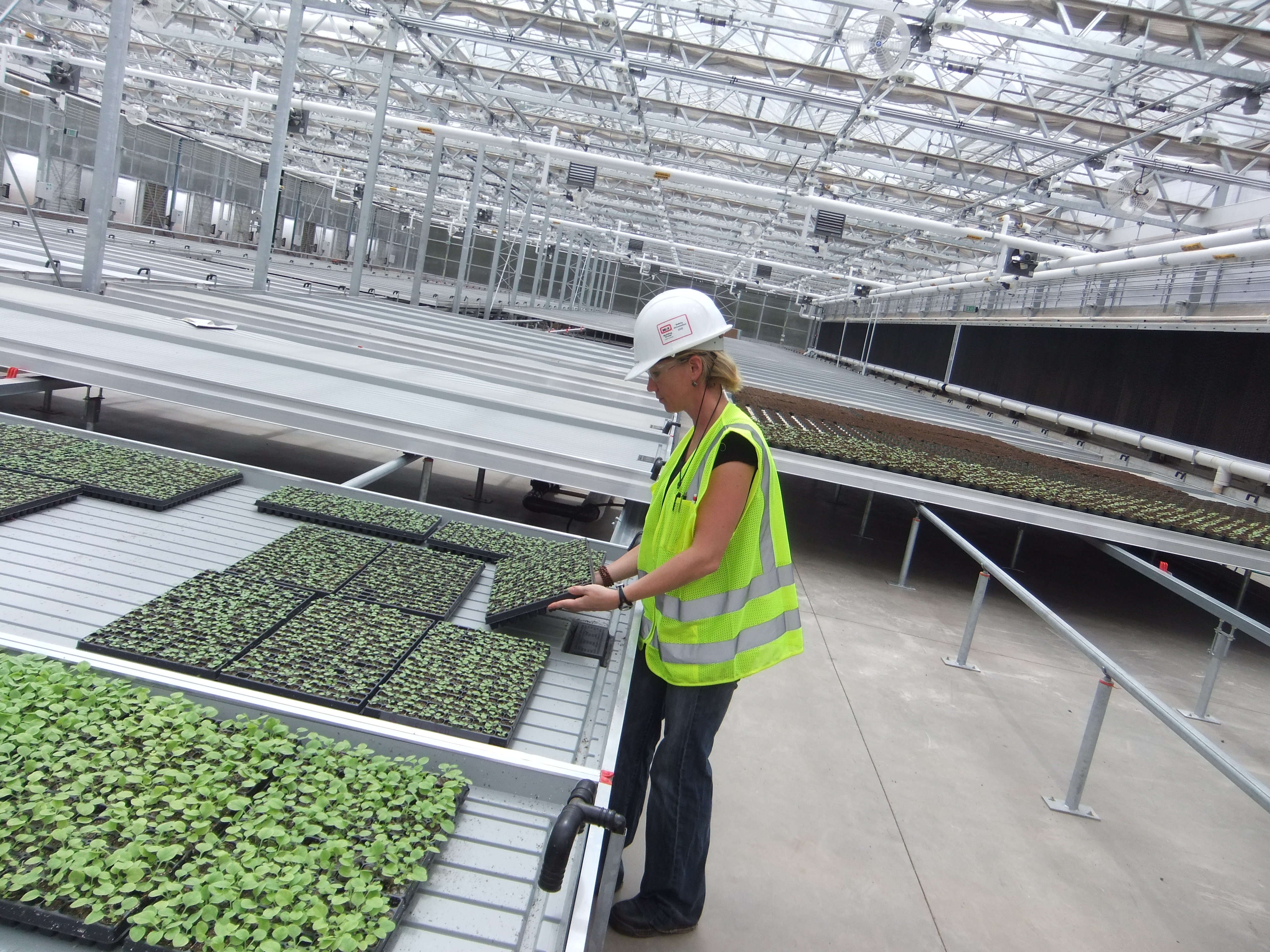
Tanya Blankenship, a greenhouse specialist at Medicago's RTP facility, places a plug tray with 13-day-old wild tobacco plants on a growing table.
Talarico explained the production process during a tour of the greenhouse that will be fully automatic once all the equipment is tested and running smoothly. For now, greenhouse specialists like Tanya Blankenship are doing much of the thinning, transplanting and placing of the plants on large growing tables by hand.
In full operation, the greenhouse will be able to accommodate about 90,000 plants.
Each plant will start as a seed that germinates in a plug tray. When the plants are a few days old, they will begin a two-week trip through the greenhouse.
A robot will transplant each little plant with its plug of dirt into a plastic pot filled with soil. A conveyer belt will transport the pots down the line to get watered and then placed on a growing table.
Lined up one after another, the growing tables will slowly move on rollers through the greenhouse. Machines will make sure the plants get watered and fertilized regularly.
“Nobody has to touch plants,” Talarico said.
When the trip through the greenhouse ends, the potted tobacco plants will be transferred into an enclosed chamber or tank and placed into a solution containing agrobacteria that carry the genetic blueprint to make a particular VLP.
A vacuum will suck the air out of the tank, which will prompt the leaves of the tobacco plants to take up the agrobaceria. This infusion will not alter the genetic makeup of the plant, but within an incubation time of about five days the cells in the leaves will start producing VLPs.
Then, machines will strip the leaves off the stalks, cut them in pieces and placed them into a solution to extract the VLPs.
Medicago already used this process at its R&D facility in Canada to make vaccine for the clinical trials. Now, Talarico said, the company is preparing to repeat the accomplishment at its RTP plant, which has the capacity to produce 25 times more and is 50 percent bigger than originally planned.
RTI to establish biocrude pilot plant in RTP or nearby
Sunday, September 11, 2011, 5:52 pm No Comments | Post a Comment
David Dayton
David Dayton is getting a chance to take the production of biocrude out of the laboratory at RTI International and into a pilot plant.
RTI’s Center for Energy Technology in Research Triangle Park recently received $5 million from the U.S. Department of Energy to bring down the cost of making a crude oil alternative from cellulose-rich biomass, such as wood chips, switch grass or corn stalks, husks and cobs. (More on RTI’s energy research here.)
Scaling up production is also part of the project. Dayton, the biofuels director at RTI’s Center for Energy Technology, plans to establish a pilot plant on RTI’s campus in RTP or nearby to daily convert about 5 kilograms of corn stalks, husks and cobs into biocrude.
The pilot plant is a long way from a commercial biocrude production plant that processes about 2,000 tons of biomass a day. Dayton projected the technology won’t be ready for commercial use before 2020. But, he said, “It’s a step in the right direction.”
To multiply the lab recipe and reduce production costs over the next four years, RTI is getting help from an international crew of technical advisors and collaborators.
Archer Daniels Midland, a Decator, Ill.-based maker of cereals and seed oils, will provide RTI with corn husks, stalks and cobs. The N.C. Biofuels Center will help find additional feedstocks grown in North Carolina, such as wood chips. The Shaw Group, Houston-based engineers who work with the petroleum refining industry, will design the pilot plant.
Most importantly, RTI will get a hand from Haldor Topsøe, a Danish catalyst company, to tweak the biocrude production process and bring down the cost of making and refining biocrude to where the resulting gasoline, diesel or jet fuel could be priced at $3 per gallon to $5 per gallon at the pump.
“Can we get there?” Dayton said. “We’re trying. The proof of concept works, now we have to make something that works commercially.”
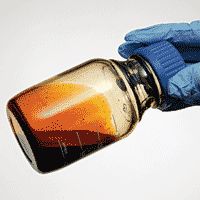
A bottle of biocrude. (Photo courtesy RTI)
He suggested that the crew of technical advisors will give RTI a leg up in developing a biocrude that can reduce U.S. dependence on oil imports. The U.S. imports about 60 percent of the crude oil it consumes. At least two competitors are working on similar projects: KiOR, a Texas-based startup company that raised about $150 million in an initial public offering three months ago, and Honeywell UOP, a technology provider to the oil refinery industry.
Catalytic biomass pyrolysis, the technology used to made biocrude, has roots that go back more than 100 years. It involves heating cellulose under high pressure to break it apart into sugar molecules and parts of sugar molecules. The process is similar to caramelizing. It strips oxygen molecules and leaves hydrocarbons. When it goes too far, it produces carbon.
A catalyst controls and speeds up the process. In the past year, RTI scientists have worked on finding catalysts that help strip more oxygen and make a biocrude whose chemical composition more closely resembles crude.
“Petroleum is basically plant matter that has been sitting under the earth at high pressure and high temperature,” Dayton said. “What we’re doing is recreating what occurs over geologic time in less then a second.”
The problem is, nature has doing a better job stripping the oxygen. Crude has no oxygen in it. Biocrude has 20 percent or less and that makes it more expensive to refine it to gasoline, diesel and jet fuel.
“Our challenge is to reduce the oxygen content as much as possible and maximize the yield,” Dayton said.
Biotech center funds steady, but funding requests are up
Monday, September 5, 2011, 10:04 pm No Comments | Post a CommentThe N.C. Biotechnology Center, a state-funded booster of the research and development enterprise in North Carolina’s Research Triangle, has as much money for grants and loans this fiscal year as a year ago despite a 13 percent budget cut.
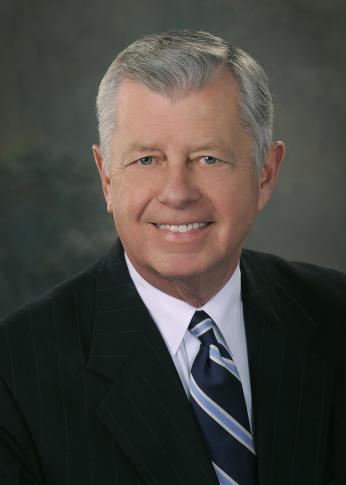
Norris Tolson
Coming up short in tax collections, state legislators approved only $17.5 million for the fiscal year that started July 1, said Norris Tolson, who took over the helm at the biotech center in 2007 after serving six years as state secretary of revenue. But the biotech center made up the difference with about $2.3 million savings that it didn’t have to give back.
“We underspent our budget,” Tolson said about the last fiscal year.
Still, the biotech center will again have to turn down a number of funding requests this year.
Established in 1984 in Research Triangle Park, the state-funded nonprofit has long supported researchers projects on university campuses across the state, paid for equipment, helped recruit companies and university scientists and funded educational activities in K-12 schools, community colleges and museums.
Grants awarded last fiscal years include research grants of up to $75,000 to researchers experimenting with blueberries, fungi and algae to find new treatments for diabetes or to kill cancer cells or viruses. The University of North Carolina bioengineering program at UNC-Chapel Hill and N.C. State University received $195,500 to advance its micromachining capabilities. Duke University received a $145,757 grant to establish an insect transgenesis facility.
The biotech center also earmarked $2.5 million to accelerate development of commercial products from marine biotech research in Eastern North Carolina. (More about the Marine Biotech Center of Innovation here.)
Ken Tindall
About $8.5 million in grants and loans were approved last fiscal year, said Ken Tindall, senior vice president of science and business development.
But demand for funding is up, Tindall said. The biotech center received requests totaling about $13.7 million last year, or about 61 percent more than it approved.
Former GlaxoSmithKline researcher Subba Katamreddy is among those who applied for a loan and got turned down. To start his own drug discovery company, Vijaya Pharmaceuticals, Katamreddy and his wife invested savings and established a lab in the Park Research Center incubator in Research Triangle Park to explore some ideas he had for next-generation antibacterial and anti-inflammatory treatments. (More on Vijaya Pharmaceuticals here.)
“Demand is up across the board,” Tindall said.
Large drugmakers in RTP, like GlaxoSmithKline, are struggling and cutting R&D budgets and jobs like others in the pharmaceutical industry, but the agricultural biotech sector is booming. RTP is home to U.S. headquarters of BASF and Bayer CropScience and Syngenta’s corporate biotech research hub. The area is also a hub for vaccine research and has growing medical device and nanotechnology sectors.
Is the money that built RTP at risk of getting an academic pork barrel rep?
Tuesday, August 30, 2011, 8:49 pm No Comments | Post a CommentA month later than originally planned, researchers from Duke University, the University of North Carolina at Chapel Hill, RTI International and N.C. State University gathered Monday at the National Institute of Environmental Health Sciences in Research Triangle Park to talk about the benefits of federally funded research.
The NIEHS, one of 21 institutes under the National Institutes of Health and the only one outside Bethesda, Md., had planned the roundtable discussion in July, because support for research is under fundamental review. But then the date coincided with the debate that a month ago was raging in Congress over raising the national debt ceiling.
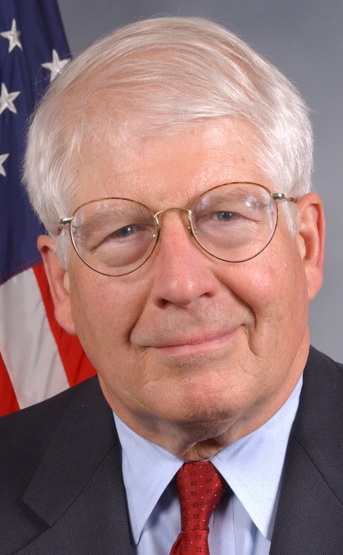
David Price
For roundtable member David Price, a Democratic Congressman who has represented North Carolina’s Research Triangle since 1987, the debt ceiling debate signaled the sentiment shift in Washington, D.C. that also affects research funding.
“There’s nothing in the world that comes close to the NIH’s 100-year history, though other countries aspire,” Price said, talking about the role the NIH have played in supporting health-related research at universities and institutes nationwide with federal tax dollars.
Federal funding for research in disciplines from medicine to engineering has been the foundation onto which Research Triangle Park and its more than 40,000 jobs were built over the past 50 years.
But, Price said, “things we might have taken for granted, parts of the RTP success story, may have to be redefined.”
In 2009, UNC-CH, Duke, NCSU and RTI spent about $2.5 billion on research, according to the latest figures from the National Science Foundation and RTI’s 2009 annual report. Federal tax dollars made up more than two-thirds of the money spent.
The expenditures represented nearly 2.9 percent of the Research Triangle’s gross product that year. In 2009, the metropolitan areas surrounding Raleigh and Durham generated services and goods worth about $86.9 billion, according to figures of the U.S. Bureau of Economic Analysis.
Sponsored research is a formidable economic engine in the Research Triangle, paying salaries and creating jobs when startup companies are formed around technologies that were developed at area universities or research institutes. (More on sponsored research in the Research Triangle here and here.)
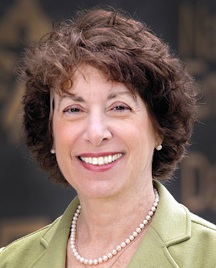
Linda Birnbaum
NIEHS injects about $200 million in federal tax dollars into the local economy per year, said Linda Birnbaum, NIEHS director and member of the roundtable discussion. About 1,400 employees work on the sprawling NIEHS campus in RTP.
“We’re really making an impact, not only economically, but scientifically,” Birnbaum said.
As proof, NIEHS had invited researchers from RTI, NCSU, UNC-CH and Duke to participate in the roundtable discussion. NIEHS has awarded grants to researchers at the three universities anchoring RTP and the research institute that started operations shortly after RTP was established in 1958.
Dr. John Hollingsworth, an associate professor of medicine at Duke, receives funding from the NIEHS to study whether environmental pollutants such as diesel exhaust and ozone cause genetic changes that affect how the immune system works.
His research is tracking the interaction of genetic and environmental factors behind inflammatory diseases such as asthma, especially during vulnerable periods like pregnancy. About 8 percent of the U.S. population suffers from asthma, Hollingsworth said, and his research could lead to new, innovative therapies.
Heather Patisaul, an assistant biology professor at NCSU, studies the effects of hormone-like substances on the developing brain. Among the environmental estrogens she’s tracking are genistein, which is in soy-based foods including soy baby formula, and bisphenol A, a chemical that is in metal food can linings and many plastic containers.
Genistein and BPA are suspected to impair fertility and trigger early puberty in girls.
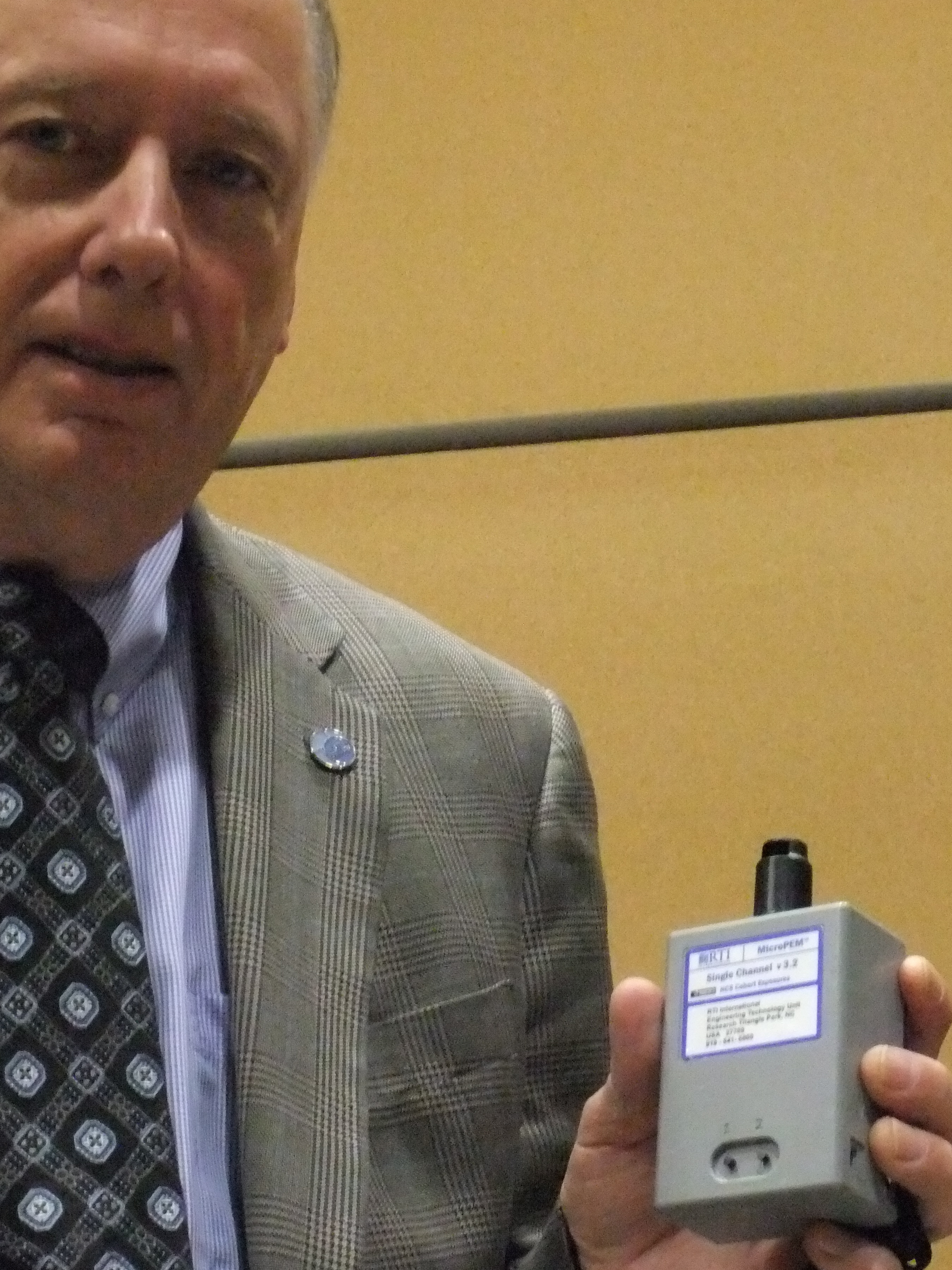
Charle Rhodes shows off the sensor RTI researchers developed to test air quality.
At RTI, researcher have received NIEHS grants to study air quality inside and outside of homes and diseases associated with poor air quality, said Charles Rhodes, a senior fellow at RTI.
Rhodes brought a sensor that RTI developed to run the air quality tests. Similar sensors will be used in a study that is scheduled to start next year in areas devastated by hurricane Katrina six years ago. The sensors will measure the air quality in trailers the Federal Emergency Management Agency provided residents whom Katrina rendered homeless. The trailers have been called “toxic tin cans,” for high formaldehyde levels in the air inside and health problems that have plagued many who have lived in the temporary housing.
UNC has worked with the NIEHS for a long time, training more than 500 researchers, looking for ways to determine susceptibility to environmental diseases, tracking how carcinogens and toxicants make people sick and how environmental toxins interact with human genes.
In the past decade, UNC has received about $112 million in research funding from the NIEHS, said James Swenberg, a UNC professor in environmental sciences and engineering.
Swenberg said he’s been trekking to Washington for 25 years to talk to federal lawmakers and lobby for research funding. In the past, lawmakers were generally eager to learn regardless of their politics.
“Research had never been a partisan issue,” he said. “It’s not going to be the same this time around. That’s really sad.
Republicans, especially in the House, and candidates running for President in next year’s election are “catering to extreme antigovernment views,” Price said. “We have to leave no doubt, that we’re good stewards of our tax dollars and that [research funding] is not some academic pork barrel.”
When light damages the eyes
Tuesday, August 16, 2011, 9:52 am No Comments | Post a Comment
Joan Roberts
Regardless of how many birthday cards, T-shirts and magazines declare that 50 is the new 30, the organs in our bodies start showing their age after 40. One of the first organs to do so is the eye, said Joan Roberts, a visiting scientist at the National Institute of Environmental Health Sciences in Research Triangle Park.
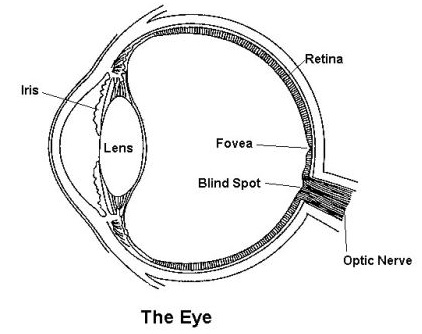
Presbyopia is what we notice - the eye’s lens loses elasticity, which makes it harder to focus on nearby objects and requires us to wear reading glasses. The chemical changes we don’t notice - at least not right away.
Between 40 and 50, the amount of protective antioxidants in our bodies decreases. That makes the eyes particularly vulnerable to damage from light, because it compounds a chemical change in the production of protective pigments that starts at about the same time.
The result, nearly 40 percent of Americans develop cataracts by the time they are 65 or older, according to data of the Centers for Disease Control and Prevention.
Cataracts, or clouding of the lens, can be treated with surgery. But when this increased vulnerability to light damages the retina, cells die and macular degeneration develops. This age-related disorder, which causes tunnel vision around a blurred spot in the center, affects about 5.6 percent of Americans 65 or older, according to CDC data.
Cataracts and macular degeneration aren’t avoidable, Roberts said, but their onset can be delayed.
 Roberts, a chemistry professor at Fordham University in New York City who for 15 years has done part of her research at NIEHS, has more than 25 years experience tracking the good and bad effects of light on the eye.
Ultraviolet radiation is largely responsible for the bad effects, as Roberts described in a 2009 research paper.
The cornea absorbs UV light with the most potential for damage. In adults, the lens absorbs the remainder of the UV light and only visible light reaches the retina. But the eye’s natural defenses start to break down after 40. The chemical changes in the pigments and the loss of antioxidants cause damage to the lens that adds up over time. Clear lenses get cloudy. Cataracts develop.
Drugs, such as the antibiotics Cipro and tetracycline, and medicinal herbs such as St. John’s Wort, can accelerate the lens damage. So can light reflecting off of sand and snow.
Roberts, who said, “It’s my job to turn that 70 into 100,” had several suggestions how to delay the onset of cataracts: Antioxidant boosts through nutrition. Fruit and vegetables high in vitamin E and lutein and green tea were high on her list. Wraparound sunglasses protect on the beach and in the mountains.
Macular degeneration can develop following UV damage to the retina at a very young age or following prolonged damage by visible light called short blue visible light. Age-related changes in the eye’s pigments after the age of about 50 can promote such prolonged damage.
Roberts’ suggestion to delay age-related macular degeneration are Eagle Eye sunglasses, which were developed by NASA and designed for astronauts to block short blue visible light.
$2.5M grant to help generate marine biotech jobs in eastern North Carolina
Tuesday, August 2, 2011, 12:28 pm No Comments | Post a CommentThe N.C. Biotechnology Center in Research Triangle Park announced today that it will spend $2.5 million to help generate marine biotech jobs in the eastern part of the state.
The four-year grant will establish a center of innovation - the fourth in the state - to develop commercial products from North Carolina’s marine life with the help of biotech tools.
John Chaffee
Coastal marine labs are doing research that could be applied in several areas, such as health, energy, aquatic foods and diagnostics, according to John Chaffee, director of the biotech center’s eastern office, which is the fiscal agent for the marine biotech consortium.
The biotech center already spent $100,000 to plan for the marine biotech center of innovation or MBCI. This first grant was used to develop a business plan. With the new award, the MBCI must meet business milestones and ultimately establish itself as an independent, self-sustaining entity. The first milestone will be the hiring of an executive director, who will lead the center in identifying and prioritizing key market sectors, said Chaffee.
The University of North Carolina at Wilmington, the UNC-CH Institute for Marine Science, N.C. State University’s Center for Marine Science and Technology and the Duke Marine Lab helped during the planning phase. East Carolina University technology transfer staff assisted with new innovation center’s business plan.


