Archive for the ‘Research Triangle Park’ Category

RTP biotech companies travel to Bay Area to pitch to investors
Friday, October 7, 2011, 12:16 pm No Comments | Post a CommentYoung biotech companies in North Carolina’s Research Triangle don’t have to read Ernst & Young’s 2011 industry report to know that early stage funding is down, that investors increasingly tranch their payments and make the tranches dependent on milestone accomplishments, that competition from other industries is growing fiercer for venture capital nationwide. (More on what isn’t being funded here.)
But sitting around and complaining doesn’t help, either. So, seven Research Triangle Park area biotech companies decided to do something. Last month, they traveled to the San Francisco Bay Area on their own dime to meet with potential investors.
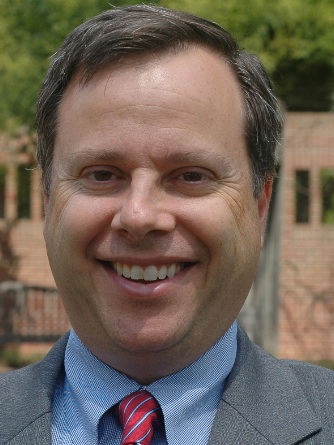
Peter Ginsberg
The trip to Palo Alto, Calif., was the first of its kind the N.C. Biotechnology Center organized, said Peter Ginsberg, the biotech center’s new vice president of business and technology development.
“We wanted to change the way Bay Area venture capitalists think about North Carolina companies,” Ginsberg said. “And maybe, maybe, down the line, knock, knock, knock, get them to open an office here.”
A report that the biotech center submitted to state legislators in January offers clues where investors from outside the state see shortfalls in the North Carolina biotech industry, which is centered in the RTP area and along the Interstate 85 corridor to Charlotte.
Even though in 2010 North Carolina was home to about 500 biotech companies that employed more than 225,000, ranking the state third behind California and Massachusetts, very few of the North Carolina companies generated revenue. Also, among the companies located in the state only 10 were publicly traded, according to Ernst & Young. That’s about 3 percent of all publicly traded biotech companies nationwide.
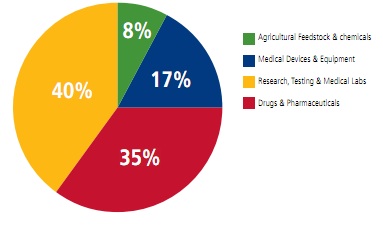
North Carolina's biotech employment is diverse.
Compared to other biotech hot spots, North Carolina lacks local life science entrepreneurs who successfully developed products and brought them to market and who financed multiple entrepreneurial ventures. (More on building entrepreneurial networks in the RTP area here and here.)
And the state’s many research institutions haven’t done a very good job translating their sponsored research into products.
As a former biotech analyst, institutional investor and company executive, Ginsberg has a good grasp of the fallout.
“We don’t have the breadth of life science venture capitalists as California or Massachusetts,” he said.
Add to that travel inconveniences.
The Bay Area is home to many venture capitalists, but without a non-stop flight to Raleigh-Durham International Airport most are reluctant to visit the RTP area, he added. “Venture capitalists travel a lot and it’s not easy for them to get here.”
So, traveling to Palo Alto for a day-long meet-and-greet with investors was similar to Muhammad going to the mountain to preach because the mountain wasn’t going to come to Muhammad.
The event was sponsored by Silicon Valley Bank, which has operations in the Triangle, and attracted more than a dozen venture capital firms, Ginsberg said. He declined to name them.
The seven biotech companies were traditional drug development companies, medical device and diagnostics companies and a company developing vaccines:
- Advanced Liquid Logic in Morrisville is working on a lab-on-a-chip based on nanotechnology developed at Duke University. Founded in 2004, the company has received $15 million in grants and $8.1 million in angel funding.
- CoLucid Pharmaceutical in Durham is testing a migraine drug in patients and working on therapies for chronic pain, Alzheimer’s disease and depression. Founded in 2005, the company has raised $42 million in venture capital.
- Heat Biologics, which relocated its headquarters from Miami to RTP this year, is working on therapeutic vaccines to combat a range of cancers and infectious diseases. Founded three years ago, the company has not released its funding.
- nContact in Morrisville develops and sells medical devices for minimally invasive treatment of heart arrhythmia. Founded in 2005, the company has raised more than $42 million.
- Scynexis in RTP is a drug discovery and development company that has delivered 11 drug candidates to customers in the past five years and is working on its own pipeline of experimental therapies. Founded in 2000, the company collaborates with Merck on a cancer drug and is part of a consortium working on the first pill to treat human African trypanosoniasis, also known as sleeping sickness.
- TearScience in Morrisville in July received regulatory approval to sell its first product, a medical device to treat dry eye patients in an outpatient procedure. Founded in 2005, the company has raised more than $60 million in venture capital. To bring the dry eye device to market, TearScience recently received $15 million in debt financing.
NCSU scientist chases tornadoes to better understand them
Sunday, October 2, 2011, 10:24 pm No Comments | Post a Comment
Matt Parker
Matt Parker, a N.C. State University associate professor, sounded almost nostalgic when he talked about the more than 700 tornadoes that were reported roaring across the South, Southeast and Midwest in April, about four times as many tornadoes as hit the U.S. during an average April.
Parker is an atmospheric scientist and has studied how tornadoes develop to help improve weather forecasts.
“This was a historic year,” Parker told science writers and educators during a Sept. 27 talk at Sigma Xi in Research Triangle Park.
A spring storm season like this year’s doesn’t come around often. That’s a good thing, considering the loss of life and the devastating destruction the tornadoes wrought.
 April 2011 ranks as the most active tornado month on record, according to the National Oceanic and Atmospheric Association. A storm system that moved across Oklahoma, Arkansas, Mississippi, Alabama, Georgia, North Carolina and Virginia in mid-April killed 43 people, 22 of them in North Carolina. One of the tornadoes it spawned April 16 cut a 180-foot-long track through suburban Wake County, Parker said.
A second storm system at the end of the month was even deadlier. It caused a super outbreak of tornadoes in the South that killed more than 300 people in four days, according to NOAA.
A month later, on May 22, a powerful tornado hit Joplin, Mo., killing 157 people. According to NOAA, the Joplin tornado packed winds of more than 200 miles per hour, it was nearly a mile wide and its track lasted 6 miles.
What about climate change? Could that be a cause for the historic outbreak of tornadoes this year?
“We really don’t know,” Parker said.
A tornado is a mere blip in a 100-year data set that tracks changes in the climate, he said. The increase in the number of reported tornadoes, he added, is likely due to better forecasting and warning systems, a higher population density and the increase in the number of storm chasers.
What was devastating and deadly to the people who lived in the tornados’ way could have provided scientists like Parker with a bevy of otherwise hard-to-come-by data.
In May and June of 2009 and 2010, Parker and his team of students were among about 100 scientists who tracked storms with radar, measured wind speeds, sent up weather balloons and fed the information to a database. The study, called VORTEX2, was one of the largest field studies to determine the origin of tornadoes and a follow-on to a more limited tornado hunt in 1994 and 1995. The teams had about $10 million worth of equipment at hand.
April 2011 was never part of VORTEX2′s data collection phase.
Working with tornadoes is often frustrating, Parker acknowledged. May and June 2009 were two very uneventful months - only two storm systems that generated tornadoes.
“Two thousand ten was much better,” Parker said. “On some days we had the pick of tornadoes.”
About 40 storm systems with the potential to generate a tornado, also known as super cells, and about 20 tornadoes occurred in May and June 2010, he said.
A super cell starts similarly to an ordinary thunderstorm. Warm, moist air rises amidst cooler surroundings and the moisture condensates. In an ordinary thunderstorm, the precipitation creates a cool downdraft that cuts off the warm, moist updraft within about 30 to 45 minutes. The storm dissipates.
A super cell thunderstorm develops when strong upper-level winds allow the warm, moist updraft to continue for up to six hours. The stage is set for the downdraft and the updraft to begin rotating.
But the process that produces a tornado in a super cell thunderstorm is not well understood, Parker said.
For example, strong super cells are not associated with tornadoes, he said. Storms with similar structures may differ in tornado production. And the relationship between near-ground wind fields and structural damage isn’t clear either.
Scientists hope that once the VORTEX2 data is crunched and analyzed and published, some of the questions will be answered, Parker said. Especially head-to-head comparisons of data collected from storms that generated tornadoes and storms that didn’t might be fruitful.
Goals of the VORTEX2 study are to extend the average lead time for tornado warnings from about 13 minutes currently to at least 35 minutes and reduce the false alarm rate, which is currently at about 70 percent.
Woodson envisions a new NCSU
Wednesday, September 28, 2011, 9:08 am No Comments | Post a CommentWilliam “Randy” Woodson has been frank about his intentions to shake things up since he moved halfway across the country from Indiana’s Purdue University to become N.C. State University’s chancellor last year.

Randy Woodson
More than doubling NCSU’s endowment to about $1 billion. Recruiting more tenure-track faculty to better serve a student population that has grown rapidly in the past decade. Woodson has repeatedly put these two priorities on the top of his to-do list. He did so again when he spoke Sept. 20 at the Triangle Area Research Directors Council in Research Triangle Park.
But he went further, telling TARDC members how another budget cut - NCSU lost about $80 million, or 15 percent, in the current school year - has made strategic restructuring necessary. To bolster NCSU’s research budget and educate top-notch graduates in science, technology, engineering and math, the NCSU model has to change, he said.
“Our goal shouldn’t be to be the biggest,” Woodson said. “We’ve got to be an engine for the economy of the state.”
The 15 percent budget cut - the largest in three years of state revenue shortfalls - prompted NCSU to pool resources rather than cut across the board. Courses were cut, administrative staff laid off, programs consolidated. NCSU lost about 780 employees, Woodson said.
Tuition increased. Although NCSU received about 20,000 application for about 4,000 student spots this year, Woodson said he knows he’s not popular among students fearful of further increases. But the adjustments were necessary.
“We didn’t ask for the model to be changed,” he said.
To further bolster revenue and research, NCSU is stepping up its efforts of marketing technologies developed in its labs and is getting more involved in helping the state and the region recruit companies. (More on NCSU’s economic development efforts here.)
In 2010, NCSU spun off four companies and took in $5.1 million in royalties, Woodson said. He would like to see the number of spinoffs double to about eight or 10 a year, he added.
To recruit more tenure-track faculty - graduate enrollment has increased nearly 50 percent in the past 10 years while new faculty enrollment rose only 2 percent during the same period - Woodson said NCSU established a faculty recruitment program and funded it with $5 million.
An issue he’s also burning to address: NCSU’s ability to raise salaries to prevent faculty from being raided.
Currently, a raise requires a letter from another university offering a faculty member a job with a higher salary. By that time, the faculty member has very likely already decided to leave and NCSU offering a pay raise comes too late, Woodson said.
RTI to establish biocrude pilot plant in RTP or nearby
Sunday, September 11, 2011, 5:52 pm No Comments | Post a Comment
David Dayton
David Dayton is getting a chance to take the production of biocrude out of the laboratory at RTI International and into a pilot plant.
RTI’s Center for Energy Technology in Research Triangle Park recently received $5 million from the U.S. Department of Energy to bring down the cost of making a crude oil alternative from cellulose-rich biomass, such as wood chips, switch grass or corn stalks, husks and cobs. (More on RTI’s energy research here.)
Scaling up production is also part of the project. Dayton, the biofuels director at RTI’s Center for Energy Technology, plans to establish a pilot plant on RTI’s campus in RTP or nearby to daily convert about 5 kilograms of corn stalks, husks and cobs into biocrude.
The pilot plant is a long way from a commercial biocrude production plant that processes about 2,000 tons of biomass a day. Dayton projected the technology won’t be ready for commercial use before 2020. But, he said, “It’s a step in the right direction.”
To multiply the lab recipe and reduce production costs over the next four years, RTI is getting help from an international crew of technical advisors and collaborators.
Archer Daniels Midland, a Decator, Ill.-based maker of cereals and seed oils, will provide RTI with corn husks, stalks and cobs. The N.C. Biofuels Center will help find additional feedstocks grown in North Carolina, such as wood chips. The Shaw Group, Houston-based engineers who work with the petroleum refining industry, will design the pilot plant.
Most importantly, RTI will get a hand from Haldor Topsøe, a Danish catalyst company, to tweak the biocrude production process and bring down the cost of making and refining biocrude to where the resulting gasoline, diesel or jet fuel could be priced at $3 per gallon to $5 per gallon at the pump.
“Can we get there?” Dayton said. “We’re trying. The proof of concept works, now we have to make something that works commercially.”
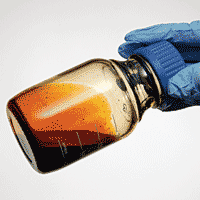
A bottle of biocrude. (Photo courtesy RTI)
He suggested that the crew of technical advisors will give RTI a leg up in developing a biocrude that can reduce U.S. dependence on oil imports. The U.S. imports about 60 percent of the crude oil it consumes. At least two competitors are working on similar projects: KiOR, a Texas-based startup company that raised about $150 million in an initial public offering three months ago, and Honeywell UOP, a technology provider to the oil refinery industry.
Catalytic biomass pyrolysis, the technology used to made biocrude, has roots that go back more than 100 years. It involves heating cellulose under high pressure to break it apart into sugar molecules and parts of sugar molecules. The process is similar to caramelizing. It strips oxygen molecules and leaves hydrocarbons. When it goes too far, it produces carbon.
A catalyst controls and speeds up the process. In the past year, RTI scientists have worked on finding catalysts that help strip more oxygen and make a biocrude whose chemical composition more closely resembles crude.
“Petroleum is basically plant matter that has been sitting under the earth at high pressure and high temperature,” Dayton said. “What we’re doing is recreating what occurs over geologic time in less then a second.”
The problem is, nature has doing a better job stripping the oxygen. Crude has no oxygen in it. Biocrude has 20 percent or less and that makes it more expensive to refine it to gasoline, diesel and jet fuel.
“Our challenge is to reduce the oxygen content as much as possible and maximize the yield,” Dayton said.
Biotech center funds steady, but funding requests are up
Monday, September 5, 2011, 10:04 pm No Comments | Post a CommentThe N.C. Biotechnology Center, a state-funded booster of the research and development enterprise in North Carolina’s Research Triangle, has as much money for grants and loans this fiscal year as a year ago despite a 13 percent budget cut.
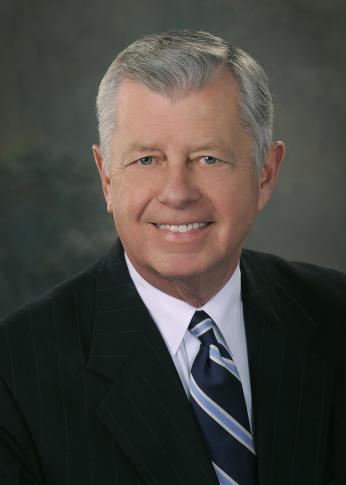
Norris Tolson
Coming up short in tax collections, state legislators approved only $17.5 million for the fiscal year that started July 1, said Norris Tolson, who took over the helm at the biotech center in 2007 after serving six years as state secretary of revenue. But the biotech center made up the difference with about $2.3 million savings that it didn’t have to give back.
“We underspent our budget,” Tolson said about the last fiscal year.
Still, the biotech center will again have to turn down a number of funding requests this year.
Established in 1984 in Research Triangle Park, the state-funded nonprofit has long supported researchers projects on university campuses across the state, paid for equipment, helped recruit companies and university scientists and funded educational activities in K-12 schools, community colleges and museums.
Grants awarded last fiscal years include research grants of up to $75,000 to researchers experimenting with blueberries, fungi and algae to find new treatments for diabetes or to kill cancer cells or viruses. The University of North Carolina bioengineering program at UNC-Chapel Hill and N.C. State University received $195,500 to advance its micromachining capabilities. Duke University received a $145,757 grant to establish an insect transgenesis facility.
The biotech center also earmarked $2.5 million to accelerate development of commercial products from marine biotech research in Eastern North Carolina. (More about the Marine Biotech Center of Innovation here.)
Ken Tindall
About $8.5 million in grants and loans were approved last fiscal year, said Ken Tindall, senior vice president of science and business development.
But demand for funding is up, Tindall said. The biotech center received requests totaling about $13.7 million last year, or about 61 percent more than it approved.
Former GlaxoSmithKline researcher Subba Katamreddy is among those who applied for a loan and got turned down. To start his own drug discovery company, Vijaya Pharmaceuticals, Katamreddy and his wife invested savings and established a lab in the Park Research Center incubator in Research Triangle Park to explore some ideas he had for next-generation antibacterial and anti-inflammatory treatments. (More on Vijaya Pharmaceuticals here.)
“Demand is up across the board,” Tindall said.
Large drugmakers in RTP, like GlaxoSmithKline, are struggling and cutting R&D budgets and jobs like others in the pharmaceutical industry, but the agricultural biotech sector is booming. RTP is home to U.S. headquarters of BASF and Bayer CropScience and Syngenta’s corporate biotech research hub. The area is also a hub for vaccine research and has growing medical device and nanotechnology sectors.
When light damages the eyes
Tuesday, August 16, 2011, 9:52 am No Comments | Post a Comment
Joan Roberts
Regardless of how many birthday cards, T-shirts and magazines declare that 50 is the new 30, the organs in our bodies start showing their age after 40. One of the first organs to do so is the eye, said Joan Roberts, a visiting scientist at the National Institute of Environmental Health Sciences in Research Triangle Park.
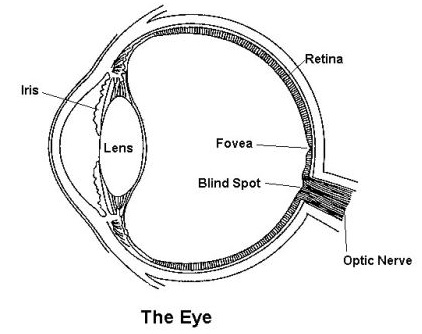
Presbyopia is what we notice - the eye’s lens loses elasticity, which makes it harder to focus on nearby objects and requires us to wear reading glasses. The chemical changes we don’t notice - at least not right away.
Between 40 and 50, the amount of protective antioxidants in our bodies decreases. That makes the eyes particularly vulnerable to damage from light, because it compounds a chemical change in the production of protective pigments that starts at about the same time.
The result, nearly 40 percent of Americans develop cataracts by the time they are 65 or older, according to data of the Centers for Disease Control and Prevention.
Cataracts, or clouding of the lens, can be treated with surgery. But when this increased vulnerability to light damages the retina, cells die and macular degeneration develops. This age-related disorder, which causes tunnel vision around a blurred spot in the center, affects about 5.6 percent of Americans 65 or older, according to CDC data.
Cataracts and macular degeneration aren’t avoidable, Roberts said, but their onset can be delayed.
 Roberts, a chemistry professor at Fordham University in New York City who for 15 years has done part of her research at NIEHS, has more than 25 years experience tracking the good and bad effects of light on the eye.
Ultraviolet radiation is largely responsible for the bad effects, as Roberts described in a 2009 research paper.
The cornea absorbs UV light with the most potential for damage. In adults, the lens absorbs the remainder of the UV light and only visible light reaches the retina. But the eye’s natural defenses start to break down after 40. The chemical changes in the pigments and the loss of antioxidants cause damage to the lens that adds up over time. Clear lenses get cloudy. Cataracts develop.
Drugs, such as the antibiotics Cipro and tetracycline, and medicinal herbs such as St. John’s Wort, can accelerate the lens damage. So can light reflecting off of sand and snow.
Roberts, who said, “It’s my job to turn that 70 into 100,” had several suggestions how to delay the onset of cataracts: Antioxidant boosts through nutrition. Fruit and vegetables high in vitamin E and lutein and green tea were high on her list. Wraparound sunglasses protect on the beach and in the mountains.
Macular degeneration can develop following UV damage to the retina at a very young age or following prolonged damage by visible light called short blue visible light. Age-related changes in the eye’s pigments after the age of about 50 can promote such prolonged damage.
Roberts’ suggestion to delay age-related macular degeneration are Eagle Eye sunglasses, which were developed by NASA and designed for astronauts to block short blue visible light.
Hamner signs Chinese collaborator
Wednesday, July 20, 2011, 4:28 pm No Comments | Post a CommentTwo years after the Hamner Institutes for Health Sciences set up a gateway to China, the Research Triangle Park research institute is adding a Chinese company to its collaborators.
Ascletis will establish its U.S. research and development operations on the Hamner campus. Other operations of the company will be in the National High Tech Industry Development Zone in Hangzhou, a city about two hours southwest of Shanghai.
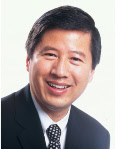
Jinzi Wu
Founded this year by Jinzi Wu, former head of global HIV drug discovery at GlaxoSmithKline in RTP, and Jinxing Qi, a Chinese real estate investor and chairman of the Hangzhou Binjiang Real Estate Group, Ascletis has $100 million in commitments from U.S. and Chinese angel investors. The company plans to establish a global therapeutics business that targets cancer and infectious diseases.
Allan Baxter, former global head of medicines development at GSK, will lead Ascletis’ discovery and development strategy as chief strategy officer.
According to its Web site, the company aims to buy the rights to new treatments, develop them and introduce them to the growing Chinese pharmaceutical market.
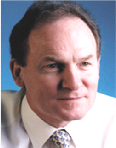
Allan Baxter
Projected to generate about $60 billion in sales this year, the Chinese pharmaceutical market is increasing at an annual rate of more than 20 percent, according to a report by strategic consulting firm The Monitor Group. By 2015, Monitor advisors expect China to rank second in market size to the U.S. and ahead of Japan, Germany, France and the United Kingdom.
Incidence and mortality rates for lung, stomach, liver and breast cancers are comparable or higher in China than in the U.S., the Monitor report pointed out. But competition among pharmaceutical companies is high in China. Nearly all multinationals and numerous local firms are jostling for market shares.
Also, health insurance coverage in China is improving rapidly. In the past two years, the Chinese government invested more than $160 billion in healthcare reform.
Bill Greenlee, the Hamner’s chief executive, and Wu, chief executive of Ascletis, signed the joint venture July 16 at the U.S.-China Governors Forum in Salt Lake City. At the same forum, N.C. Gov. Beverly Perdue and Zhao Hongzhu, the party secretary of the province to which Hangzhou belongs, signed an agreement to foster business and economic development between North Carolina and Zhejiang Province through commercial interactions.
RTP startup gears up to track down cat scratch fever bacterium
Friday, July 1, 2011, 1:09 pm No Comments | Post a CommentEditor’s note: North Carolina’s Research Triangle is home to hundreds of young companies. Scientists and entrepreneurs started them to develop technologies and medicines for better detection and treatment of diseases. Some of the companies work on innovations that are the result of research done at one of the area’s universities. Others are outgrowths of established companies. Galaxy Diagnostics, which chases a stealth bacteria that infects pets and their owners, is one of those young companies.
Galaxy Diagnostics is going where few have gone before, to borrow a phrase from the American science fiction franchise Star Trek.
The startup is an outgrowth of work researchers at the N.C. State University College of Veterinary Medicine have done on Bartonella bacteria, pathogens that live in the digestive guts of lice, fleas, biting flies and ticks and are transmitted through the insects’ poop. Cats are particularly prone to harboring Bartonella; about 40 percent of them carry a strain called Bartonella henselae at some time of their lives. That’s why Bartonella infections in humans are best known as cat scratch fever.
Scientists have found signs of Bartonella infection in a 4,000-year-old human tooth from southeastern France. At the time, the pharaohs were building the pyramids in Egypt. But today’s physicians aren’t much better at diagnosing a Bartonella infection than their colleagues were in ancient Egypt.
To track down the elusive bacteria, the NCSU researchers combined lab skills common in the 1950s with 21st century genetic sequencing technology.
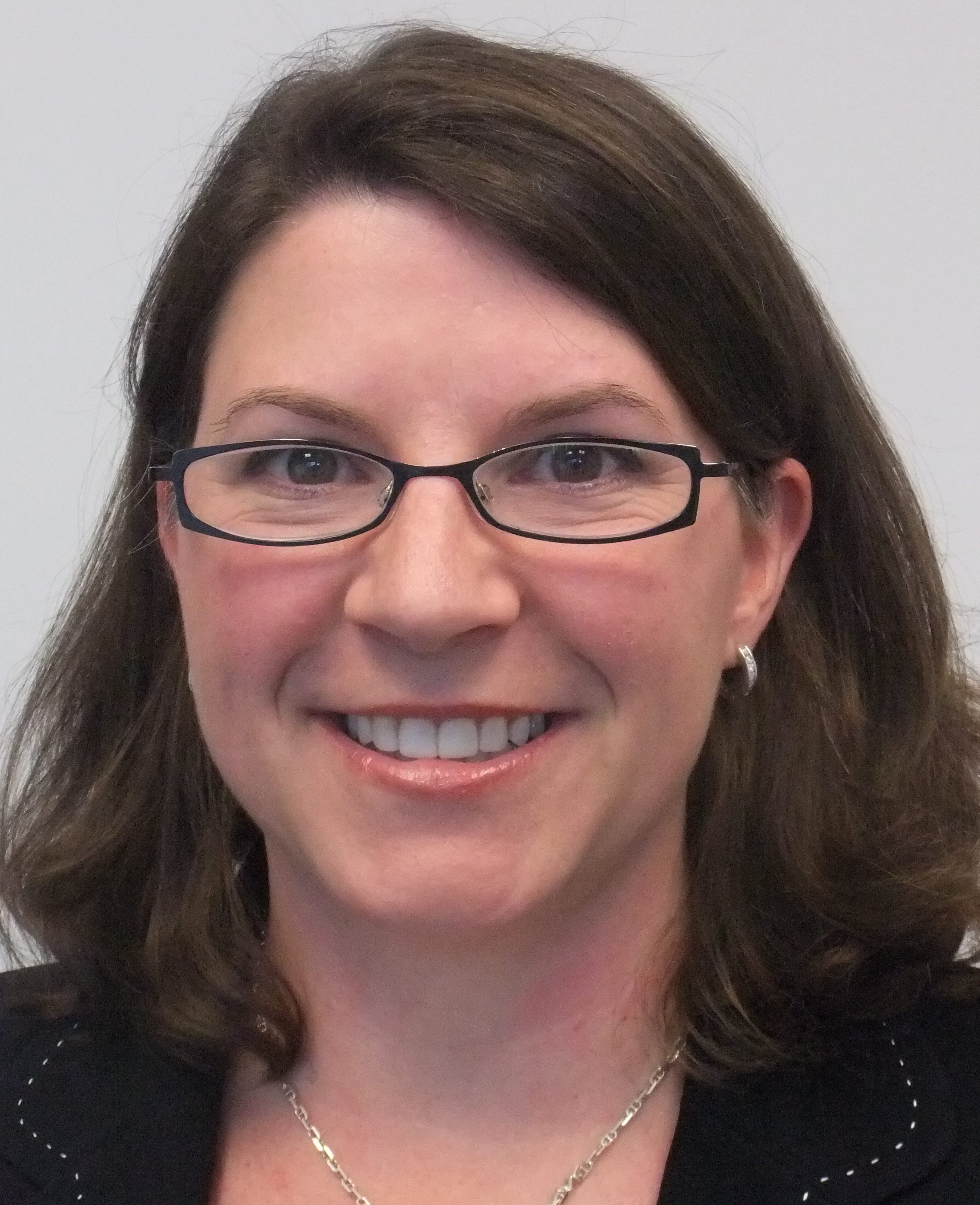
Amanda Elam
In 2009, with little hope of attracting outside investors while the U.S. economy was reeling, the researchers teamed up with a sociologist to launch Galaxy Diagnostics.
Amanda Elam, the sociologist, runs the company. Her title is president, but she calls herself “chief cook and bottle washer.”
To earn her doctorate in sociology at the University of North Carolina at Chapel Hill, Elam studied entrepreneurship. She taught at the NCSU College of Management last year and she continues to publish papers in her academic specialty. The company has received a state loan and a federal grant totaling about $230,000, but unlike the three lab technicians Galaxy Diagnostics employs, Elam doesn’t get paid for the more than 40 hours she puts in as the company’s president.
“It’s field work,” she said.
As Elam’s assessment of her job suggests, Galaxy Diagnostics is an experiment in more ways than one.

Bartonella henselae, a strain that infects cats. Researchers have identified more than two dozen Bartonella bacteria strains.
The test that the company has developed promises to detect a Bartonella infection earlier than other tests, before symptoms progress from a low-grade fever and muscle and joint aches to brain seizures, loss of sight, poor coordination and muscle weakness. But Galaxy Diagnostics also straddles human medicine and veterinary medicine, two health care disciplines that have more in common than most people think.
Animal pathogens can adapt and cause new diseases in humans. Severe acute respiratory syndrome, or SARS, bird flu and swine flu are among the most recent examples. All three diseases emerged in the past decade after viruses jumped from animals to humans.
The quicker viruses and bacteria multiply, the faster the infection develops. Two E.coli can form a colony of hundreds of bacteria in just a few hours. Bartonella bacteria double in numbers just once every 24 hours and infections can take years to develop.
Left to multiply, Bartonella bacteria infect red blood cells and the cells lining blood vessels and they manage to hide where the body’s immune defenses cannot detect them. That’s why tests looking for immune system antibodies to Bartonella bacteria often produce false negative results.
Galaxy Diagnostics goes after the bacteria themselves. The company uses a patented enrichment media in which even small numbers of Bartonella grow in a bottle. Genetic fingerprinting follows to positively identify the bacteria. A multi-drug antibiotic treatment usually gets rid of the bacteria.
More than 250 veterinarians in the U.S., Canada, the United Kingdom and Brazil have already sent Galaxy Diagnostics blood, tissue or fluid samples from pets that the company has tested for Bartonella bacteria.
In the past three to four years, a research lab at the NCSU vet school has run more than 800 human blood samples through Galaxy Diagnostics’ testing process. The samples came from patients suffering from symptoms their physicians couldn’t allocate to a disease. About 28 percent of the samples were positive for a Bartonella infection, Elam said.
By the end of the summer, Galaxy Diagnostics expects to be able to test human samples at its new lab in the Alexandria Innovation Center at a cost of about $600 to $800 per patient.
Former GSK drug researcher pursues ideas big pharma hasn’t
Monday, June 20, 2011, 9:23 am No Comments | Post a CommentEditor’s note: North Carolina’s Research Triangle is home to hundreds of young companies. Scientists and entrepreneurs started them to develop technologies and medicines for better detection and treatment of diseases. Some of the companies work on innovations that are the result of research done at one of the area’s universities. Others are outgrowths of established companies. Vijaya Pharmaceuticals, a drug discovery company founded in 2009 by a husband-and-wife team, is one of those young companies.
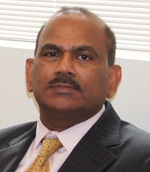
Subba Katamreddy
Former GlaxoSmithKline researcher Subba Katamreddy did what came natural to a medicinal chemist who in 2008 got caught at the beginning of U.S. drug research and development cutbacks that have rocked large pharmaceutical companies since then.
Katamreddy started his own drug discovery company, Vijaya Pharmaceuticals, and established a lab in the Park Research Center incubator in Research Triangle Park to explore some ideas he had for next-generation antibacterial and anti-inflammatory treatments.
So far, Katamreddy and his wife, Vijaya, have financed the startup on their own. Katamreddy is about to start making molecules to develop technology that he can patent and use to attract more investors. But funding early stage startups has gotten more difficult this year despite more money being raised.
So, Katamreddy has begun to take in contract work to generate revenue. He’s determined to keep going and hopes to hire a couple of employees in the next three to five years. “Vijaya,” is Telugu, a language that is spoken in the southern Indian region where the Katamreddies are from, and stands for “victory.”
“Whether you’re in a small lab or a big lab,” Katamreddy said, “an idea is an idea.”
He’s had good ideas before. During his seven years at GSK in RTP, Katamreddy was involved in discovering two experimental drugs. His area of research was metabolic diseases such as adult-onset diabetes. Large pharmaceuticals are investing heavily in finding treatments for diabetes and other chronic diseases, because these diseases are on the rise and require ongoing treatment.
Vijaya Pharma is treading were large pharma hasn’t.
The number of antibacterial drugs the Food and Drug Administration approved for sale declined 56 percent from 1983 to 2002, according to an analysis published 2004. Demand for new drugs is rising with the spread of multi-drug resistant bacteria. (More on the problems superbugs are causing here.)
Katamreddy is particularly interested in a group of antibacterials called macrolides. This group includes erythromycin, an antibiotic that is used to treat pneumonia, venereal disease and urinary tract infections.
Cempra Pharmaceuticals, another young drug development company in the Research Triangle, is testing a macrolide in patients. (More on Cempra Pharmaceuticals here.) There’s also some interest in macrolides outside of the U.S. European researchers are studying a macrolide to treat inflammatory bowel disease and rheumatoid arthritis. But large pharmaceutical companies hesitate to invest in antibacterial research, because successful drugs are used once and for a short time only.
Katamreddy’s other idea is related to a known anti-inflammatory called curcumin, which is the biologically active ingredient in the Indian spice turmeric. Researchers have tested curcumin’s effect on Alzheimer’s patients and cancer cells. Dennis Liotta, a researcher at Emory University, is also studying curcumin as a cancer treatment.
Large pharmaceutical companies have not shown much interest in curcumin, because it can’t be patented and it doesn’t stay in the body long enough. Katamreddy wants to tinker with naturally occurring curcumin, but he’s not ready yet to say how.
EPA funds Hamner research using virtual liver
Thursday, June 2, 2011, 8:52 am No Comments | Post a CommentA researcher at the Hamner Institutes for Health Sciences in Research Triangle Park has received a $750,000 grant from the Environmental Protection Agency to study the health risks that various toxins pose for the liver.
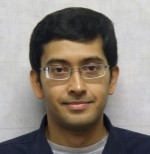
Sudin Bhattacharya
Sudin Bhattacharya, a research investigator in the Hamner’s Center for Dose Response Modeling and the Institute for Chemical Safety Sciences, will use a virtual liver for the research. The virtual liver is a computational model of the human liver that can predict liver cell response to varying doses of environmental chemicals.
The research is funded through the EPA’s National Center for Environmental Research to better understand the possible consequences of global change on human health, ecosystems and social well-being. Bhattacharya focuses on computational modeling of cell signaling and key gene regulatory networks and the disruption of these networks by toxic compounds and drugs.
The virtual liver, which was developed by a team headed by Dr. Paul Watkins, a UNC professor of medicine, is also used as a computer-based simulation of prescription drug-induced liver injuries. (More about the Hamner’s efforts here.)


