Archive for June, 2010

Gephardt visits Triangle on tour to spur medical innovation
Wednesday, June 30, 2010, 2:12 pm No Comments | Post a CommentDick Gephardt is traveling across the country to reinvigorate medical innovation and on Wednesday the former Congressman, U.S. House majority leader and two-time Democratic presidential candidate visited North Carolina, a U.S. biotech hot spot.
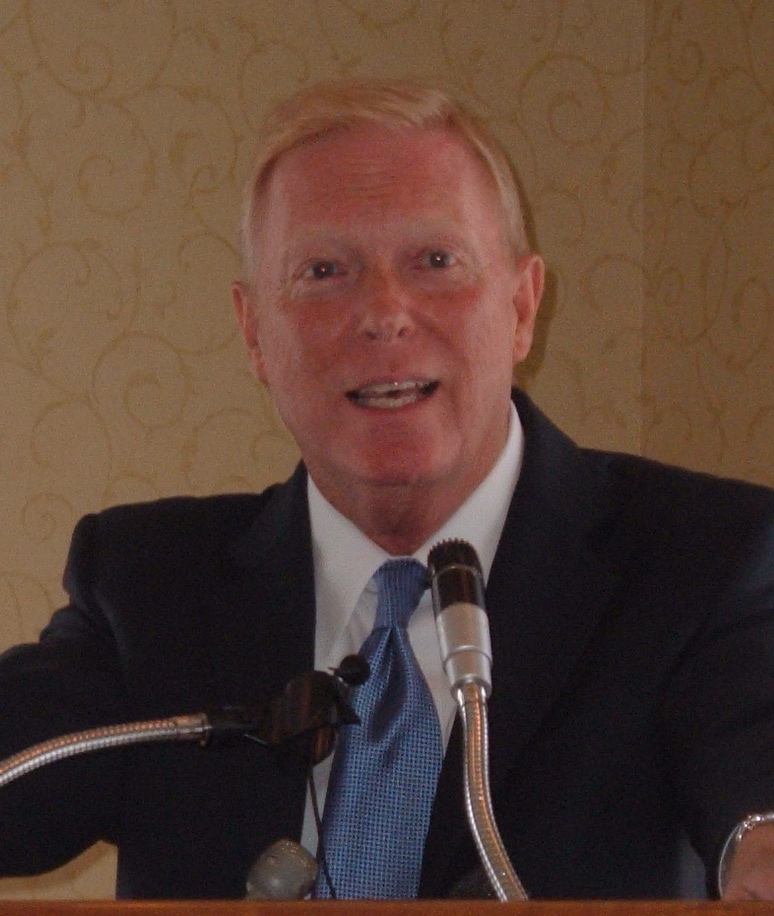
U.S. Rep. Dick Gephardt
He carried a to-do list with him that he plans to take to Congress and the Obama Administration.
Changing the way the Food and Drug Administration regulates the development of new medicines, making the research and development tax credit for companies permanent and establishing a federal office to spearhead public-private partnerships between universities, the National Institutes of Health and R&D companies were among the suggestions on the list.
“It needs to be the new space program in my view,” Gephardt told about 100 people at the packed Capital City Club in Raleigh. Read more…
RTP Week Ahead: June 28 - July 5
Friday, June 25, 2010, 12:14 pm No Comments | Post a Comment
Tuesday, June 29
Seminar: Career Options in the Biomedical Sciences
10:00am - 3:00pm
NIEHS, Rall Bldg. Rodbell ABC
Summer of Discovery Speaker Series. Web.
USAID’s Dr. Rajiv Shah: Webcast Keynote on Global Health
1:00 - 2:30pm
Online (live stream)
Dr. Rajiv Shah, Administator for the United States Agency for International Development (USAID).
Taking place as part of the ongoing CSIS Statesmen’s Forum series. Details.
Wednesday, June 30
Risk e Learning: Ecological Risk: New Tools and Approaches, Session II: Using Ecological-Based Tools and Approaches to Assess Bioavailability
1:30 - 3:30pm
Offsite: EPA Clu-in website
Will cover work conducted in both freshwater and estuarine ecosystems that investigated the factors that influence the trophic transfer of methylmercury from the bottom of the food web up to fish that humans consume.
Presented by NIEHS. Register here.
Postnatal GI Development: The Journey from Steroids to Stem Cells
5:00 - 8:00pm
NIEHS, Rall Bldg. Rodbell AB
Speaker: Dr. Susan Henning. Presented by The Rho Tau chapter of the Graduate Women in Science.
Thursday, July 1
Durham Critical Mass Bike Ride
5:35 - 7:05pm
Ride Starts at the Bronze Bull Downtown Plaza, Durham
A monthly ride which calls attention to the rights of cyclist to the roads as a vital form of transportation.
Friday, July 2
First Friday Video Art at Edge Office: Can recycling culture create change?
6:00 - 9:00pm
Edge Office, 400 Glenwood Avenue, Raleigh, North Carolina 27603
Recycled visuals paralleled with audio backdrops create a filmscape that represents the over-indulgent culture we live in today. This series of films titled Lather, Rinse, Repeat attempts to expose this indulgence by creating artwork entirely made of previously used material and 100% recyclable.
Check out Edge Office’s website for more.
Saturday, July 3
Festival For The Eno
10:00am (Sat. 7/3) - 6:00pm (Mon. 7/5)
West Point on the Eno, 5101 N Roxboro Rd Durham, NC 27704
Crafts, games, music, and more! The Festival features a variety of activities, all with an environmental or cultural connection to the river. All proceeds go to preserve and protect lands along the Eno River.
Children and seniors free. Official website.
——————————-
To view a complete calendar of RTP community events, please visit the Science in the Triangle calendar.

Lyme disease, ecologists, and public health
Friday, June 25, 2010, 9:10 am 2 Comments | Post a CommentLast week I wrote about the impacts of swine operations on our water quality. It’s one example of how land use patterns can disrupt the environment and affect public health. That subject came up again this week during a conversation with Dr. Laura Jackson of the Environmental Protection Agency’s National Health and Environmental Effects Research Laboratory (NHEERL), a unit of the EPA’s Office of Research and Development that is housed in Research Triangle Park.
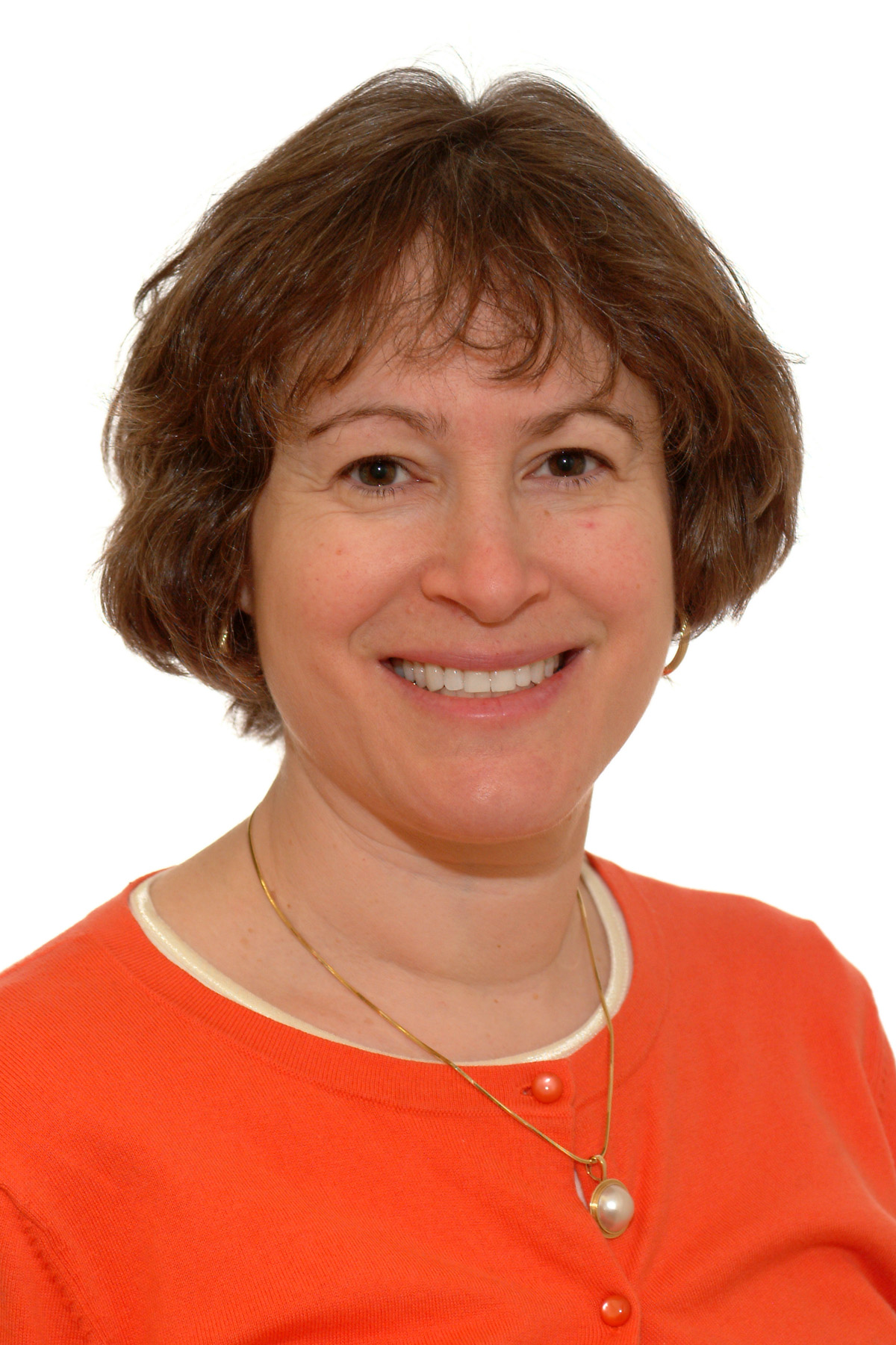
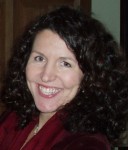
Dr. Laura Jackson of the EPA's National Health and Environmental Effects Research Laboratory (NHEERL), a unit of the EPA’s Office of Research and Development that is housed in Research Triangle Park.
Dr. Jackson and her colleagues in this RTP lab—more than 100 scientists—conduct research on ecosystem services, those benefits provided by the environment over and above the psychological benefits of being out in nature. These services can have tangible and measurable economic value.
For instance, in a normally functioning ecosystem, vegetation would take up nitrogen and phosphorus from animal waste and keep those nutrients from overburdening groundwater and streams. In last week’s example, when hogs were added to an ecosystem, they knocked it out of balance by depositing more nutrients than the vegetation could handle and by removing plants that could take up the nutrients and provide erosion control. The researchers at the Center for Environmental Farming Systems were developing countermeasures to keep the water clean near hog farming operations and restore ecosystem function. Read more…
Conference Sheds Light on Rare Disease with Links to Autism
Monday, June 21, 2010, 12:19 pm 2 Comments | Post a CommentAny time you learn something new, your brain undergoes a sort of remodeling to store the fresh bits of information. This process takes advantage of what most brain scientists refer to as “neural plasticity,” the ability of our brains’ synapses – the connections from one neuron to another – to strengthen or weaken in order to house new memories.
For most of us, our neurons remain malleable throughout our lives, giving us the opportunity for lifelong learning (though it does get harder with age). But for those afflicted with the rare genetic disease Angelman syndrome, the synapses are almost completely incapable of being remodeled. By the time children with Angelman syndrome are toddlers, their synapses have largely lost their plasticity, hardening like concrete into rigid structures that can no longer easily relay new information.
The result is quite tragic – children whose bodies grow and age normally but whose brains are locked forever in the state of a two year old. But there is also reason to hope, as tremendous progress has been made in the understanding of Angelman syndrome, say many of the researchers, clinicians, and parents in attendance at a recent conference on the disorder. The 2010 Angelman Treatment and Research Institute Scientific Symposium, held at the Carolina Inn in Chapel Hill on June 15 and 16, showcased the current research on the genetic disease, with efforts tapping into the latest technological tools from mouse models, brain imaging, stem cells, proteomics and gene therapy.
“Over the span of the conferences I have attended, I really feel like I can see the gap getting smaller between the cellular molecular finding and its clinical applications,” said Heather Adams, a neuropsychologist from Massachusetts who specializes in kids with cognitive impairment. She also has a daughter with Angelman syndrome.
Angelman syndrome is a rare intellectual disorder that affects about one out of every 15,000 people. It is often placed on the autism spectrum because of the shared language difficulties and inappropriate social behavior. The language impairment in people with Angelman syndrome is much more severe than in those with autism – in fact, most of them never speak a single word. And whereas individuals with autism might shun social interaction, those with Angelman are quite social.
“One of the very endearing things about these individuals is they have a very happy demeanor,” said one of the conference’s organizers, Ben Philpot, an Associate Professor in Cell and Molecular Physiology at the University of North Carolina. “They are often said to have inappropriate laughter, but I think that they just find more things in life funny than we do.”
Their child-like view of the world – and the detrimental ramifications of a brain that is unable to change — all stem from a defect in a single gene called UBE3A. If the gene is mutated or deleted, the result is Angelman syndrome. But if it is duplicated, it may result in one of the more classic forms of autism. And altering its function can also lead to tumors of the cervix, though in the cancer field the gene goes by the name E6AP. So studying this one gene and its effects on the plasticity of our brains could have far-reaching implications.
“The work related to synaptic plasticity in genetic syndromes is forming thrilling insights as far as how we reason and learn things,” said conference attendee William Snider, director of the UNC Neuroscience Center.
At the two-day conference, scientists from across the country presented their latest findings on the role of this infamous gene in disease. One of the invited speakers, Harvard’s Michael Greenberg, explained the findings he had recently published in the journal Cell on targets of UBE3A. The molecule’s main job is to mark other proteins to be broken down or destroyed, so if UBE3A is absent then certain proteins accumulate to inappropriately high levels, causing subtle but lasting damage to our brain cells.
“If we know what the targets are we may be able to produce therapies that can break them down when UBE3A is no longer able to do its job,” said Philpot.
Philpot’s own work has indicated that pharmacotherapeutics or behavioral modifications may be able to restore the brain’s plasticity. He is currently using funding from the NC Translational and Clinical Sciences Institute (NC TraCS) to search for new molecules to treat Angelman syndrome, an area that is understandably of intense interest for many in the field.
“As a scientist I say the progress that has been made so far is remarkable, but as a parent, I say it is not fast enough,” said Alina Szmant, a marine biologist from Wilmington who has a 31-year-old daughter, Selena, with Angelman Syndrome.
Mark Nespeca, a clinician at Children’s Hospital in San Diego who also attended the conference, says that the pace of research depends a lot on your perspective. Because he does not conduct research himself, conferences like this one help him keep up with the many advances that have occurred since he was in medical school.
“With the advances in technology today, people are talking about sequencing your entire genome for just a thousand dollars,” said Nespeca. “There may come a day when kids will be coming to us at two months of age newly diagnosed, and we can say is there something we can do to make a difference so you can walk, can talk, not have seizures. But for a parent dealing with this illness day in and day out, it must be hard to wait and hope for that day to come.”
RTP Week Ahead, June 21-25
Friday, June 18, 2010, 2:46 pm No Comments | Post a Comment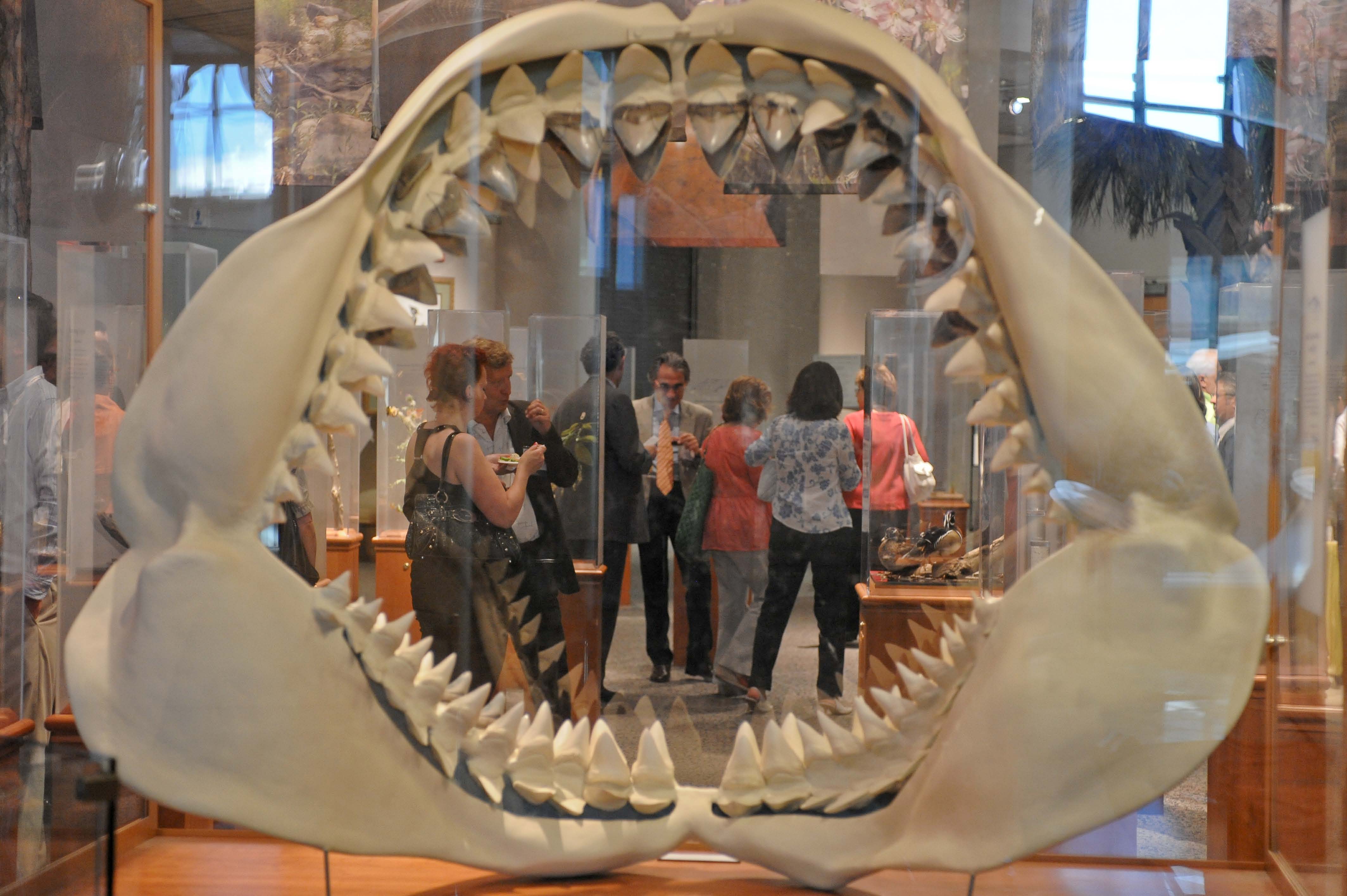
Museum cocktails at the 2009 IASP Conference
Monday, June 21
NTP Board of Scientific Counselors Meeting
8:30am - 5:00pm (Mon. 6/21 - Tues. 6/22)
NIEHS, Rall Bldg. Rodbell ABC
Open to the public. Find out more.
UNC-Duke Water Resources Research Institute Water Allocation Research Seminar
1:00-2:30pm
The Arboretum at NC State University
How current limitations in hydrologic models produced by the Department of Environment and Natural Resources can be overcome to make those models useful for water allocation and planning.
Free and the public is invited to attend. More info here.
Tuesday, June 22
SpeedLink: Speed Networking in the Triangle
5:45 - 8:45pm
Wyndham at RTP, 4620 South Miami Blvd, Durham, NC 27703
Based on the format of speed dating, attendees will have five minutes to network with each new person you meet. Once the five minutes is up, you will move to the next person and continue networking.
Limited to first 50 registered. Reserve your seat now!
Wednesday, June 23
The Golden Modes: Triangle Commuter Awards and SmartCommute Challenge Results Revealed
3:00 - 5:00pm
Bay 7 at American Tobacco Campus, 318 Blackwell Street Durham, NC 27701
Winners and results of the SmartCommute Challenge and the Photo Contest will be unveiled, including the $1,500 cash grand prize winners. Other prizes include transit friendly staycations, an Amazon Kindle, commuter bikes, new laptop computers, and several iPods.
For more, email Lauren Parker.
Tips for Using LinkedIn to Build Your Business and Career
6:30 - 8:30pm
Skyline Exhibits & Events, 600 Airport Boulevard #1300, Morrisville, NC 27560
Many people think of LinkedIn as a résumé site, but the potential for this social media network is so much greater. Martin Brossman will share tips on how to avoid common mistakes and get the maximum benefits from LinkedIn.
$10 for ICA members; $15 for others. RSVP.
Thursday, June 24
UpLink Professional and Business Luncheon
1:30 - 3:30pm
The Matthews House, 317 W Chatham St, Cary, NC 27513
If you are looking for a new job or career, to hire, for new business relationships, to get the word out about your business, or for someone with a solution…then you need join us for lunch!
Get tickets.
MTBE and TBA Cleanup-New Research Perspectives
2:00 - 3:30pm
Online (www.clu-in.com)
Speaker: Dr. Krassimira R. Hristova. Determining which technologies were necessary for safe drinking water production, via sites contaminated with methyl tertiary butyl ether (MTBE) and tertiary butyl alcohol (TBA).
Learn more and register here.
Friday, June 25
NCTech4Good Conference
8:00am - 5:00pm
Friday Center, Chapel Hill
This conference will be a day long interactive conversation between nonprofit leaders, technology experts, and volunteers that leads to real results for you and your team. Reception afterward from 5-7pm.
——————————-
To view a complete calendar of RTP community events, please visit the Science in the Triangle calendar.
Is your barbecue causing water pollution?
Monday, June 14, 2010, 6:49 pm 2 Comments | Post a CommentFarmers’ market managers tell me that consumers are becoming incredibly knowledgeable, quizzing farmers about their use of chemicals and antibiotics in order to be well informed about the food they eat. Now here’s a new question to ask farmers when you buy pork: what are you doing to protect the environment?
Here’s the background. Hog production is one of the cornerstones of North Carolina’s agricultural economy, with more than 10 million hogs produced annually in the state, or roughly one pig per person. In recent years, most of these hogs have been raised in indoor operations known as Concentrated Animal Feeding Operations, or CAFOs.
But consumer demand is driving a movement back to pasture-raised pork, and about 100 farmers in the state are responding to the call for hogs raised in natural conditions that many people consider more humane.
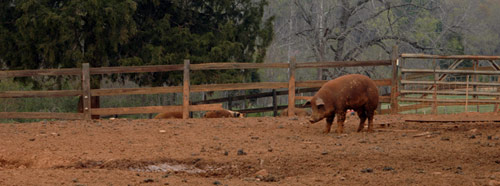
Consumers are driving the market for pasture-raised pork. Photo by Lisa M. Dellwo
RTP Week Ahead, June 14-18
Friday, June 11, 2010, 1:16 pm No Comments | Post a Comment
Monday, June 14
Grant Writing Workshop for Government & Non-Profits
8:00am (6/14) – 5:00pm (6/15)
Western Wake Tech Campus at Millpond Village, 3434 Kildaire Farm Rd, Cary, NC 27518
Join us for an in-depth review of the grant writing process. Some of the subjects that will be covered include: Funding sources, Creating an effective problem statement, Realistic objectives, Evaluation plan, Block v. Discretionary Grants, Credibility statement, Post Award Issues, and much more!
$65. RSVP here.
Infectious Diseases Grand Rounds: “HIV Outcome Gaps: Where, Who, Why…and What To Do”
4:00 – 5:30pm
Hanes House, Room 131
Sponsored by Duke Global Health. Speaker: Nathan Thielman, MD, MPH, Assoc. Professor of Medicine. The conference covers current clinical topics in infectious diseases and at least once per month, a basic or clinical research topic.
More info here.
Tuesday, June 15
2010 Angelman Treatment and Research Institute Scientific Symposium
7:45am (6/15) – 4:00pm (6/16)
The Carolina Inn, 211 Pittsboro Steet, Chapel Hill
This activity should improve your ability to: research, treat and manage Angelman syndrome; exchange and share projects and experiences with other members of national Angelman Syndrome Associations.
Find out more here.
Personalized Medicine in the 21st Century
8:00am – 4:30pm
Sheraton Imperial Hotel, 4700 Emperor Blvd, Research Triangle Park, NC 27709
We will look at a new concept gaining momentum called “P4” : which uses tools in treating individuals that are Predictive, Preventive, Personalized, and Participatory. Participants in that discussion will include researchers from other institutions such as Ohio State University and University of Illinois.
Register here.
Wednesday, June 16
Duke Bioinformatics Workshop
8:00am (6/16) – 5pm (6/19)
Sanford School of Public Policy, Rubenstein Hall, Duke Univ, 302 Towerview Drive, Durham, NC 27708
This year’s workshop includes new databases and experimental platforms that reflect advances in technological and scientific fields of research. The course consists of an introductory 2-day course (August 16th-17th) followed by a second 2-day course (18th-19th) that introduces new technologies and databases.
Limited to 45 attendees. Reserve your spot here.
Webinar: Hot Topics in Patents and IP for Life Sciences Companies
8:00 – 10:30am
Online
The panel of experienced patent and trademark prosecutors and litigators will focus on important cases from the past twelve months and point out their implications for life sciences businesses.
Read all about it here.
Thursday, June 17
Scientific Advisory Committee on Alternative Toxicological Methods (SACATM) Meeting
8:30am (6/17) – 5:00pm (6/18)
EPA HQ, Research Triangle Park
Open to the public. More here.
Seminar: “Perinatal Genetic and Epigenetic Programming of Childhood Asthma”
11:00am – 12:00pm
NIEHS, Rall Bldg, Rm F193
LTP Seminar Series. Speaker: Dr. Kuender Yang – Chang Gung Children’s Hospital at Kaohsiung, Chang Gung University, Taiwan
Open to the public. More information here.
Friday, June 18
The Green Plus North American Sustainable Enterprise Awards
7:45 – 9:45am
RTP HQ, 12 Davis Drive
The Institute for Sustainable Development created the Awards to recognize organizations in a variety of categories for the example they have set in advancing triple bottom line sustainability. All Certified Green Plus enterprises and Green Plus Movers are eligible for consideration.
Here’s more.
——————————-
To view a complete calendar of RTP community events, please visit the Science in the Triangle calendar.
We’re Freezing Your Assets Off Here
Friday, June 11, 2010, 12:11 pm No Comments | Post a Comment
Eric Hallman, PhD, and Doug Baker of Kryosphere, Inc. came to the RTP Headquarters Wednesday to give an overview of their company and its success at the June installment of the Innovation@rtp speaker series. Kryosphere is the only independent commercial biorepository in the Southeast. Hallman, the company’s CEO, and Baker, the company’s president, co-founded Kryosphere in 2007. Essentially, Kyrosphere stores important biomaterial samples for labs and research centers in a failsafe freezer factory to insure their preservation. It weathered its infancy during the worst economic downturn since the Great Depression and since then has grown into a shining example for the biomaterial management/organization (BMO) industry, passing the 2 million sample milestone last October.
A Chilling Lesson of Loss: “It was with the realization that in this area there are over ten thousand -80° storage freezers that contain biological samples. And hearing horror stories that almost every week someone was losing valuable research assets because of freezer failure, we realized there was a need for a place like a bank* that could store this stuff safely and maintain scientific assets,” Hallman said. Let’s do some quick math, here. With the amount of biosamples one freezer can hold — at an average of $10 per sample — the content value of the Triangle Region’s biofreezers alone is estimated at $4 billion. One power failure, short circuit, or human error could cost years of research and testing budget.
*The Kryosphere facility is often referred to as a ‘biobank’ – much like a data repository – but providing freezers instead of servers. The pair, however, was quick to point out that what they do is not to be confused with Hollywood cryogenic freezing ‘science’ in films like “The Shining” and “Austin Powers”.
Experiencing their formative first years during such a tumultuous economic backdrop, the founders of Kryosphere had an “educational sell” to convince consumers that this start-up wasn’t just another flash in the pan, Hallman said. Even after the market was beginning to show signs of recovery, people were reluctant to outsource what traditionally hadn’t been outsourced before. “We had to assure people we knew what we were doing,” Hallman said. The sell was slow, but it worked. Now their demand is rapidly exceeding their supply.
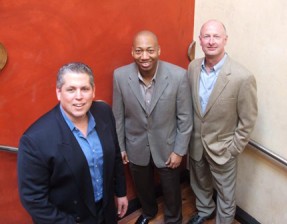 Baker and Hallman chose RTP because “it’s the crown jewel of biotech”. North Carolina is the third largest state in the country in terms of biotechnology-based development. Hallman and his partners have lived in the area for over 20 years, maintain good connections with the universities (for which they store many samples), and share a love for the community; in his spare time, Hallman plays jazz trumpet and is a founding member of the Triangle Jazz Orchestra and the Jazztones sextet.
In the future, Kryosphere is looking to expand their brand out of RTP. From the beginning, they have recognized that the BMO secret is in proximity to its clientele. They have identified several biotech hot spots around the Southeast with the goal of building the “mothership” facility in RTP, then opening up satellites all over the East Coast: Atlanta, Richmond, Winston-Salem and the Triad, Charleston, and many places in Florida. From there, they can pivot west and hit Birmingham, Knoxville, and Louisiana. And as if a national presence isn’t enough, Kryosphere is soon to announce partnerships in Europe and India.
“Instead of building one centralized facility and try to bring in samples from all over,” Hallman said. “we see ourselves as kind of the FedEx-Kinko’s of the biorepository business—we’re putting a biorepository around the corner from where the major research is.”
Both Hallman and Baker have backgrounds in entrepreneurship. Prior to Kryosphere, Baker was the president and Chief Operating Officer of HumanCentric Technologies, a product development and design services firm, where he led the company through strong growth and operations revitalization. He was also president at Constella Clinical Informatics and COO and Rho, Inc., both emerging growth contract research organizations. Hallman had founded SARCO, one of the first companies to commercialize combinatorial chemistry technology. He guided the company from launch to a $7.8 M acquisition in less than two years.
-Ross Maloney
Catch the entire innovation@rtp program on the RTP YouTube channel.

Books: ‘Bonobo Handshake’ by Vanessa Woods
Sunday, June 6, 2010, 9:49 pm No Comments | Post a CommentTo get disclaimers out of the way, first, Vanessa Woods (on Twitter) is a friend. I first met her online, reading her blog Bonobo Handshake where she documented her day-to-day life and work with bonobos in the Congo. We met in person shortly after her arrival to North Carolina, at a blogger meetup in Durham, after which she came to three editions of ScienceOnline conference.
I interviewed Vanessa after the 2008 event and blogged (scroll down to the second half of the post) about her 2009 session ‘Blogging adventure: how to post from strange locations’. At the 2010 conference, she was one of the five storytellers at the ScienceOnline Monti on Thursday night (and did another stint at The Monti in Carrboro a couple of months later). I have since then also met her husband Brian Hare and we instantly hit it off marvelously.
I have read Vanessa’s previous book, ‘It’s every monkey for themselves‘, but never reviewed it on the blog because I felt uneasy - that book is so personal! But it is an excellent and wonderfully written page-turner of a book so I knew I was in for a treat when I got a review copy of her new book, Bonobo Handshake (amazon.com). I could not wait for it to officially come out so I could go to the first public reading (where I took the picture) at the Regulator in Durham on May 27th, on the day of publication.
Vanessa recently moved her blog to a new location on Psychology Today network and had a few interviews in local papers, more sure to come soon.
Vanessa will also soon read/sign the book at Quail Ridge Books on June 9th at 7:30pm, and at Chapel Hill Borders on June 12th at 2pm (also June 22 at Barnes & Noble on Maynard in Cary, June 30 at The Country Bookshop in Southern Pines, and Aug. 10 at Broad Street Café in Durham, in-between readings in other cities on the East and West coasts) and I hope you can make it to one of these events as they are fun, especially the way she tries to talk about a species renowned for its sexual behavior by using language that is appropriate for the kids in the audience 
The book weaves four parallel threads. The first is Vanessa’s own life. Bonobo Handshake starts where ‘Each monkey’ leaves off. And while the ‘Monkey’ covered the period of her life that was pretty distressing, this book begins as her life begins to normalize, describing how she met Brian, fell in love, and got married - a happy trajectory.
The second thread is the science - the experiments they did on behavior and cognition in bonobos and chimps, and how the results fit into the prior knowledge and literature on primate (including human) nature.
The third thread reports on the conservation status of great apes, especially bonobos, and all the social, cultural, financial and political factors that work for or against the efforts to prevent them from going extinct.
RTP Week Ahead, June 7-13
Friday, June 4, 2010, 2:47 pm No Comments | Post a Comment
Monday, June 7
6th Academic Medical Center Conference: Meaningful Privacy and Security
All day (Mon. 6/7 - Wed. 6/9)
The Friday Center, Chapel Hill
The 2010 conference is based on the principle that AMC privacy and security leaders gain great value from contact with their peers. Each session is led by panelists from AMCs across the country.
Register and find out more here.
TGHC Gender Working Group Series: Is Women’s Empowerment a Zero-Sum Game? Insights from Indian Urban Slums
5:30 - 7:oopm
Cox Multi-purpose Room at RTI International, 3040 East Cornwallis Road, RTP, NC 27709
Although considerable research has documented the widespread prevalence of gender-based violence in India, much remains to be learned about specific risk and protective factors. Speaker & Facilitator: Suneeta Krishnan, Senior Research Public Health Analyst with the Women’s Global Health Imperative at RTI International.
Must RSVP by end-of-business day Fri. 6/4. For more, go here.
Tuesday, June 8
Managing Intellectual Property Issues in Alliance Collaborations
11:45am - 1:30pm
Maggiano’s Restaurant at SouthPoint Mall
experienced panelists will discuss best practices in IP management and address key questions. Panelists: Marc C. Sedam, MBA, Chief Operating Officer, Qualyst, Inc. (Moderator); Henry Nowak, Assistant Director of the Office of Technology Development, UNC; Chris Capel, Smith Anderson Law Firm; Laura Schoppe, President, Fuentek.
$30, covers lunch, panel, and networking. Sign up here.
Periodic Tables: Cleaning up the Gulf Coast Oil Spill
7:00 - 9:00pm
Broad Street Cafe, 1116 Broad Street, Durham, NC 27704
Speaker: Fred Pfaender, Retired Professor of Environmental Sciences and Engineering Public Health, UNC. Come early to enjoy the fantastic appetizers, wood-fired pizza, burgers, salads, their 15 beers on tap and a full liquor bar.
Need more? Look no further.
Wednesday, June 9
Innovation@rtp: Kryosphere Co-Founders: We’re Freezing Your Assets Off Here
4:00 - 5:30pm
RTP HQ, 12 Davis Drive, RTP, NC 27709
As a leading full-service biomaterial management organization (BMO) and the Southeast’s only independent commercial biorepository, Kryosphere provides a timely and valuable solution for assuring and managing these irreplaceable research assets. Speaker: L. Eric Hallman, Ph.D., founder of Kryosphere.
RSVP.
Global Health in the Gardens: A Global Health Faculty and Medical Student Mixer!
5:30 - 7:00pm
Sarah P. Duke Gardens 426 Anderson Street, Duke University, Durham, NC 27708
This event will allow medical students to ask critical questions about global health at Duke and explore fieldwork and research opportunities abroad.
Contact info and more.
SCONC Author Vanessa Woods Reads From Book “Bonobo Handshake”
7:30 - 9:30pm
Quail Ridge Books & Music, 3522 Wade Avenue, Raleigh, NC 27607
In-Store Talk, Q&A and Signing. “Bonobo Handshake: A Memoir of Love and Adventure in the Congo” comes out May 27th. More info here.
Thursday, June 10
Triangle AMA Social Media Boot Camp
8:30am - 5:30pm
The Solution Center in RTP, 1101 Slater Road, Suite 200, Brighton Hall, Durham, NC 27703
Everything you wanted to know about Social Media but were afraid to ask! Hear from an all-star lineup of some of the Triangle’s brightest and sharpest minds in Social Media marketing.
Sign up online.
Global Health Exchange: Stephen Rulisa - Malaria’s Effect on Birth Weight in Rwanda
11:00am - 12:00pm
Trent Hall, Rm 124, Duke Global Health Institute, 310 Trent Drive, Durham, NC 27710
Lecturer: Stephen Rulisa, MD,Kigali University Teaching Hospital/ National University of Rwanda. Dr. Rulisa will present his research focused on the effect of malaria on birth weight in Rwanda. He will also discuss Duke’s collaboration with the National University of Rwanda to implement practical, evidence-based training of maternal providers in Rwanda.
Here’s more.
Friday, June 11
2nd Friday Art Walk, Chapel Hill/Carrboro
6:30 - 9:30pm
Carrboro and Chapel Hill
Carrboro Creative Coworking participates and usually has live music and new art. All Free! Web.
Saturday, June 12 (thru Sun. June 13)
Silva Life System 2-Day Personal Development Seminar
9:00am - 5:00pm (Sat. 6/12 - Sun. 6/13)
Hilton Raleigh-Durham Airport Hotel at Research Triangle Park
The Silva Life System is designed to provide you with the powerful, confident and assertive communication skills guaranteed to get your career-and your attitude-moving in the right direction. Special guest Suzette Foster.
Curious? Click here for more.
——————————-
To view a complete calendar of RTP community events, please visit the Science in the Triangle calendar.


