Archive for the ‘Research Triangle Park’ Category

An RTP lab to test business ideas
Wednesday, June 1, 2011, 4:57 pm No Comments | Post a CommentA good idea has shelf life. We all know that.
Ideas pop into our heads every day. Only the good ones linger. They survive challenges and reassessment. That’s also true for business ideas, which hold the promise of starting a company, generating income and creating jobs.
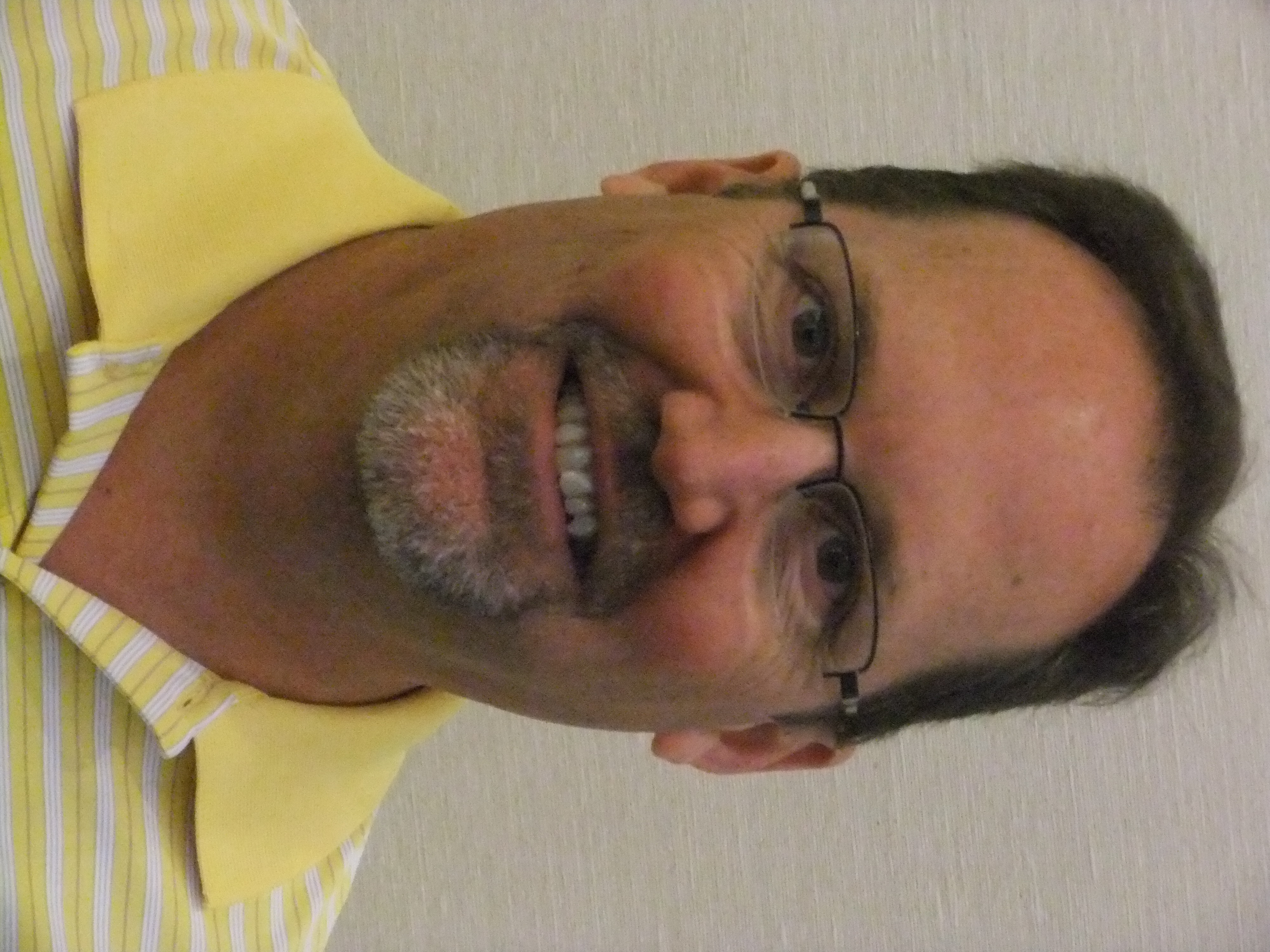
Ron Harman
But it’s hard to test how good a business idea really is, because honest feedback is difficult to get, said Ron Harman, owner of CTO Outsourcing, a Durham company that provides software expertise to startups.
“Getting people to tell you how great you are is easy,” Harman said. But few friends, relatives or paid consultants aren’t usually willing to probe an idea for flaws that could kill it.
“Nobody wants to tell you bad news,” Harman said.
To fill that gap, he and six other entrepreneurs in North Carolina’s Research Triangle eight months ago founded the RTP Idea Lab. So far, they’ve held three idea vetting sessions at RTP headquarters.
The sessions attract crowds of a few dozen and combine idea pitches, question-and-answer follow-up and critiques. It’s a concept that’s also being tried in other areas where lots of people work in research and development, including Boston, Pasadena, Calif., Austin, Texas, and at universities, but the efforts aren’t mirror images of each other.
Pasadena-based Idealab has created and operated pioneering technology companies since 1996. Bostinnovation is a digital community hub for ideas that have matured into startups. The Business Innovation Factory in Austin, Texas, is a nonprofit that was founded in 2004 to help innovators test ideas before they turn them into startups. The University of North Carolina at Chapel Hill has an IDEA Group to develop novel biomedical imaging and analysis tools.
The RTP Idea Lab mainly aims to provide a forum where innovators pitch their business ideas to a group of people who are neither experts nor potential investors. Ideas bandied about have ranged from mining company e-mails to prevent theft of intellectual property to matching up retired executives with startups and nonprofits in need of short-term mentoring.
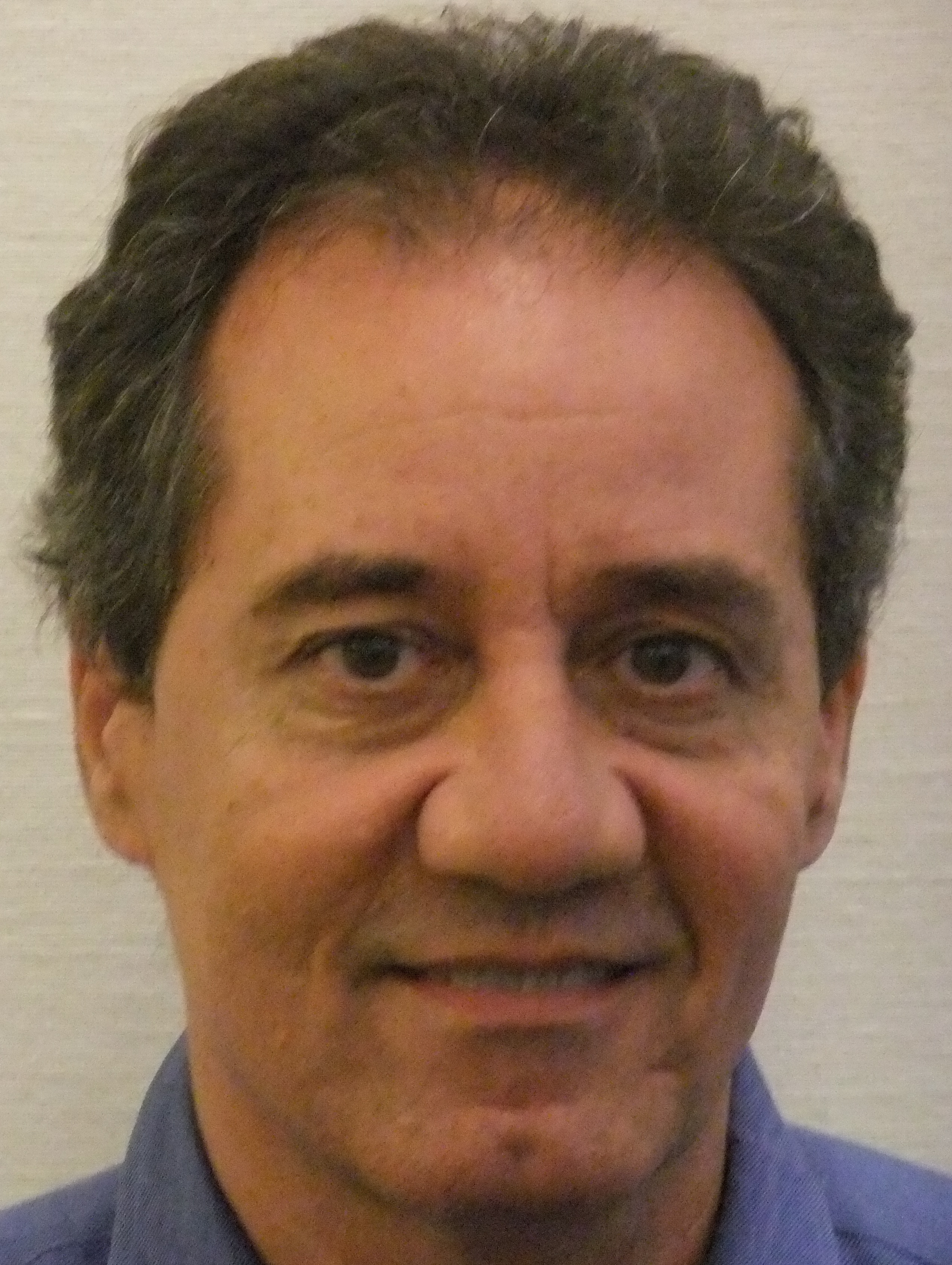
Jim Ingram
“Getting into a group and talking about ideas was very attractive,” said Jim Ingram, a technical writer and a RTP Idea Lab board member. At the most recent session in May, Ingram pitched his idea to reconfigure the hierarchy with which computers file information.
“An idea without an interaction with others is just a thought,” Ingram said. ” It dies in the brain if it isn’t talked about.”
The founders of the RTP Idea Lab, most of them local technology entrepreneurs, also want to stimulate the birth of new companies and the creation of jobs in the Triangle. The area’s unemployment rate has come down slightly in the past year, but it remains above 7 percent, according to April state unemployment figures. That compares to 9.5 percent unemployment statewide.
With federal and state budget cuts looming, it’s not likely that the government and public universities, important contributors to the Triangle’s economy, will be of much help. But technology startups are on a roll. Another Internet gold rush is on, stocks are up, investors are eager and startups are sprouting from New York to Durham.
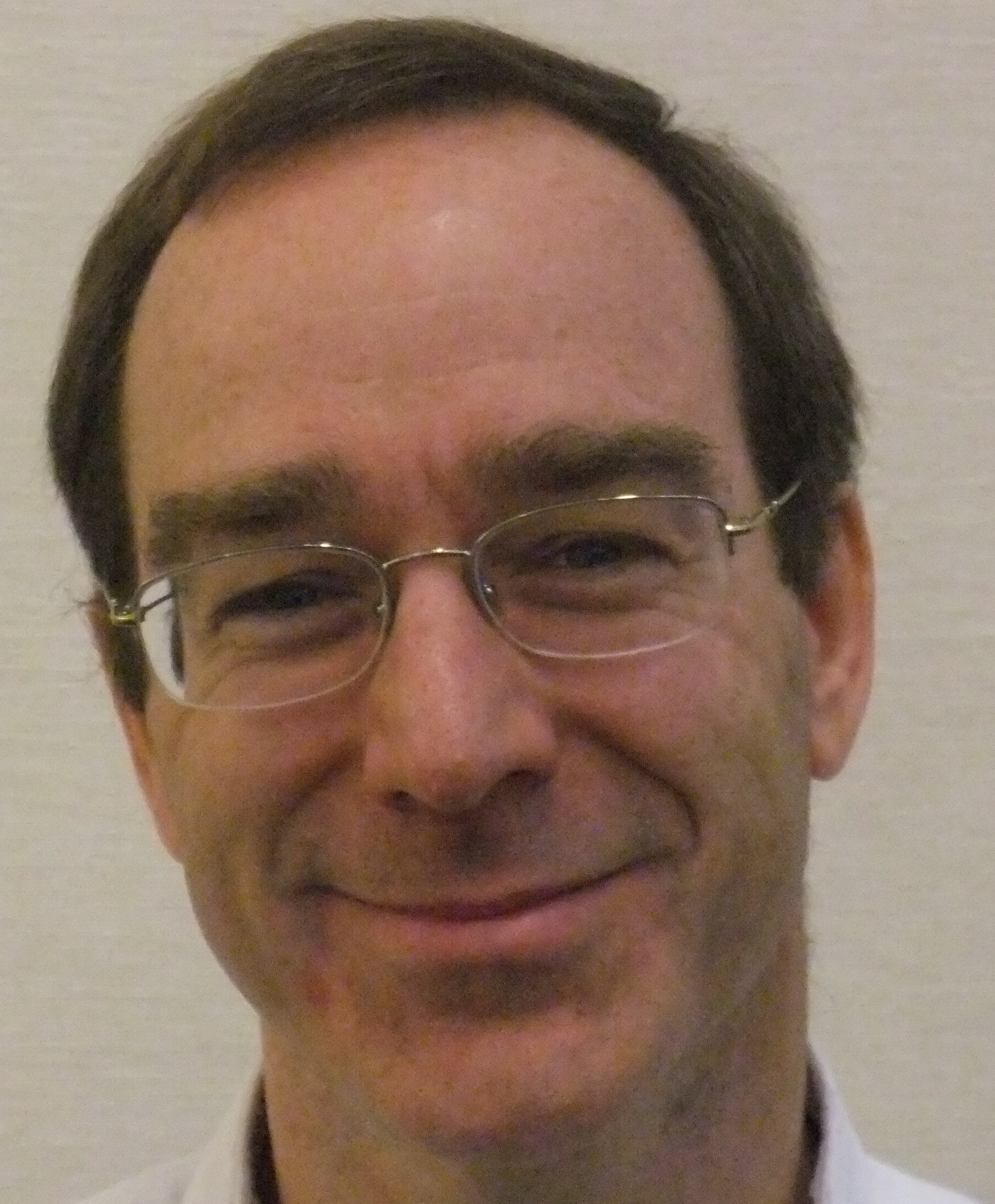
Anthony Edwards
The Triangle offers plenty of services to form a startup and find a home for it. What the area lacked was a place where people with ideas could ask other people, “What do you think?,” and get a honest answer. That’s where the RTP Idea Lab fits in, said Anthony Edwards, board chairman of the RTP Idea Lab.
Edwards is an IT consultant and a founder of Morrisville-based Tavve Software. He’s also involved in RedOak Logic, a Chapel Hill startup that targets the drug development industry but has yet to be funded.
Having RTP Idea Lab sessions “is good for the community, for RTP,” he said. “It encourages people to form companies.”
He wants to add to the feedback sessions and form partnerships with serial entrepreneurs, venture capitalists and angel investors to also provide seed funding.

POZEN’ a threat to outdated pharma marketing
Thursday, May 26, 2011, 3:42 pm No Comments | Post a CommentOriginally published on TheRTP Blog, 5/25/11. Watch The RTP’s exclusive sit-down interview with Liz!
For 25 years, Liz Cermak worked for Johnson & Johnson, one the biggest names in the pharmaceutical business. Now, she works for one of the smallest. And she says in terms of marketing, it’s giving the Goliaths a run for their money.
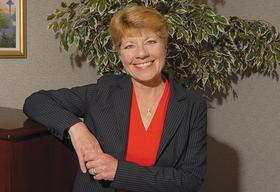
Cermak is the executive vice president of POZEN, Inc., a Chapel Hill-based pharma developer/manufacturer with no more than 30 employees. Since coming onboard in 2009, she has overseen the company attain FDA approval on two authentic combination drugs: Treximet and VIMOVO—for migraines and osteoarthritis, respectively. No small feat, even by J&J standards.
But what Cermak is most excited about is POZEN’s fresh and unique approach to pharmaceutical marketing.
Instead of sending sales representatives to hospitals and doctors’ offices to promote their products, Cermak and her team pitch most their medicines online.
“The reality is that the current sales rep model of traditional pharma is obsolete,” Cermak said to a packed house at the Marketing Mondays series held at The Research Triangle Park HQ earlier this week. “Eighty-six percent of US doctors go online for product info now, and 82 percent are on smart phones.”
In-person sales pitching can be inefficient, she said, because all health care workers are overbooked and overbusy, and representatives must endure a costly wait just to get two minutes in with the doctor.
Two minutes. That’s the average rep-doc face time. But online, the average time spent by a physician on a single ePromotion activity is eighteen minutes.
Cermak has three rules for digital pharma marketing:
1. Develop products that deliver real value to customers.
Be relevant and learn from your customers. Understand their needs and study their e-behavior. Most pharmaceutical companies need to broaden their apertures here, she said.
2. Make them affordable and accessible.
POZEN recognizes the strains today’s pharmaceutical pricing puts on doctors and patients today alike. As should go without saying, costs must be kept low to compete and to demonstrate a respect for your consumers.
3. Engage with customers in a meaningful but highly efficient way.
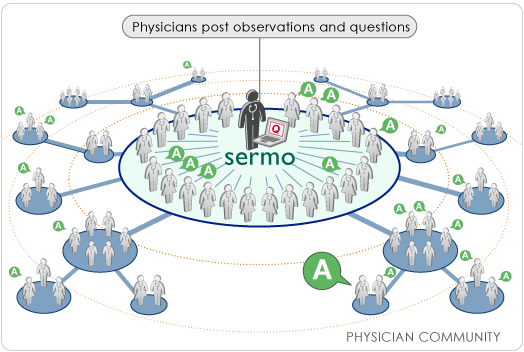
This means using social media and online public networks like Facebook and LinkedIn, but also more exclusive, MD-only communities like Sermo or CogNet. Use push and pull marketing tactics; see what works and what doesn’t.
Cermak calls this “Pharma 3.0”.
“The change isn’t coming,” she said. “It’s here.”
We’ve seen this before with other industries, as well. Amazon now sells more books for the Kindle than it does in print, and Netflix’s superior, customer-based business model has Blockbusters closing up shop around the country. The global economy is now decidedly digitalized and will only continue to shift that way.

Now, as POZEN enters the final testing and approval phase for its latest development, an ulcer-reducing aspirin compound dubbed PA32540, a viral campaign is already underway to spread the word.
Cermak stressed there is still utility in face-to-face interaction, though. Sending sales reps is important to explaining drug principles to doctors, learning about clinic demographics, and building a personal rapport with primary care physicians. However, there are not enough reps to go around as it is now, and focusing sales online will drastically cut down their jampacked schedules.
The biggest advice Cermak has for pharma companies looking to try this new approach is to not be afraid to experiment. To take risks. And to lose.
“Be ready to try and fail,” she said. “Absolute ROI of a given digital initiative cannot be accomplished with a high degree of certainty.”
No one expected it to work out for POZEN. But no one expected 30 people from Chapel Hill to get two drugs FDA-approved in two years, either.
Eisai’s RTP plant aims to supply the world
Sunday, May 1, 2011, 9:36 pm No Comments | Post a CommentEisai’s new production plant in Research Triangle Park is fully equipped to make Halaven, a new treatment for advanced breast cancer, but the 66,700-square-foot building is still empty of people except for the occasional employee mopping floors. It will stay that way until the Food and Drug Administration inspects the plant and clears it for production.
Stephen Errico
The FDA approval, which Stephen Errico, director of Eisai’s parenteral operations, expects in September, will usher in a new era for Eisai and its main U.S. manufacturing site in RTP.
The Japanese drugmaker is switching its attention to injectable drugs after focusing on pills for many years. Injectable cancer treatments such as Halaven are on top of Eisai’s priority list and no matter whether these cancer treatments will come out of Eisai’s own research and development labs or the labs of partners, the new RTP plant will make and package them and ship them, first to the U.S. market and later the rest of the world.
Plans to seek regulatory approval for the RTP plant to produce for the European market are next.
“This facility is very unique and important to Eisai,” Errico said during a recent tour of the plant.
For the past 13 years, Eisai has made and packaged pills in RTP - Aricept, the leading Alzheimer’s treatment, and Aciphex, an acid reflux treatment. Aricept, Eisai’s biggest seller, generated about $2 billion in annual sales in the U.S. But in November, Aricept lost patent protection and Eisai expects to lose about 60 percent of its blockbuster’s sales to cheaper generic competitors over the next two years. In March, Eisai cut 70 jobs at its RTP operations, all of them in the pill part of its business.
Future growth sees the company in the injectables and oncology market.
So do most pharmaceutical companies.
Cancer is the second most common cause of death in the U.S., according to the American Cancer Society. In 2010, more than 500,000 Americans died from the disease and more than 1.5 million Americans were newly diagnosed with cancer. With more than 200,000 new cases every year, breast cancer is the most common cancer in women.
The active ingredient in Havalen is eribulin mesylate, a synthetic version of a chemical made by a black sea sponge. It was first isolated in 1985 by a Japanese scientist and has shown to prevent cell division. Eisai found it screening chemicals made by plants and animals living under water and in the tropical rain forest.
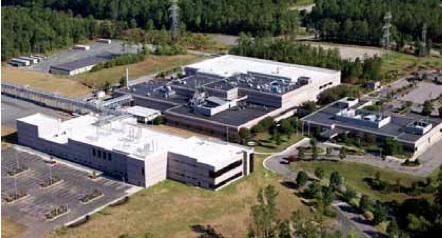
Eisai's operations in RTP include a new plant to make injectable oncology drugs. The new plant, in the foreground, could be expanded where the parking lot is now.
Eisai makes the eribulin mesylate in Japan. The active ingredient arrives in RTP as a powder, is then mixed with alcohol and water, filled in vials, labeled and packaged. All of the employees who will work on the line making Havalen will have to wear special clothing - from scrubs, hairnet, booties and gloves to two layers including a whole-body suit - for protection and to ensure the liquid isn’t contaminated.
Havalen faces competition from two other recently approved treatments for advanced breast cancer, but Eisai projects Havalen will become a blockbuster seller, generating about $1 billion per year. Up to 40 production workers could crank out as many as 4 million vials of Havalen on the RTP plant’s commercial production line per shift, Errico said. A second shift could be added.
A second production line is reserved for smaller batches of injectables used in clinical trials.
Errico estimated that initial demand for Halaven will keep about 25 percent of a shift busy. About 30 people have been hired and trained to work in the new plant. Errico said Eisai is looking for contracts to make other injectible products. “Our goal is to be a multi-product facility,” he said.
A framed architectural drawing on the wall shows three production lines Eisai could add on the southside of the building. But those are long-term plans. “I’ll probably be retired before we fill that,”Errico said.
Bayer continues to shift biotech seed development focus to U.S.
Thursday, April 28, 2011, 2:20 pm No Comments | Post a Comment
Rendering of Bayer CropScience's new greenhouse.
The 60,000-square-foot greenhouse that Bayer CropsScience is building in North Carolina’s Research Triangle Park represents a critical step in a strategic shift the German Bayer Group initiated two years ago.
The two-story greenhouse is projected to cost $20 million and will quadruple the greenhouse space Bayer Cropscience has in RTP.
Biotech crop seeds have long been part of Bayer CropScience’s business. Much of the trait development - work in the lab and greenhouse to come up with genes that improve crop yield and make corn, soybean, cotton and canola plants more resistant to insects and more tolerant to herbicides, drought and stress - has been done at Bayer’s plant technology innovation center in Ghent, Belgium.
When Bayer stepped up investment in plant technology research and development in 2009, it could have just added on to the Ghent facilities. Instead, the company shifted its focus from Europe to the U.S., where consumers are more accepting of genetically modified crops. So far, Bayer has announced close to $400 million in investments to boost biotech trait development near Bayer CropScience’s U.S. headquarters in RTP.
“We see that as a logical place,” Bayer CropScience spokesman Jack Boyne said from his RTP office.
The number of biotech crop seeds on the market has been rising steadily. In 2007, biotech seeds accounted for about $22 billion in worldwide sales with the top 10 sellers garnering about 68 percent of the global market, according to a report. Bayer CropScience came in seventh, behind Syngenta and market leader Monsanto.
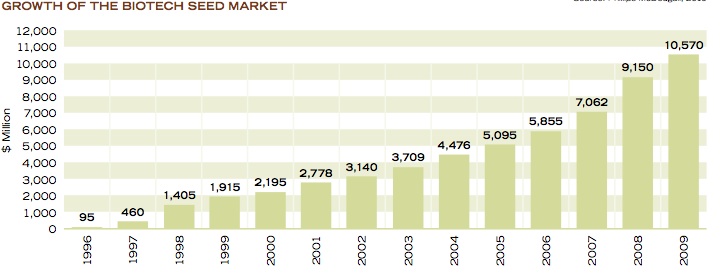
U.S. biotech seed sales
The RTP area, a U.S. biotech hotspot, is home to agricultural biotech operations of four of the large companies - Monsato, Syngenta, Bayer and BASF - and several smaller companies and startups. (More about research at Syngenta’s corporate biotech research center here.)
Eager to catch up, Bayer CropScience in 2009 bought a smaller RTP neighbor with an enviable collection of crop seed traits for $365 million. Athenix, which had research collaborations with Monsato and Syngenta, is now part of Bayer CropScience. So are Athenix’s 65 employees, but Bayer CropScience continues to hire to add a total of 125 employees by 2015. (More about the Athenix acquisition here.)
“We are making an increased investment in bioscience,” Boyne said. “We see this area as a strong growth opportunity.”
So do Monsanto, DuPont and Syngenta.
In 2009, Syngenta bought Monsanto’s hybrid sunflower seed business for about $160 million. In 2010, Monsanto broke ground to expand a soybean seed production facility in North Dakota. And DuPont announced in February that it will invest $50 million to expand its agricultural biotech research center in Delaware.
DuPont expected sales of its ag unit to rise 8 percent to 10 percent per year through 2015.
RTP oncology startup gears up to launch first product
Wednesday, April 20, 2011, 7:15 pm No Comments | Post a CommentEditor’s note: North Carolina’s Research Triangle is home to hundreds of young companies. Scientists and entrepreneurs started them to develop technologies and medicines for better detection and treatment of diseases. Some of the companies work on innovations that are the result of research done at one of the area’s universities. Others are outgrowths of established companies. CivaTech Oncology, a startup that’s been around since 2006, employs two full-time and three part-time and is about to launch its first product, is one of those young companies.
Much of the furniture in the about 2,500-square-feet that CivaTech occupies at Park Research Center, a 13-building complex in Research Triangle Park, is second-hand. As the company’s two full-time employees, Suzanne Troxler Babcock and Seth Hoedl have important-sounding titles - Babcock is executive chairwoman and Hoedl is chief science officer - but they rely on a team of part-time employees and consultants.
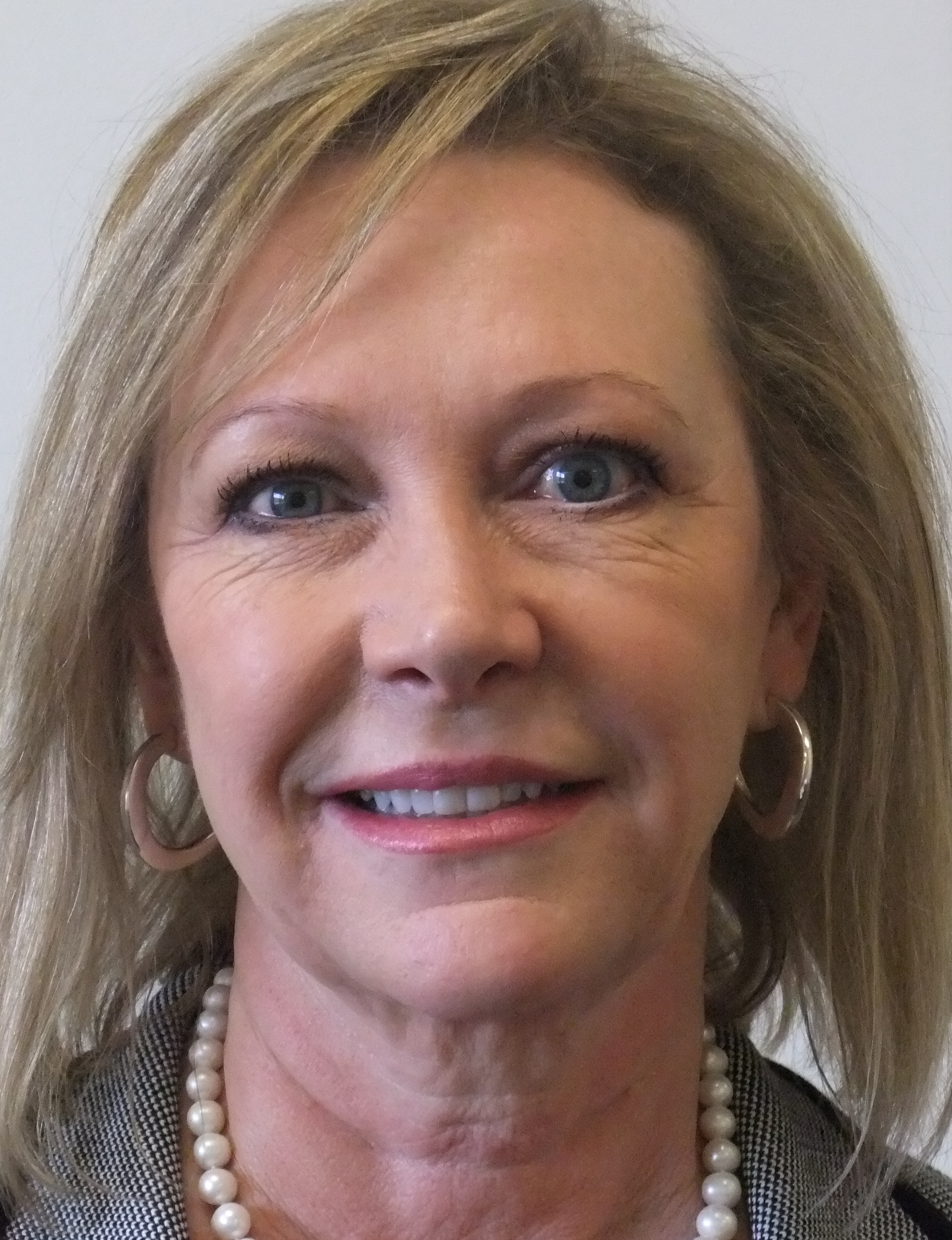
Suzanne Troxler Babcock
Like many startups, CivaTech operates on a tight budget. Since its inception, the company has raised about $2 million from private investors, most of them live in the RTP area.
But things are about to change, said Babcock.
“We think we’ll look quite different as an organization by the end of this year,” she said.
CivaTech is looking for a partner to start selling its first product, a next-generation alternative to radioactive seeds that have been used for about 20 years to help reduce tumors in the prostate, breast and cervix.
The Food and Drug Administration has already approved the product, called Civa-String, and Babcock said the first prostate cancer patient is expected to get a Civa-String implant this fall.
That would make the start-up a competitor in a growing market already occupied by some large, publicly traded companies.
Brachytherapy products, which is what the radioactive seeds are, generated $240 million in U.S. sales in 2008, according to a 2009 report by Bio-Tech Systems, a market research firm in the healthcare field. But by 2016, the market is projected to increase to about $2 billion in sales.
Radioactive seeds to treat prostate cancer accounted for about half of the 2008 sales, Bio-Tech Systems reported.
The biggest suppliers of the seeds are C.R. Bard, a New Jersey-based company that is publicly traded and reported $2.7 billion in sales last year; Oncura, a division of General Electric; and Theragenics, an Atlanta-based company with about $80 million in annual revenue.
The radioactive seeds are about the size of rice kernels - cylinders made of titanium and filled with radioactive material, iodine-125 or palladium-103. Worldwide, about 15,000 prostate cancer patients receive the seeds every year.
The radioactive seeds have side effects, frequent bathroom visits and sensitivity to many fruits and other foods. But the biggest problem with the seeds is that they can migrate, Hoedl said. About 120 seeds are implanted in a prostate for a therapeutic dose, he said. If one or two of them migrate, they can end up in the patient’s lung or kidney and do damage.
Civa-Strings shouldn’t migrate. They’re cheaper to make, because they require half the radioactive material to deliver the same therapeutic dose, Hoedl said. They dispense the radiation more uniformly and they’re made with palladium-103, an isotope that works more than three times faster than iodine-125.

A Civa-String, filled with palladium-103 and gold markers. The gold helps the doctor find the strip once it is implanted. Courtesy: CivaTech
The strings are flexible plastic tubes about the thickness of an angelhair spaghetti noodle that are loaded with palladium-103 and gold pellets. Depending on the dose prescribed for each patient, they come in lengths from less than an inch to about 2.5 inches. Radiation oncologists place the loaded strings with the same kind of 8-inch-long needle as the seeds.
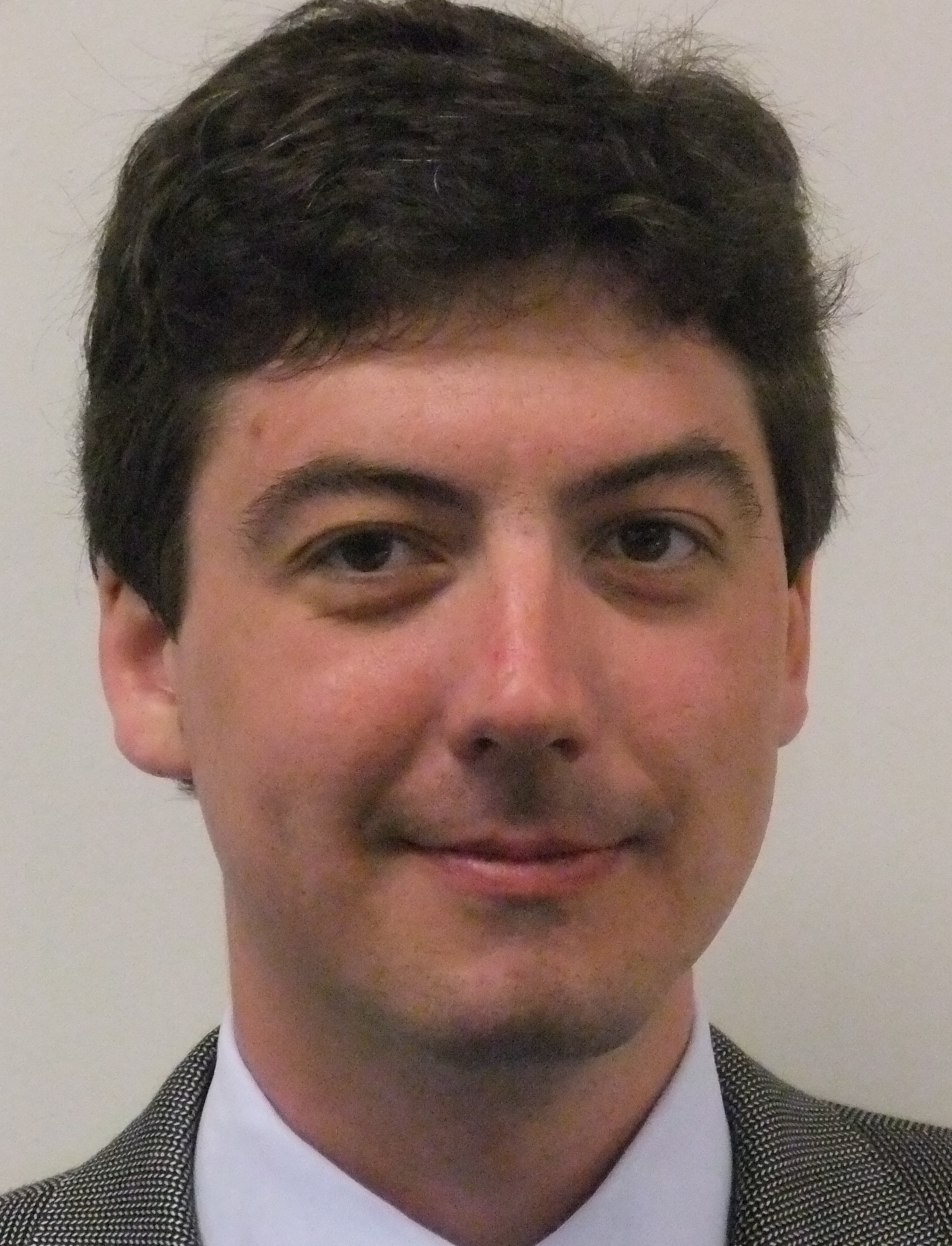
Seth Hoedl
Instead of about 120 seeds, a prostate cancer patient would require only 20 to 25 of the strings, Hoedl said.
CivaTech worked with the N.C. State University’s nuclear engineering department to make sure the palladium-103 doesn’t leach out.
If the launch happens as planned, Babcock expected to hire four more full-time employees this year.
Meanwhile, development of the next product, a sheet with palladium-103 loaded strips, continues. The sheet is aimed at shrinking cancers in the lung, colon and esophagus. Last year, CivaTech received $200,000 from the National Institutes of Health to work on the sheet.
Proposed global health spending cuts raise concerns in Research Triangle
Wednesday, April 6, 2011, 10:45 pm No Comments | Post a CommentAt a global health conference in Chapel Hill, the tug-of-war over budget cuts on Capitol Hill landed smack-dab in North Carolina’s Research Triangle.
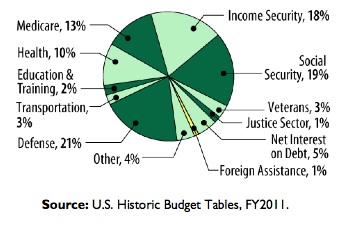
In 2010, foreign assistance accounted for 1 percent of all U.S. spending.
While Republicans and Democrats are negotiating about getting a handle on the federal deficit, concerns about proposed federal funding cuts are rising in states with global health research hubs, such as North Carolina, California and Washington.
House Republicans have proposed cutting international affairs and foreign assistance spending by a total of 44 percent over the next five years, including 29 percent in 2012. They’re also pushing for an 11 percent funding cut for global health programs during the remaining months of the current fiscal year, which would scale back malaria programs and reduce immunizations, the number of skilled birth attendants and other basic health services worldwide, Dr. Rajiv Shah, head of the U.S. Agency for International Development, told a House appropriations subcommittee.
At the conference, which took place April 1 at the University of North Carolina Friday Center in Chapel Hill, experts from USAID and the Center for Strategic and International Studies in Washington, D.C., and the Centers for Disease Control and Prevention in Atlanta addressed the future of global health and development.
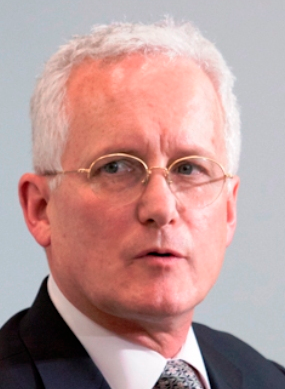
Stephen Morrison
“We’re now in an era of austerity, uncertainty and flattening or declining budgets,” said Stephen Morrison, director of the CSIS Global Health Policy Center.
Morrison didn’t foresee a catastrophic collapse of global health budgets. But the days of double-digit annual increases are gone, he said.
From 1990 to 2010, international spending for global health rose from about $6 billion to an estimated $27 billion, according to a report by Chris Murray of the University of Washington Institute for Health Metrics and Evaluation. About one-third of last year’s funding came from the U.S.
U.S. spending on foreign aid and global health more than doubled in the past 10 years and the increase benefited Africa and parts of Asia.
The Bush administration started an initiative to battle HIV/AIDS in Africa, contributed to an International Monetary Fund effort aimed at boosting education, health status, nutrition and gender equality in poor countries and increased security-related assistance to Afghanistan and Pakistan.
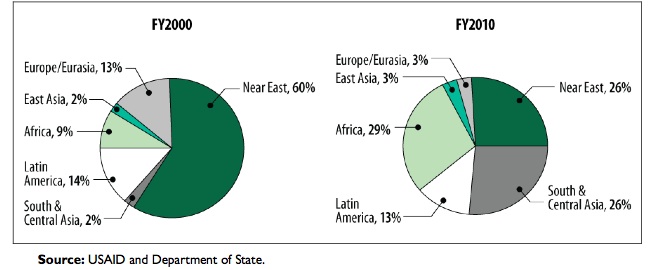
Regional distribution of U.S. foreign aid in FY 2000 and FY2010
In fiscal year 2010, the U.S. spent $39.4 billion on foreign aid, according to a Congressional report. Nearly 90 percent of that money was funneled through USAID. Still, foreign aid accounted for only about 1 percent of all U.S. spending.
Domestically, the funding increases boosted grant revenue at research institutes and created jobs at universities.
In the Research Triangle, RTI International was one of the biggest beneficiaries. RTI increased funding from USAID from $165.9 million in 2006 to $265.4 million in 2010. Another local research institute that benefited was Family Health International. FHI’s annual revenue rose about 40 percent from $224 million in 2005 to $370 million in 2009. About 70 percent of the global health funding FHI secured in 2009 came from USAID.
The UNC Gillings School of Global Public Health and the Duke Global Health Institute trained the workforce needed to implement the new initiatives.
In 2009, a Duke University study determined that North Carolina’s global health sector supported more than 7,000 jobs and $508 million in annual salaries and wages. The sector’s impact on the state’s economy was nearly the same as the textile industry’s, according to the study.
Similar economic impact studies have been done in California, where global health supports about 350,000 jobs that generate $19.7 billion in annual salaries, wages and benefits, and in Washington state, where global health supports 13,700 jobs that generate $1.7 billion in annual salaries, wages and benefits.
At the conference, Morrison encouraged global health professionals in the audience to lobby their House representatives, but he was convinced that global health would take a disproportional hit no matter how the budget negotiations would turn out.
“This is a moment of wake-up for us,” he said.
April 1st kicks off 5th annual SmartCommute@RTP Challenge
Monday, April 4, 2011, 1:59 am No Comments | Post a Comment
Originally published 3/24/11:
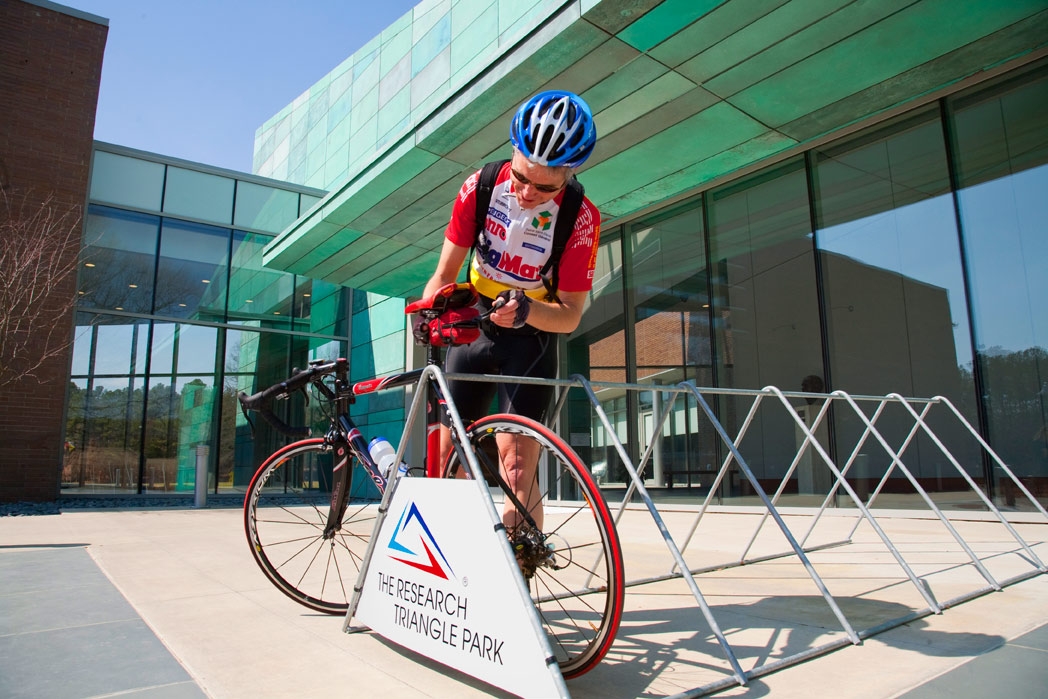
Saying Jim Miller likes to bike is an understatement.
The 55-year-old facility engineering manager at Research Triangle International said he rides his Cannondale road bike to and from work every day of the year, including winter.
“I’ve biked when it’s 15 degrees Fahrenheit outside, and I’ve biked when it’s 105,” Miller said.
He estimates that he’s cycled between thirty and forty thousand miles between work and errands in the last three years. So naturally, each year Miller pledges to participate in the RTP SmartCommute Challenge.
The 5th annual challenge, which runs from April 1st to June 1st, encourages residents and employees in Wake, Orange and Durham counties to explore alternative modes of transit to work. In addition to biking, popular options include walking, carpooling, taking the bus, and telecommuting.
“Telecommuting is the most popular SmartCommute alternative in the region,” said James Lim, director of RTP programs at the Research Triangle Foundation.
Lim helps coordinate SmartCommute. He said one of the major benefits of taking the challenge is reducing the number of vehicle miles traveled. Along with this comes improved air quality, which includes reductions in CO2, mono-nitrogen oxides (NOx), and volatile organic compounds (VOCs).
Lim and his colleagues on the SmartCommute committee have established two goals for this year’s challenge: trying to save around 18,000 gallons of gasoline and trying to recruit 12,500 pledges. He said last year’s goal of 10,000 pledges was met and surpassed.
But to talk the talk, Lim feels he must walk the walk, literally. He plans to jog seven miles to the RTF headquarters from Durham each morning over the course of the two months.
“Now that I’m saying this in print,” Lim said. “I have to do it.”
He also carpools with another Foundation coworker. It’s important that employers are supportive of their staffs’ efforts to join the challenge, he said. Some companies have flexible starting and leaving times for those who bike or walk; others issue carpool parking passes closer to the building.
Darren Danko, the information technology director at RTF, is an avid SmartCommute cyclist as well, though admittedly he’s not as hardcore as Miller.
“I’ll bike whenever it’s 60 degrees or above,” Danko joked. His 3.2-mile ride from Durham takes him about 20 to 25 minutes on his aged, 10-speed Schwinn street bike.
Danko also opts for eco-friendly transit even after the challenge is over.
“It’s important to let people know that there are other alternative ways to get to work,” he said. “People need to get off their butts and do some exercise.”
According to past survey data, 75 percent of SmartCommuters elect to maintain the challenge after it comes to an end, Lim said.
Their efforts aren’t without incentive. Lim’s committee sponsors a SmartCommute Challenge awards ceremony each summer wherein companies and employees who participate are honored for their achievement. Two grand prizes of $750 are handed out to a pair of individuals who distinguish themselves.
This year there are two prize pools: one for new pledges trying green transit for the first time and one for veterans who continue to reduce their carbon footprints to work.
SmartCommute is co-sponsored by GoTriangle, a regional collaborative of transit providers. Research Triangle-based corporations like IBM, Cisco and Miller’s RTI also donate to the program.
Miller bikes twelve miles from his home in Chapel Hill to RTI’s headquarters in Research Triangle Park, a 24-mile roundtrip per day. He said it takes him about 45 minutes each way. Over the course of last year’s challenge, Miller rode more than 612 miles. It’s a part of who he is.
“I biked a lot when I was in my early twenties,” he said. “And I started again after I divorced 13 years ago.” His biggest ride was a coast-to-coast excursion in 2003.
He doesn’t see any downside to leaving the car in the garage. The only the cycling becomes a problem, he said, is during right turns at intersections with drivers jetting out behind him.
“I’ve only been hit by a car one time,” Miller said. “No accident, though. They just hit me in my arm with their side view mirror.”
Pest control from spoiled milk
Wednesday, March 9, 2011, 5:21 pm 1 Comment | Post a CommentThis spring, U.S. farmers are planting corn fortified with a new genetic weapon against hungry caterpillars: A chemical that an entomologist in North Carolina’s Research Triangle Park found 18 years ago in a batch of spoiled milk from his refrigerator.
The chemical is a protein that works like a natural insecticide. It is made by a bacterium that lives in the soil.

Greg Warren
Bacillus thuringiensis has long been known as a natural pest control. Agricultural chemical giants Monsanto, Dow, Syngenta and BASF have borrowed genetic material from the bacterium to protect crops from insect damage.
But the protein that Greg Warren discovered in the spoiled milk was different from anything that was known or used in agricultural pest control. He tried it on cutworms, caterpillars that chew through the stems of seedlings. It worked.
“They take a bite, they die,” said Warren, a bench-scientist-turned-patent-lawyer at Syngenta’s corporate biotech research hub in RTP.
Genetic engineering, manipulating genetic material in ways that don’t happen naturally, can be as controversial as it is common. Genetic engineering has brought about animals that researchers use to better understand human diseases, animals and plants that produce medicines and agricultural crops that tolerate drought and weed killers, control harmful insects and even produce an extra vitamin.
A year ago, the U.S. Department of Agriculture cleared the genetic trait Warren discovered for commercial use and Syngenta packaged it with other traits in genetically engineered corn seeds that it started selling last fall under the name Viptera.
“It’s a big deal in terms of sustainable pest control,” said Fred Gould, professor of agriculture at N.C. State University. It provides a novel defense against pests that have gotten used to the plants’ old weapons and new pests that moved in once the competition was gone.

Bacillus thuringiensis with spore and crystals
The older bacillus thuringiensis pest control trait, also known as the Cry gene, has been around since 1985 and is in nearly 20 percent of all biotech crops.
The rod-shaped bacterium activates the Cry gene at the end of its life. Just before it dies, it makes a spore to produce offspring and an endotoxin in the shape of diamond crystals to ward off pests.

Strings of bacilli thuringiensis
Earlier in its life cycle, when it divides into what looks like strings of beads, bacillus thuringienses also makes chemicals that act as bioinsecticides. They are called vegetative insecticide proteins or VIPs and are more powerful than endotoxins.
In the early 1990s researchers knew very little about VIPs beyond the fact that they existed, Warren said. “It was an area that hadn’t been explored.”
Warren, who in 1989 had joined Ciba-Geigy’s labs in RTP, wanted to find them. He took dozens of samples, of plants, dust and soil, to isolate bacteria, but none produced a chemical that killed cutworms. His managers at Ciba-Geigy and researchers at universities weren’t very hopeful.
They told him, “You’re crazy, you’re not going to find anything,” Warren recalled.
He didn’t listen. In 1993, he tested a sample of spoiled milk he had brought from home and found a bacillus thuringiensis strain in it. When he cultivated the bacteria and fed the liquid they had thrived in to cutworms, the caterpillars died.
“Out of contaminated food, we found a blockbuster product,” Warren said.
So why did it take 18 years to come to market?
“This is a very unique protein that has very unique properties,” Warren said. “It took time to figure out all those properties.”
Also, it didn’t help that the development of the VIP trait coincided with two large mergers, he said. Again and again, he had to convince superiors to continue funding the research.
In 1996, Ciba Geigy and Sandoz merged to become Novartis. Four years later, Novartis and AstraZeneca merged their agricultural business and formed Syngenta. Warren went to law school to become a patent lawyer the same year the second merger happened. Eric Chen, Warren’s successor as the head of Syngenta’s biostress traits group, oversaw the lab work to make the bacterial VIP gene acceptable to the corn plant.
Last year, Syngenta’s VIP trait won an international award for best novel agricultural biotech product and Michael Mack, the Swiss company’s chief executive, said in an interview with BusinessWeek that Viptera provides Syngenta a chance to challenge Monsanto, the market leader in genetically engineered crop seeds.
Tackling the challenges of climate change modeling
Monday, February 21, 2011, 12:44 am 2 Comments | Post a CommentTrue to its mission, the Statistical and Applied Mathematical Sciences Institute in Research Triangle Park took on a tricky data- and model-driven scientific challenge in the first public talk it organized for a lay audience.

Douglas Nychka
SAMSI, a collaboration of the RTP area’s three main universities, the RTP-based National Institute of Statistical Sciences and the National Science Foundation, picked climate change as a topic for the talk on Feb. 15 and invited Douglas Nychka, a leading statistician and climate expert at the National Center for Atmospheric Research in Boulder, Colo., as its inaugural speaker.
Nychka didn’t go into the depths of the criticism that has dogged data-driven climate change modeling for more than a decade and has left most Americans convinced they can’t do anything to change global warming.
Only 18 percent of Americans strongly believe global warming is real, harmful and caused by humans, according to the 2008 American Climate Values Survey.
“This is an argument about cause and effect,” Nychka said.
He did, however, say that it was very difficult to statistically reproduce the global warming trend without including greenhouse gases from fossil fuel consumption. Read more…
Talk science to me
Thursday, January 27, 2011, 7:20 pm No Comments | Post a CommentGive each geek a blog and you’ll get a taste of the many flavors science can take on.
Some will be scholarly, crusading or probing, others whimsical or funny, but each flavor will reveal something about how its creator ticks. As Robert Krulwich, NPR’s science correspondent and keynote speaker at ScienceOnline 2011, said in an interview: “You can’t help yourself. You ask the question that your soul asks.”
Unlike the more than 200 registered bloggers at ScienceOnline 2011 who mingled Jan. 13 to Jan. 16 in Research Triangle Park, Krulwich doesn’t blog. But his Radio Lab podcasts and Nova videos represented one flavor. Darlene Cavalier, Mary Canady and Brian Malow provided distinctly different flavors. All four talked to Science in the Triangle about their approach. (Watch Krulwich’s interview here.)
Cavalier is a former Disney Publishing executive who outed herself as a former Philadelphia 76s cheerleader to advocate for science literacy. She started Science Cheearleader.com and helps match people without a hard science background with scientists who need help with research such as keeping records of birds’ migratory patterns, taking water samples or measuring the amount of snow fallen.
Watch Cavalier talk about her citizen scientist flavor:

Canady is a biochemistry Ph.D. who switched from bench science to marketing. In 2008, she started Comprendia.com, a virtual bioscience consulting group in San Diego and began thinking about whether marketing and science blogging can mix.
“We’re forging new trails here and need to be creative in thinking about these new relationships - think outside the box, as trite as it may sound,” she said during a ScienceOnline 2011 session.
The iron curtain between advertisement and content is best handled with care as last year’s Pepsigate at Scienceblogs.com showed. More than 20 contributors pulled out after postings by Pepsi scientists were to be published on the first-of-its-kind science blogging network.
But what about scientists posting on corporate blogs, companies sponsoring ask-an-expert forums and businesses underwriting independent blogs?
Here is Canady’s take on the business flavor:

Malow is a professional stand-up comedian with a liberal arts degree who is feeling his way into science comedy.
A voracious reader who is intrigued by astronomy, physics and evolution, he started adding jokes about particles, Star Wars and creationism to his repertoire a few years ago.
He said he wasn’t hired to perform at ScienceOnline 2011 but pulled together an entire show just hours before volunteering to go on stage.
Watch an uncut interview with Malow about his taste of fun:


