Archive for the ‘University Research’ Category

Epidemiologist tracks environmental clues linked to rising autism rates
Tuesday, December 7, 2010, 9:25 pm 1 Comment | Post a Comment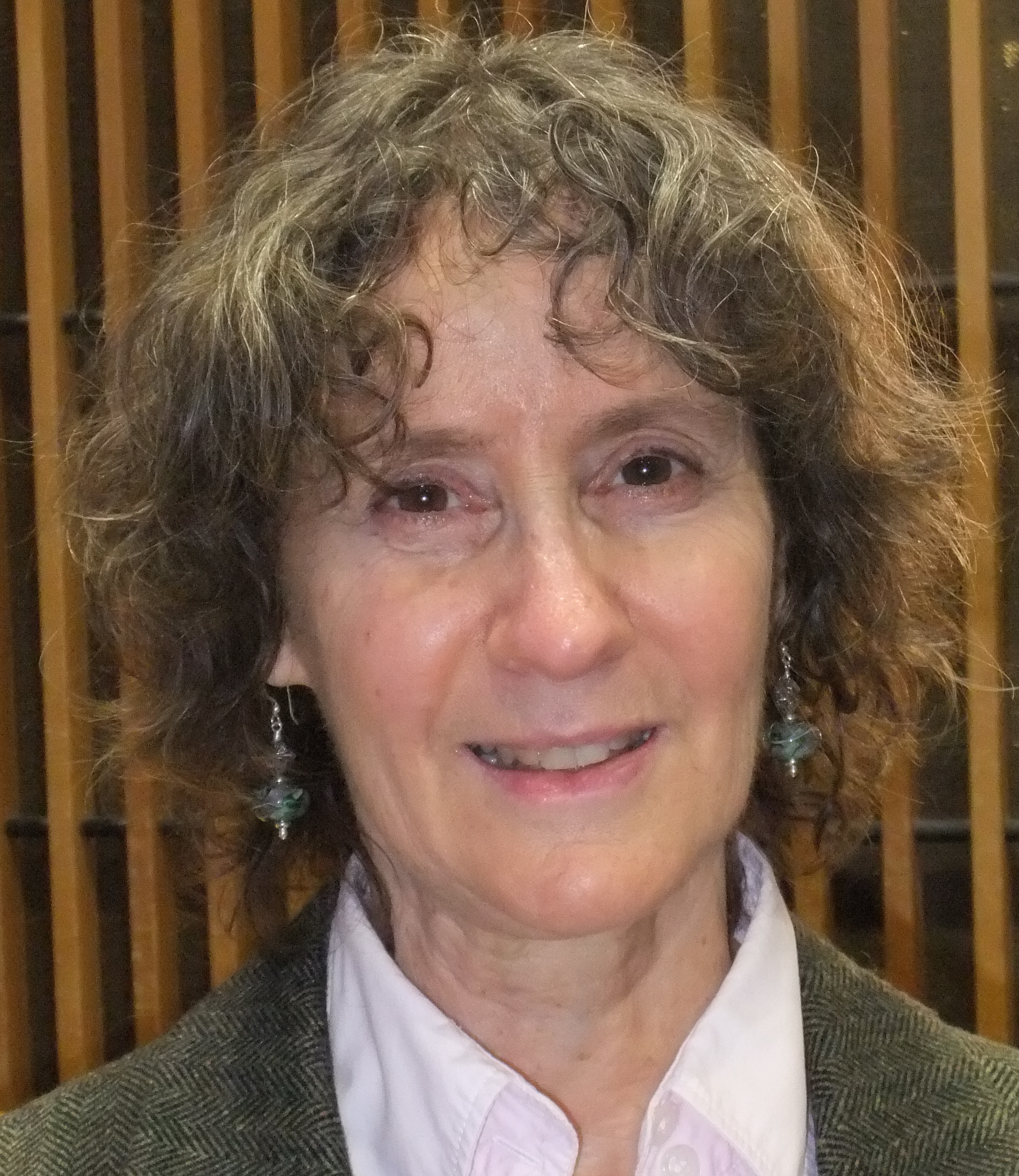
Irva Hertz-Picciotto
Irva Hertz-Picciotto is a slight woman stepping squarely into a brawl: the controversy over rising autism rates.
That the rates have been rising is undisputed. In the 1980s, about 6 of 10,000 were believed to have an autistic disorder, according to a 2007 paper. Today, autism spectrum disorders affect about 40 in 10,000. That’s a 600 percent increase, but opinions differ over what’s causing the increase.
Many researchers see forms of autism as predominantly inherited disorders whose diagnoses have dramatically increased, because parents have become more aware of telltale signs and children get diagnosed earlier, more frequently and with less severe symptoms than 30 years ago.
Others like Hertz-Picciotto, a professor of public health sciences at the University of California at Davis, aren’t so sure genes are the only culprits. But lacking data, they have had little to go on beyond questioning inconsistencies. How, for example, can it be that one identical twin has an autistic disorder but the other doesn’t, even though they share the same genetic information? Read more…

A Growing Field
Tuesday, December 7, 2010, 6:44 pm No Comments | Post a CommentMaking entire organs from scratch – bladders, skin, hearts – may sound like the workings of science fiction, but the efforts of many institutions in North Carolina demonstrate that regenerative medicine is more than just a pipe dream. Researchers from UNC, Duke, Wake Forest and NC State got together on Friday, December 3, to share their experiences with stem cells and regenerative medicine and come up with ways to speed up the clinical applications of the science.
“The use of stem cells in regenerative medicine has the potential to transform the way a variety of disorders in both humans and animals are treated,” stated chair Jorge Piedrahita as he introduced the symposium. “But, like other technologies and approaches, it must cross that inevitable bridge between the bench and the clinics.”
Networks like the Center for Comparative Medicine and Translational Research (CCMTR) at NC State, which sponsored the symposium, the NC Translational and Clinical Sciences (NC TraCS) Institute at UNC-Chapel Hill and the North Carolina Biotechnology Center in RTP exist to help bridge that gap.
Anthony Atala, director of the Wake Forest Institute for Regenerative Medicine, explained that the field is not as young as many might think, since the first journal article on regenerative medicine appeared over sixty years ago. Today, he says scientists at his institute can grow 22 different organs and tissues, but tricky organs such the liver, pancreas and nerves continue to elude them.
Atala and his colleagues were the first to implant a laboratory-grown organ into humans, effectively replacing the defective bladders of children and teenagers with functional organs grown from their own cells. He is now working to correct other devastating congenital anomalies, testing experimental models to restore reproductive function in individuals born without their sexual organs.
“At the end of the day the promise of regenerative medicine is not about the technologies we use or the cells we choose, it is all about making our patients better,” said Atala, who is also chair and professor of urology at Wake Forest.
Read more…
An argument for boosting federal funding for energy research
Wednesday, November 17, 2010, 4:43 pm 3 Comments | Post a Comment
Jim Trainham
Calls for Congress to boost federal funding for clean energy research are getting louder and Jim Trainham, executive director of the newly formed Research Triangle Solar Fuels Institute, is jockeying for a position in the chorus.
The University of North Carolina at Chapel Hill, Duke University, N.C. State University and RTI International formed the solar fuels institute this summer to give the Research Triangle Park area its due as an energy research hub.
“There’s a lot of expertise here,” Trainham said Tuesday during a presentation at the Triangle Area Research Directors Council.
From its four parents, the solar fuels institute got experts in chemistry, electrical engineering, material sciences and nanotechnology and a lofty goal: Tapping the sun to make liquid fuel. (Watch a Q&A with Trainham here.)
The technology to meet the goal could be developed in less than a decade, Trainham suggested at TARDC. The big question is how to pay for the research and development. Read more…
Disease and prejudice
Wednesday, November 3, 2010, 10:26 pm No Comments | Post a CommentThe risk of catching an infectious disease is high in India compared to the U.S. That’s a fact. So it’s no wonder when an American visiting India gets sick, right? Not so fast, says Mark Schaller.
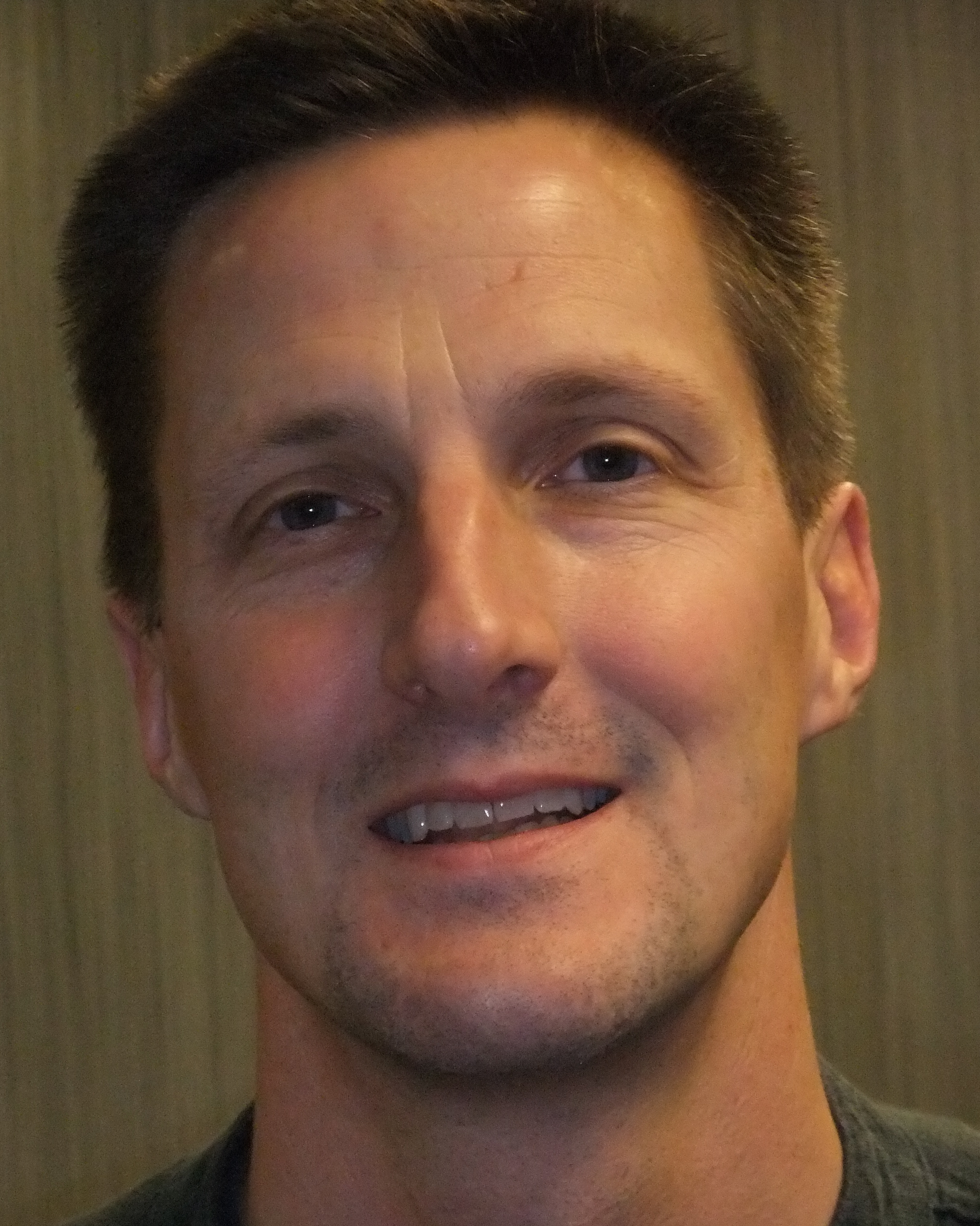
Mark Schaller
The psychology professor at the University of British Columbia in Vancouver suggested Wednesday after his presentation at N.C. State University that coming down with diarrhea or a fever in India may have just as much to do with a visitor’s expectations and fears as with the country’s abundance of bacteria and viruses.
Schaller comes by his suggestion through researching the relationship of behavior and disease.
Neither a medical doctor nor an expert in the human immune system, he focuses on what he calls the behavioral immune system: Behaviors that evolved over time as defenses against pathogens, including hygiene rituals, cooking practices and cultural attitudes toward anything foreign. Read more…
On the cutting edge: Three women in translational research
Wednesday, October 27, 2010, 9:16 pm 1 Comment | Post a CommentLarge pharmaceutical companies already leave much of the translational research to biotech companies and startups. But now, turning an idea into a potential product is gaining importance at U.S. medical schools as more and more university scientists are taking on the development of disease treatments and preventions.
In North Carolina, researchers at Wake Forest University are about to test a novel vaccine booster in healthy volunteers. The New England Journal of Medicine this month published the results of the first clinical trial of a therapy developed at the University of North Carolina at Chapel Hill to replace a defective gene that causes Duchenne’s muscular dystrophy. And Duke University researchers have come up with treatments for two rare diseases, Krabbe disease and Pompe disease, and are working on three more.

Dr. Priya Kishnani
The three scientists that the Raleigh-based Carolinas Chapter of The Indus Entrepreneurs invited to its life science panel discussion Tuesday at Brier Creek Country Club reflected not only this research & development shift, but as women they also succeeded in a male-dominated field.
One of the panel members was Dr. Priya Kishnani, a Duke pediatrician and geneticist, who was instrumental in developing Myozyme, a Pompe disease treatment that was approved in 2006 and is marketed by Genzyme.

Prabhavathi Fernandes
Kishnani was joined by Prabhavathi Fernandes, chief executive of Cempra Pharmaceuticals, and Christy Shaffer, former chief executive of Inspire Pharmaceuticals.
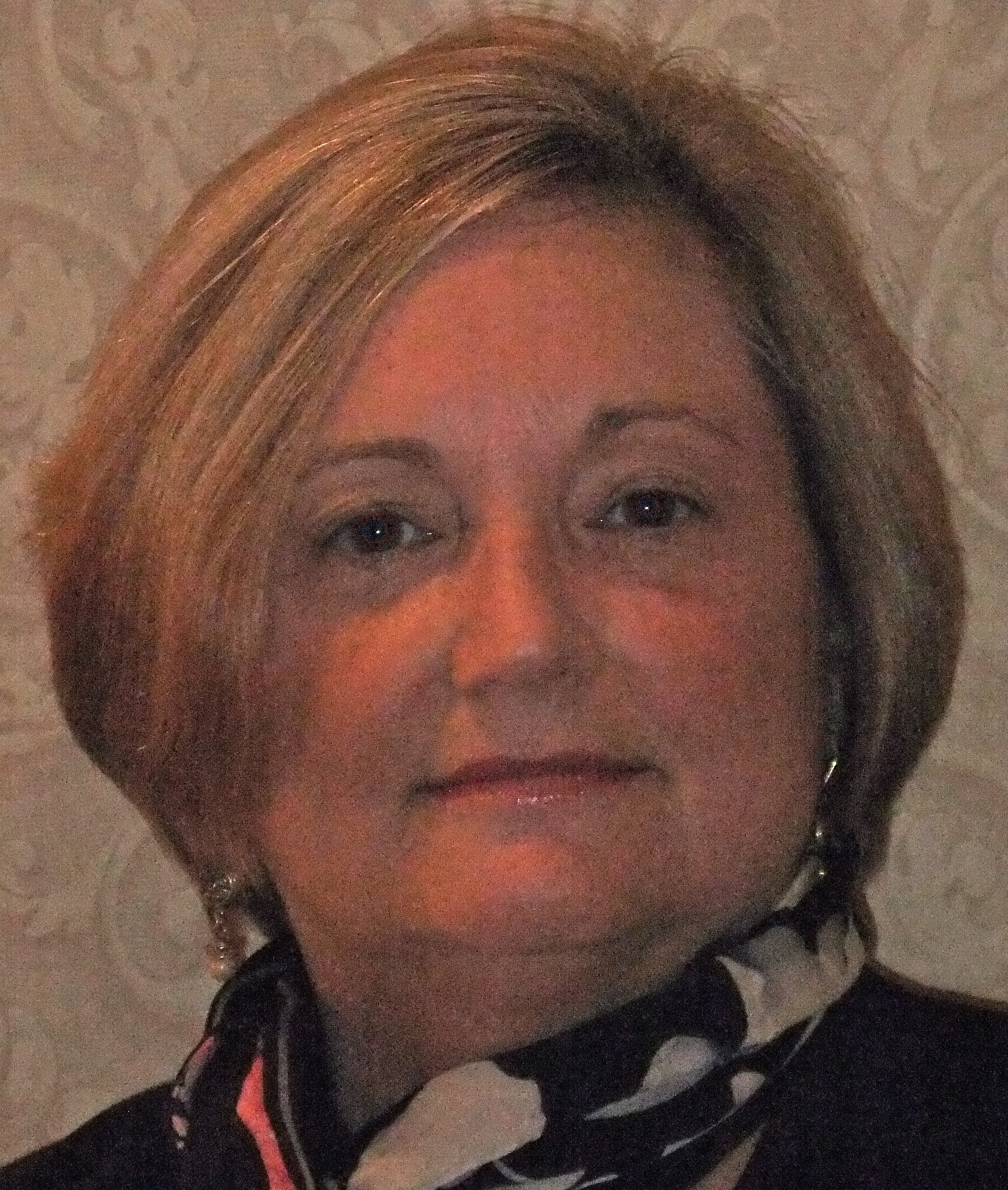
Christy Shaffer
Research Triangle Park was established to bring together academia and industry and develop research-based products. In that respect, Cempra, a 4-year-old Chapel Hill startup that has raised $60 million in venture capital to develop new antibiotics, and Inspire, a publicly traded Durham company with about $100 million in annual revenue, are driving forces in the home-grown life cycle of drug development.
The trio talked about what inspires them, whether they believe in an entrepreneurial gene and what’s unique about translational research in RTP. They also fielded questions from the audience, including one from Leslie Alexandre, former chief executive of the N.C. Biotechnology Center, on pricing of new medicines in the face of rising health care costs. Read more…
RTI unveils research gateway to secret U.S. Census and health data
Tuesday, October 19, 2010, 9:43 pm 1 Comment | Post a CommentThere’s U.S. Census data that’s easily available online, like the portion of the population below the poverty level (14.6 percent North Carolina, 13.2 percent U.S.), median household income ($46,574 North Carolina, $52,029 U.S.) and the percentage of the population that is foreign born (5.3 percent North Carolina, 11.1 percent nationwide).
And then there’s the secret U.S. Census data that only researchers with a security clearance can see.

Robert Groves
The Triangle Census Research Data Center that Robert Groves, director of the U.S. Census Bureau, opened Tuesday on RTI International’s campus in Research Triangle Park is a gateway to the secret kind of data, like detailed demographic and economic information from individuals, single households and individual businesses.
“We alone can’t extract all the insights,” Groves said. “We want to give the best minds in the country access to this data. RTP is blessed with a lot of smart people.”
The new center, which takes up part of a renovated one-story building on the RTI campus, is one of 13 nationwide. It also provides researchers access to detailed data collected by the National Center for Health Statistics. The sets of demographic, economic and health data are collected through questionnaires filled out by part of the U.S. population.
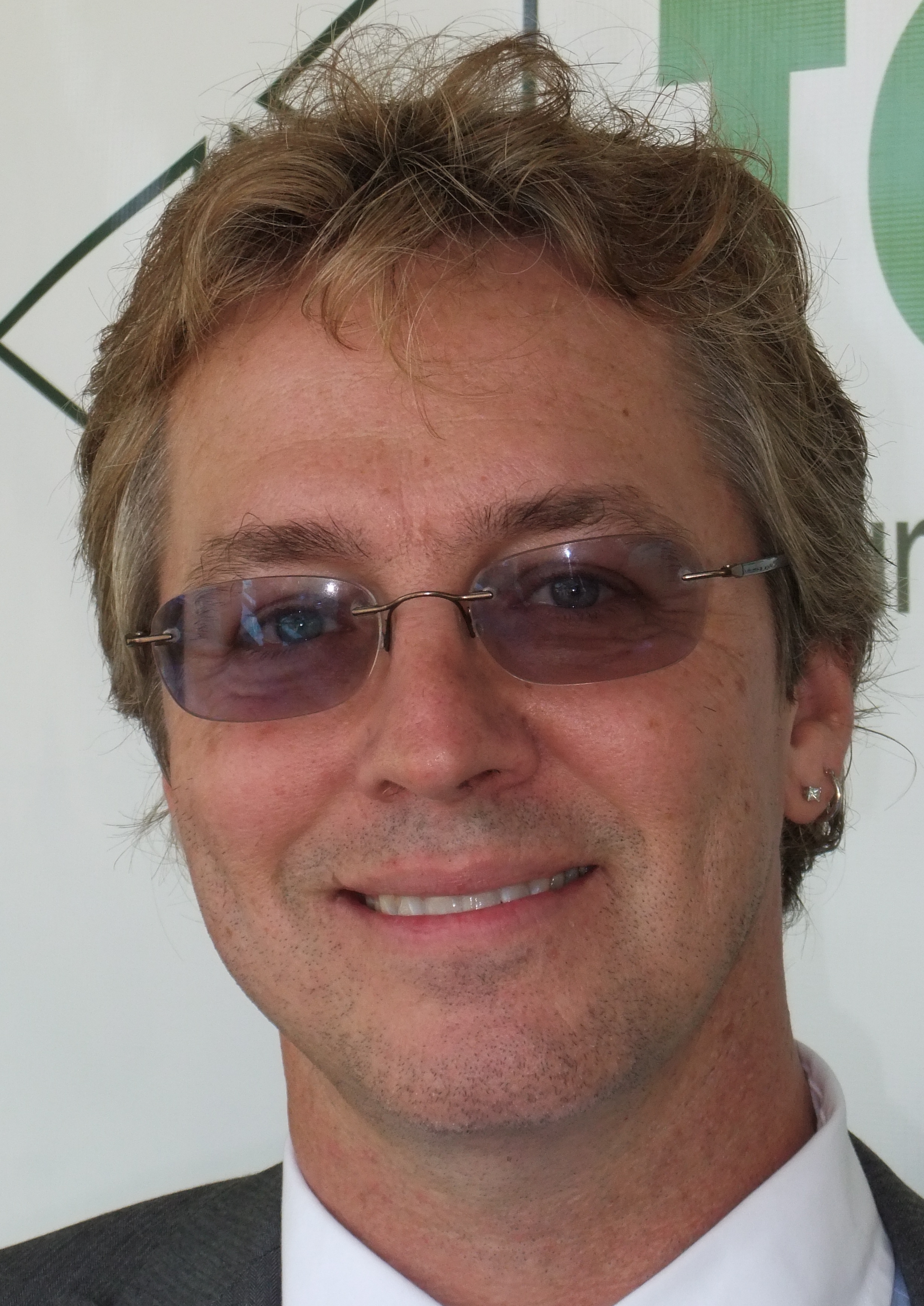
Gale Boyd
Even the secret data doesn’t include individual names, addresses or social security numbers, said Gale Boyd, a researcher in the economics department at Duke University and the center’s director. Still, access is restricted to protect those who fill out the questionnaires from harm and to preserve their anonymity.
Economists, sociologists, statisticians and others who want to work with the data need permission from the U.S. Census Bureau or the National Center for Health Statistics. Security clearances will take about three to four months, Boyd said. Law firms and private corporations need not apply, he said. “We’re not looking for private companies looking for profits.”
For the past 10 years, Boyd headed a smaller version of the center at Duke, which will remain open for now. The larger center on the RTI campus, which has nine cubicles with computers that tap into the databases at the U.S. Census Bureau and the National Center for Health Statistics, has an annual budget of about $300,000, provided by the University of North Carolina system and Duke. RTI’s contribution is the building.
RTI, Duke and UNC researchers who receive permission to use the center don’t have to pay to access the data. Researcher from other institutions pay a fee for the access.
Astrobiology “is way beyond hunting for little green men.”
Wednesday, October 6, 2010, 7:47 pm 1 Comment | Post a CommentWhat is somebody who tracks the way life evolved on Earth doing at NASA?
Lynn Rothschild, a research scientist at NASA’s Ames Research Center, suggests that evolutionary biology, not just geology and astronomy, holds answers to questions that scientists have asked for thousands of years: Where do we come from? Are we alone in the universe? And where are we going?

Lynn Rothschild
During a seminar Wednesday at the National Evolutionary Synthesis Center in Durham, Rothschild argued that studying life on Earth under the most extreme conditions can provide clues where to search for life elsewhere in space - life that may be a lot more primitive than little green men who build radio transmitters capable of sending signals powerful enough to reach Earth.
Astrobiology, Rothschild said, “is way beyond hunting for little green men.”
Evolutionary biology is based on the fact that all life, from microbes to plants to humans, adapt when push comes to shove. Poor adaptors disappear, good adaptors multiply. About 150 years after Charles Darwin grasped the dynamics of natural selection, evolution is still not universally accepted. Uniformed police officers recently attended a Rothschild talk in Texas to make sure everybody in the audience behaved.
 Astrobiologists start with the building blocks of life in our solar system, which is part of the Milky Way, a relatively old galaxy at about 13 billion years of age.
Rothschild counts organic carbon, carbon that is part of a molecule, as a building block of life. It’s the fourth most common chemical element in the universe and various molecules containing carbon can be found in space, even molecules needed in the construction of genetic information.
She is not as sure that water and oxygen are essential building blocks of life.
Here’s why: life forms that have adapted to extreme conditions on Earth.
Single-cell microorganisms can be found near hot springs and in salt lakes. Flamingos and algae thrive in ammonia water. Some plants can survive in areas with just 1-inch of rainfall per year and high radiation from ultraviolet rays.
Based on what evolutionary biologists have learned from extremophiles, life forms that push the limits, Rothschild pinpoints the following places in the solar system where life might have been or might be possible:
- Venus could have been Earth’s twin, but a run-away greenhouse effect turned it into an 800-degree-Fahrenheit inferno.
- Mars could have been where life originated, even though no organic carbon has been fund.
- Jupiter moon Europa and Saturn moons Titan and Enceladus could support some type of life underneath the miles of ice that covers them.
More about NESCent planning to get into astrobiology here.
Mixing Carolina blue and Duke blue … and Wolfpack red
Tuesday, October 5, 2010, 9:57 pm 1 Comment | Post a CommentOff the athletic field, more Tarheels and Blue Devils may have difficulty picking Carolina blue from Duke blue.
The two athletic rivals, whose campuses are 15 miles apart, have added another opportunity for academic collaboration among their students.
Started Monday, the Kenan-Biddle Partnership offers about $5,000 per calendar year for projects in the arts, sciences and humanities that students at Duke University and the University of North Carolina at Chapel Hill propose to do together. Proposals that are made jointly by students from Duke and UNC have preference.
Another program to mix the two blues already exists. The Robertson Scholars Program, which has been around for a decade, is a merit-based scholarship that allows 18 students at Duke and UNC each to take classes at either institution.
But wait, the academic collaboration even extends into Wolfpack territory. Students at Duke’s Nicholas School of the Environment have figured out how to take classes at UNC-CH and N.C. State University. A free shuttle runs from Duke to UNC-CH every 30 minutes and students carpool to get to NCSU about 30 miles away.
With permission from the Nicholas School, here’s how signing up for class across the Research Triangle works:
Giving patients a voice could raise number of minorities, women in clinical studies
Monday, September 27, 2010, 10:28 am 1 Comment | Post a CommentAn oncoming heart attack tends to cause back pain and nausea in women and chest pain in men. Diuretics work better to treat hypertension in blacks than in whites. Asian Americans have higher cancer and tuberculosis rates than other ethnic groups and Latinos carry a higher risk to develop diabetes.
That one size doesn’t fit all in understanding and treating disease is a topic for casual conversation around water coolers in many places. In North Carolina’s Research Triangle Park area, it’s a reason to hold a conference.
Dozens of epidemiologists, nurses and community activists spent a whole day talking about health disparities and research to abolish them at N.C. Central University, where the second Clinical Research Education Day took place Saturday.
They talked about the Diabetes Improvement Project in Durham, for example. Launched in 2005, it’s an effort by Duke University, community organizations and churches to improve the health of African American diabetes patients. Diabetes is one of five conditions which disproportionally affect minorities; HIV/AIDS, cancer, cardiovascular diseases and obesity are the other four.
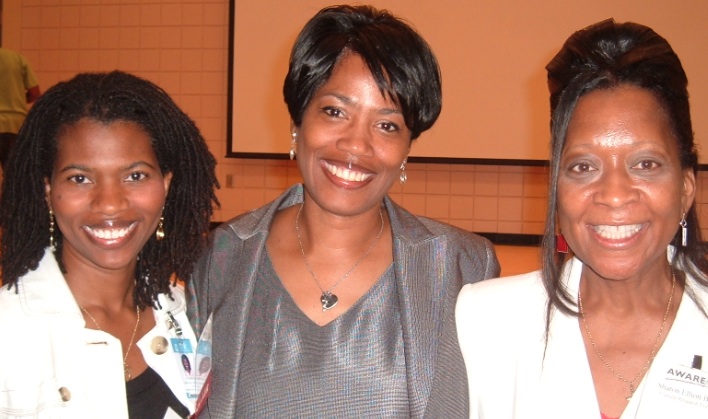
From left, Cheryl Woods Giscombe, Lori Carter Edwards and Sharon Elliott-Bynum.
They talked about the African American Collaborative Obesity Research Network, or AACORN, a Philadelphia-based initiative that has collaborators at several universities in the RTP area. And they talked about how research programs team up with community activists to overcome racism in biomedical research and to recruit more minority participants for studies.
“No more Tuskegee,” said Sharon Elliott-Bynum, a nurse and founder of CAARE, a community initiative that provides services to homeless veterans, substance abusers, HIV/AIDS patients and seniors. She was referring to the Tuskegee Syphilis Study, one of the worst examples of unethical biomedical research in the U.S.
“You can be an agent of change,” Elliott-Bynum added. “But you’ve got to be at the table.”
In an interview with Science in the Triangle, Elliott-Bynum, Lori Carter Edwards of Duke University and Cheryl Woods Giscombe of the University of North Carolina at Chapel Hill talked about how to improve research and get the study results to address health disparities. Listen to the audiotaped interview:
Audio clip: Adobe Flash Player (version 9 or above) is required to play this audio clip. Download the latest version here. You also need to have JavaScript enabled in your browser.
White House: Tough year ahead for R&D funding
Thursday, September 9, 2010, 7:59 pm 1 Comment | Post a CommentIncreases in federal funding for research and development in the past 10 years - from the doubling of biomedical research dollars to the stimulus money - have created jobs and supported the economy in R&D hot spots like North Carolina’s Research Triangle area.

Kei Koizumi
But concerns about the rising U.S. deficit now threaten to slow the flow of federal R&D funding to universities, research institutes and companies developing new technologies. Budget proposals for the fiscal year starting October 2011 are due Monday and the Obama administration has asked all federal agencies to cut funding requests by 5 percent.
The five months of budget negotiations that are ahead will determine whether R&D funding can be protected from the cuts, Kei Koizumi, assistant director for federal R&D in the White House Office of Science and Technology Policy, told faculty at the University of North Carolina at Chapel Hill Wednesday.
Regardless of the outcome of the negotiations, Koizumi said, “it’s going to be a very tough year.”
With the same amount of money or less to go around, more new research projects might languish for lack of funding and existing projects might have to be scaled back in favor of others with a higher priority.
Health, clean energy, global climate change and security remain among the R&D priorities of the Obama administration, Koizumi said. But the budget may also include some new funding ideas, such as experimental approaches to bring new technologies to market and a shift in how to balance research that is relevant today and high risk-high return research that could prove transformational in the long term.
Results of these policy discussions and budget negotiations will reverberate in R&D hot spots, where federal R&D funding supports a significant part of the local economy.
 U.S. industry, nonprofits and taxpayers invest about $400 billion every year in R&D.
The federal government’s share is about 37 percent, or $147 billion. That’s up about 50 percent since 2000 thanks to initiatives to boost biomedical research and advances in clean energy and engineering.
Meanwhile, R&D spending in the Research Triangle about doubled.
In 2008, Duke University, UNC-CH, N.C. State University and RTI International, a research institute in Research Triangle Park, spent about $2.34 billion on R&D, according to a survey by the National Science Foundation and RTI’s annual report.
North Carolina was also among the states that benefited the most from stimulus money earmarked for R&D in the past 18 months - the three universities and RTI were awarded more than $225 million just from the National Institutes of Health.
Hundreds of R&D jobs have been created in the Triangle backed by stimulus funds and university researchers are already asking what will happen with these jobs once the funding runs out.
“There’s not going to be another stimulus,” Koizumi said. “There is some adjustment coming.”
Find Koizumi’s slide presentation here.


