Posts Tagged ‘NCSU’

To rein in dengue fever, researchers go after the virus and mosquitoes
Thursday, February 3, 2011, 12:29 am No Comments | Post a CommentThe high-pitched hum of a mosquito increasingly carries the threat of disease in many parts of the world.
Mosquitoes can transmit West Nile, malaria, yellow fever, chikungunya and other viral diseases when they bite. The infections kill more than 1 million people every year.
Researchers in North Carolina’s Research Triangle are working on stemming the spread of mosquito-borne diseases, particularly dengue fever.
Globalization and poorly planned urbanization has increased the number of dengue infections more than four-fold since 1970s, putting two-fifths of the world population at risk, according to the World Health Organization. Along with the spread of the virus to about 60 countries, the risk of hemmorrhagic dengue fever has gone up. The severe form of the disease has become a leading cause of hospitalization and death among children in Southeast Asia.

Aravinda de Silva
“Dengue is a huge problem in the tropics,” said Aravinda de Silva, assistant professor of microbiology and epidemiology at the University of North Carolina at Chapel Hill.
U.S. travelers to Southeast Asia, Latin America and Africa can get infected - four cases of dengue fever were reported in North Carolina last summer - but local mosquitoes rarely pass on the virus outside of Hawaii and the Florida Keys.
De Silva spoke Tuesday at a forum on emerging infectious diseases at the N.C. Biotechnology Center. Other speakers were Katia Koelle, assistant professor of biology at Duke University, and Fred Gould, professor of agriculture at N.C. State University. The three talked about research under way to prevent dengue and possibly other mosquito-borne diseases. Read more…
Bed bugs make entomologists itch, too
Tuesday, January 25, 2011, 10:56 pm 1 Comment | Post a Comment
bed bug
Anything that sucks our blood while we lie in bed sleeping is bound to stir strong feelings. Think vampires and the many movies they have inspired even though vampires are at best folkore.
Bed bugs are real. They’re nocturnal but will come out during the day if they’re really hungry. They cannot live without human blood. They’re small but still visible. And as six-legged creepy crawlies their ick factor outranks any of the 170 movie versions of Count Dracula.
They’re also on the rebound.
A century ago, “Sleep tight, don’t let the bed bugs bite,” was not a children’s book. It was something parents said when they tucked in their children at night, and they meant it. Then the insects stopped being a pest in the U.S.
In the early 1990s, they were back in hotels, motels and private homes. Two decades later, the insects are becoming a nightmare in low-income housing, nursing homes and apartment buildings, said Coby Schal, an entomologist at N.C. State University who is a bed bug and cockroach expert.
“But it’s just the beginning of the problem,” Schal said Tuesday during a pizza lunch talk he gave at Sigma Xi in Research Triangle Park. Read more…
“Dude, you make bananas happen,” or why humans are apes
Saturday, January 22, 2011, 1:44 am No Comments | Post a CommentWhat Brian Hare says might rub people who quibble about evolution the wrong way.

Brian Hare
Hare, an assistant professor of evolutionary anthropology at the Duke Institute for Brain Sciences, says humans are apes.
Indeed, on the timeline that tracks the evolution of hominids, we are between chimpanzees and bonobos on the left and gorillas and orangutans on the right.
“Humans are slap dab in the middle of the great ape clade,” Hare said during a talk he gave Friday at N.C. State University’s biology department.
But wait a minute. We may share 98.7 percent of our genetic material with apes, but we’ve accomplished a lot more than they have. We speak and write books. We pray. We build cities and pay with money that’s part of a global financial system. We join different groups. We depose dictators. Apes live in trees. They grunt and scream. Their allegiances tend to be with one group only and they usually follow a strict ranking system.
To figure out how we humans got to be that way, researchers have begun to set up experiments with chimpanzees and bonobos, the apes most closely related to us. Hare’s research is based on these experiments. At Duke, for example, he has access to two sanctuaries, the Tchimpounga Natural Reserve in the Republic of Congo and Lola y Bonobo in the neighboring Democratic Republic of Congo, a country formerly known as Zaire. Read more…
Can RTP-based effort nip a Frankenwoods scare in the bud?
Thursday, December 16, 2010, 9:38 pm No Comments | Post a CommentNearly a decade after genetically modified foods garnered criticism as so-called Frankenfoods, most of the corn, canola and soybean plants grown commercially in the U.S. are genetically modified. Golden rice, modified to contain high amounts of vitamin A, is expected to come to market within two years. But crops that have been engineered in a laboratory to withstand herbicides or pests, to grow faster or to contain important nutrients still raise safety and ecological concerns - particularly in Europe.
Genetically modified trees could be next in line for global public scrutiny.
Much of the Hawaiian papaya crop is already grown on trees modified to resist a fungus that devastated the majority of Hawaii’s unmodified papaya plantations. A plum tree modified to resist blight and a tropical eukalyptus tree that can deal with freezing temperatures in the southeastern U.S. are up for regulatory approval and genetically modified trees for wood products, including biomass to make cellulosic ethanol, are being grown on research stations nationwide.
Anticipating criticism, academic and corporate proponents of biotech trees banded together to nip a “Frankenwoods” scare in the bud.
The effort was spearheaded by two nonprofits based in North Carolina’s Research Triangle area, the Institute of Forest Biotechnology and the Biofuels Center of North Carolina, and generated stewardship principles that promote transparency of the genetic modification and the tree’s origin.
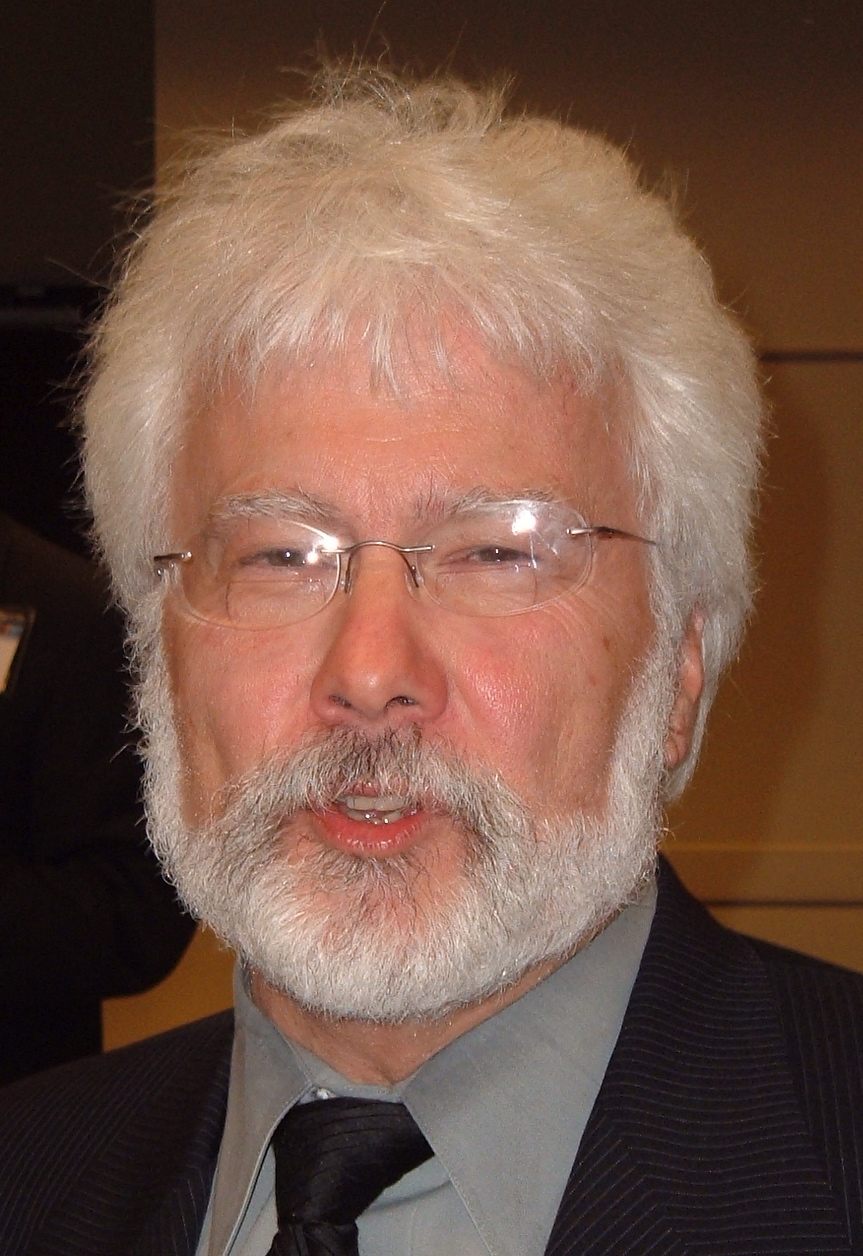
Steven Burke
The 426-acre campus of the Biofuels Center, a former U.S. Department of Agriculture tobacco research station about 30 miles north of Research Triangle Park, is also the first field study site where genetically modified forest trees will be grown in accordance with the stewardship principles. Read more…
North Carolina’s medical device industry faces strong headwinds
Wednesday, December 1, 2010, 11:17 pm 1 Comment | Post a CommentStrengthening the emerging medical device industry in North Carolina, a state better known as a biotech hub, is a no-brainer no longer.
Sure, North Carolina’s universities are still brimming with ideas, students to test new technologies in a lab and professors to lend their expertise to startup companies, especially in the Research Triangle Park area, home to biomedical engineering departments at Duke University, the University of North Carolina at Chapel Hill and N.C. State University and two teaching hospitals.
But raising cash to pay for development has become more difficult in the past two years, according to two venture capitalists and an investment banker who addressed the challenges facing medical device companies Tuesday at North Carolina’s third Medtech conference, which took place in Durham.
Regulatory scrutiny and cost-saving pressures at hospitals have also increased, according to Ernst & Young’s medical technology report 2010.
Mike Constantino
The medical device business used to be a haven of gadget geekdom, “focused on the newness, the sexiness” of the latest technology, said Mike Constantino, Southeast area life sciences industry leader at Ernst & Young’s office in Raleigh. “Whether patients were getting better was secondary.”
Now, being new is no longer enough. The technology must increase efficiency and improve health outcomes.
Overall, the U.S. medical device industry has fared better than most other industries during the recession, according to Ernst & Young’s report.
Large companies have access to plenty of capital. For example, AGA Medical, a Minneapolis device maker with nearly $200 million in annual sales, raised $94.4 million in an initial public offering a year ago.
But the situation is different for companies with less than $50 million in annual revenue or startups relying on investors to develop a product and bring it to market. That’s the industry segment where many North Carolina device makers fit.
The state’s medical device industry consists of close to 400 companies, according to Ibility, an industry organization that was founded last year with the help of $2.5 million in state funding. A listing of about 250 of them shows that at least 40 percent of them have 20 or fewer employees.
About one-third of North Carolina’s 400 medical device companies have operations in the RTP area, including startups like Physcient, companies with products on the market like Bioptigen and Metabolon and publicly traded companies like New Jersey-based BD.
BD, which generates more than $7 billion in annual sales, this year finished a $12.7 million renovation of its technology and innovation center in RTP, opened a $14 million manufacturing facility west of Durham and announced plans to build a distribution center southeast of Raleigh. (Read about BD’s expansion in North Carolina here.)
With fewer than 20 employees and less than $5 million in annual revenue each, Metabolon and Bioptigen have to rely on venture capital and other private investors to develop new products and get regulatory approval to sell them.
Metabolon‘s latest product is a biomarker test that identifies people at high risk for diabetes. Bioptigen has developed scanners that map the back of the eye in microscopic detail and allow surgeons to identify diseases at early stages.
Physcient, a three-year-old startup, is working on its first product, an surgical tool that opens the rib cage for heart and lung surgeries. The tool, which can be operated electronically with a smart phone, inflicts less damage to tissue and bone than mechanical thoracic retractors that have been used in hospitals for more than 70 years.
Private investors are key to keep the lights on and the development going at Physcient.
All medical device companies, regardless of size, have to deal with more stringent regulatory scrutiny, which add time and costs to the approval process, as well as cost-savings pressures at hospitals and a new 2.3 percent excise tax on medical device sales that takes effect 2013, both results of health care reform. But small companies and startups face an additional challenge: A crunch in venture capital investments, particularly in early-stage rounds.
In 2009, medical device companies raised less than $3 billion in venture capital in the U.S., according to the Ernst & Young report. Only 13 percent of the rounds were early-stage, the least since 2001.
North Carolina was absent from the map of U.S. regions that led in funds raised by medical device companies, even though one company, Durham-based TransEnterix, made the top 10 venture rounds list with a $55 million fundraiser completed in October 2009.
An argument for boosting federal funding for energy research
Wednesday, November 17, 2010, 4:43 pm 3 Comments | Post a Comment
Jim Trainham
Calls for Congress to boost federal funding for clean energy research are getting louder and Jim Trainham, executive director of the newly formed Research Triangle Solar Fuels Institute, is jockeying for a position in the chorus.
The University of North Carolina at Chapel Hill, Duke University, N.C. State University and RTI International formed the solar fuels institute this summer to give the Research Triangle Park area its due as an energy research hub.
“There’s a lot of expertise here,” Trainham said Tuesday during a presentation at the Triangle Area Research Directors Council.
From its four parents, the solar fuels institute got experts in chemistry, electrical engineering, material sciences and nanotechnology and a lofty goal: Tapping the sun to make liquid fuel. (Watch a Q&A with Trainham here.)
The technology to meet the goal could be developed in less than a decade, Trainham suggested at TARDC. The big question is how to pay for the research and development. Read more…

Science Cafe spreads understanding of bacteria over beers
Friday, November 12, 2010, 5:14 pm 2 Comments | Post a Comment
Sophia Kathariou talks microbes to a crowd at Mitch’s Tavern in Raleigh.| Photo by Tyler Dukes
Note: Story cross-posted from Scientific American.
Sophia Kathariou is the kind of scientist who can turn food-borne bacteria into great dinner conversation.
The associate professor of food science and microbiology at N.C. State University in Raleigh spoke about her work Thursday night at Mitch’s Tavern, a longtime haunt for professors and students alike. The talk was one of Sigma Xi’s Science Cafés, which aim to promote science among the public.
Over local craft brews, Greek salads and gumbo, Kathariou was quick to mention the softer side of bacteria. Whether we hear about them “attacking our immune system” or “weakening our defenses,” she said the militaristic tone of communication about microbes has to change.
“Society has been trained to think about microbes and bacteria as enemies. This could not be further from the truth,” she said. “They are part of who we are and what we do.” Read more…
The cybershrink will see you now
Friday, November 5, 2010, 9:05 pm 2 Comments | Post a CommentHow many people do you know who see a shrink? Marriage counseling, anger management, alcohol addiction. Therapists help identify and work through problems people have with others or themselves. Real-life problems. But what about virtual-life problems?
The Internet is a technology that is transforming the way we work, live and play one cell phone text, one tweet, one Facebook update at a time. When machines stop being mere tools and become companions, friends and emotional crutches, who do we call? The cybershrink.

Sherry Turkle
For the second lecture in its seminar series on engineering, policy and society Thursday, N.C. State University called on a clinical psychologist and sociologist who is the original cybershrink: Sherry Turkle, a professor at the Massachusetts Institute of Technology whose research has focused on people’s relationship with technology, particularly computers, for more than 30 years.
When Turkle started her research, bright minds at MIT wondered how we would keep computers busy.
Turkle recalled a two-day brainstorming session in 1978 where researchers tried to come up with ways to use computers. Ideas included tax preparation and games, she said. “Somebody suggested calendar and was told it was a dumb idea. Now we know, once computers connected us, once we were tethered, they keep us busy. We’re their killer app.”
It’s probably safe to say that the dark side of the Worldwide Web, mobile networks and social media isn’t a topic that’s frequently explored among computer scientists, software engineers and gadget geeks working on the next generation of virtual technology or among researchers in biology and chemistry eager to use it.
Those who participate in this kind of discussion risk being called Luddites, especially in universities, which are among the most wired places on the planet.
Turkle is no Luddite and neither were the panelists who joined her as part of the NCSU seminar series, which is sponsored by the College of Humanities and Social Sciences, the College of Engineering, the Institute for Emerging Issues, the Kenan Institute for Engineering, Technology and Science and the science, technology & society program.
The Research Triangle area, home of open-source software company Red Hat and IBM’s cloud computing center and the East Coast hub of the U.S. gaming industry, has its own bright minds whose research deals with the way the Internet is affecting our everyday life.
Three of them joined Turkle on a panel following her presentation: Victoria Szabo, program director for information science and information studies at Duke University; David Roberts, assistant professor of computer science at NCSU and David Gruber, a doctoral student in communication, rhetoric and digital media at NCSU.
Together, they explored the good, the bad and the ugly of computer technology.
First, the good.
The good …
Computer technology has changed medicine, transportation, education, business, politics and the flow of information. It has the potential to make us faster, smarter, more productive and more powerful, regardless of where we are, who we are and how much money we have.
It has brought about whole new industries.
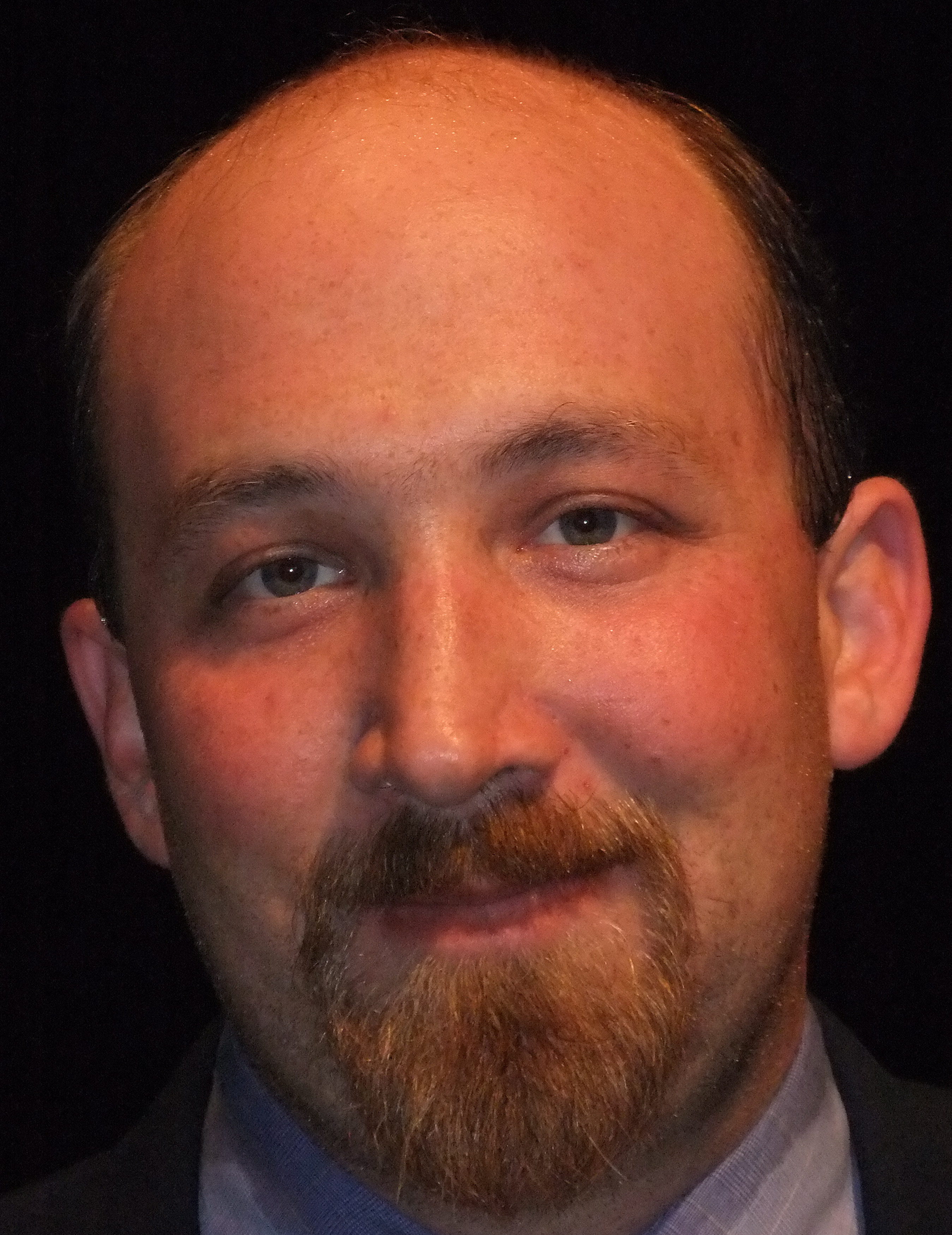
David Roberts
Internet advertising already generates more than $25 billion in sales per year and mobile advertising $1.6 billion, Roberts said. And ever more remote areas are getting connected.
Just a week ago, CNN reported the Internet is now available on Mount Everest. As proof, Roberts showed a photo he received from a colleague standing next to a rock at the Mount Everest base camp. She took the photo with her mobile phone and sent it to him.
The next frontier? According to Roberts, it’s your living room as Google TV combines television, the Internet, apps and a way to search across all of them.
Instead of trying to break free of the tethering, Roberts suggested we use it to our benefit. Examples he named were the Mannahatta Game, which allows players to trace Manhattan’s history by walking the streets with an iPhone, or the UbiFit Garden, mobile technology that encourages users to exercise.
But even Roberts nodded in agreement when Turkle suggested universities de-wire some, especially to prevent students from cruising the Internet and texting on their mobile phones while they should be listening to a lecture. Both agreed that the ability to multitask bears some of computer technology’s rather negative consequences.
… the bad …
Szabo said she’s glad blogging and texting are emphasizing writing. Computer technology allows people to share real-life experiences with others online. It’s this content that keeps interest in technology high, she said.
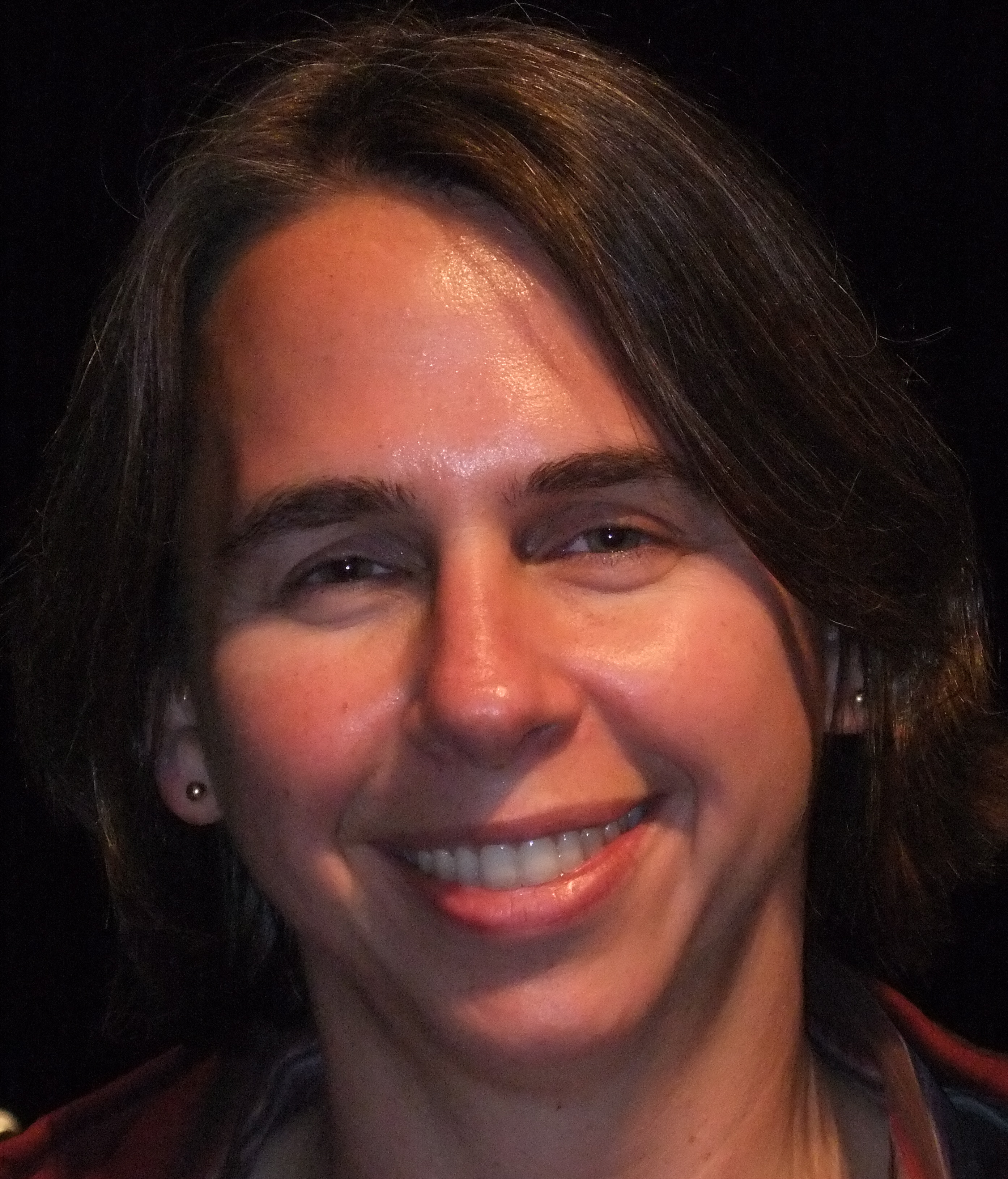
Victoria Szabo
Without content as added value, interest in technology wanes, Szabo said. That’s why Second Life, a computer-based virtual world built by Linden Lab, is losing money.
Educators at local universities and some schools extensively use Second Life as a teaching tool. Szabo said she manages three Second Life islands as part of her job at Duke, but she’s not going to pay twice as much rent for the land now that Linden Lab will remove the 50 percent discount for nonprofits and educators.
For Turkle virtual worlds like Second Life are places where our vulnerabilities are on display. We make our avatars, our virtual alter egos, thinner, younger and better looking and we dress them better than our real selves, she said.
At MIT, some of her colleagues even list the names of their Second Life avatars on their business cards.
Computer technology’s potential to expose vulnerabilities concerns Turkle in particular when it involves adolescents, the generation that grew up with the Internet and the mobile phone. For adolescents, the Internet is the perfect personality workshop at a time when they are looking for a place to experiment, she said.
They reach out for attention but instead get the illusion of companionship, Turkle said. “It’s the new state of hiding, We’d rather text than talk.”
Unplugged, they feel isolated, she said. When they’re plugged, in they feel overwhelmed by hundreds of text messages they receive on their mobile phones and by having to constantly update their Facebook pages.
“The point is not to denigrate the good,” Turkle said. “It’s to get a grip of what technology can offer us.”
Without that grip, computer technology can rear its ugly head.
… and the ugly
After interviewing adolescents for 15 years, Turkle brought some anecdotes to share.
Teens who slept with their mobile phones as if the devices were phantom limbs. The 16-year-old boy who told her that he looks for a pay phone that takes coins whenever he wants to make sure his call remains private. And then there was the young woman with the thumb splints, who opened the door painfully texting on her mobile phone. Turkle asked to see her flatmate and the young woman, rather than walk a few feet and knock on her flatmate’s door, preferred the pain and texted her.
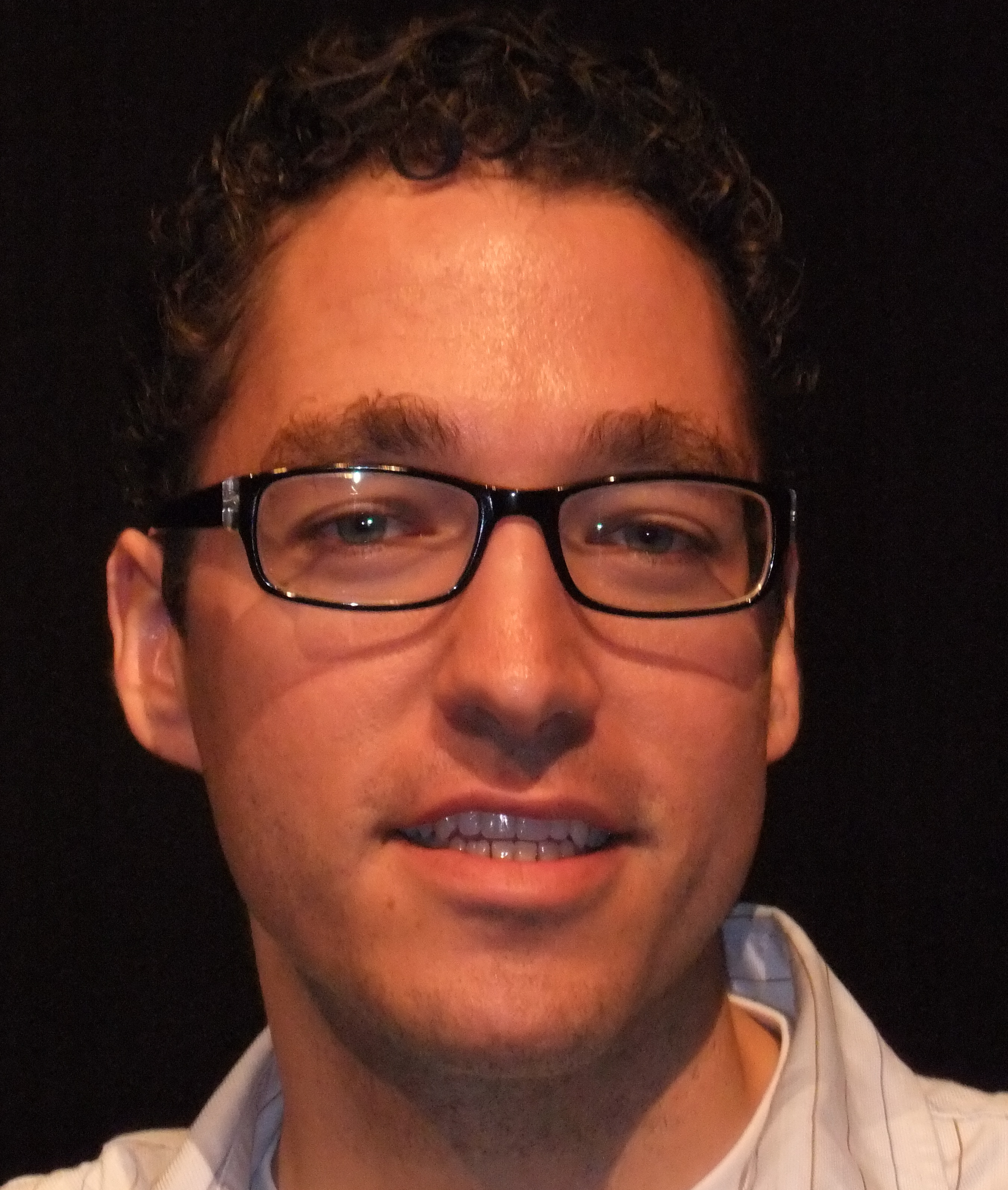
David Gruber
The risks of computer technology’s seductiveness prompted Gruber to wonder about what’s not changing despite the broad-ranging influences of the Internet, mobile phones and social media.
It’s an interesting thought.
By focusing more on what stays the same, it might become clearer whether computer technology merely puts on display and exaggerates existing societal weaknesses, or whether it creates them.
It might also provide a clue to who’s in charge, people or machines.
Disease and prejudice
Wednesday, November 3, 2010, 10:26 pm No Comments | Post a CommentThe risk of catching an infectious disease is high in India compared to the U.S. That’s a fact. So it’s no wonder when an American visiting India gets sick, right? Not so fast, says Mark Schaller.
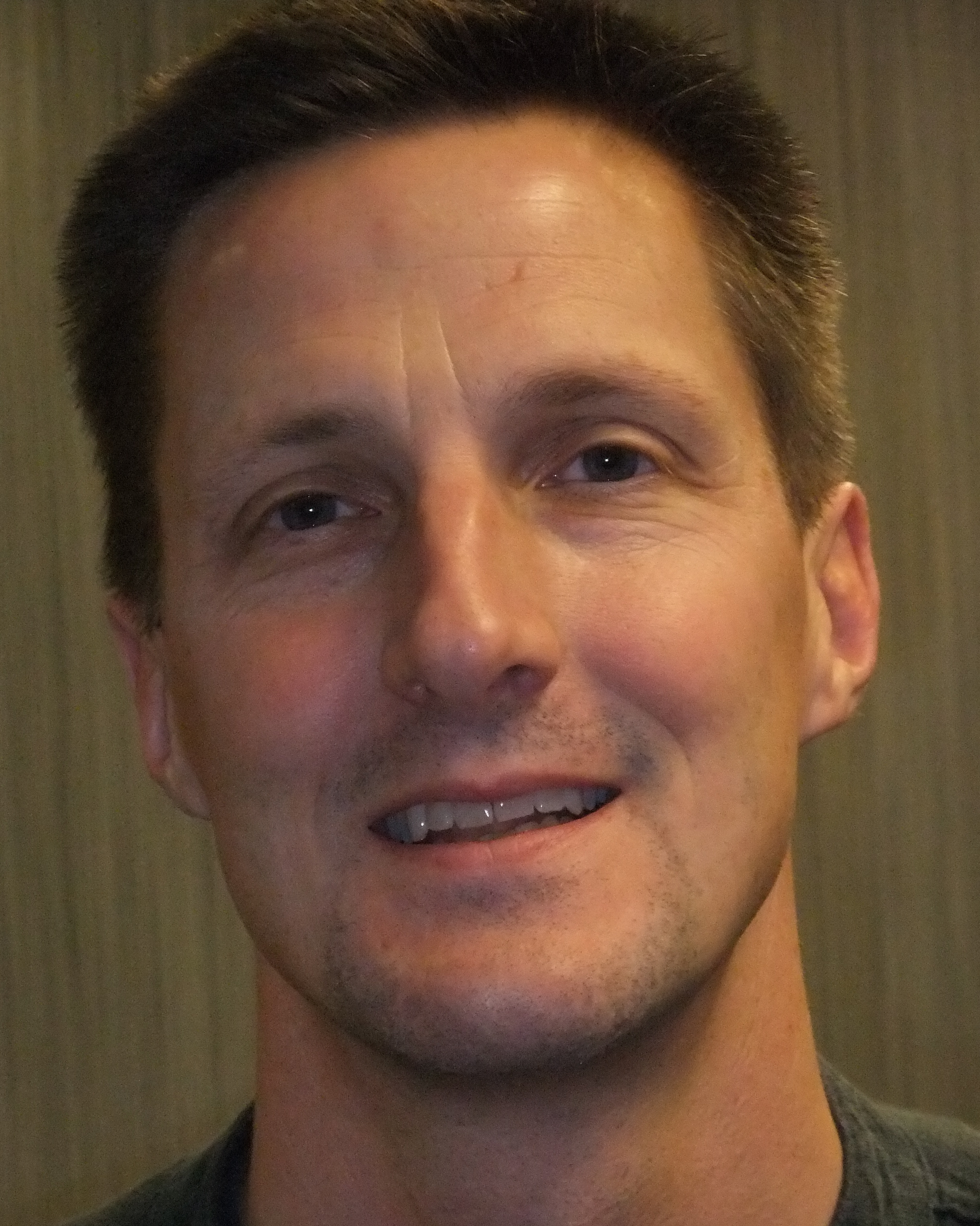
Mark Schaller
The psychology professor at the University of British Columbia in Vancouver suggested Wednesday after his presentation at N.C. State University that coming down with diarrhea or a fever in India may have just as much to do with a visitor’s expectations and fears as with the country’s abundance of bacteria and viruses.
Schaller comes by his suggestion through researching the relationship of behavior and disease.
Neither a medical doctor nor an expert in the human immune system, he focuses on what he calls the behavioral immune system: Behaviors that evolved over time as defenses against pathogens, including hygiene rituals, cooking practices and cultural attitudes toward anything foreign. Read more…
RTP researchers collaborate to tap the sun and make liquid fuel
Monday, October 18, 2010, 1:37 pm 2 Comments | Post a CommentNorth Carolina’s Research Triangle missed out on the U.S. Department of Energy’s $122 million to establish the nation’s solar fuels innovation hub - the prize went to the Joint Center for Artificial Photosynthesis, headed by the California Institute of Technology.
But that isn’t stopping research here to tap the sun and make liquid fuel the East Coast way.
Experts in chemistry, electrical engineering, material sciences and nanotechnology at the University of North Carolina at Chapel Hill, Duke University, N.C. State University and RTI International will be working together for the first time at the newly formed Research Triangle Solar Fuels Institute.
Jim Trainham, the institute’s executive director, has an annual budget of about $2 million to sustain the research effort, which will focus on the semiconductor panels tasked with splitting water into hydrogen and oxygen with the help of solar energy.
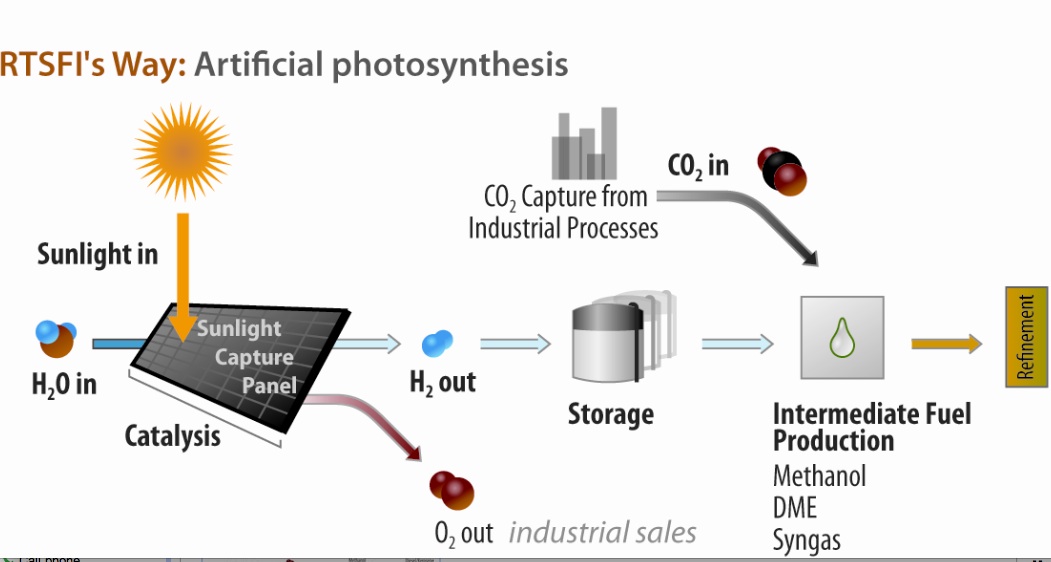
Solar fuel production the East Coast way.
But Trainham also foresees collaboration between researchers at the Research Triangle Solar Fuels Institute and the Joint Center for Artificial Photosynthesis, particularly in scaling up any solar fuels production methods and designing production plants.
Trainham also talked about the challenges the researchers are facing. Watch the Q&A with Science in the Triangle: