Posts Tagged ‘NCSU’

North Carolina adds another renewable to its energy sources
Tuesday, May 3, 2011, 10:56 pm No Comments | Post a Comment
Wind turbines
North Carolina is on the way to become a state with one of the largest photovoltaic solar farms and one of the largest wind farms in the U.S.
The N.C. Utilities Commission Tuesday approved plans of a Spanish company to build up to 150 turbines, each about 400 feet tall, near Elizabeth City in the northeastern corner of the state. If the $600 million project gets the necessary federal, state and local permits, it will be another large source of renewable energy that is produced in North Carolina.
About 270 miles west of Elizabeth City, near High Point, construction of the final phase of a $173 million solar farm with 63,000 photovoltaic panels is under way on about 200 acres.
The electricity the two projects are expected to generate - enough to provide power to about 62,000 homes per year - would become part of the energy blend that residential, commercial and industrial consumers in the state already receive from the power grid. The utilities commission has been goosing North Carolina power companies and cooperatives for three years to add energy generated from renewables to the mix.
Steve Kalland
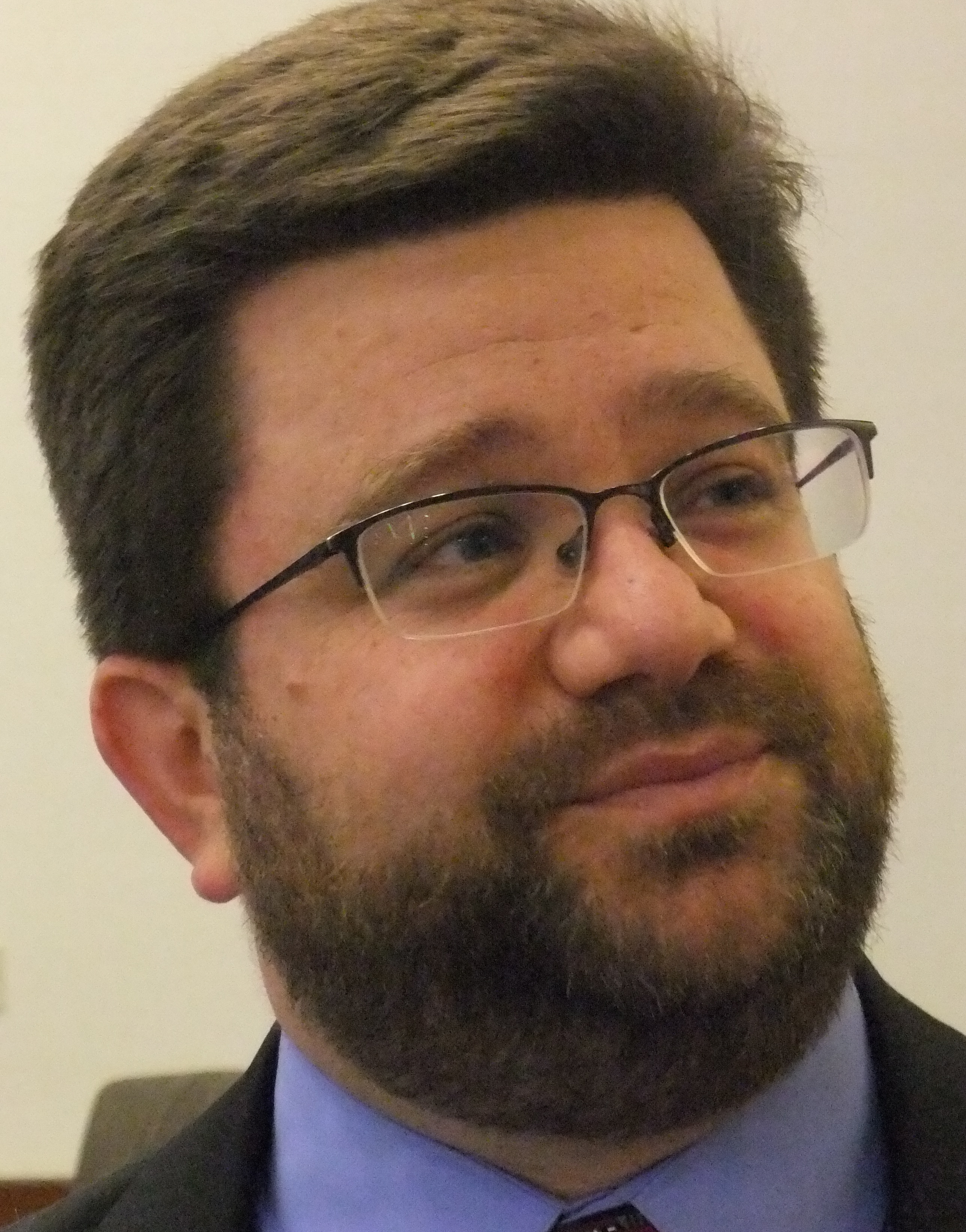
This regulatory pressure and industry incentives are key to successfully reduce America’s dependence on oil and lower the amount of harmful greenhouse gas emissions, Steve Kalland, executive director of the N.C. Solar Center, said during a recent meeting of the Triangle Area Research Directors Council in Research Triangle Park.
“It’s not a technology question anymore,” Kalland said. “Financing and regulatory are the two biggest barriers to move technologies forward.”
Energy from renewables is still more expensive than energy from traditional sources, such as oil and coal, Kalland said, but oil prices are going up and the price for green technology is coming down. “The trendlines say time is working in our favor.”
For the second time in three years, crude oil prices are above $100 a barrel and gas prices at the pump are closing in on $4 per gallon. Meanwhile, the cost to get solar panels installed in North Carolina has dropped 49 percent since 2007.
“Everytime oil goes up, we get a policy opportunity,” Kalland said. What he means by that is legislation that supports renewable energies, particularly federal legislation that deals with the differences in regulations from state to state. “Fifty states have 50 regulatory commissions, it’s something that cries out for federal intervention,” he said. But an array of special interests have so far foiled attempts to get anything done nationally.

Photovoltaic solar panels.
The North Carolina legislature has done more for renewable energy supporters.
In 2007, state lawmakers established renewable portfolio standards that the utilities commission tracks by making power suppliers file compliance reports. The standards say that by 2021, 12.5 percent of the energy that investor-owned utilities like Duke Energy supply must be generated from renewable sources. Solar, wind, biomass, tidal energy, landfill gas, swine and poultry waste all qualify and consumers must pay for part of the costs.
North Carolina is one of 32 states with such standards, according to information collected by the U.S. Department of Energy.

Swine waste.
For several years, the state has also offered a 35 percent renewable energy investment tax credit as an incentive to install solar, wind, geothermal and other renewable energy technology. Last year, the legislature added a tax credit for businesses and homeowners who install combined heat-and-power systems. CHP systems are up to twice as efficient than traditional heating and cooling systems.
If 20 percent of U.S. households installed CHP systems by 2030, the amount of energy consumed by U.S. households would be cut in half, the U.S. Department of Energy estimated.

Wood biomass
The carrot-and-stick approach has boosted the number of solar water heating installations and photovoltaic installations in North Carolina, ranking the state in the top 10 nationwide. In 2010, more than 100 solar energy companies operated in the state, employing more than 1,500, according to a report by the N.C. Solar Center.
The N.C. Sustainable Energy Association estimated that last year about 12,500 job in North Carolina were green.
SunEdison completed construction of the photovoltaic farm near High Point in January. Duke Energy has a 20-year contract to buy all of the power generated by the farm - about 17 megawatt, or enough to supply 2,600 homes per year.

Wave energy.
The wind farm that the U.S. subsidiary of the Spanish Iberdrola Renewables wants to build on about 20,000 acres in northeastern North Carolina is projected to produce up to 300 megawatt, or enough to supply 60,000 homes per year. The wind farm could start operations as soon as January 2013.
There’s potential for more to come off the coast.
A 9-month feasibility study that the University of North Carolina published in 2009 recommended that North Carolina pursue wind energy production aggressively. The study looked at locations offshore and in the Pamlico and Albermarle sounds and found 2,800 square miles within 50 miles of the coastline particularly well suited and worthy of further investigation.
Hurricanes are a threat to offshore wind farms, Kalland acknowledged during his TARDC talk. But insurance companies have no problem insuring the turbines.
RTP oncology startup gears up to launch first product
Wednesday, April 20, 2011, 7:15 pm No Comments | Post a CommentEditor’s note: North Carolina’s Research Triangle is home to hundreds of young companies. Scientists and entrepreneurs started them to develop technologies and medicines for better detection and treatment of diseases. Some of the companies work on innovations that are the result of research done at one of the area’s universities. Others are outgrowths of established companies. CivaTech Oncology, a startup that’s been around since 2006, employs two full-time and three part-time and is about to launch its first product, is one of those young companies.
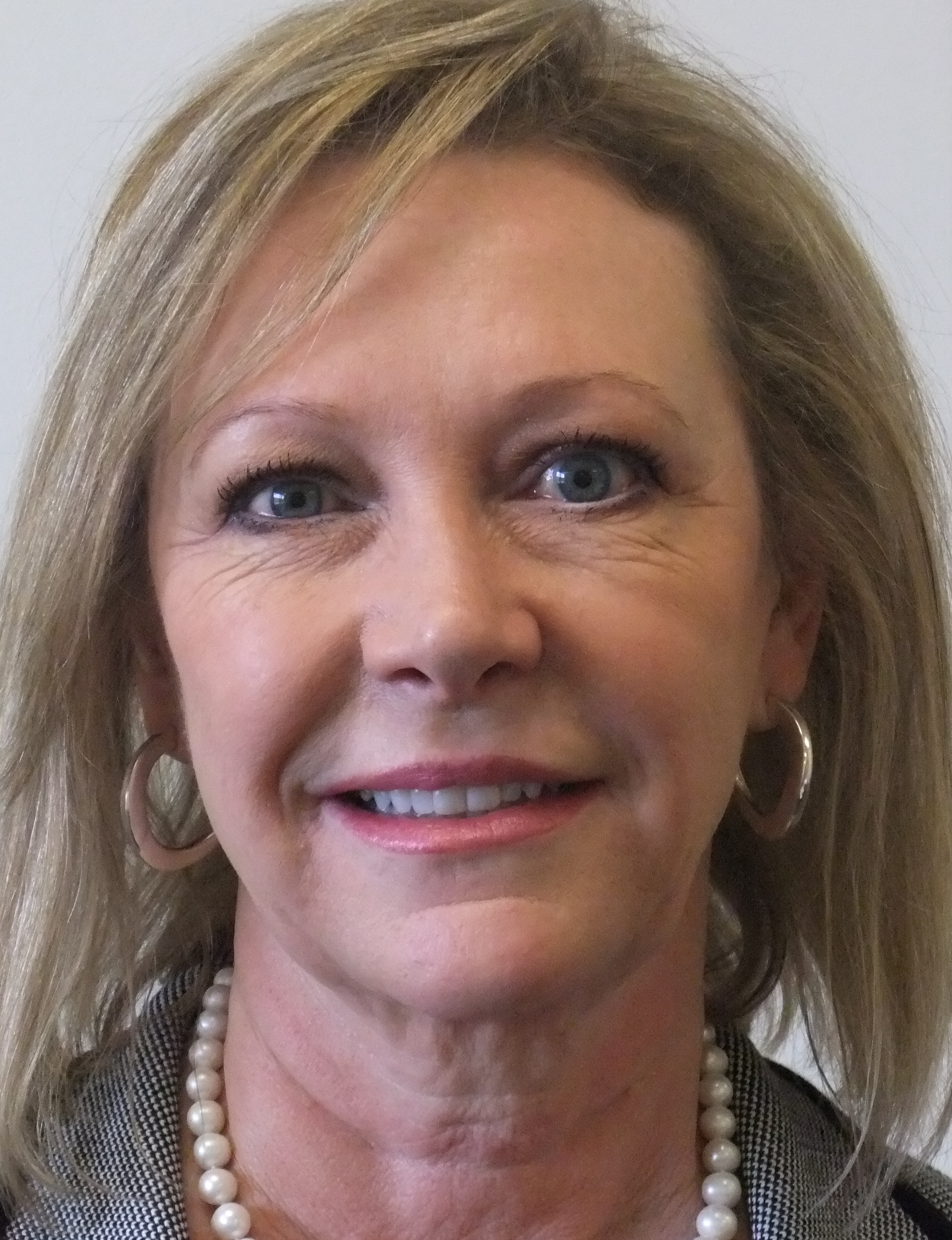
Much of the furniture in the about 2,500-square-feet that CivaTech occupies at Park Research Center, a 13-building complex in Research Triangle Park, is second-hand. As the company’s two full-time employees, Suzanne Troxler Babcock and Seth Hoedl have important-sounding titles - Babcock is executive chairwoman and Hoedl is chief science officer - but they rely on a team of part-time employees and consultants.
Suzanne Troxler Babcock
Like many startups, CivaTech operates on a tight budget. Since its inception, the company has raised about $2 million from private investors, most of them live in the RTP area.
But things are about to change, said Babcock.
“We think we’ll look quite different as an organization by the end of this year,” she said.
CivaTech is looking for a partner to start selling its first product, a next-generation alternative to radioactive seeds that have been used for about 20 years to help reduce tumors in the prostate, breast and cervix.
The Food and Drug Administration has already approved the product, called Civa-String, and Babcock said the first prostate cancer patient is expected to get a Civa-String implant this fall.
That would make the start-up a competitor in a growing market already occupied by some large, publicly traded companies.
Brachytherapy products, which is what the radioactive seeds are, generated $240 million in U.S. sales in 2008, according to a 2009 report by Bio-Tech Systems, a market research firm in the healthcare field. But by 2016, the market is projected to increase to about $2 billion in sales.
Radioactive seeds to treat prostate cancer accounted for about half of the 2008 sales, Bio-Tech Systems reported.
The biggest suppliers of the seeds are C.R. Bard, a New Jersey-based company that is publicly traded and reported $2.7 billion in sales last year; Oncura, a division of General Electric; and Theragenics, an Atlanta-based company with about $80 million in annual revenue.
The radioactive seeds are about the size of rice kernels - cylinders made of titanium and filled with radioactive material, iodine-125 or palladium-103. Worldwide, about 15,000 prostate cancer patients receive the seeds every year.
The radioactive seeds have side effects, frequent bathroom visits and sensitivity to many fruits and other foods. But the biggest problem with the seeds is that they can migrate, Hoedl said. About 120 seeds are implanted in a prostate for a therapeutic dose, he said. If one or two of them migrate, they can end up in the patient’s lung or kidney and do damage.
Civa-Strings shouldn’t migrate. They’re cheaper to make, because they require half the radioactive material to deliver the same therapeutic dose, Hoedl said. They dispense the radiation more uniformly and they’re made with palladium-103, an isotope that works more than three times faster than iodine-125.

A Civa-String, filled with palladium-103 and gold markers. The gold helps the doctor find the strip once it is implanted. Courtesy: CivaTech
The strings are flexible plastic tubes about the thickness of an angelhair spaghetti noodle that are loaded with palladium-103 and gold pellets. Depending on the dose prescribed for each patient, they come in lengths from less than an inch to about 2.5 inches. Radiation oncologists place the loaded strings with the same kind of 8-inch-long needle as the seeds.

Seth Hoedl
Instead of about 120 seeds, a prostate cancer patient would require only 20 to 25 of the strings, Hoedl said.
CivaTech worked with the N.C. State University’s nuclear engineering department to make sure the palladium-103 doesn’t leach out.
If the launch happens as planned, Babcock expected to hire four more full-time employees this year.
Meanwhile, development of the next product, a sheet with palladium-103 loaded strips, continues. The sheet is aimed at shrinking cancers in the lung, colon and esophagus. Last year, CivaTech received $200,000 from the National Institutes of Health to work on the sheet.
Couple documents evolution as it happens
Friday, April 15, 2011, 8:56 pm No Comments | Post a CommentIf Charles Darwin returned to the Galapagos Islands today, he would find all but one of the finch species that lived there during his visit in the 1830s. But he would also find birds that look and sound different.
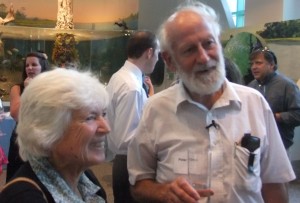
Rosemary and Peter Grant during a reception in their honor at the N.C. Museum of Natural Sciences
Peter and Rosemary Grant, husband-and-wife evolutionary biologists at Princeton University, have written about a medium ground finch that is heavier, has a broader beak and sings a different song than its closest relative.
The Grants have documented the emergence of this medium ground finch lineage since 1981, when they caught what they believe was an immigrant bird on Daphne Major, a tiny Galapagos island where they’ve measured, weighed and tagged ground finches several months every year since 1973.
The new lineage, which nobody has dared to call a new species yet, has been molded by droughts, above average rainfall and competition for food - factors that also affected other finches living on Daphne Major.
“In the 2000s, the birds are not the same as the ones that were on the island when we started,” Peter Grand told a crowd of more than 200 who had come to his and his wife’s presentation April 11 at the N.C. Museum of Natural Sciences in Raleigh.
That evolution can happen as researchers watch was unexpected. That the Grants documented the making of what might be a new species in 20 years has turned them into legends.Their research has won multiple awards and is featured prominently in biology textbooks and one Pulitzer-Prize-winning book.
The couple’s visit to North Carolina’s Research Triangle was the result of a collaboration of the museum, N.C. State University and the National Evolutionary Synthesis Center.
Thirteen species of ground finches live on the Galapagos archipelago, a cluster of more than a dozen islands located in the Pacific Ocean about 600 miles west of Equador. They are plain birds with brown, gray or black plumage that have been famous since they helped Darwin develop the theory of evolution.
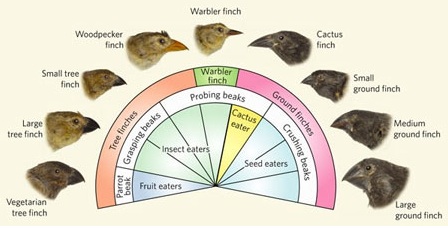
Darwin's finches
All descend from one species that lived on the South American mainland.
The smallest finch species on the Galapagos Islands weighs about one-fourth of the largest species and each species has developed a specific beak to eat a special diet.
The Warbler finch has a slender beak to probe for insects. Ground finches have broad beaks to crush seeds of various sizes. Cactus finches have long, curved beaks to probe flowers for nectar. The large tree finch has a powerful, curved beak to strip bark and extract insects and termites.
The diet has a lot to do with where a species lives. The medium tree finch, for example, can only be found on Floreana Island. The common cactus finch lives on all but the five Galapagos Islands that are inhabited by the large cactus finch.
Daphne Major is home to four species, the Grants reported. The couple caught small, medium and large ground finches and cactus finches, including some that had immigrated from neighboring islands.
The males of each species sing a different song, which male and female birds learn as nestlings listening to their fathers. Males and females of a species recognize each other by that song. Interbreeding can occur, Rosemary Grant said, for example, when the fatherly lesson gets garbled because the nest is close to the nest of another species in the same cactus bush.

Immigrant hybrid male the Grants caught in 1981. Source: Proceedings of the National Academy of Sciences
In 1981, the Grants caught a medium ground finch immigrant whose plumage was particularly glossy and black. The male bird was about 20 percent bigger than the biggest medium ground finch captured on Daphne Major and had a wider beak. It also sang an unusual song and a blood test determined that it carried cactus finch genes.
The immigrant hybrid male mated with a female hybrid that also carried genes of both species. Three generations of offspring - finches live up to 16 years - bred with local medium ground finches and other hybrids.
Then, all but two of the birds in the lineage died during a severe drought in 2003 and 2004. The remaining two birds, a sister and a brother, mated and their offspring has mated, but only with each other.
This has led to two distinct groups of medium ground finches on Daphne Major that do not mix, the Grants reported. They differ in weight, beak shape and song and breed in two different areas on the island.
(More in the Grants’ inaugural article in the 2009 Proceedings of the National Academy of Sciences.)
Offering a hand-up to student entrepreneurs
Tuesday, April 5, 2011, 5:24 pm No Comments | Post a CommentScott Kelly followed a long tradition with Startup Madness, a showcase of entrepreneurship and innovation in North Carolina’s Research Triangle.
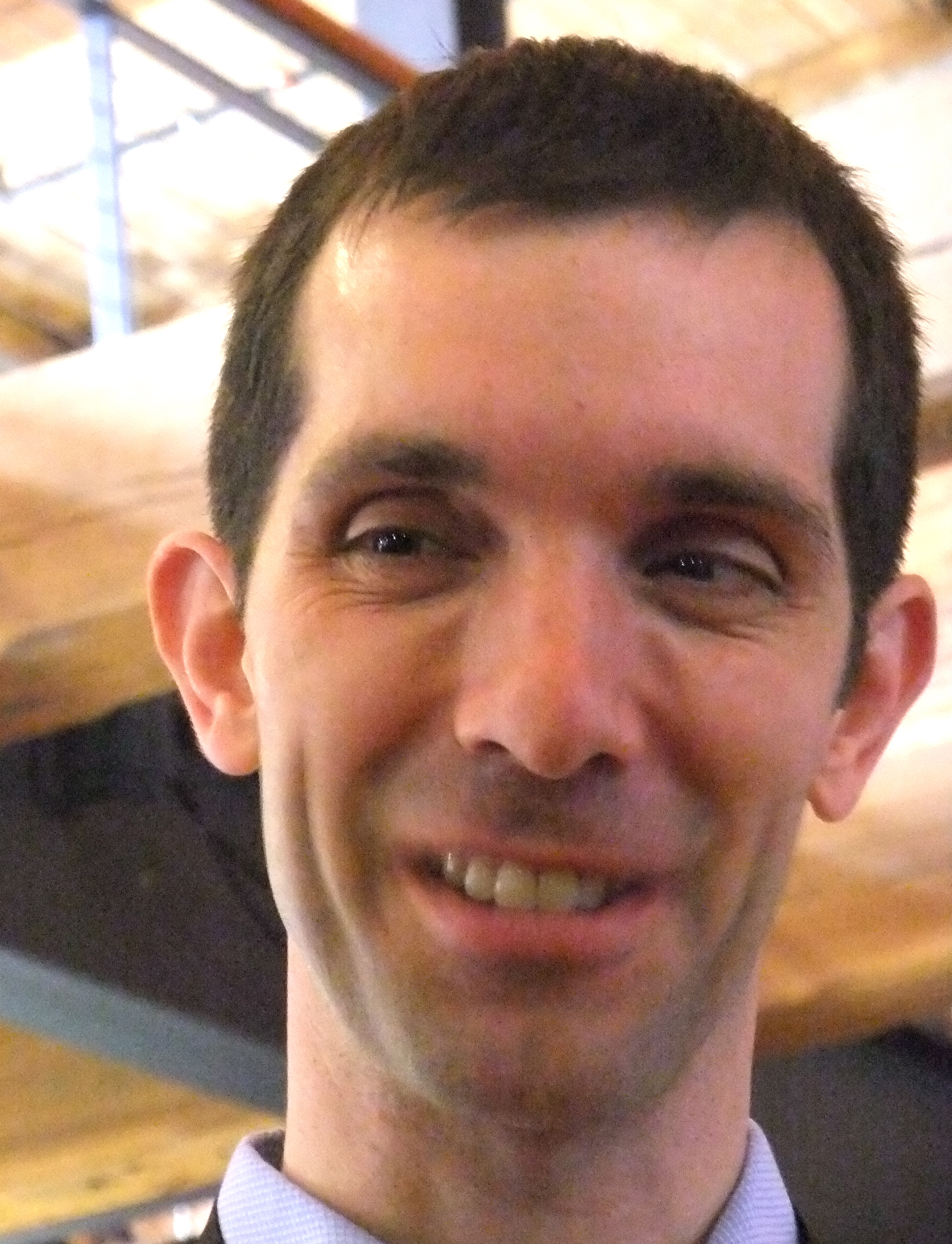
Scott Kelly
Kelly, an investment banker at KeySource Bank who has worked in Internet marketing and sales, recognized the enormous job creation potential of a three-county area dotted with universities - just like economic developers, academics and businessmen did in the 1950s when they established Research Triangle Park on wooded land that was flanked by Duke University in Durham, the University of North Carolina at Chapel Hill and N.C. State University in Raleigh.
Just like the RTP supporters, Kelly focused on Duke, UNC and NCSU students.
Startup Madness, which took place March 31 on the American Tobacco Campus in downtown Durham, introduced student entrepreneurs to the Research Triangle’s investor and business community. The goal, Kelly said, was to encourage innovative young minds to stay and to retain the startup businesses that are born here on university campuses.
“We have the universities. We have young talent, possibly more than anybody else,” Kelly said. “It would be a shame if they leave.”
Startup Madness was the third entrepreneurial showcase Kelly has organized in the past year. The first took place in May 2010, three months after the recession pushed North Carolina’s unemployment rate to 11.4 percent. In the Triangle, more than 8 percent of the labor force was out of work at the time.
Considering that about three-fourths of U.S. jobs tend to be in businesses with fewer than 100 employees, Kelly thought that helping student entrepreneurs start companies in the Triangle would be a good idea to address the unemployment rate.
At Startup Madness, three student entrepreneurs, one each from Duke, UNC and NCSU, pitched business ideas. The crowd picked the most popular idea. The winner, Kelly said, would get lunch with local business leaders and venture capital and angel investors.
The pitches were:
- An infrared glove that monitors blood glucose levels in children with Type 1 diabetes continuously. The glove is worn at night and replaces repeated finger pricks, said Kyle Foti, one of eight NCSU undergraduate students working on a prototype. Currently, children with Type 1 diabetes must be woken several times at night and tested to prevent hyperglycemia, which can damage the brain and organs. The glove is not only more accurate, but it would also wake parents and children only when there’s a problem.
- Unfiltered voice messages from professional athletes that fans can receive on their mobile phones. Gridiron Grunts plans to start with messages from NFL football players and then go on to NASCAR drivers, said Jeb Terry, a UNC business student who spent five years playing football professionally. Revenue would come from subscriptions, Terry said.
- Internet discounts on merchandise that local businesses offer college students. After its launch a few weeks ago Sidewalk already had 1,000 users across Internet platforms, said Brian Laker, a Duke business student. The merchants pay Sidewalk a fee for the services.
And the winner was: The infrared glove to prevent hyperglycemia, the first product being developed by Diagnostic Apparel.
A nuclear power scare from Japan
Sunday, March 27, 2011, 11:12 pm No Comments | Post a Comment
Shearon Harris is one of six nuclear power plants operating in North Carolina.
The hydrogen explosions, the fire, the radioactive leaks and the evacuations at the earthquake- and tsunami-ravaged Fukushima Daiichi nuclear plant about 150 miles north of Tokyo happened a continent and an ocean away from North Carolina’s Research Triangle. But there’s a good chance the fallout from the nuclear crisis in Japan will hit close to home - lest you forget the Shearon Harris nuclear plant about 20 miles southwest of Raleigh.
On clear days, Shearon Harris’ cooling tower and the steam rising from it are clearly visible across the Triangle, even from Eno River State Park about 50 miles north. Splitting an atom, a process called nuclear fission, is cleaner than burning coal to generate electricity and Progress Energy, which operates Shearon Harris, plans to add two reactors to the existing one by 2018.
But the events at the Fukushima Daiichi nuclear power plant could delay expansion plans at Shearon Harris and elsewhere in the U.S. and make them more expensive.
The Japanese earthquake and its fallout “will slow nuclear power down in the U.S.,” Paul Turinsky, professor of nuclear engineering, said during a symposium Wednesday at N.C. State University. Turinsky was one of four NCSU experts who spoke at the symposium.
The same day, the Nuclear Regulatory Commission and the nuclear power industry agreed to reassess reactor designs and training procedures and to reevaluate reactors at the 104 operating nuclear power plants nationwide.
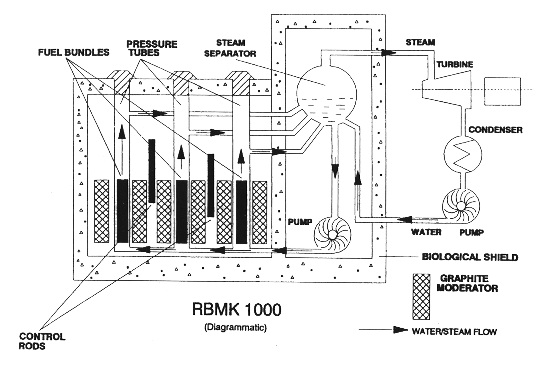
The Chernobyl reactor was an open design, lacking steel and concrete to contain radioactive material in case of an accident.
Also, public support for more nuclear energy has dropped. According to a CBS poll, more Americans disapproved than approved of building more nuclear plants in the wake of the Fukushima Daiichi crisis, and for the first time since the 1986 nuclear disaster in Chernobyl the disapproval rate reached 50 percent.
Add to that regulatory shortcomings fueling anti-nuclear sentiment that has lingered since the Three Mile Island nuclear power plant accident in 1979 and has foiled three decades worth of attempts to establish a nuclear waste repository.
A 2010 report by the Union of Concerned Scientists listed 27 cases in which nuclear power plants accidentally released radioactive materials over the previous four years and the Nuclear Regulatory Commission allowed plant owners to violate regulations with impunity.
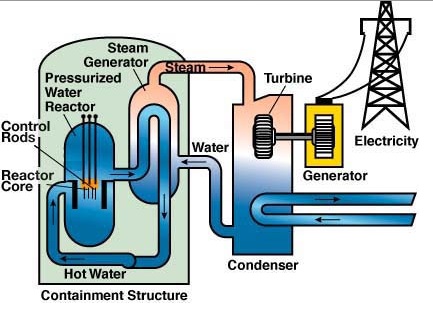
A pressurized water reactor like the one at Shearon Harris has a steel vessel around the reactor core and concrete containment structures.
Seven of the 27 violations happened at nuclear plants in North Carolina. Shearon Harris accounted for two of the seven; radioactively contaminated water leaked into the ground in both cases.
With Triangle residents following updates on the nuclear crisis in Japan, Triangle universities scrambled to line up nuclear energy experts who tried to dispel fears with facts. The day following the NCSU symposium, the University of North Carolina’s Morehead Planetarium and Science Center hosted a talk by David McNellis, the director of UNC’s Center for Sustainable Energy, Environment and Economic Development, on the risks of nuclear power.
Back to back, the experts analyzed nuclear reactor designs and their failures, from Three Mile Island to Chernobyl to Fukushima Daiichi.
Based on estimates of how much the general public was exposed to radioactively contaminated material, Man-Sung Yim, an associate professor of nuclear engineering and a radiological health expert at NCSU, ranked Chernobyl as the worst of the three nuclear power plant failures.
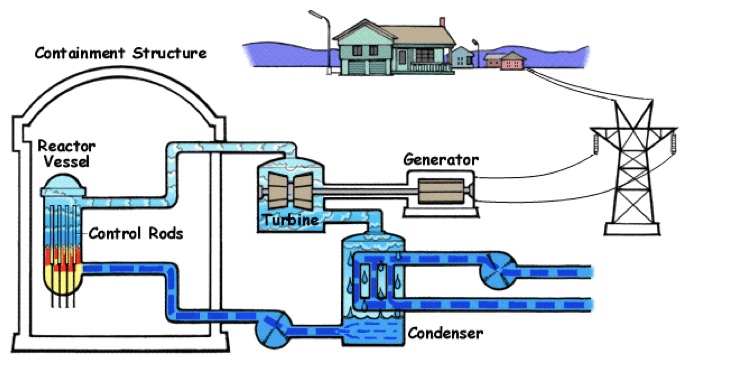
The Fukushima Daiichi plant uses boiling water reactors, which are equipped with steel reactor vessels and concrete containment structures.
Radiation exposure from Fukushima Daiichi “is less than Chernobyl, but far worse than Three Mile Island,” Yim said during the NCSU symposium.
Based on published measurements, Yim calculated that the general population was exposed to about 33 rem of radiation in Chernobyl. The evacuated area around the Fukushima Daiichi plant has received a dose of up to 10 rem.
The Three Mile Island accident exposed the general public to about 180 millirem of radiation, less than the 300 millirem to 600 millirem of radiation Americans take in every year from everyday living.
A 400 rem dose of radiation is considered lethal, Yim said.
The other experts linked the exposure risk of the three nuclear power plant failures directly to reactor design and operational safety standards.
All nuclear power plants generate electricity from steam that turns a turbine linked to a generator. The heat needed to turn water into steam comes from nuclear fission.
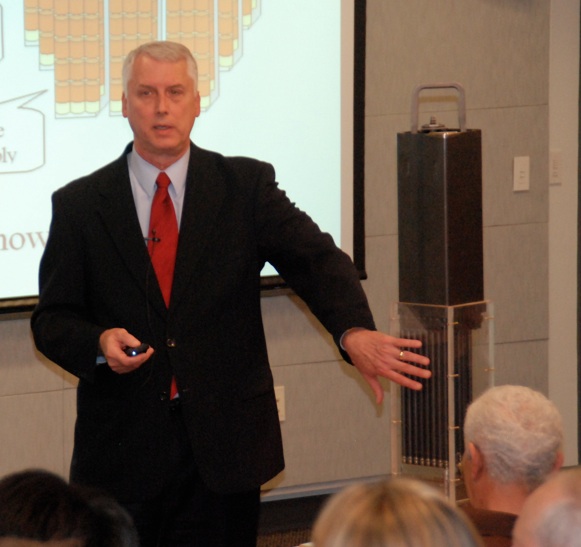
John Gilligan, professor of nuclear engineering at NCSU, shows off a nuclear fuel rod at the symposium.
The fuel to produce the heat is uranium, a natural metallic element in rock, soil and water that comes in multiple versions. The uranium is contained in ceramic-like pellets that are stacked in fuel rods in the core of a reactor. One uranium version, uranium-235, breaks apart when it gets hit by a neutron, releasing two to three neutrons, two radioactive fission products and heat. When released neutrons hit more uranium-235, the nuclear fission continues as a chain reaction.
Unlike the Three Mile Island and Fukushima Daiichi nuclear power plants, the Chernobyl nuclear power plant had no steel vessels around its reactor cores. When an experiment went awry on April 26, 1986, and reactor No. 4 overheated, pressure from the steam continued to build until it blew off the roof of the reactor building, scattering radioactive material from the melting reactor core across the landscape and setting free radioactive clouds that drifted westwards.
The Fukushima Daiichi plant withstood the massive March 11 earthquake, even though it wasn’t designed for such a powerful seismic event, John Gilligan, professor of nuclear engineering, said during the NCSU symposium.
Control rods automatically stopped nuclear fission, in effect shutting down reactors that were in operation the moment the electricity supply to the plant was cut off.
“It wasn’t the earthquake,” that caused the nuclear crisis at Fukushima Daiichi, Michael Doster, professor of nuclear engineering at NCSU, said. “It was the tsunami.”
The wall of water the earthquake had unleashed was more than twice as tall as the floodwall that was supposed to protect the nuclear power plant facing the sea. When the water flooded the plant, it knocked out emergency diesel engines that powered pumps, fans and other electrical equipment in the reactor buildings. After about eight hours, batteries backing up the emergency diesel engines were also exhausted.
Without power, pumps stopped cooling the water in 40-foot-deep pools that held spent fuel rods. The rods usually stay in these pools for about five years during which time they continue to give off heat. But unlike in the reactor, the heat production in the spent fuel storage pools cannot be turned off, said Doster.
“You cannot avoid it. You cannot control it,” he said. “You just have to deal with it.”
The spent fuel rods in the Fukushima Daiichi storage pools are made from zirconium alloy. As the temperature continued to rise in the storage pools, the zirconium interacted with the heated water and produced hydrogen gas. It was that hydrogen gas that exploded, Doster said. The explosions damaged the concrete buildings of at least two of the reactors and released radioactive material from the spent fuel.
Design flaws, malfunctioning equipment and human error caused reactor No. 2 at the Three Mile Island nuclear power plant to overheat March 28, 1979, UNC’s McNellis said.
It was the worst commercial nuclear power plant accident in U.S. history and led to sweeping changes involving emergency response planning, reactor operator training, human factors engineering, radiation protection and many other areas of nuclear power plant operations, according to the NRC. Regulatory oversight also tightened to enhance safety.
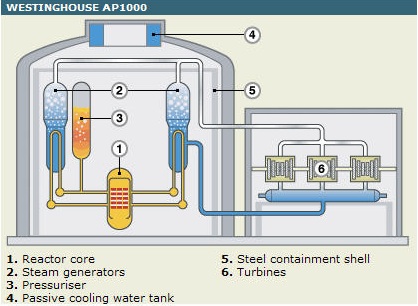 Like two-thirds of U.S. nuclear power plants, Shearon Harris’ reactor is the same design as reactor No. 2 at Three Mile Island. The remaining one-third of U.S. nuclear power plants rely on boiling water reactors like the Fukushima Daiichi plant.
Shearon Harris became operational in 1987, eight years after the Three Mile Island triggered the regulatory and safety changes.
The two reactors Progress Energy has proposed to add at Shearon Harris are a new design. Called AP1000, it includes a cooling tank on top of the reactor from which water trickles onto the core without the need for pumps.
Construction of nuclear plants with AP1000 reactors have begun in China and the U.S.
Charlotte-based Duke Energy, which is buying Raleigh-based Progress Energy, plans to build a nuclear power plant with AP1000 reactors in South Carolina. More are proposed in Florida and Alabama.
(Watch a video of the NCSU symposium here.)
Gossiping on Facebook doesn’t make a social media whiz
Friday, March 18, 2011, 10:46 am No Comments | Post a CommentConsidering the popularity of Facebook - the social networking site has more than 600 million active users and an award-winning movie to its credit - you’d think every teen and college student is a social media whiz.
Think again, said Whitney Chrisco, a 23-year-old college graduate and herself a member of the Net generation.
Whitney Chrisco
Chrisco, who has a biology degree from N.C. State University and graduated from the N.C. School of Science and Mathematics in Durham, went back to her high school a few weeks ago to see how much juniors and seniors know about Twitter, Tumblr, Flickr, Second Life and LinkedIn, social media tools used by millions to distribute information and network on the Internet.
The dozen teens who signed up for Chrisco’s seven-day class were smart, tech-savvy kids interested in public health and innovative ways to improve it. The N.C. School of Science and Math is a high school focused on science, math and technology whose graduates have started several Internet-based companies.
“I was worried they would know more than me,” she said. But she discovered, “They really didn’t know much.”
But then, much of what Chrisco knows about social media she learned last summer during a fellowship program at the University of North Carolina Gillings School of Global Public Health.
It’s no coincidence that Chrisco developed a high school course called “Social media networking through a public health lens” from scratch in North Carolina’s Research Triangle.
The region is a biotech and medical research hub that is also rich in global public health expertise. (More on the Research Triangle’s influence on global health here and on the benefits North Carolina reaps here.)
With researchers and students spread across the world, often working on a community level to improve water sanitation, prevent insect-borne diseases or reduce infant mortality, public health lends itself to social networking on the Internet. Free digital tools can help collect and distribute information and bring together people from all walks of life who are driven by the same concerns and interests.
All of the students who signed up for Chrisco’s course had a Facebook page to keep in touch with friends. They used Web cams on their laptops and video conferencing software called ooVoo to chat. They texted on their mobile phones. But they knew little about building a professional network using other resources and tools readily available on the Internet. Only two or three of them had a Twitter account, Chrisco said.
One of the students, Jeremiah McLeod, realized at the beginning of the course how limited his knowledge about Internet networking was.
In a post on the blogging platform Tumblr, McLeod wrote, ”Teenagers, such as myself — no longer spend evenings yakking on the cell phone, but rather, do so while sending gossip through instant messages, blogs, or oovoo. Reading what I’ve just written, I find myself sounding like an old grandpa, and I thus realize the vast importance of connecting with people in this new age.”
The Tumblr blog was one of the hands-on exercises Chrisco developed. Also, the students took photos of public health scenarios, uploaded them onto Flickr and created a map of the photo shoots for a public health sticker campaign. They went on field trips to see how different social media tools are used to promote public health. And they commented on their experiences on Twitter.
One field trip took them into the virtual world of Second Life, where each student created an avatar to visit a three-dimensional AIDS quilt. Fashioned after the AIDS Memorial Quilt, the 3D version is laid out below an enormous tree that grows on a virtual island on Second Life. Instead of fabric pieces commemorating loved-ones who died of AIDS, the 3D AIDS quilt has rooms that were contributed by relatives and friends, but also institutions involved in public health such as UNC’s Center for AIDS Research and the Triangle Global Health Consortium. (More on the 3D AIDS quilt here.)
Chrisco’s students also met two of the creators of the virtual quilt, Jena Ball and Martin Keltz of Startled Cat studios. Here’s what Greeshma Somashekar wrote on her blog about the encounter: “I would love to see the concept expanded to encompass other diseases as well. Like I mentioned earlier, I definetely feel that people are more inclined to learn about something from afar than at a conference, lecture, or public health campaign. Virtual worlds are an invaluable resource, in my perspective. People at risk for other diseases such as Alzheimers, Sickle-Cell Anemia, Tay-Sachs, Cystic Fibrosis, etc may benefit from being able to learn before making tough decisions such as whether or not to be tested for the responsible gene.”
Other students were less enthusiastic about the tool.
Adams Ombonga blogged this: “While I do feel Jenna and Martin’s idea of a virtual world is a very innovative and creative way of reaching out to the public and talk about these public health issues, I felt as if it wouldn’t be widely spread because of the everyday busy lives that people lead. I also felt that with the growth popular social sites such as facebook and twitter Second Life might not be able to compete with them because in the end Second Life is a virtual world and just can’t compete with reality.”
The other field trips took the students to two different places, the Rogers-Eubanks neighborhood northeast of Chapel Hill and the N.C. Biotechnology Center in Research Triangle Park, where speakers nonetheless addressed similar public health issues.
The Rogers-Eubanks neighborhood is predominantly African-American and borders the Orange County landfill. Unable to tap into public water and sewer lines, the neighborhood relies on wells many of which do not comply with federal water quality standards. To bring about changes in their neighborhood, residents use a blog to get their message out.
Water supply was also a topic Fred Gould, an NCSU professor, talked about during the Triangle Global Health Consortium breakfast the students attended at the biotech center. Gould’s presentation was about insect-borne diseases such as malaria and dengue fever and the mosquitoes that spread them. In communities where few households have running water, families store water indoors in open containers. These containers are breeding grounds for the mosquitoes, Gould said.
Kinesha Harris blogged about the visit to Rogers-Eubanks: “This neighborhood which was no more than a 15 minute bus ride away does not have sewage or decent water. There are pipes that run directly under their houses or are near by their houses that the government will not allow them to connect to. Residents of the neighborhood have been fighting for nearly 40 years to be able to connect to the pipes. Some people would ask why they do not just move to a different neighborhood and our guide, who has lived in the neighborhood a majority of his life, says that they will not leave because it is apart of their family history and they do not want to lose that history.”
Kelly Bates wrote about one solution Gould discussed to counter malaria and dengue - genetically engineered mosquitos. The class also read an article about such mosquitoes being released.
“Yesterday’s breakfast at the Triangle Health Consortium was unique. I had never been to something like that before. It was a presentation and discussion about genetically engineered mosquitos being flown into third world countries in the hopes of reducing malaria or dengue. Personally, I had never known about the genetically engineered mosquitos before reading the article and attending the meeting yesterday. All of this was new to me, so it opened my eyes to the huge debate that’s occurring between the people who like this new approach and those who don’t.”
Here’s a picture of Chrisco’s class taken after the Triangle Global Health Consortium breakfast:
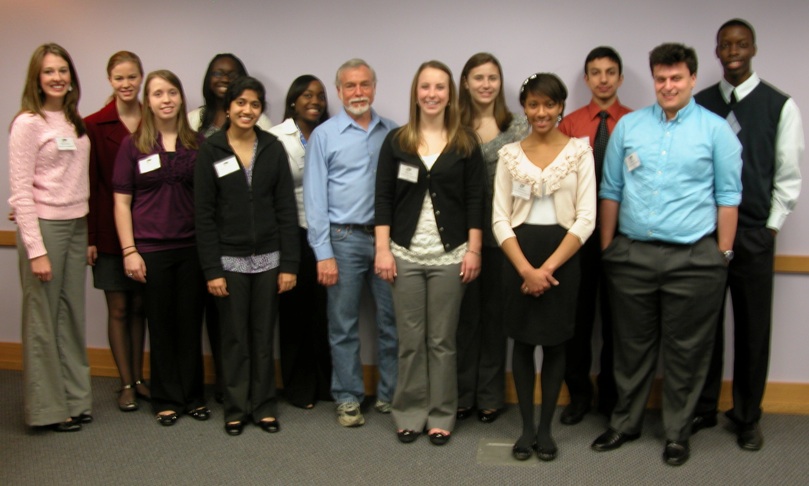
From left: Whitney Chrisco, Holly Modlin, Troy Royal, Jelicia Diggs, Greeshma Somashekar, Kinesha Harris, Fred Gould, Jordan Calvert, Kelley Bates, KeAira Roland, Naseer Ahmed, Jeremy Saxe, Adams Ombonga. Not pictured, Jeremiah McLeod.
How energy alternatives can make us safer and healthier
Sunday, March 6, 2011, 8:21 pm 1 Comment | Post a CommentThe fiscal fight over monitoring greenhouse gases raged on Capitol Hill while more than 100 people gathered at N.C. State University Thursday and Friday to explore whether we dismiss the fallout from our fossil fuel dependency at our own peril.
Attendees of the two-day conference, which was partly sponsored by the U.S. Army War College, didn’t exactly make for a treehugging crowd. They included security analysts from Fort Bragg, economists, energy consultants to large investors and governments, former oil industry executives and scientists developing alternatives to oil and coal.
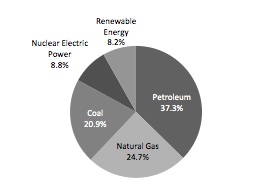
2009 U.S. energy consumption by source, U.S. Environmental Protection Agency
That greenhouse gases are taking a toll on climate, environment and health was never in question during the conference. Indeed, speakers expounded on the costly consequences that U.S. dependency on fossil fuels has on healthcare at home and defense overseas.
James Bartis, a senior policy researcher with the RAND Corp., a global policy think tank with an office in the Middle East emirate of Qatar, was one of the speakers at the conference. In testimony before the U.S. Senate Committee on Energy and Natural Resources two years ago, Bartis urged that there was “a compelling need to reduce greenhouse gas emissions” and a need for research on technologies that would allow us to use less oil, coal and natural gas, the three fossil fuels linked to almost 90 percent of the emissions.
At the NCSU conference, where he participated on a panel of alternative energy experts, Bartis was asked why lawmakers aren’t heeding his advice more. “There’s a lot of money to be had [with fossil fuels] and there’s a lot of inertia,” he responded.
 About 83 percent of the U.S. economy runs on fossil fuels and Alan Hegburg, a senior fellow at the Center for Strategic and International Studies and the conference’s keynote speaker, didn’t expect much will change the next 10 years.
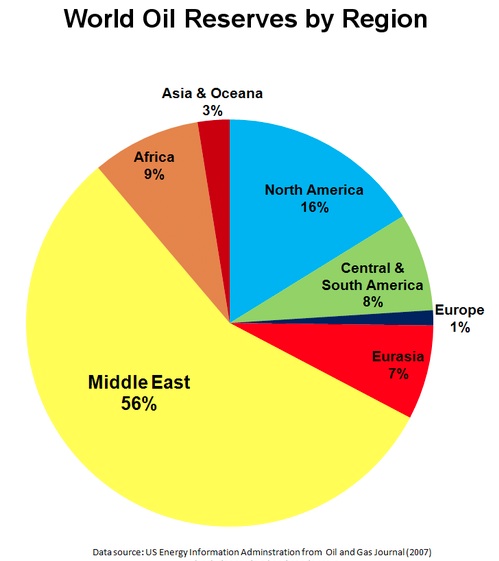
Coal is plentiful and cheap - no country has more coal reserves than the U.S. Crude oil is also still plentiful and cheap to extract - in the Middle East, which has more than half of the world’s oil reserves.
Fossil fuels pack a lot of energy. Their production is efficient. The delivery infrastructure is finetuned. And markets are well developed. In contrast, energy alternatives cost more and are less energy-dense. And functioning delivery systems to drive demand are rudimentary at best where they exist.
“Getting this train to change tracks will take a huge effort,” Hegburg said.
Then why try? Speakers at the conference offered as the main reason the hidden costs of fossil fuels.
Generating electricity from coal and burning oil for transportation is a dirty business. In 2005, pollution caused an estimated $120 billion in damages to human health, crops, timber yields, buildings and recreation nationwide, according to a report the National Research Council published 18 months ago.
Another study published a few weeks ago in the Annals of the New York Academy of Sciences estimated that extracting, transporting, processing and combusting coal caused $345 billion in damages to the health and the environment in 2005.
Factor in the hidden costs and electricity would be at least twice as expensive, according to the study. Do the same with oil and gasoline prices would be at least $1.50 per gallon higher, Bartis said.
Suddenly, wind and solar energy and investments to boost energy efficiency and conservation become competitive. Calls from research hubs for more funding to make cleaner energy alternatives cheaper and more efficient begin to make sense.
North Carolina’s Research Triangle is one of those hubs.
Last summer, the University of North Carolina at Chapel Hill, Duke University, NCSU and the Research Triangle Park-based research institute RTI International formed the Research Triangle Solar Fuels Institute to bring together local experts in chemistry, electrical engineering, material sciences and nanotechnology with the goal of developing technologies that tap the sun and make liquid fuel.
Researchers at RTI are working on capturing and reusing carbon dioxide – the most prominent greenhouse gas in the Earth’s atmosphere – producing bio-crude from organic waste and developing a nanotechnology light bulb that promises to be more energy efficient than a fluorescent light and doesn’t contain harmful mercury. Not far from RTI, at the corporate biotech research lab of Swiss agribusiness giant Syngenta, researchers have genetically engineered corn that requires less water and energy to make fuel ethanol.
And North Carolina, the third largest U.S. biotech hub by number of companies, has targeted biodiesel and ethanol from corn and biomass to meet an ambitious goal: By 2017, 10 percent of liquid fuels sold in the state should be locally grown and produced. This target goes hand-in-hand with the federal mandate that oil companies increase the use of renewable fuels such as ethanol in gasoline blends.
The federal ethanol mandate had its critics at the NCSU conference - diverting about one-third of the U.S. corn crop into ethanol production has contributed to rising food prices. But other speakers credited the mandate for keeping the discussion alive at a time when energy-related research funding is threatened by massive cuts.
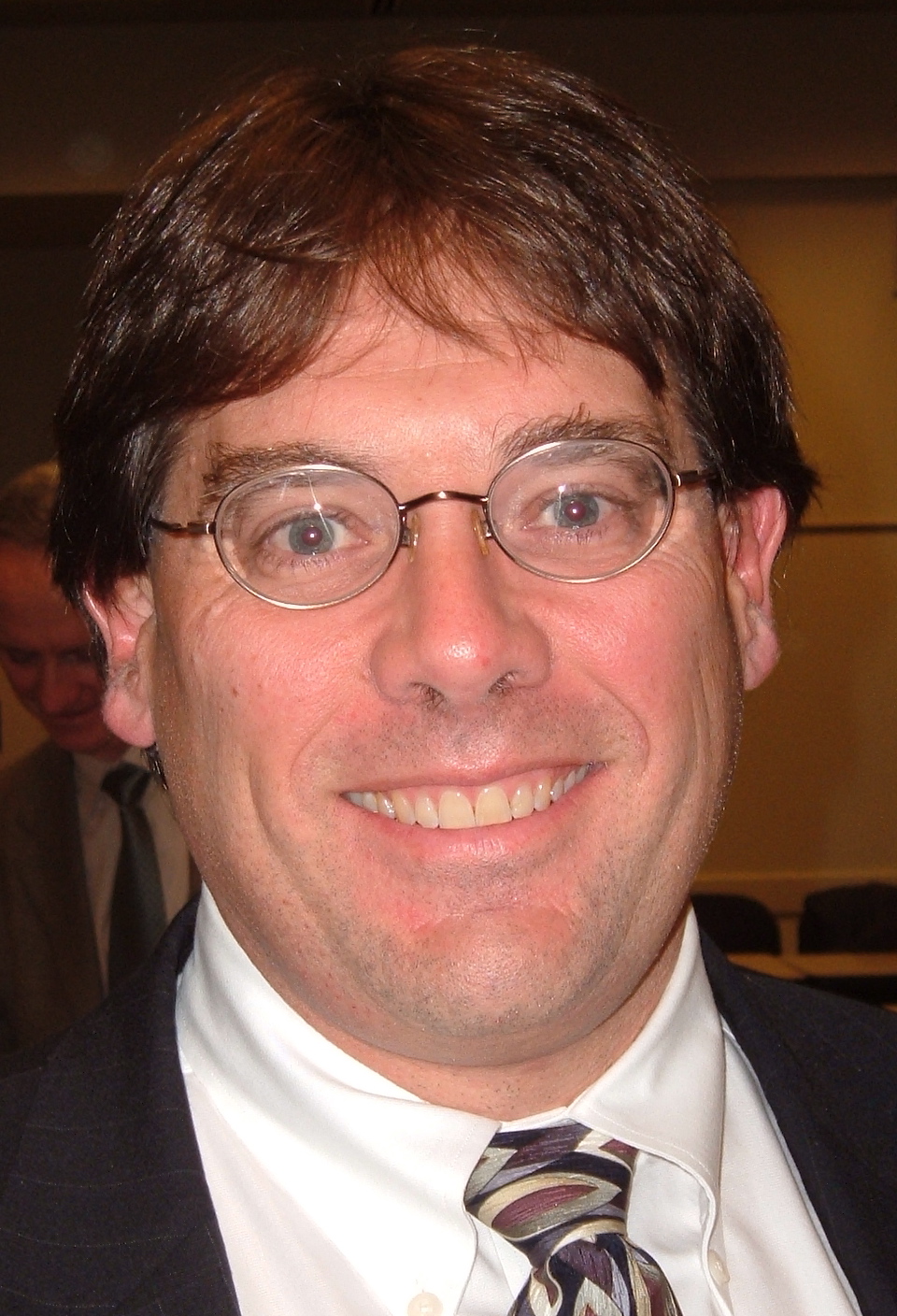
David Dayton
“Because there’s a mandate, climate control, security issues and oil is $100 a barrel, at least we’re still talking about alternative fuels,” said David Dayton, biomass program manager at RTI’s energy research lab.
How much military activities cost us to maintain our fossil fuel dependency is difficult to determine - neither of the two studies provided estimates - but conference speakers said ensuring a steady supply of crude oil drives national security spending.
With about 19 million barrels daily, the U.S. consumed more oil in 2005 than the next three biggest consumers, China, Japan and India, together, figures of the U.S. Energy Information Administration show.
Transportion, which in 2004 made up more than 60 percent of the U.S. oil demand, has become the dominant driver over the past 50 years.
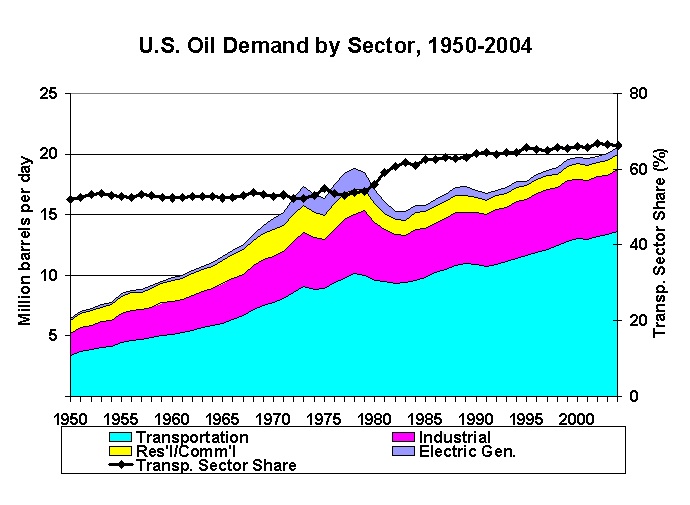
Source: Annual Energy Review
The increase in demand has influenced which regions are important for the U.S. to protect.
The Middle East, which sits on more than half of the world’s oil reserves, has gained importance in U.S. national security spending in the past 30 years, even though former Defense Secretary Donald Rumsfeld insisted that invading Iraq had nothing to do with oil, as Peter Maass, author of “Crude World: The Violent Twilight of Oil,” wrote on his blog last summer.
A study published two years ago estimated that between 1976 and 2007 the U.S. spent $6.9 trillion in the Persian Gulf region on military efforts, all of them oil-related. After the end of the Cold War in Europe, Persian Gulf military expenses took up an ever increasing portion of the entire U.S. defense spending in the 1990s and jumped to 91 percent in 2001. By 2007, their portion of the entire U.S. defense spending had decreased to about 80 percent.
Nobel Prize winning economist Joseph Stiglitz and Linda Bilmes, a leading expert on U.S. public finance, estimated in the Washington Post last year that the war in Iraq cost the U.S. in excess of $3 trillion and drove the price of oil up by about $10 per barrel.
This focus on the Persian Gulf region reflects the fact that more oil is shipped through the Strait of Hormuz, which connects the Persian Gulf with the Gulf of Oman and the Arabian Sea, than through any other narrow channel through which oil is shipped on global sea routes, according to numbers of the U.S. Energy Information Administration.
Every day, an average 15.5 million barrels of oil pass through the Strait of Hormuz, or about 18.5 percent of the daily oil production worldwide. More than three-fourths of the shipments are destined for Asian countries.
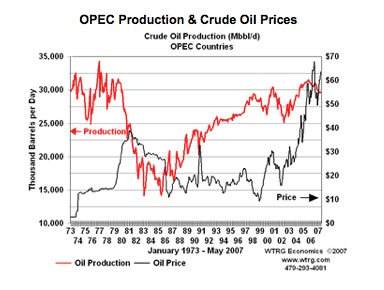
Source: WTRG Economics
Whether the U.S. investment to keep the oil flowing through the Strait of Hormuz was necessary is debatable, two speakers at the NCSU conference argued.
Eugene Gholz of the University of Texas Center for Energy Security and Ann Korin of the Institute for the Analysis of Globa Security argued that the price of crude is influenced mainly by production levels in countries that belong to OPEC, the Organization of Petroleum Exporting Countries.
It makes more sense for the U.S. to diversify energy consumption than to spend billions on military campaigns in the Persian Gulf or on currying favors with members of the OPEC cartel, Korin and Gholz suggested.
Once 15 percent to 20 percent of all of the vehicles in the U.S. can run on multiple fuels, Gholz said, the infrastructure to deliver gasoline alternatives will follow.
It’s advice North Carolina is heeding.
In addition to its commitment to boost the use of fuel ethanol made from plant fibers, the state is also at the forefront of establishing charging stations for plug-in electric vehicles, or PEVs. The Research Triangle is projected to get about 200 of the charging stations within the next year.
As a result, North Carolina is among the states where Nissan will fill the initial 50,000 orders for the Leaf, the first mass-produced, affordable electric car. The Leaf is not sold through dealerships. Deliveries started in December and January on the West Coast. The first cars are scheduled for delivery in North Carolina in April. (More on PEVs and the Leaf here.)
On Saturday, the day after the NCSU conference, Nissan brought about two dozen Leaf cars to the Raleigh farmers market for test drives.
RTP panels address rogues gallery of multidrug-resistant bacteria
Tuesday, March 1, 2011, 2:29 pm No Comments | Post a CommentHow to prevent bacterial infections associated with poor hygiene in hospitals, nursing homes and day care centers has become a necessary though rarely pleasant topic for healthcare providers.
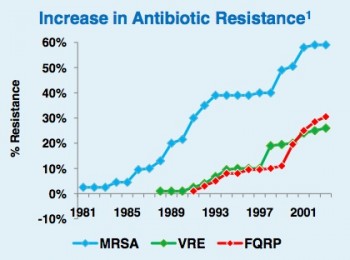
Source: Centers for Disease Control and Prevention
Every year, an estimated 5 percent of all hospitalized Americans, or about 1.7 million, are treated for a healthcare-associated infection. About 90,000 of them die, according to numbers reported by the Centers for Disease Control and Prevention. The infections are caused by multiple bacteria that can be traced back to healthcare settings and 14 percent involve a superbug, methicillin-resistant staphylococcus aureus or MRSA.
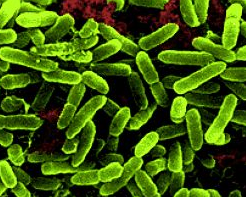
After rising rapidly in the 1990s, the number of MRSA cases began to decrease in the past decade, but following in MRSA’s footsteps are superbug wannabes such as floroquinolone-resistant pseudomonas aeruginosa (FQRP), vancomycin-resistant enterococci (VRE) and clostridium difficile, a bacterium that wreaks havoc after antibiotics wipe out healthy gut flora.
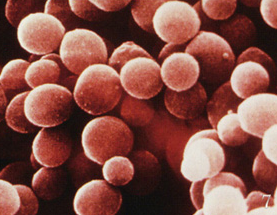
Staphylococcus aureus
Efforts to reduce healthcare-associated infections received boosts in the past few years.
In 2008, the Centers for Medicare and Medicaid Services stopped paying hospitals for infections they considered “serious complications that should never occur in a hospital” and private health insurers began to follow suit. The following year, the federal stimulus bill provided states with about $50 million to establish surveillance and prevention programs.
North Carolina’s state plan to monitor and prevent healthcare-associated infections, which took effect in January and relies on voluntary reporting, is such a program.
“It’s not inevitable that you go into the [intensive care unit] and you get a [central line-associated] bloodstream infection,” said Dr. Megan Davies, chief of the N.C. Division of Public Health’s epidemiology section.
Davies was one of five infectious disease experts in the Research Triangle who addressed healthcare-associated infections and the rogues gallery of multi-drug resistant bacteria. The Feb. 22 panel discussion was put together by Duke University and Becton Dickinson, a New Jersey-based medical instruments company whose corporate innovation center is in Research Triangle Park.

Enterococci faecium
Healthcare-associated infections add an estimated $28 billion to $33 billion in national healthcare costs every year, according to a report the CDC published in 2009.
Avoidable infections can enter the body at a surgical site or through a catheter, a ventilator or a central line used to supply medication, blood and fluids directly into the bloodstream.
In North Carolina, large programs to collect infection data and improve infection control have existed since 1997: the Statewide Program for Infection Control and Epidemiology, or SPICE, at the University of North Carolina School of Medicine and the Duke Infection Control Outreach Network, or DICON, that linked the Duke University School of Medicine and 39 community hospitals.
Central line-associated bloodstream infections and cases involving MRSA have decreased in the past decade due to efforts by SPICE and DICON.
But direct costs from dealing with healthcare-associated infections statewide are estimated to still exceed $280 million per year, according to the N.C. Department of Health and Human Services.
Innovations to prevent these infections such as special cleaning and medical supplies exist, said William Rutala, director of SPICE and one of the five infectious disease experts on the panel. But better compliance with more basic prevention tools such a hand hygiene would be an important first step.
 Only an average 40 percent of healthcare workers washed their hands in accordance with CDC guidelines, studies conducted in the 1990s showed. And other studies show that only about one-third of the surfaces at high risk of harboring infectious bacteria in hospital rooms were thoroughly cleaned before new patients came in, Rutala said.
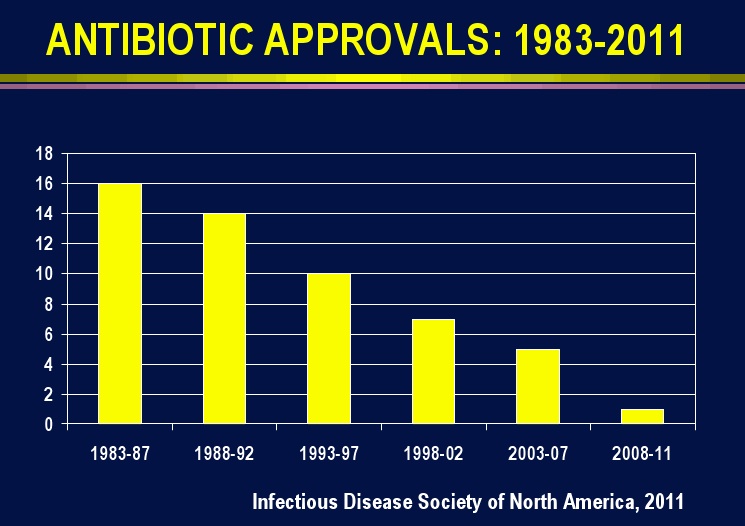
Fewer and fewer new antibiotics to battle the multi-drug resistant bacteria is yet another problem, said Dr. David Weber, associate chief of staff at UNC Health Care who was another infectious disease expert on the panel.
Years of antibiotic overuse and patients cutting short antibiotic treatments are driving forces behind the rogues gallery - not only in healthcare settings but maybe also in livestock farming.
About two-thirds of the MRSA central-line bloodstream infections in hospitals involve bacteria that came from outside the hospital but whose origin isn’t clear, according to Dr. Vance Fowler, an infectious disease specialist at Duke University.
Antibiotics are used extensively to promote growth in livestock farming, said Jorge Ferreira, a graduate student at the N.C. state University College of Veterinary Medicine. Daily use of antibiotics is also normal in dairy cows.
Fowler and Ferreira are collaborating on research to find out more about MRSA and whether the superbug is transmitted from animals to humans. They presented some of their findings as part of a panel discussion at the N.C. Biotechnology Center in RTP, a few hours after the infectious disease panel met in Durham.
So far, Ferreira reported, MRSA strains have been found in pigs, cows, dogs, cats and even hamsters.
Global health: What’s in it for the Research Triangle?
Wednesday, February 16, 2011, 5:25 pm No Comments | Post a CommentTravel can spread diseases as seafaring Europeans proved about 500 years ago, delivering smallpox, influenza and the bubonic plague to the Americas and in return bringing syphilis back with them to Europe.
So it shouldn’t come as a surprise that a biotech hot spot like North Carolina’s Research Triangle, where scientists are taking aim at diseases like HIV/AIDS, diabetes and cancer, is also a hub for global health research - an emerging academic discipline that has gained significance as international travel, trade and finance have picked up.
North Carolina’s global health sector supports at least 7,000 jobs, according to a Duke University study that was based on 2007 data and published last year. The sector generates more than $500 million in annual salaries and wages and more than $18 million in annual tax revenue. Most of the jobs are in the Triangle, home to three large universities, multiple research institutes and nonprofits dedicated to boost health and health care and hundreds of businesses involved in research and development.
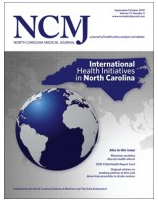
Cover of the North Carolina Medical Journal's latest issue.
The accumulation of brainpower makes the Research Triangle one of the few places in the U.S. where emerging diseases will be researched, medicines to treat them will be developed and programs to improve people’s wellbeing at home and abroad will be established.
“Global health involves highly interdisciplinary and interconnected areas that include human and animal health, medicine, law, engineering, economics, environmental science, agriculture and the social and biological sciences,” as four Duke researchers write in the North Carolina Medical Journal’s latest issue.
Their point of view is part of the NCMJ’s global health forum, which takes up much of the issue.
More than two dozen contributors, including nurses, doctors, community advocates, economists, a veterinarian, a lawyer and a pharmacist, explore what role North Carolina health care professionals and institutions play in global health and the benefits the state is reaping in return.
The forum’s premise follows much the same lessons we learned from the seafaring Europeans: Global health oftentimes is local health.
Today, HIV/AIDS has replaced the bubonic plague. Air travel spreads new influenza strains like H1N1. An obesity epidemic is threatening a rise in diabetes worldwide. Rising temperatures, an effect of global warming, are changing not only growing conditions for plants but also living conditions for animals that carry diseases.
North Carolina is feeling the effects of all these global developments:
- The number of people living with HIV/AIDS in North Carolina and in the Raleigh-Cary area is higher than the national average, according to the U.S. Centers for Disease Control and Prevention.
- Children ages 10 to 17 in North Carolina are among the most obese in the U.S., according to a 2009 report of the N.C. Department of Health and Human Services.
- Chronic disease and infant mortality rates in some eastern North Carolina are comparable to those in developing countries such as Malaysia, Thailand and Nicaragua, according to figures of the N.C. State Center for Health Statistics. The eastern part of the state also faces a particular shortage of health workers.
- North Carolina is getting warmer from the beaches through the Piedmont and across the mountains, according to the Arbor Day Foundation. Since 1990, much of North Carolina has switched from a zone where plants must survive temperatures as low as 0 degrees Fahrenheit to a zone where temperatures don’t dip below 10 degrees Fahrenheit. North Carolina has a long history of tick-borne diseases and research has shown milder winters increase tick-borne encephalitis among humans.
But North Carolina also stands to benefit from the work done in the Research Triangle to address global health issues:
- Researchers at the University of North Carolina at Chapel Hill and Family Health International, a Durham nonprofit, helped test a vaginal gel that contained 1 percent of the Gilead HIV/AIDS drug tenofovir. The test involved South African women and demonstrated that the gel reduced the risk of an HIV infection by up to 59 percent, according to results first published last year.
- RTI International, a research institute in Research Triangle Park, has developed a behavioral program to reduce the likelihood that at-risk women will get infected with HIV. The program is recognized by the CDC and implemented globally and locally.
- The UNC-CH chapter of Engineers without Borders has been involved in improving water quality in communities in Eastern Europe, Latin America and just outside Chapel Hill. Tests in a historically black neighborhood that borders the Orange County landfill showed that nine of 11 wells did not meet federal water quality standards.
- In 2009, UNC and CDC started a program in eastern North Carolina that used global models of mircofinance. It helps women start in business and provides health education.
- Nurses, physicians and dentists educated in India, the Philippines, Nigeria and Columbia are easing the health worker shortage in North Carolina. In the Research Triangle, about 15 percent percent of the physicians, 5.8 percent of nurses and less than 1 percent of dentists were educated outside of the U.S., according to an analysis by a postdoctoral fellow in the UNC School of Nursing that was based on unpublished data from the 2008 North Carolina Professions Data System.
Read all of the contributions to the NCMJ’s global health forum here.
Read here why in 2009 the Research Triangle was the first stop in the U.S. global health revamp.
Of lizards, female choice and male competition
Friday, February 4, 2011, 2:50 pm 2 Comments | Post a Comment
Ryan Calsbeek
I didn’t feel kinship with female lizards until I listened to Ryan Calsbeek talk about women having a say in whether their children will be boys or girls.
Calsbeek has studied natural selection among lizards and spoke about his research Thursday at N.C. State University’s biology department. He is an assistant professor of biological sciences at Dartmouth College and a visitor at the National Evolutionary Synthesis Center in Durham where he is working on a book.
Experiments he and his team have run with brown anoles, lizards native to Cuba and the Bahamas, suggest that the female lizards sort sperm to have the fittest males father more male offspring. It’s unclear how female brown anoles do that, Calsbeek said, but they’re not the only ones doing it.
“It’s even true in humans,” he said.
The remark generated quips from the audience about the exclusively female offspring of three consecutive U.S. presidents and the girl that Calsbeek’s pregnant wife is expecting. But Calsbeek argued that statistically four examples don’t mean much. Throughout history, women whose mates were presidents and kings tended to overproduce sons, he said.
Still, why should I care about sperm sorting among reptiles the size of my finger? Because brown anoles are, as Calsbeek put it, “the drosophila of lizards.” Both are model organisms. Just as the drosophila fruit fly has been extensively used to understand genetics, brown anoles can tell us something about the role female choice plays in the evolution of organisms, including ours, Calsbeek said.

Brown anole
More than 150 years ago, Charles Darwin picked up on female behavior patterns that ensure reproductive fitness down the generations.
Nature is full of examples. To a peacock hen lustrous tail feathers on a male signal he’s not parasite-ridden. Size and strength help male elephant seals drive away competitors and attract harems of up to 100 cows. Size is also important for female brown anoles to determine male fitness.
After World War II, another Brit, Angus Bateman, determined through drosophila experiments that female choice makes sense, because the number of offspring a female fruit flies can produce is limited more by how many eggs she generates than by how many mates she has. Bateman concluded that eggs are more precious than sperm, Calsbeek said.
Calsbeek and his team conducted breeding experiments with brown anoles to learn more about the choices the female lizards made. The findings they reported last year suggested the dams were very sophisticated.
The experiments showed that the size of the father only played a role in the number of male offspring that hatched.
Males are either losers or winners while females do pretty well regardless, Calsbeek said. “If you’re a loser in the animal kingdom, you’re probably a male. Sorry guys.”