Archive for the ‘Health & Medicine’ Category

Dr. Robert Gallo talks about finding a cure for HIV/AIDS
Friday, January 7, 2011, 2:36 pm 1 Comment | Post a CommentAfter a presentation in front of a crowd of about 140, Dr. Robert Gallo sat in an empty auditorium at RTI International and compared the human immunodeficiency virus to Mount Everest.

Dr. Robert Gallo, courtesy J. W. Crawford/RTI International
Gallo, director of the Institute of Human Virology at the University of Maryland School of Medicine in Baltimore, has studied HIV for nearly 30 years.
In 1983, he was locked in a controversial race with French virologist Luc Montagnier to identify HIV as the cause of AIDS. The research results earned Gallo a 1986 Lasker award, also known as America’s Nobel. Montagnier received the Nobel Prize for Medicine in 2008.
The HIV discoveries by Gallo and Montagnier led to an antibody test that helped rid blood banks of the retrovirus and aided in the development of AZT, the first AIDS medicine, at Burroughs Wellcome in Research Triangle Park.
During a presentation Gallo gave Thursday at RTI - during his latest visit to RTP, long a hot spot for HIV/AIDS research - he outlined the clues he followed on the path to identify HIV and the work he’s doing now to develop a vaccine. Read more…
Epidemiologist tracks environmental clues linked to rising autism rates
Tuesday, December 7, 2010, 9:25 pm 1 Comment | Post a Comment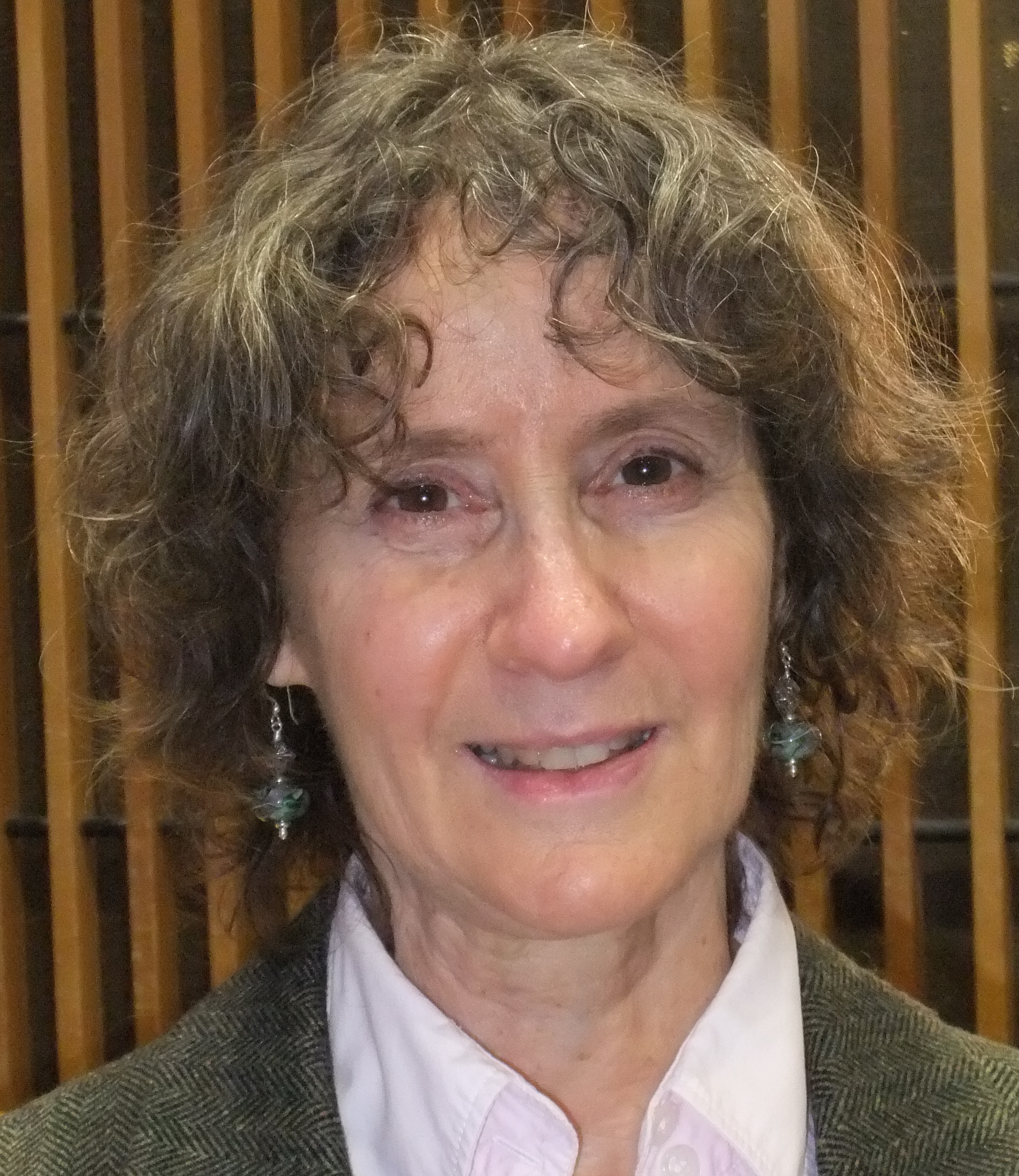
Irva Hertz-Picciotto
Irva Hertz-Picciotto is a slight woman stepping squarely into a brawl: the controversy over rising autism rates.
That the rates have been rising is undisputed. In the 1980s, about 6 of 10,000 were believed to have an autistic disorder, according to a 2007 paper. Today, autism spectrum disorders affect about 40 in 10,000. That’s a 600 percent increase, but opinions differ over what’s causing the increase.
Many researchers see forms of autism as predominantly inherited disorders whose diagnoses have dramatically increased, because parents have become more aware of telltale signs and children get diagnosed earlier, more frequently and with less severe symptoms than 30 years ago.
Others like Hertz-Picciotto, a professor of public health sciences at the University of California at Davis, aren’t so sure genes are the only culprits. But lacking data, they have had little to go on beyond questioning inconsistencies. How, for example, can it be that one identical twin has an autistic disorder but the other doesn’t, even though they share the same genetic information? Read more…
A Growing Field
Tuesday, December 7, 2010, 6:44 pm No Comments | Post a CommentMaking entire organs from scratch – bladders, skin, hearts – may sound like the workings of science fiction, but the efforts of many institutions in North Carolina demonstrate that regenerative medicine is more than just a pipe dream. Researchers from UNC, Duke, Wake Forest and NC State got together on Friday, December 3, to share their experiences with stem cells and regenerative medicine and come up with ways to speed up the clinical applications of the science.
“The use of stem cells in regenerative medicine has the potential to transform the way a variety of disorders in both humans and animals are treated,” stated chair Jorge Piedrahita as he introduced the symposium. “But, like other technologies and approaches, it must cross that inevitable bridge between the bench and the clinics.”
Networks like the Center for Comparative Medicine and Translational Research (CCMTR) at NC State, which sponsored the symposium, the NC Translational and Clinical Sciences (NC TraCS) Institute at UNC-Chapel Hill and the North Carolina Biotechnology Center in RTP exist to help bridge that gap.
Anthony Atala, director of the Wake Forest Institute for Regenerative Medicine, explained that the field is not as young as many might think, since the first journal article on regenerative medicine appeared over sixty years ago. Today, he says scientists at his institute can grow 22 different organs and tissues, but tricky organs such the liver, pancreas and nerves continue to elude them.
Atala and his colleagues were the first to implant a laboratory-grown organ into humans, effectively replacing the defective bladders of children and teenagers with functional organs grown from their own cells. He is now working to correct other devastating congenital anomalies, testing experimental models to restore reproductive function in individuals born without their sexual organs.
“At the end of the day the promise of regenerative medicine is not about the technologies we use or the cells we choose, it is all about making our patients better,” said Atala, who is also chair and professor of urology at Wake Forest.
Read more…
Tapping puberty to narrow the gender gap in science
Saturday, December 4, 2010, 10:58 pm No Comments | Post a CommentThe hormones that usher in puberty also help teenagers focus - on science, for example.
Women in Bio, a support group founded in 2001, has for years zeroed in on this opportunity to narrow the gender gap in science. Chapters come up with programs that expose middle- and high-school girls to a breadth of career choices in the world of bioscience.
WIB’s Research Triangle Park chapter, which formed last year, organized its first such program on Thursday. More than 30 middle-school girls from Wake and Durham counties toured the production facilities of Biogen Idec in Durham and learned what several women scientists do on the job, including Esther Alegria, the general manager at Biogen’s RTP campus.
Biogen employs about 850 in Durham, where the Boston-based company makes its two multiple sclerosis drugs, Avonex and Tysabri.
Elon Price
I talked to four of the girls to find out what they thought of the program. Listen to their answers:
Elon Price, a Clayton eight-grader who is homeschooled, was glad she attended the program, even though at first she didn’t think much of it when she found out her mother had signed her up.
“All of it was really cool,” she told me.
Audio clip: Adobe Flash Player (version 9 or above) is required to play this audio clip. Download the latest version here. You also need to have JavaScript enabled in your browser.
Like another girl I talked to, Elon was impressed by one of the experiments Colleen Dodson, a Biogen process engineer, had prepared for the girls. It involved a solution of vinegar and salt, a bunch of dirty pennies and two steel screws.
Lily James
The solution stripped dirt and patina, or copper oxide, from the pennies. Then, Dodson took the clean pennies out and put the shiny steel screws in the solution. After a while, the screws turned dark. They had been copper plated.
Lily James, an eighth-grader at Ligon Middle School in Raleigh, also liked the penny experiment.
Audio clip: Adobe Flash Player (version 9 or above) is required to play this audio clip. Download the latest version here. You also need to have JavaScript enabled in your browser.
Molly Paul, a seventh grader at Resurrection Lutheran School in Cary, liked the job shadowing best.
Molly Paul
Maybe Molly was looking for inspiration, because she already has a job that involves science.
She gave me her business card when I gave her mine. Hers read, “Raleigh Aquatic Turtle Adoption. Molly K. Paul, founder & director.” She even has a Web site for her organization.
Audio clip: Adobe Flash Player (version 9 or above) is required to play this audio clip. Download the latest version here. You also need to have JavaScript enabled in your browser.
The women scientists at Biogen who took the girls on a tour, designed and performed experiments and invited them into their cubicles, took great pains to impress on the girls that science is everywhere. Dodson, for example, listed make up, phones, medicine and our bodies, which she called chemical factories.
“All is chemistry, biology and physics,” Dodson said.
Carina Kling
Carina Kling, an eighth grader at Daniels Middle School in Raleigh, already had somewhat of an understanding of the potential power that science packs.
At her school, Carina volunteers to work with people with disabilities. Some of the disabilities are caused by genetic defects. Carina said the work as a volunteer has made her think about how she could help more, which has led her to an interest in genetics.
Audio clip: Adobe Flash Player (version 9 or above) is required to play this audio clip. Download the latest version here. You also need to have JavaScript enabled in your browser.
Visiting Second Life to see the 3D AIDS quilt
Friday, December 3, 2010, 1:18 am No Comments | Post a CommentThe launch of the three-dimensional quilt during World AIDS Day Wednesday was accompanied by, as you would expect, songs, images and poems to remember loved ones who lived with and died from HIV.
But in every other respect this gathering was different from the largest community arts project in the world, the AIDS Memorial Quilt that was founded in 1987.
The 3D AIDS quilt in Second Life
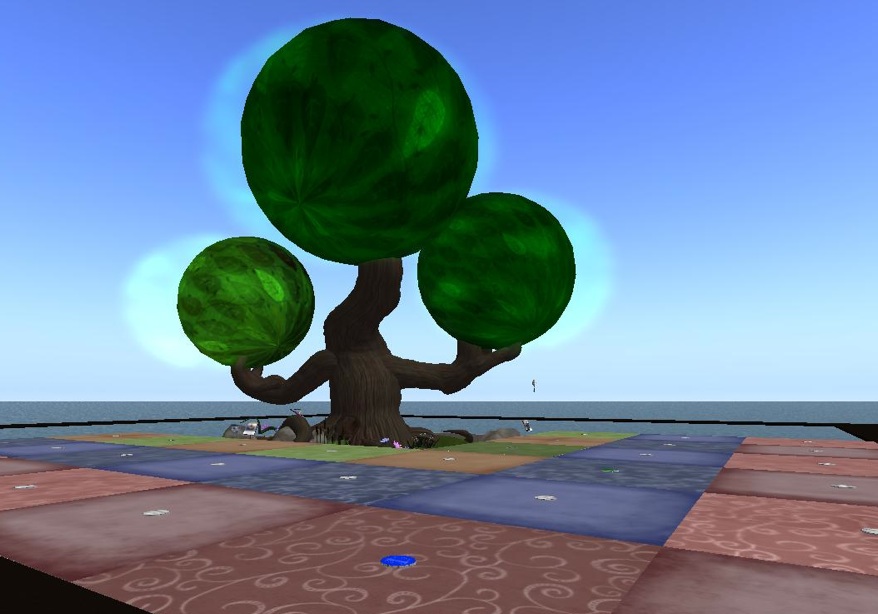
The 3D AIDS quilt, which includes contributions from the University of North Carolina at Chapel Hill Center for AIDS Research and the Triangle Global Health Consortium, is laid out below an enormous tree that grows on Storybook Island in Second Life, a three-dimensional virtual world maintained by Linden Lab of San Francisco.
As Jena Ball, one of the creators of the 3D AIDS quilt, put it, this quilt “doesn’t have to be folded and stored. It’s available 24/7, can live in multiple places and grow to any size.”

Jenaia Morane
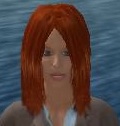
Ball, a writer who recently moved from Los Angeles to North Carolina’s Research Triangle area, made that point through her avatar, Jenaia Morane, during the launch celebration, which took place in an auditorium inside the tree on Storybook Island. Because, you see, you can only visit the 3D quilt in the form of an avatar. I was there as Zaidy Xenga, a redhead wearing a gray suit and one black shoe.
With the 3D AIDS quilt, Ball and her collaborators at Startled Cat studios - Martin Keltz, an Emmy award winning producer, and Doug Thompson, an Internet marketing entrepreneur - built on the Karuna initiative, a HIV/AIDS storytelling project in Second Life that kicked off in 2008 with a grant from the National Library of Medicine.
The initiative now consists of multiple Second Life islands, all owned by Startled Cat. On Karuna island, avatars can, for example, read the panels in the AIDS poetry garden, learn about the human immunodeficiency virus or visit the Ryan White tree. The seven-part Uncle D story quest is spread out over six islands. Avatars going on the quest can visit the house of Uncle D, a person who lived with HIV, and read his diary.
Here’s a video of Keltz’s avatar, Marty Snowpaw, going on one of the Uncle D story quests:
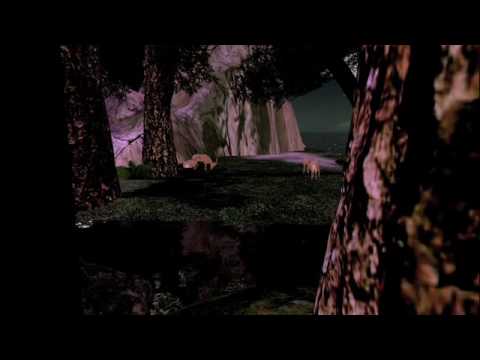
The 3D AIDS quilt is on yet another Second Life island. The quilt consists of rooms that commemorate people who have died of AIDS. My avatar, Zaidy Xenga, teleported to a few of the rooms.
One of the rooms is dedicated to Bobby, who loved flying. My avatar arrived in the room and looked at a single-engine plane frozen in mid-flight.
The next visit took me into the sleeping quarters of an AIDS orphanage in South Africa. The beds were made of logs. Spread across the floor was a play carpet that had the streets and buildings of a village woven into it. A slide show on one wall showed pictures of South African children playing.
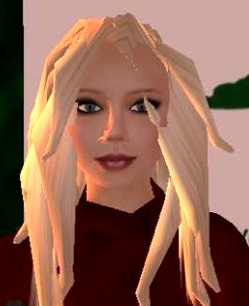
Nicole Fouche's avatar
The room is a contribution of the Triangle Global Health Consortium and represents a memory of Nicole Fouche, TGHC’s executive director who grew up in South Africa. The memory is of a day in a park when a child took Fouche’s hand. The incident led her to realize there were entire orphanages in South Africa filled with children who lost their parents to AIDS, Fouche’s avatar said during the launch ceremonies.
Banners above the beds displayed the names of TGHC’s members, including Glaxo SmithKline, at whose U.S. headquarters in RTP the first AIDS drug was discovered in 1984, Duke University, UNC and RTI International.
The TGHC room on the 3D quilt commemorates the more than 16 million children under 18 who have been orphaned by HIV worldwide.
As Zaidy Xenga I also visited the room contributed by the UNC Center of AIDS Research, which is a collaboration of UNC, RTI and Family Health International.
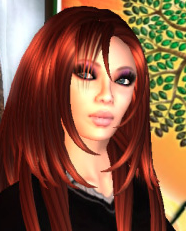
Vanie MacBeth
On panels on the room’s wall, Vanessa White, aka Vanie MacBeth in Second Life, tells the story of Ann, who volunteered to speak about living with HIV to more than 300 UNC students on World AIDS Days. White manages the community outreach for the UNC Center for AIDS Research and recruited Ann before she died at 42 of complications from AIDS. An empty chair below the last story panel represents her death.
My avatar also sat next to avatars of more than 40 other visitors from across the world who gathered in the auditorium inside the tree on Storybook Island. Some wore billowing dresses, other jeans, wings or Werewolf skins. In Second Life, you can take on any shape you like, even glowing green skin. One of the avatars had “I am HIV+” written as part of its name.
On the panel in the center of the auditorium sat Jokay Wollongong, the avatar of Jo Kay, an Australian woman who created the JokaydiaGrid, a virtual world for educators and students age 10 to 16. A copy of the 3D AIDS quilt on JokaydiaGrid is available for commemorative rooms build by pre-teens and teens who are not allowed to go onto Second Life.

Science Cafe spreads understanding of bacteria over beers
Friday, November 12, 2010, 5:14 pm 2 Comments | Post a Comment
Sophia Kathariou talks microbes to a crowd at Mitch’s Tavern in Raleigh.| Photo by Tyler Dukes
Note: Story cross-posted from Scientific American.
Sophia Kathariou is the kind of scientist who can turn food-borne bacteria into great dinner conversation.
The associate professor of food science and microbiology at N.C. State University in Raleigh spoke about her work Thursday night at Mitch’s Tavern, a longtime haunt for professors and students alike. The talk was one of Sigma Xi’s Science Cafés, which aim to promote science among the public.
Over local craft brews, Greek salads and gumbo, Kathariou was quick to mention the softer side of bacteria. Whether we hear about them “attacking our immune system” or “weakening our defenses,” she said the militaristic tone of communication about microbes has to change.
“Society has been trained to think about microbes and bacteria as enemies. This could not be further from the truth,” she said. “They are part of who we are and what we do.” Read more…
Disease and prejudice
Wednesday, November 3, 2010, 10:26 pm No Comments | Post a CommentThe risk of catching an infectious disease is high in India compared to the U.S. That’s a fact. So it’s no wonder when an American visiting India gets sick, right? Not so fast, says Mark Schaller.
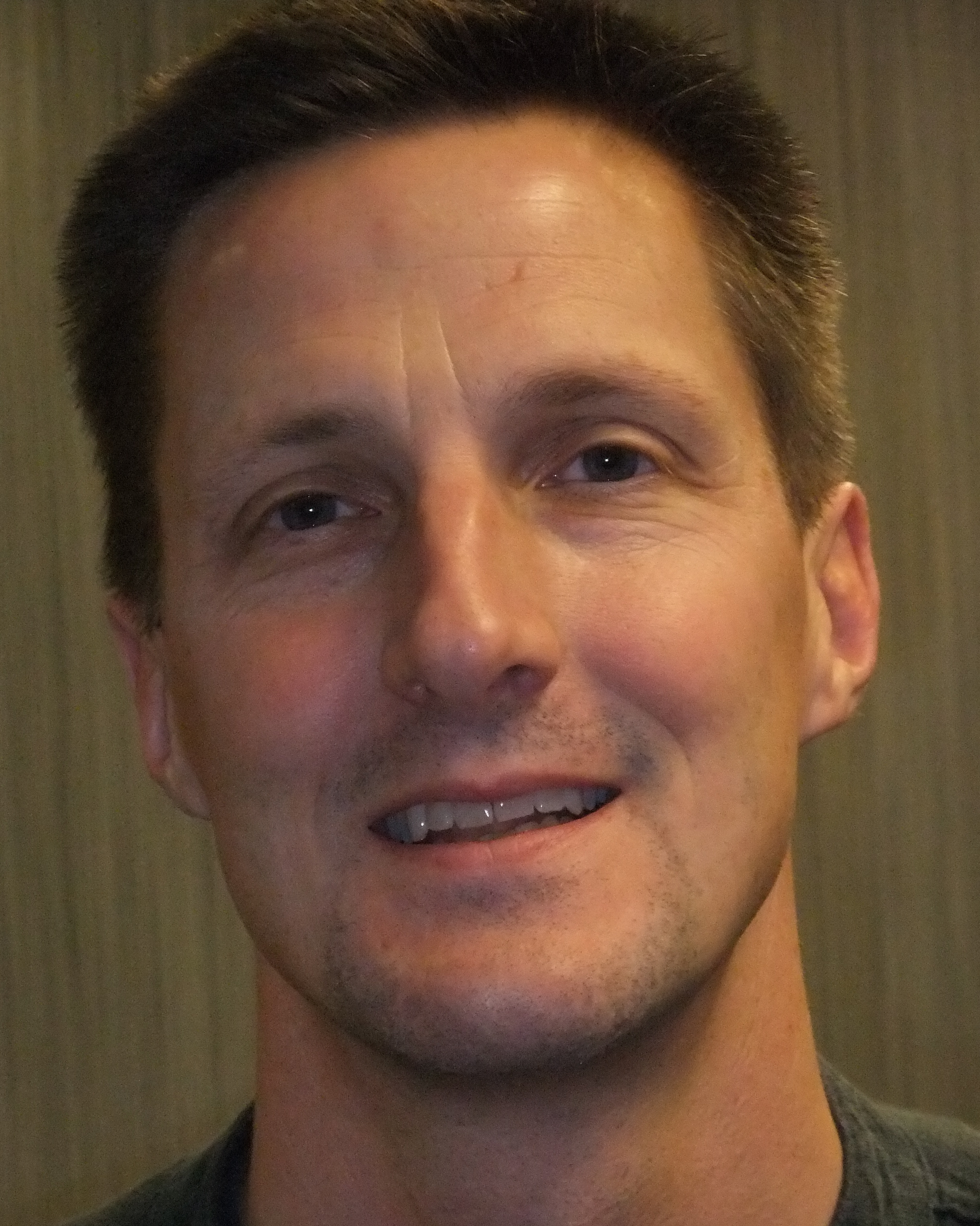
Mark Schaller
The psychology professor at the University of British Columbia in Vancouver suggested Wednesday after his presentation at N.C. State University that coming down with diarrhea or a fever in India may have just as much to do with a visitor’s expectations and fears as with the country’s abundance of bacteria and viruses.
Schaller comes by his suggestion through researching the relationship of behavior and disease.
Neither a medical doctor nor an expert in the human immune system, he focuses on what he calls the behavioral immune system: Behaviors that evolved over time as defenses against pathogens, including hygiene rituals, cooking practices and cultural attitudes toward anything foreign. Read more…
On the cutting edge: Three women in translational research
Wednesday, October 27, 2010, 9:16 pm 1 Comment | Post a CommentLarge pharmaceutical companies already leave much of the translational research to biotech companies and startups. But now, turning an idea into a potential product is gaining importance at U.S. medical schools as more and more university scientists are taking on the development of disease treatments and preventions.
In North Carolina, researchers at Wake Forest University are about to test a novel vaccine booster in healthy volunteers. The New England Journal of Medicine this month published the results of the first clinical trial of a therapy developed at the University of North Carolina at Chapel Hill to replace a defective gene that causes Duchenne’s muscular dystrophy. And Duke University researchers have come up with treatments for two rare diseases, Krabbe disease and Pompe disease, and are working on three more.

Dr. Priya Kishnani
The three scientists that the Raleigh-based Carolinas Chapter of The Indus Entrepreneurs invited to its life science panel discussion Tuesday at Brier Creek Country Club reflected not only this research & development shift, but as women they also succeeded in a male-dominated field.
One of the panel members was Dr. Priya Kishnani, a Duke pediatrician and geneticist, who was instrumental in developing Myozyme, a Pompe disease treatment that was approved in 2006 and is marketed by Genzyme.
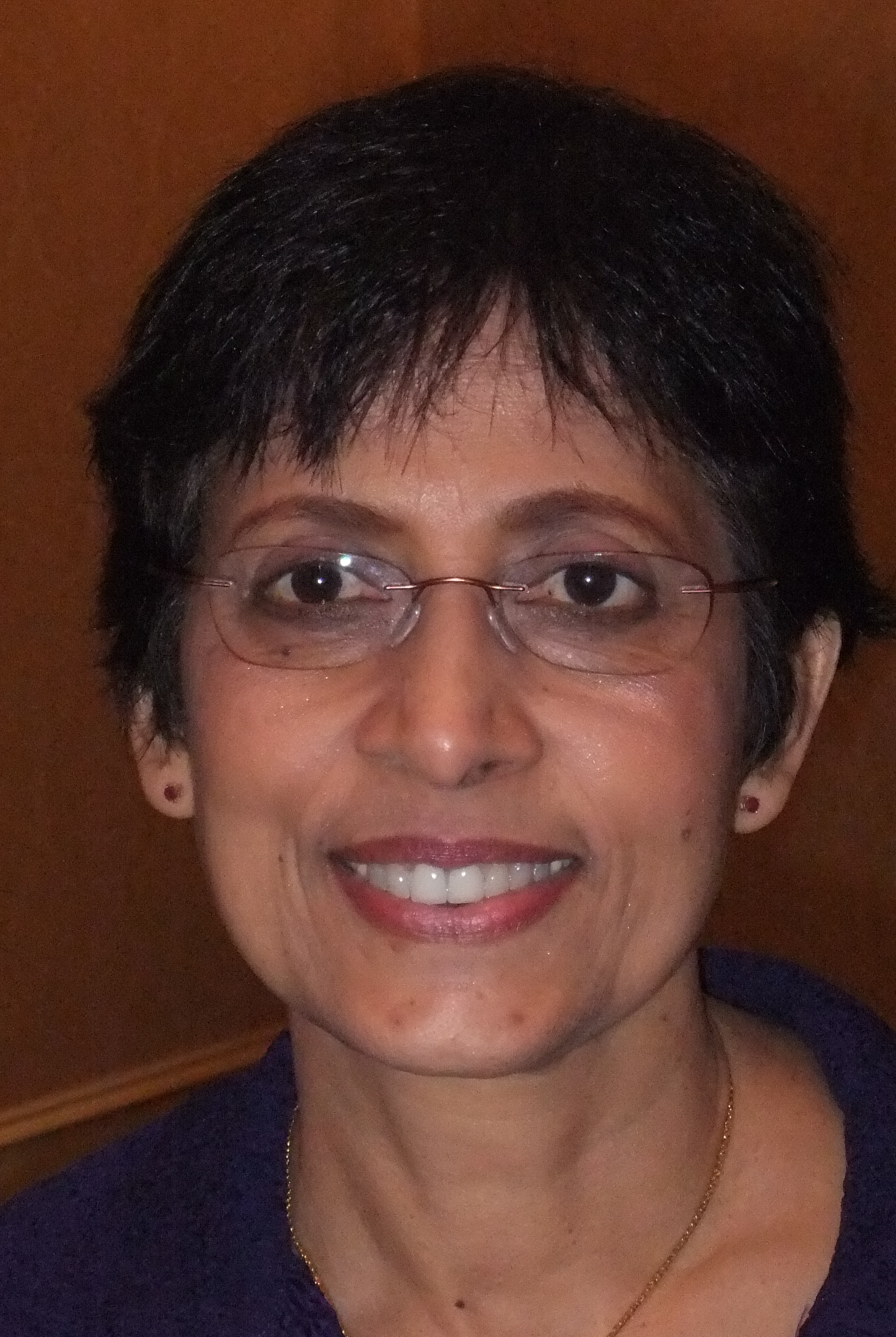
Prabhavathi Fernandes
Kishnani was joined by Prabhavathi Fernandes, chief executive of Cempra Pharmaceuticals, and Christy Shaffer, former chief executive of Inspire Pharmaceuticals.
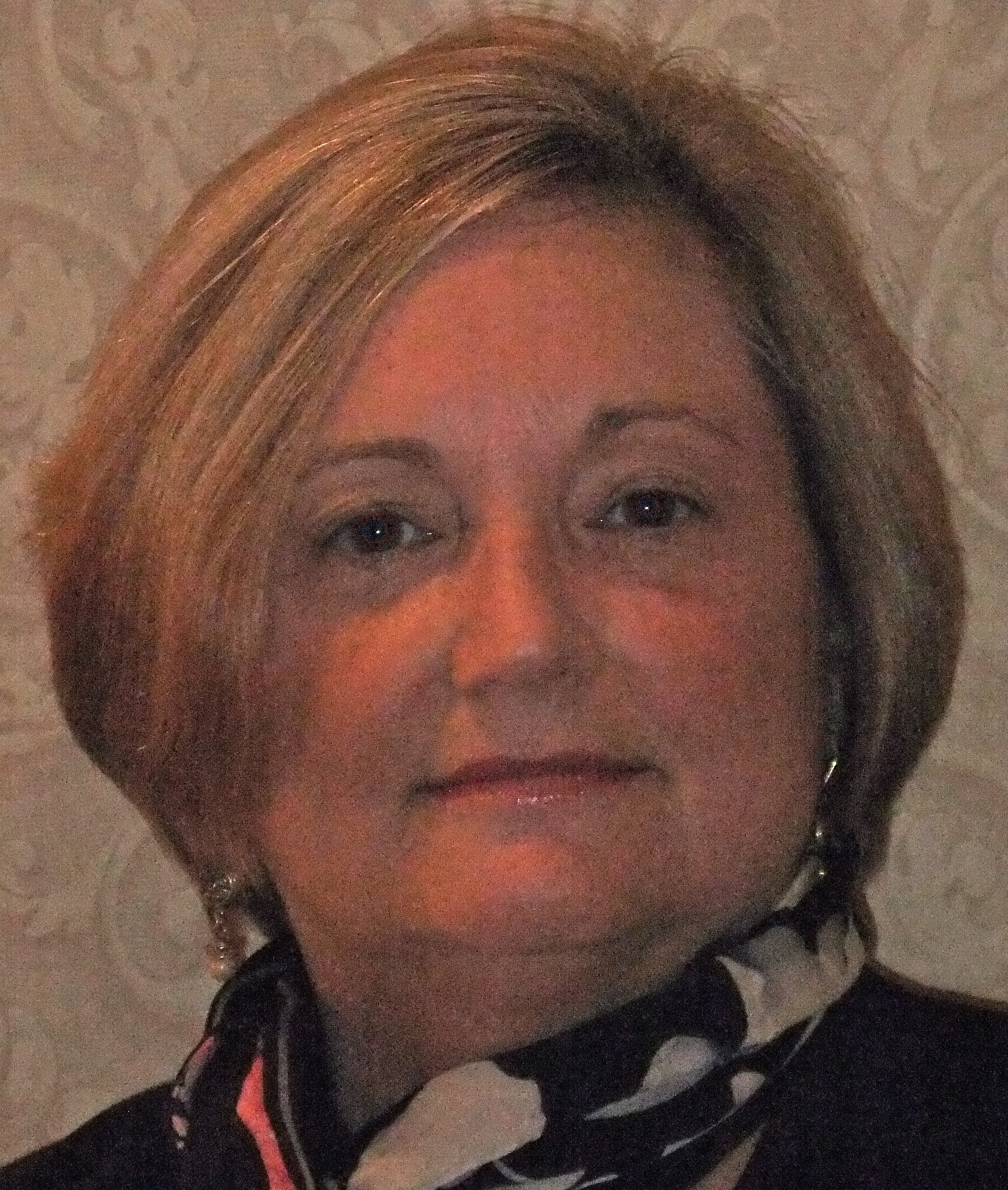
Christy Shaffer
Research Triangle Park was established to bring together academia and industry and develop research-based products. In that respect, Cempra, a 4-year-old Chapel Hill startup that has raised $60 million in venture capital to develop new antibiotics, and Inspire, a publicly traded Durham company with about $100 million in annual revenue, are driving forces in the home-grown life cycle of drug development.
The trio talked about what inspires them, whether they believe in an entrepreneurial gene and what’s unique about translational research in RTP. They also fielded questions from the audience, including one from Leslie Alexandre, former chief executive of the N.C. Biotechnology Center, on pricing of new medicines in the face of rising health care costs. Read more…
RTI unveils research gateway to secret U.S. Census and health data
Tuesday, October 19, 2010, 9:43 pm 1 Comment | Post a CommentThere’s U.S. Census data that’s easily available online, like the portion of the population below the poverty level (14.6 percent North Carolina, 13.2 percent U.S.), median household income ($46,574 North Carolina, $52,029 U.S.) and the percentage of the population that is foreign born (5.3 percent North Carolina, 11.1 percent nationwide).
And then there’s the secret U.S. Census data that only researchers with a security clearance can see.

Robert Groves
The Triangle Census Research Data Center that Robert Groves, director of the U.S. Census Bureau, opened Tuesday on RTI International’s campus in Research Triangle Park is a gateway to the secret kind of data, like detailed demographic and economic information from individuals, single households and individual businesses.
“We alone can’t extract all the insights,” Groves said. “We want to give the best minds in the country access to this data. RTP is blessed with a lot of smart people.”
The new center, which takes up part of a renovated one-story building on the RTI campus, is one of 13 nationwide. It also provides researchers access to detailed data collected by the National Center for Health Statistics. The sets of demographic, economic and health data are collected through questionnaires filled out by part of the U.S. population.
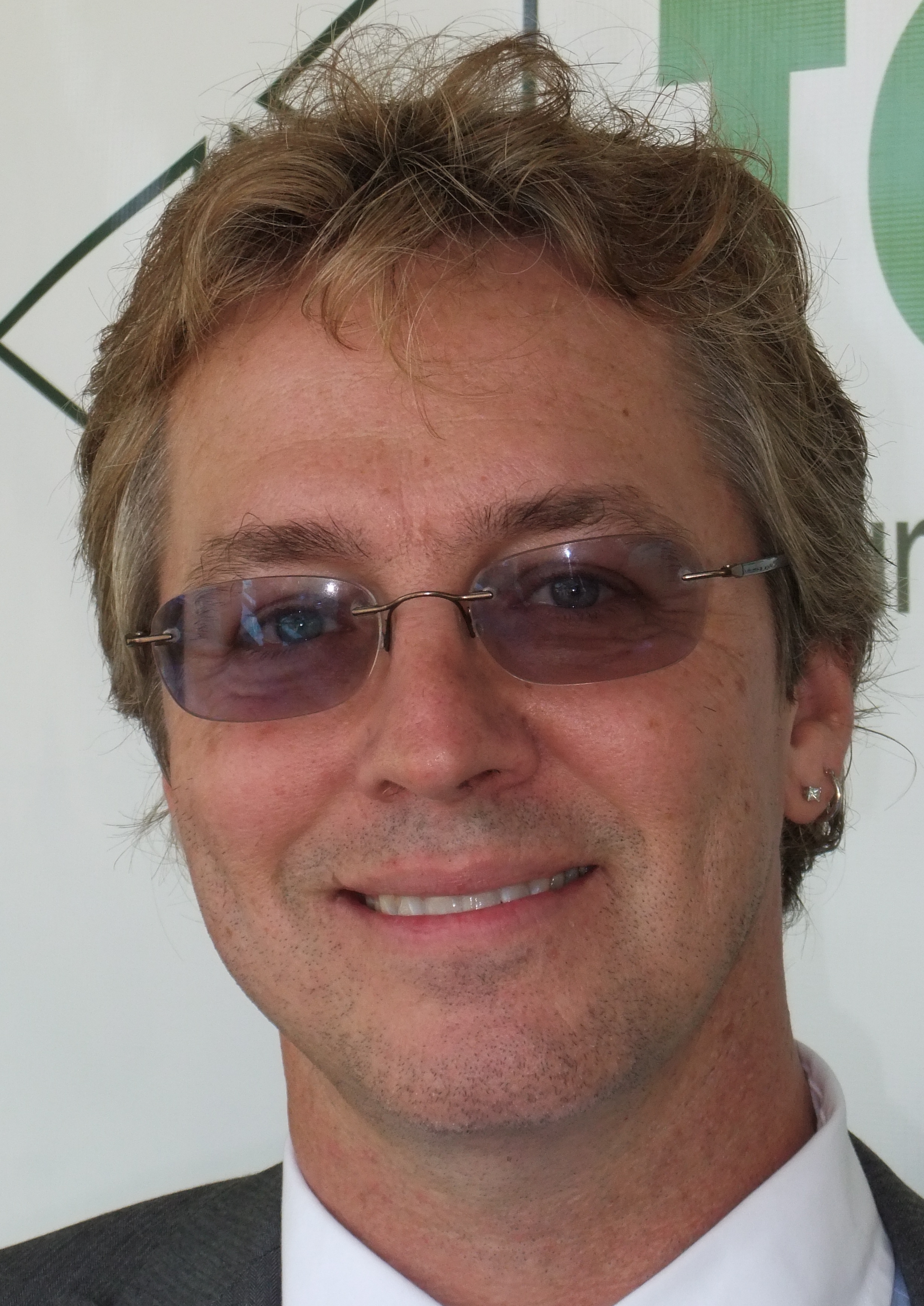
Gale Boyd
Even the secret data doesn’t include individual names, addresses or social security numbers, said Gale Boyd, a researcher in the economics department at Duke University and the center’s director. Still, access is restricted to protect those who fill out the questionnaires from harm and to preserve their anonymity.
Economists, sociologists, statisticians and others who want to work with the data need permission from the U.S. Census Bureau or the National Center for Health Statistics. Security clearances will take about three to four months, Boyd said. Law firms and private corporations need not apply, he said. “We’re not looking for private companies looking for profits.”
For the past 10 years, Boyd headed a smaller version of the center at Duke, which will remain open for now. The larger center on the RTI campus, which has nine cubicles with computers that tap into the databases at the U.S. Census Bureau and the National Center for Health Statistics, has an annual budget of about $300,000, provided by the University of North Carolina system and Duke. RTI’s contribution is the building.
RTI, Duke and UNC researchers who receive permission to use the center don’t have to pay to access the data. Researcher from other institutions pay a fee for the access.

Superbug in the Triangle!
Sunday, October 3, 2010, 3:18 pm 1 Comment | Post a Comment Well, hopefully not the real MRSA in your home! But the book Superbug will be introduced to the audiences around here. Author Maryn McKenna (Twitter) will be in the Triangle this week.
First, on Wednesday October 6th at 7:30 pm, Maryn will be reading at my most favourite bookstore in the world - Quail Ridge Books in Raleigh. I’ll be there.
Then, next day, on Thursday October 7th at 7:00 pm, she will be going over to Durham to read/sign at The Regulator Bookshop. I may try to come to that again.
Join us if you are in town for one or the other or both events!


