Posts Tagged ‘UNC’

An argument for boosting federal funding for energy research
Wednesday, November 17, 2010, 4:43 pm 3 Comments | Post a Comment
Jim Trainham
Calls for Congress to boost federal funding for clean energy research are getting louder and Jim Trainham, executive director of the newly formed Research Triangle Solar Fuels Institute, is jockeying for a position in the chorus.
The University of North Carolina at Chapel Hill, Duke University, N.C. State University and RTI International formed the solar fuels institute this summer to give the Research Triangle Park area its due as an energy research hub.
“There’s a lot of expertise here,” Trainham said Tuesday during a presentation at the Triangle Area Research Directors Council.
From its four parents, the solar fuels institute got experts in chemistry, electrical engineering, material sciences and nanotechnology and a lofty goal: Tapping the sun to make liquid fuel. (Watch a Q&A with Trainham here.)
The technology to meet the goal could be developed in less than a decade, Trainham suggested at TARDC. The big question is how to pay for the research and development. Read more…
UNC researchers help explore alternate route to a HIV vaccine
Sunday, November 14, 2010, 4:09 pm 1 Comment | Post a CommentIn past years, researchers at the University of North Carolina have worked closely with colleagues from Duke University to develop a vaccine that prevents the AIDS virus from infecting the body, but they also teamed up with colleagues at Harvard University and the Massachusetts Institute of Technology to explore an alternate route.
UNC’s HIV/AIDS clinic, which treats about 2,000 patients and is like Duke’s one of the biggest in the country, participated in a study whose recently published results could lead to a vaccine that helps the body control an HIV infection and prevent disease.
The HIV controller study gathered blood samples from about 3,600 people worldwide. All participants tested positive for the human immunodeficiency virus, but about 1,000 of them didn’t get sick even though they were taking no medication. Detailed tests and comparisons determined a genetic reason: Five amino acids, or building blocks, in a protein that picks up the HIV and delivers it to the cell surface, where the body’s hitmen see it and kill the infected cell.
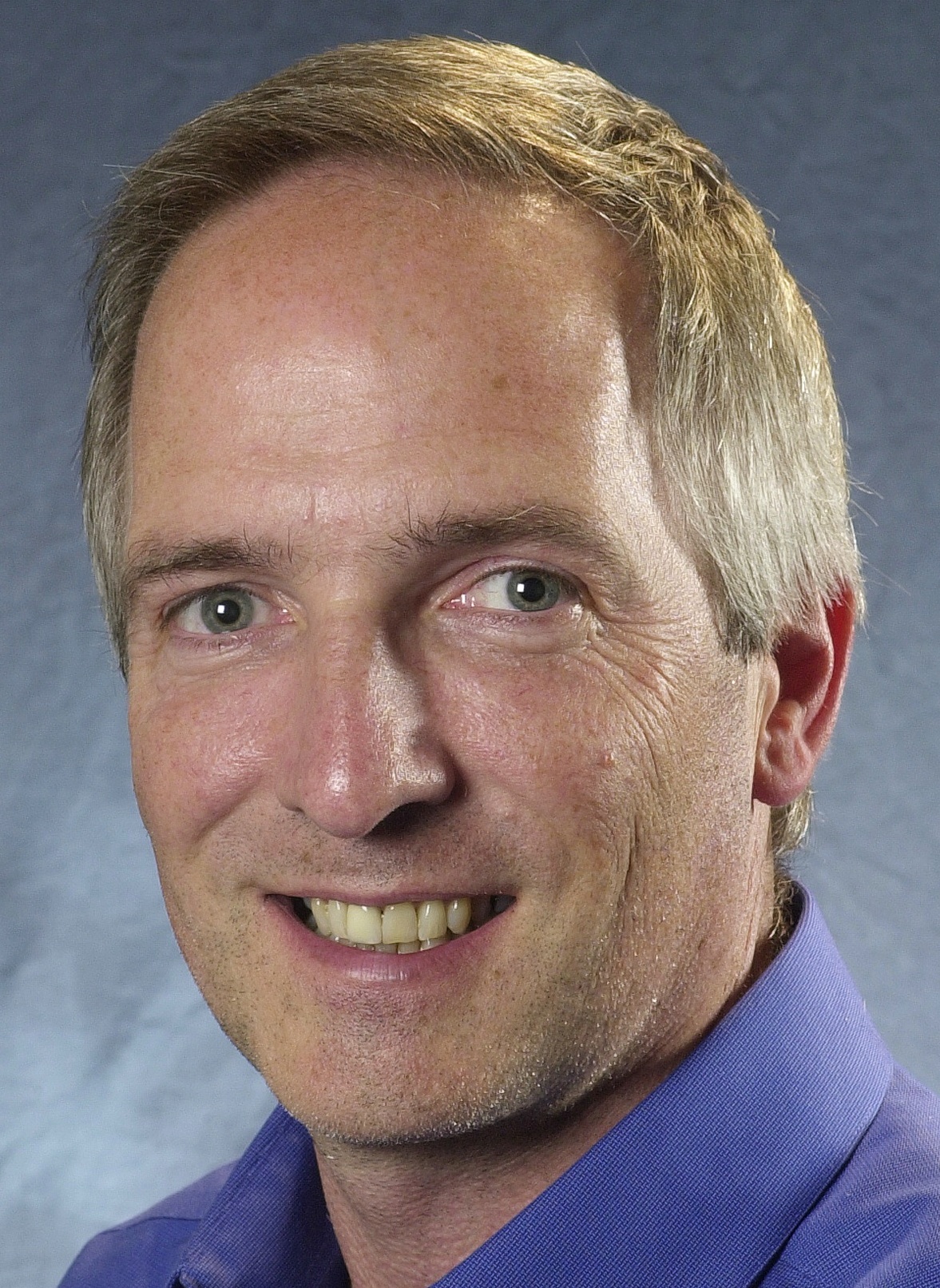
Dr. Joseph Eron
The protein, a human leukocyte antigen called HLA-B, had long been suspected to play a key role in the body’s immune response to HIV, said Dr. Joseph Eron, professor of medicine at UNC’s infectious diseases division and a co-author of the study. But it had been unclear what part of the protein was different in people whose immune system was able to control an HIV infection.
“Now we know where and which amino acids,” Eron said. But there’s still a lot more to learn. “How is [the controllers' protein] better? That’s the next step.”
North Carolina’s Research Triangle Park area has been at the forefront of battling HIV/AIDS for nearly 30 years. AZT, the first AIDS medicine to get regulatory approval, was discovered 1984 in a Burroughs Wellcome lab in RTP. Since then, several other drugs that were developed in the RTP area have contributed to keeping the deadly HIV in check.
RTP researchers have also been among the leading forces to search for a vaccine.
Five years ago, Dr. Barton Haynes, director of the Duke Human Vaccine Institute, was charged with overseeing the Center for HIV/AIDS Vaccine Immunology. CHAVI is a consortium of universities and academic medical centers the National Institute of Allergy and Infectious Diseases established with access to more than $300 million in funding over seven years. UNC is part of the consortium.
CHAVI has come up with a HIV vaccine. It’s a mosaic vaccine - it is based on HIV genetic pieces that a computer at the Los Alamos National Laboratory in New Mexico picked according to programmed patterns - and it promises to outwit strains of the virus that account for about 80 percent of infections worldwide.
CHAVI has set the bar very high, much higher than it is set for vaccines protecting against other viruses.
The mosaic vaccine aims to prevent the HIV from infecting the body and to keep those vaccinated HIV negative. But development on the vaccine is far enough advanced that Duke experts are preparing to test it in humans for the first time in 2012.
A vaccine based on the results of the HIV controller study would have a more traditional goal: Preventing an HIV infection from triggering disease. Preventing disease may be easier to accomplish than preventing infection, but a vaccine based on genetic variations in the HLA-B protein is at this point just an idea.
Duke also collects and studies blood samples from people who are HIV positive but have never gotten sick or didn’t get sick for a long time without taking medication. But Duke’s HIV/AIDS clinic wasn’t listed among the contributors to the HIV controller study, which was spearheaded by Harvard and MIT.
So how can a handful of amino acids on the HLA-B protein make such a difference?
About one in 300 people who are HIV positive have genetic variations associated with immune control of HIV. All of these variations are on a section of chromosome 6 that holds the instructions for making HLAs. These instructions can differ from person to person and are considered one of the most diverse in the human genome.
Paul de Bakker
When researchers at the Ragon Institute and the Broad Institute, collaborations of Harvard, MIT and the Massachusetts General Hospital, studied the instructions in more detail, they noticed HIV controllers made HLA-Bs that differed from those in HIV positive people who got sick. Five amino acids in the controllers’ HLA-Bs made the difference. All five were located in the binding groove, the spot where HLA-B picks up and binds an HIV.
The variations have probably been around for a long time, according to Paul de Bakker, a geneticist at the Broad Institute and one of two leading authors of the HIV controller study.
One of the variations, HLA-B27, is not only better in attacking HIV, it also increases the risk for autoimmune diseases, diseases in which an overly aggressive immune system has trouble distinguishing between “self” and “non-self.”
“I don’t think I have seen any (compelling) evidence that suggests that the immune system is currently adapting to HIV,” de Bakker wrote in an e-mail. “Time will tell.”
On the cutting edge: Three women in translational research
Wednesday, October 27, 2010, 9:16 pm 1 Comment | Post a CommentLarge pharmaceutical companies already leave much of the translational research to biotech companies and startups. But now, turning an idea into a potential product is gaining importance at U.S. medical schools as more and more university scientists are taking on the development of disease treatments and preventions.
In North Carolina, researchers at Wake Forest University are about to test a novel vaccine booster in healthy volunteers. The New England Journal of Medicine this month published the results of the first clinical trial of a therapy developed at the University of North Carolina at Chapel Hill to replace a defective gene that causes Duchenne’s muscular dystrophy. And Duke University researchers have come up with treatments for two rare diseases, Krabbe disease and Pompe disease, and are working on three more.

Dr. Priya Kishnani
The three scientists that the Raleigh-based Carolinas Chapter of The Indus Entrepreneurs invited to its life science panel discussion Tuesday at Brier Creek Country Club reflected not only this research & development shift, but as women they also succeeded in a male-dominated field.
One of the panel members was Dr. Priya Kishnani, a Duke pediatrician and geneticist, who was instrumental in developing Myozyme, a Pompe disease treatment that was approved in 2006 and is marketed by Genzyme.
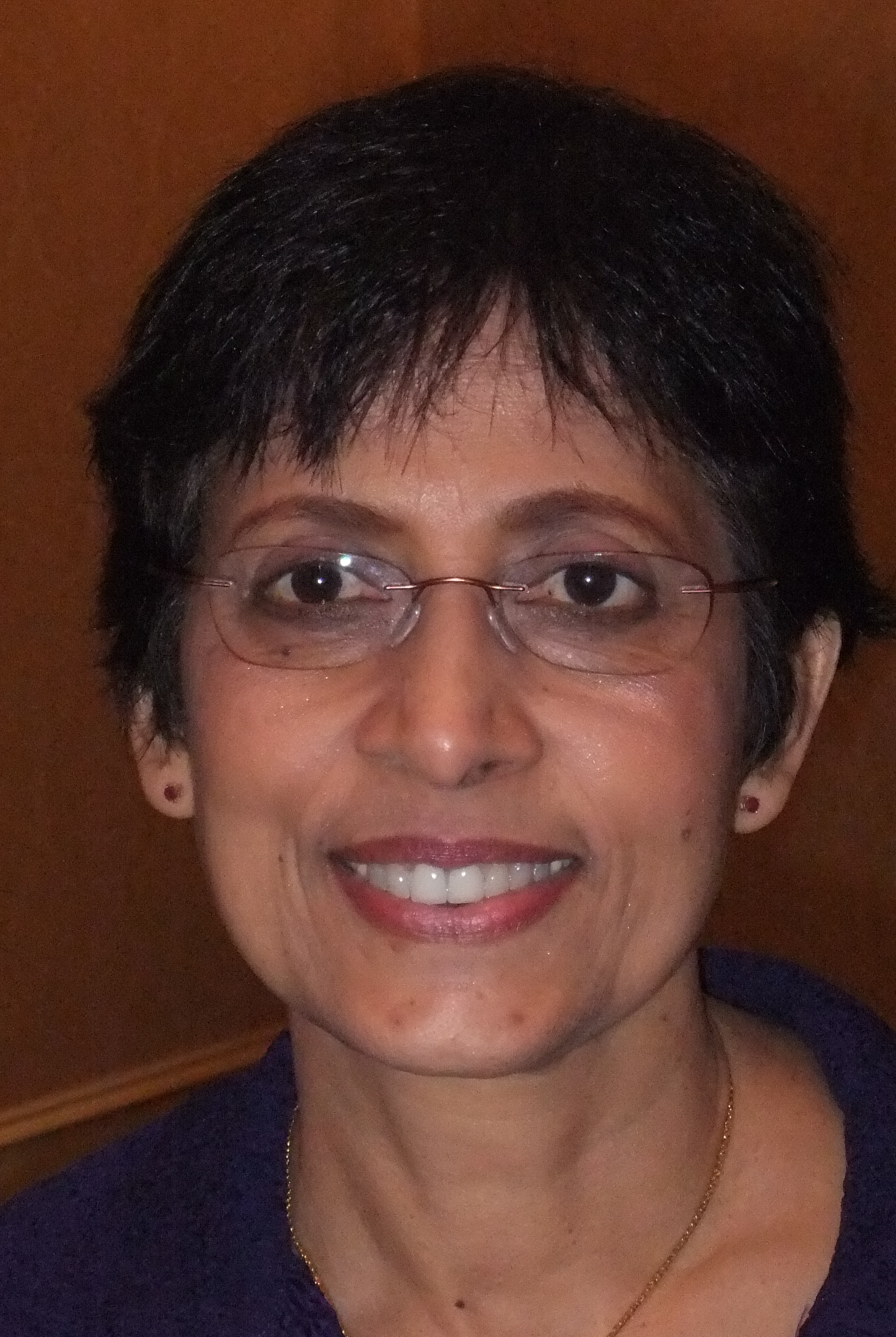
Prabhavathi Fernandes
Kishnani was joined by Prabhavathi Fernandes, chief executive of Cempra Pharmaceuticals, and Christy Shaffer, former chief executive of Inspire Pharmaceuticals.
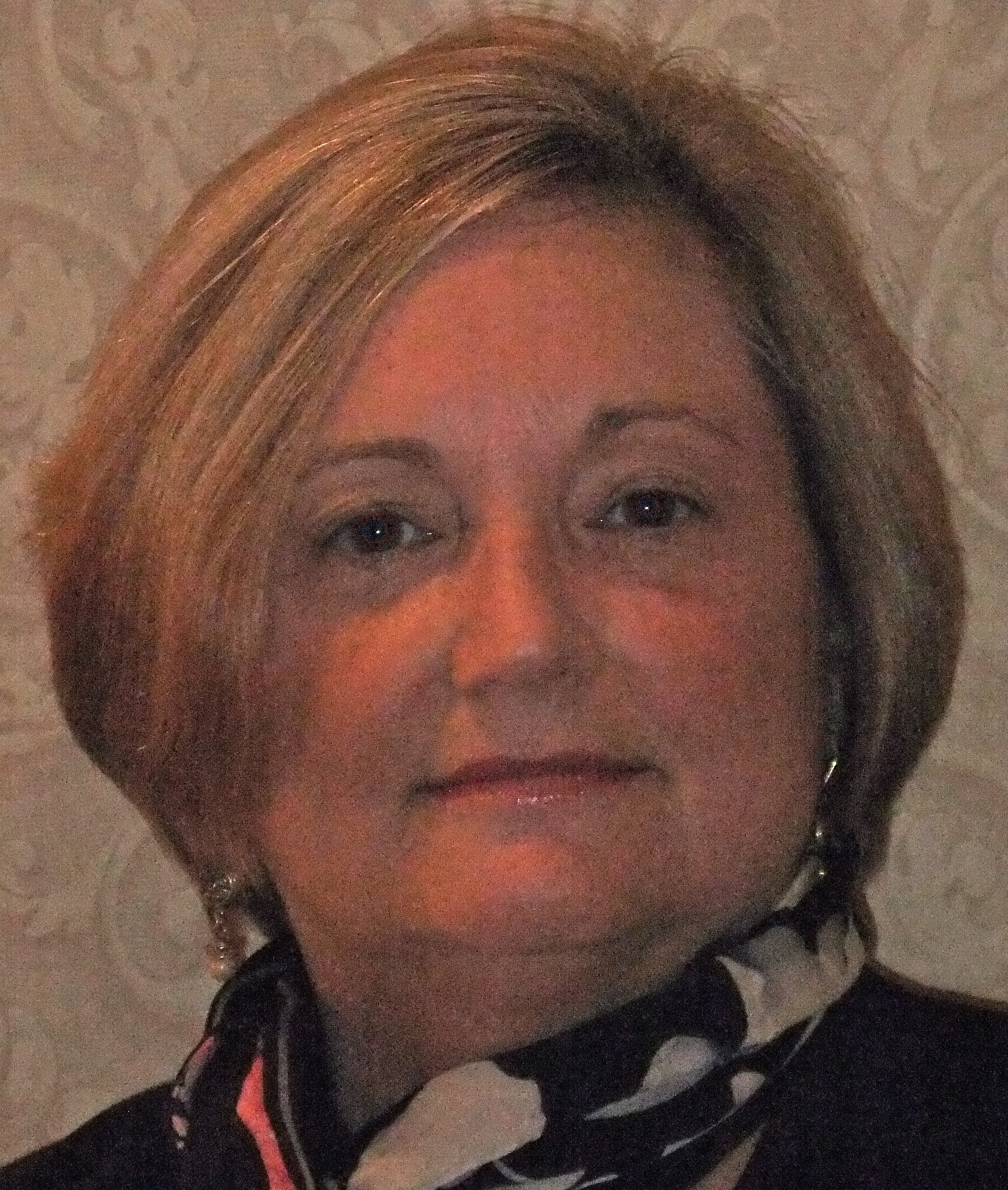
Christy Shaffer
Research Triangle Park was established to bring together academia and industry and develop research-based products. In that respect, Cempra, a 4-year-old Chapel Hill startup that has raised $60 million in venture capital to develop new antibiotics, and Inspire, a publicly traded Durham company with about $100 million in annual revenue, are driving forces in the home-grown life cycle of drug development.
The trio talked about what inspires them, whether they believe in an entrepreneurial gene and what’s unique about translational research in RTP. They also fielded questions from the audience, including one from Leslie Alexandre, former chief executive of the N.C. Biotechnology Center, on pricing of new medicines in the face of rising health care costs. Read more…

IBM city sim highlights gaming’s problem-solving potential
Thursday, October 21, 2010, 12:05 pm 1 Comment | Post a CommentThe world is becoming a more complicated place – but that’s OK with people like Phaedra Boinodiris.
As the gaming and marketing manager at IBM, Boinodiris said she sees the potential for video games to help everyone from citizens to political decision-makers understand issues by breaking them down into simpler elements. By showing the interactions between those pieces, Boinodiris said games can be effective at educating the public.
“It’s hard to capture any other way,” Boinodiris said. “We’re living in a more complex world.”
Boinodiris and her team at IBM wanted to break down that complexity about six months ago when they began working on a game to detail the company’s work with “smart cities.” The result was CityOne, a free city-building simulation developed with Center Line Digital in Raleigh, N.C., and released in early October.
Players begin the game as the manager of a drab, grayscale city facing serious infrastructure and industry problems. Using a limited set of resources and input from a group of advisers, players choose how they should invest in solutions like alternative energy and supply chain management. Winning the game, and creating a more vibrant city, depends on the player’s ability to effectively improve everything from water distribution to business climate.
“The initial inspiration for it was looking for ways to explain system solutions and its impact on the market and in the industry,” Boinodiris said.
Aside from the education component, Boinodiris said the game is out to communicate what IBM can do.
“There is no press release, no white paper, no spokesperson that can explain these concepts like a serious game can,” she said.
Daren Brabham, a professor of public relations at UNC-Chapel Hill, agrees. Through his research on crowdsourcing, he said he’s learned the power of interactive marketing and its ability to show the simple connections in a big system.
“With games, all they really do is teach us how to problem solve,” Brabham said. “The question is: What should the problem be?”
The interactivity doesn’t even have to be complicated to be effective.

The Next Stop Design project crowdsourced bus stop designs for Salt Lake City, eventually selecting the “Sugarhouse Lounge” concept by Aaron Basil Nelson.
In 2009, Brabham began a research project to crowdsource a design for a better bus stop in Salt Lake City. After initially planning a Web-based interface that would have allowed users to allocate resources in the planning of a 3-D model, Brabham abandoned the approach in favor of a more open submission system that just required applicants to send in sketches and plans. All of those designs were posted online, where users could rate and comment on them.
With that $5,000 site, Brabham said users submitted 260 designs. And two-thirds of them had never participated in a planning process before.
“To be honest, traditional methods of engaging stakeholders at a meeting really could only tackle one thing at a time,” he said. “[The crowdsourced method] would be a lot more of a democratic process than the 10 people who show up to the planning meeting and yell at each other.”
Boinodiris said she’s seen that need to participate among the public. She said people want to know what it would take for a city like Raleigh to support a smart grid, electric vehicles or other sustainable solutions. To participate, they also need good information about how to move forward and what those actions would mean.
“I think people are asking those questions: Why aren’t we there yet?” she said. “[CityOne] tries to show those building blocks and the affects of those missteps.”
So far, Boinodiris said thousands of people worldwide from several different industries have already played CityOne.
And gamers want more. She said she’s already gotten requests to expand the game with more SimCity-style gameplay, effectively allowing players to build cities from scratch. Players even suggested integrating real-time city data to add to the challenge of preparing municipalities for the future.
“They’re really putting the gauntlet down,” Boinodiris said.
Although she said this was the company’s “very first small steps” into a city simulation, she didn’t leave out the possibility for future editions, pointing out that it’s “inevitable” that corporations will pursue this type of marketing to get their messages across.
“It’s not a ‘what if?’ or ‘will it happen?’” she said. “It’s already happening.”
But businesses aren’t the only ones interested. Game designers like Jane McGonigal, who delivered a speech at a TED conference in 2010, believe gaming’s ability to harness a player’s problem-solving ability will be useful when tackling complicated issues.
“We’ve evolved technology to a point where we can do some good,” Brabham said.
Brabham even imagines the potential for groups like the Republican and Democratic national committees to create games allowing voters to explore the long-term impacts on the country if candidates are elected. Ideas like this, he said, can be an effective way to hear through the chatter.
“[Gaming] really holds a lot of democratic potential,” Brabham said. “It’s such a productive way to get a lot of people engaged.”
Tyler Dukes is a freelance reporter and journalism adviser at N.C. State University. Follow him on Twitter as @mtdukes.
RTI unveils research gateway to secret U.S. Census and health data
Tuesday, October 19, 2010, 9:43 pm 1 Comment | Post a CommentThere’s U.S. Census data that’s easily available online, like the portion of the population below the poverty level (14.6 percent North Carolina, 13.2 percent U.S.), median household income ($46,574 North Carolina, $52,029 U.S.) and the percentage of the population that is foreign born (5.3 percent North Carolina, 11.1 percent nationwide).
And then there’s the secret U.S. Census data that only researchers with a security clearance can see.

Robert Groves
The Triangle Census Research Data Center that Robert Groves, director of the U.S. Census Bureau, opened Tuesday on RTI International’s campus in Research Triangle Park is a gateway to the secret kind of data, like detailed demographic and economic information from individuals, single households and individual businesses.
“We alone can’t extract all the insights,” Groves said. “We want to give the best minds in the country access to this data. RTP is blessed with a lot of smart people.”
The new center, which takes up part of a renovated one-story building on the RTI campus, is one of 13 nationwide. It also provides researchers access to detailed data collected by the National Center for Health Statistics. The sets of demographic, economic and health data are collected through questionnaires filled out by part of the U.S. population.
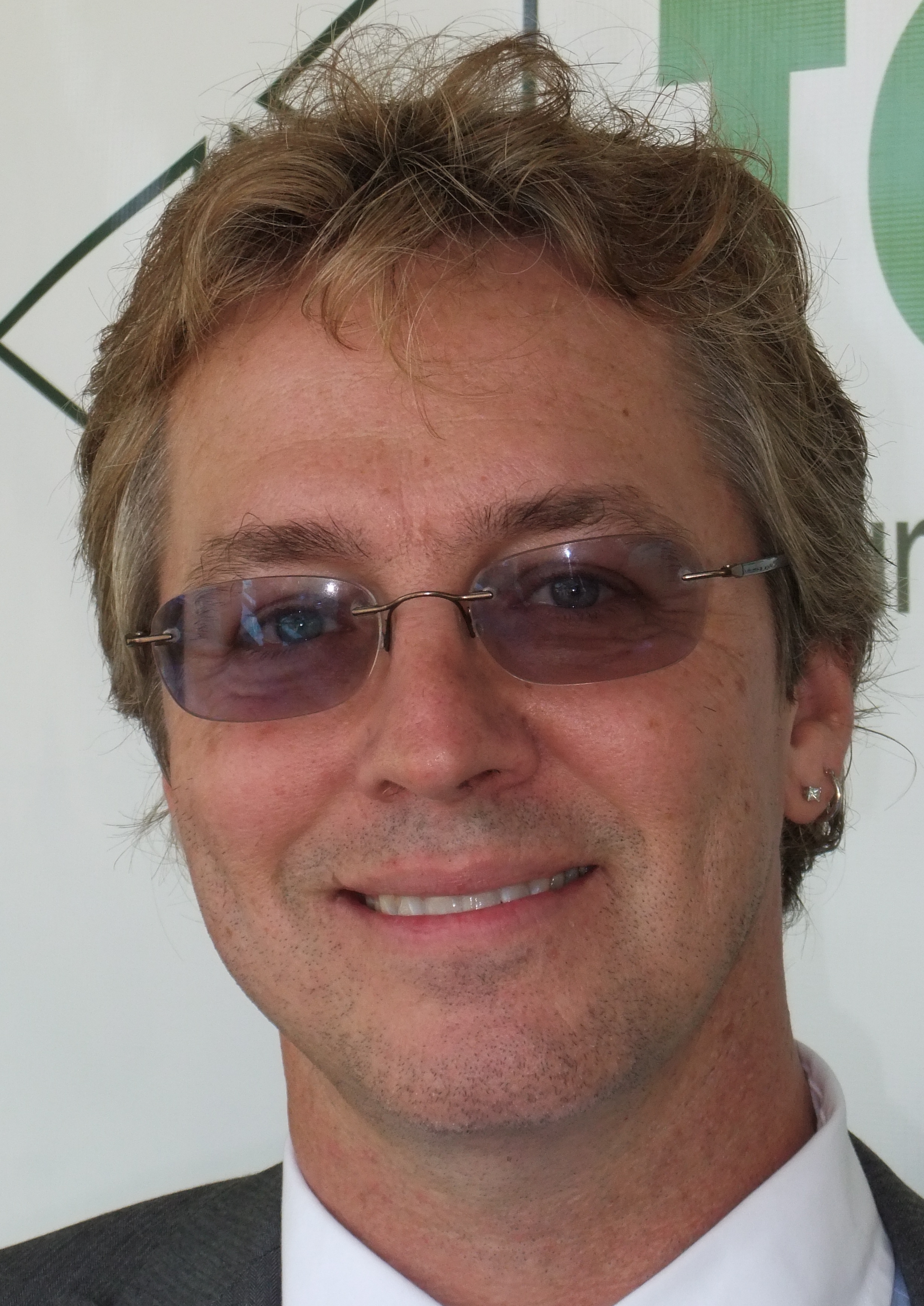
Gale Boyd
Even the secret data doesn’t include individual names, addresses or social security numbers, said Gale Boyd, a researcher in the economics department at Duke University and the center’s director. Still, access is restricted to protect those who fill out the questionnaires from harm and to preserve their anonymity.
Economists, sociologists, statisticians and others who want to work with the data need permission from the U.S. Census Bureau or the National Center for Health Statistics. Security clearances will take about three to four months, Boyd said. Law firms and private corporations need not apply, he said. “We’re not looking for private companies looking for profits.”
For the past 10 years, Boyd headed a smaller version of the center at Duke, which will remain open for now. The larger center on the RTI campus, which has nine cubicles with computers that tap into the databases at the U.S. Census Bureau and the National Center for Health Statistics, has an annual budget of about $300,000, provided by the University of North Carolina system and Duke. RTI’s contribution is the building.
RTI, Duke and UNC researchers who receive permission to use the center don’t have to pay to access the data. Researcher from other institutions pay a fee for the access.
RTP researchers collaborate to tap the sun and make liquid fuel
Monday, October 18, 2010, 1:37 pm 2 Comments | Post a CommentNorth Carolina’s Research Triangle missed out on the U.S. Department of Energy’s $122 million to establish the nation’s solar fuels innovation hub - the prize went to the Joint Center for Artificial Photosynthesis, headed by the California Institute of Technology.
But that isn’t stopping research here to tap the sun and make liquid fuel the East Coast way.
Experts in chemistry, electrical engineering, material sciences and nanotechnology at the University of North Carolina at Chapel Hill, Duke University, N.C. State University and RTI International will be working together for the first time at the newly formed Research Triangle Solar Fuels Institute.
Jim Trainham, the institute’s executive director, has an annual budget of about $2 million to sustain the research effort, which will focus on the semiconductor panels tasked with splitting water into hydrogen and oxygen with the help of solar energy.
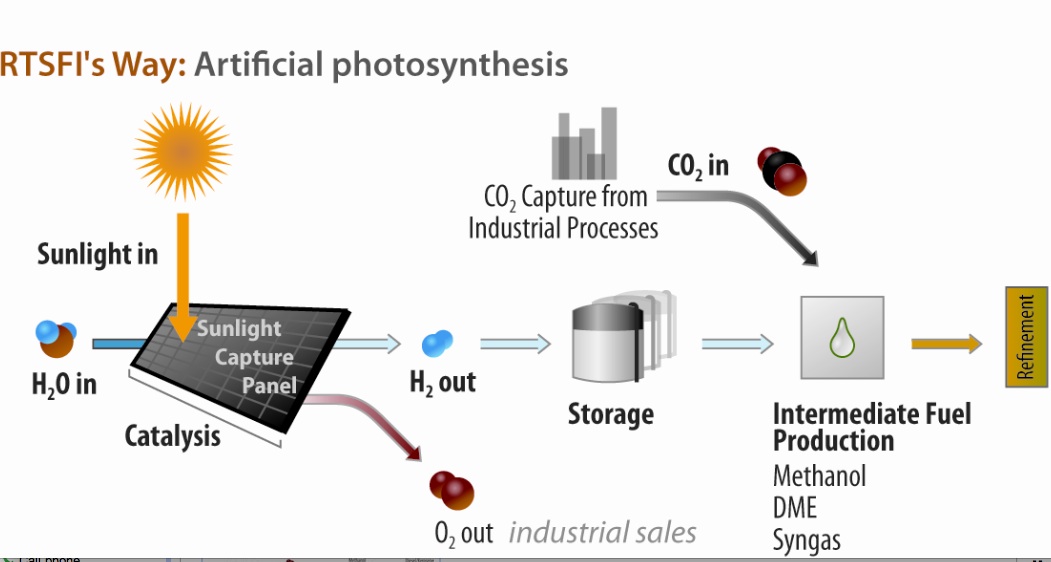
Solar fuel production the East Coast way.
But Trainham also foresees collaboration between researchers at the Research Triangle Solar Fuels Institute and the Joint Center for Artificial Photosynthesis, particularly in scaling up any solar fuels production methods and designing production plants.
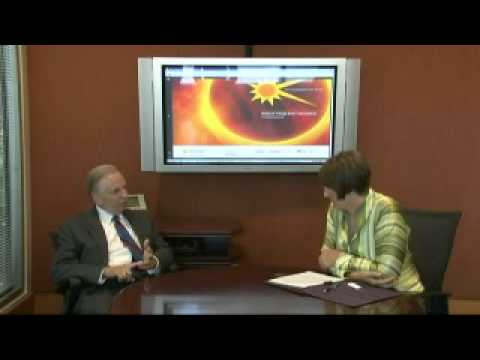
Trainham also talked about the challenges the researchers are facing. Watch the Q&A with Science in the Triangle:
RTP area leverages its biotech strengths to become vaccine R&D hub
Friday, October 8, 2010, 3:56 pm 1 Comment | Post a CommentSixty years after Jonas Salk took aim at the polio virus, vaccines are no longer just used to prevent infections. They now treat chronic diseases - like Provenge, the first cancer vaccine to get regulatory approval. Vaccines now have boosters, called adjuvants, to make them more effective. And they target all age groups, not just children.
Vaccines are still administered by injection, but needles have shrunken to 1.5 millimeters in length.
The innovations played to North Carolina’s strengths in biotechnology. Particularly the Research Triangle area has benefited by capturing a larger and larger piece of the vaccine market, which generated about $22.1 billion in global sales last year and is expanding rapidly. Merck and Novartis built state-of-the-art vaccine manufacturing plants in the Triangle. Diosynth Biotechnology, a biotech manufacturer in Morrisville that operates as a Merck subsidiary, got the contract to make the active ingredient in Provenge. Duke University opened the first of 13 regional biocontainment labs the National Institutes of Health funded nationwide to support vaccine research. And researchers at universities and small companies were able to advance novel vaccine technology.
So far, so good.
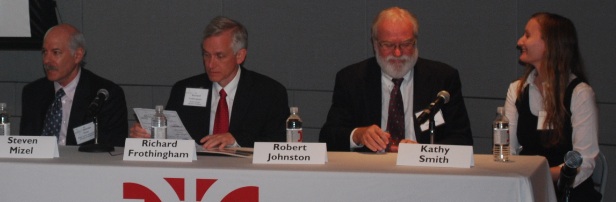
NCBIO's vaccine panel: from left, Steven Mizel of Wake Forest University, Dr. Richard Frothingham of Duke University, Robert Johnston of UNC-CH and Kathy Smith, cell and molecular analyst at Arbovax.
But the Triangle could do even better, according to vaccine researchers who spoke Wednesday at NCBIO’s annual meeting. Read more…
Mixing Carolina blue and Duke blue … and Wolfpack red
Tuesday, October 5, 2010, 9:57 pm 1 Comment | Post a CommentOff the athletic field, more Tarheels and Blue Devils may have difficulty picking Carolina blue from Duke blue.
The two athletic rivals, whose campuses are 15 miles apart, have added another opportunity for academic collaboration among their students.
Started Monday, the Kenan-Biddle Partnership offers about $5,000 per calendar year for projects in the arts, sciences and humanities that students at Duke University and the University of North Carolina at Chapel Hill propose to do together. Proposals that are made jointly by students from Duke and UNC have preference.
Another program to mix the two blues already exists. The Robertson Scholars Program, which has been around for a decade, is a merit-based scholarship that allows 18 students at Duke and UNC each to take classes at either institution.
But wait, the academic collaboration even extends into Wolfpack territory. Students at Duke’s Nicholas School of the Environment have figured out how to take classes at UNC-CH and N.C. State University. A free shuttle runs from Duke to UNC-CH every 30 minutes and students carpool to get to NCSU about 30 miles away.
With permission from the Nicholas School, here’s how signing up for class across the Research Triangle works:
10 Americans: Industrial toxins found in umbilical cord blood
Wednesday, September 22, 2010, 4:04 pm 3 Comments | Post a Comment
Ken Cook
A mother’s womb is a protective cocoon, but it is also where humans for the first time encounter the world that awaits them after birth. This encounter happens through sound and touch and through the exchange of blood between mother and child. About 300 quarts of blood from the mother bring nutrient and oxygen to the developing child every day.
The blood also delivers industrial pollutants like dioxins, consumer products chemicals like flame retardants and chemicals that come from pesticides, according to a study by the Environmental Working Group, a Washington, D.C.-based consumer advocacy group. The study tested samples of umbilical cord blood from 10 babies born in August and September 2004 in U.S. hospitals for 413 toxins and environmental pollutants.
On Tuesday, Ken Cook, co-founder and president of the Environmental Working Group, presented the results of the 10 Americans study at the University of North Carolina at Chapel Hill as part of the N.C. Science Festival.
The pollution in people by the numbers:
MythBusters hosts address unexpected patronage of science
Tuesday, September 21, 2010, 11:40 am 3 Comments | Post a Comment
Check out part 1 of the media event with MythBusters duo Adam Savage and Jamie Hyneman (part 2 below) | Video by Ross Maloney
Adam Savage and Jamie Hyneman didn’t set out to be role models.
But since the debut of the Discovery Channel show MythBusters in 2003, the duo has amassed a huge following of all ages. That was clear from the 5,500 people who packed into the Dean Smith Center in Chapel Hill Sunday to hear them speak.
Savage explained the philosophy of the show is to simply chase down and answer questions that interest them – especially if that means blowing stuff up.
“We did not set out to be educational in any way,” Savage said. “The narrative of the show is truly a narrative of our curiosity.”
But to satisfy that curiosity, Hyneman said they needed to proceed methodically and carefully in their efforts to bust each myth.
“It just happens that the most efficient way to do that lines up quite nicely with science,” Hyneman said.
Intentional or not, the Mythbusters’ impact on science education has been huge. They were even invited to the White House as part of an event to promote science, technology, engineering and math education in November 2009. Then, there’s what Savage calls the most fruitful result of his often destructive experimentation.
“Teachers tell us that Thursday morning after the show airs are some of the most fertile discussions they have in their classroom with the students,” he said. “The fact that we get kids to talk to their science teachers is the proudest thing I’ve ever done in my life.”
’A certain playfulness’
The pair points out that they appeal to their audience in a different way than shows like Watch Mr. Wizard and Bill Nye the Science Guy. Those “demonstration shows,” Savage said, would explain a concept and show how it worked in practice.
“We are totally not a demonstration show because we don’t know how it works,” Savage said. “We’re an experimentation show. When you’re watching us figure out how something works on camera, you’re really watching us figure out how something works on camera. I think that’s one of the things that resonates with people.”
The need to learn by doing is something both hosts, neither of whom have any academic science or engineering training, have exhibited since childhood. On his family’s farm in Indiana, Hyneman said he would often find creative ways to avoid chores.
“I discovered that if I backed the lawnmower up and ran it into a tree repeatedly, sooner or later something was going to break and it took a while for my dad to fix it,” Hyneman said.
That attitude, more practical than academic, is what continues to draw people to the show, Hyneman said.
“There’s a certain sort of playfulness about what we do that makes learning fun,” he said. “We mix half content, half play with what we’re doing, and it works.”
And whether that playfulness includes lighting farts or launching water heaters hundreds of feet into the air, they say their efforts to learn by experimentation fits with the essence of science.
“One of the things I think drives kids away from fields like science and math and engineering is the idea that there are these inviolate mountains of facts that one must simply learn,” Savage said. “What we’re demonstrating is that they’re messy, they’re creative. There’s all sorts of stuff in there that people haven’t answered.”
“It points out to kids that science isn’t just something for guys in lab coats,” Hyneman said. “You can apply it to anything in your life.”
What makes a myth
In their eight years of filming the show, Savage and Hyneman have solicited hundreds of myths from their fans. But to make the list of 60 to 80 potential myths they keep on hand at given time, a good myth must at least be subject to experimentation. That means no Big Foot or Loch Ness monster – and no quests to prove negatives.
“The ‘woo-woo’ is off our radar,” Savage said. “We want to be able to test both sides of a question and find out if it really is as counterintuitive as the prevailing wisdom or not.”
But some myths in particular get bonus points.
“A myth is a good story,” Savage said. “Especially if someone was maimed or killed in a spectacular way – that’s our bread and butter.”
Now in their 200th hour of programming, the Mythbusters were back in their infamous shop Tuesday to resume filming, just like they do 46 weeks of the year. For fans of the show – and those who hope to one day become scientists and engineers – the Mythbusters said they’re a long way away from running out of new things to learn and explore.
“The fact is that there are still things that no one’s ever tried,” Savage said. “You can solve problems that no one’s ever solved, and we’re showing that on a weekly basis.”
“There’s no end of shenanigans that we can sink our teeth into,” Hyneman said.
Tyler Dukes is a freelance reporter and journalism adviser at N.C. State University. Follow him on Twitter as @mtdukes.
Video by Ross Maloney


