
TEDxChapel Hill: A glimpse into the global technology era
Sunday, June 12, 2011, 7:08 pm No Comments | Post a CommentSoftware programmers who build Web sites that map incidents reported by mobile phone. A branchless banking system that allows customers to send cash by mobile phone text message. Medical specialists who diagnose patients hundreds of miles away with the help of images uploaded through a mobile phone app and stored as electronic medical records.
These are just three innovative uses for mobile phones, crowdsourcing and open-source technology. But this type of innovation isn’t happening in rich, developed countries like the U.S. or in Europe.
The Ushahidi mapping tool has collected crowdsourced incidents reports in Afghanistan, the Democratic Republic of Congo and Mexico. Kenyans mail small amounts of cash through M-Pesa‘s branchless banking system. SANA‘s open-source technology brings healthcare screening to rural areas in India and the Philippines.
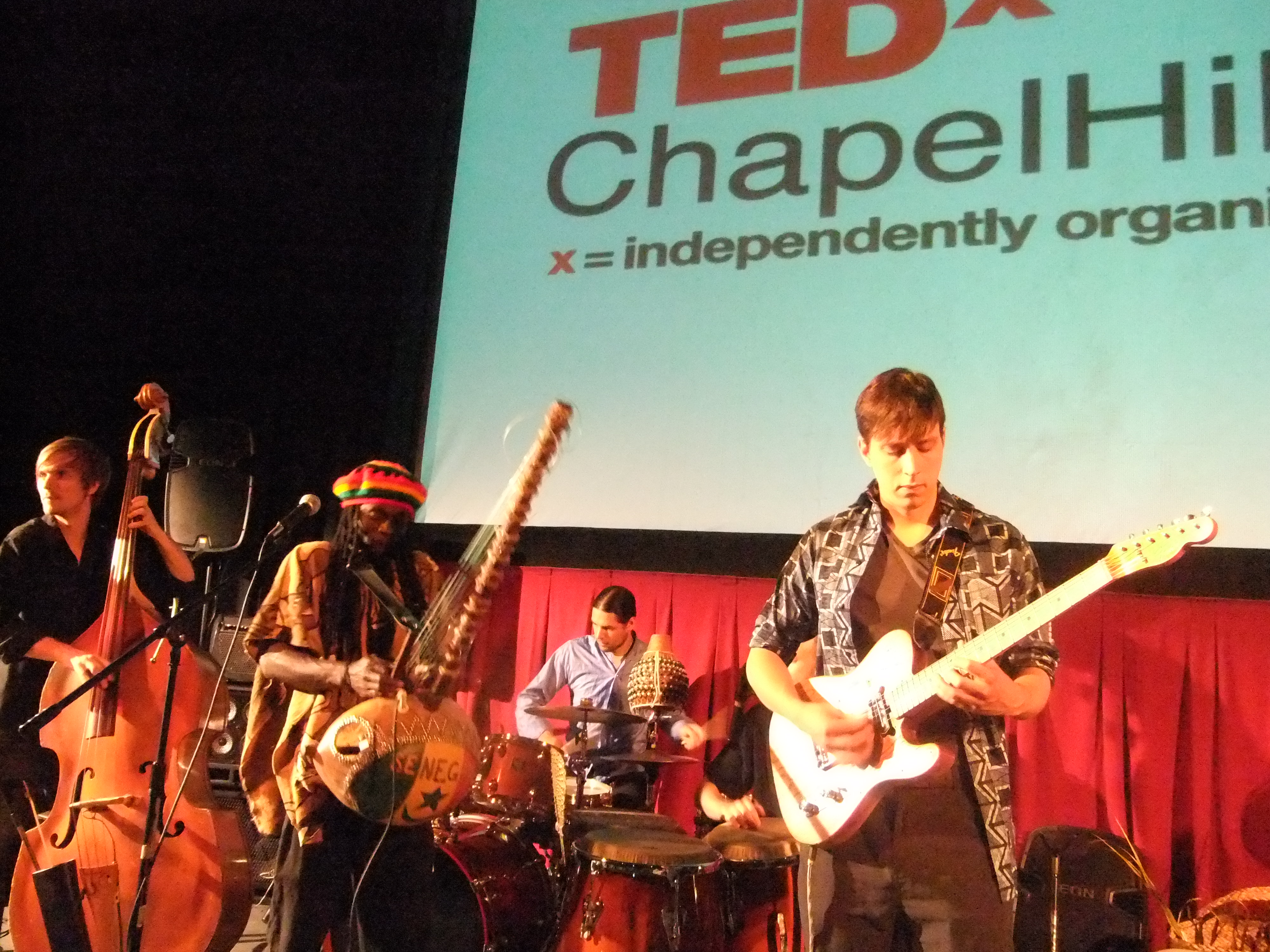
Diali Cissokho & Kairaba play music reminiscent of West African dance bands.
Presented at a TED talk independently organized by IntraHealth June 2 at the Varsity Theatre in Chapel Hill, these innovative technological applications provided a glimpse of what’s possible in places without functioning transportation, healthcare and banking infrastructures.
As Diali Cissokho & Kairaba, a band of Senegalese and North Carolina musicians, played between presentations, the crowd of more than 250 in the filled-to-capacity movie theater just across from the University of North Carolina’s Chapel Hill campus was left to re-examine perceptions of developed versus developing countries.
“It’s the new era of global technology,” said Heather LaGarde, special projects advisor to IntraHealth OPEN, an initiative that encourages the use of the latest technological advancements to improve healthcare in poor countries.
TED talks are an outgrowth of a conference that brought together technology geeks, entertainers and design mavens. The concept is owned by a private foundation a magazine publishing entrepreneur started in 1996.
TED talks follow in the footsteps of storytellers who spread knowledge and wisdom. Their purpose is to disseminate ideas.
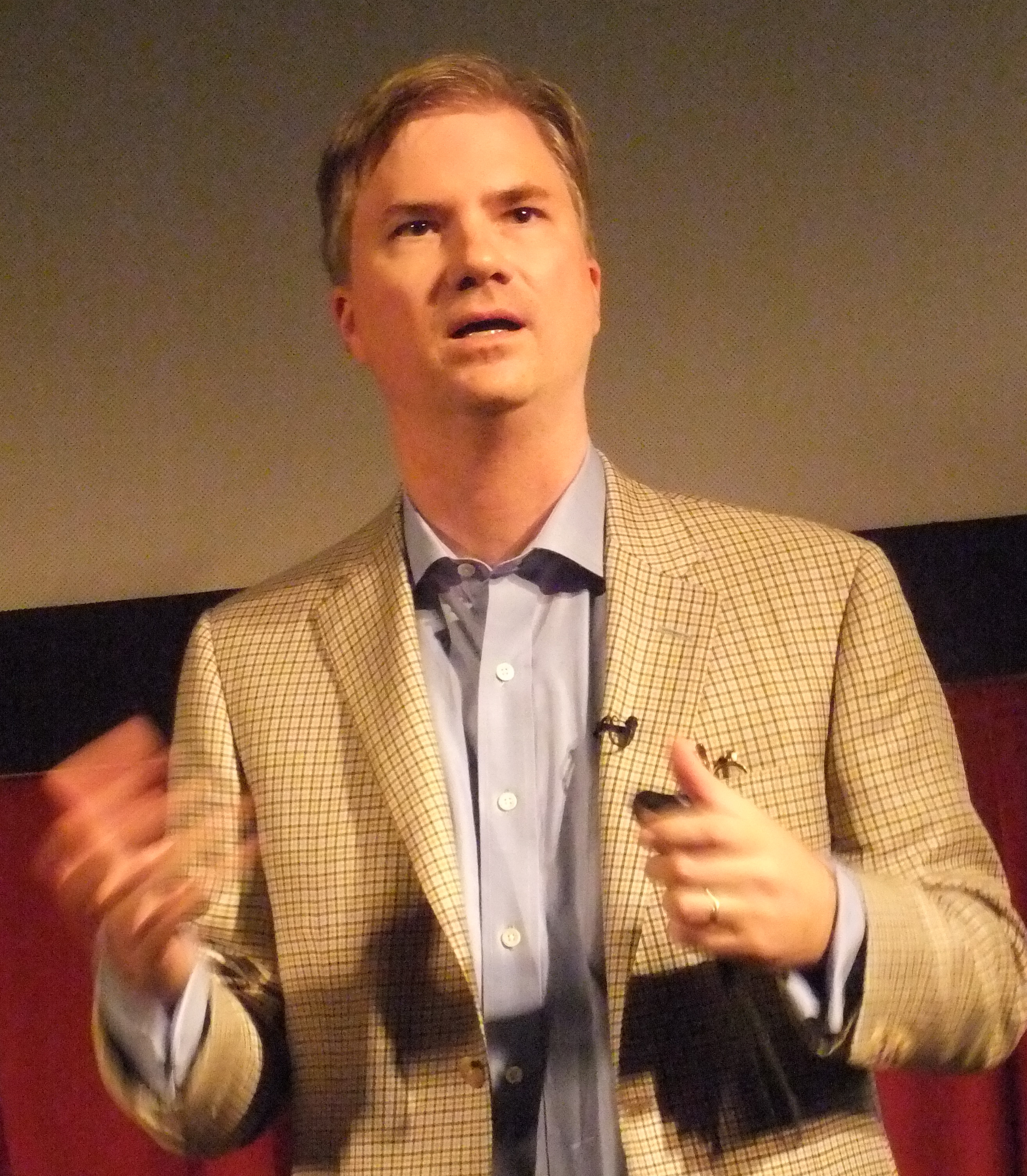
Holden Thorp at TEDxChapel Hill
TEDxChapel Hill was the fourth independently organized TED talk in the Research Triangle. Three previous talks took place in the past 18 months, one at the Research Triangle Park headquarters, one at N.C. State University and one in Raleigh. (More about the TEDxTriangle event at RTP here.)
The Chapel Hill talk was organized by IntraHealth, a UNC spinoff focused on global health. Among the speakers featured was Holden Thorp, UNC-CH’s chancellor, who as a UNC chemistry professor developed technology for electronic DNA chips and founded companies.
Thorp encouraged scientists to bring their research to bear upon problems people around the world are dealing with, such as drought, poverty and climate change.
“We have a leg up addressing these problems,” he said.
Thorp could draw some inspiration from the venue. In the mid 1980s, while he was an undergraduate at UNC, Thorp said, he watched the “Adventures of Buckaroo Banzai Across the 8th Dimension” 16 times at the Variety Theatre. The science fiction movie was about an adventurer, surgeon and rock musician who took on evil alien invaders with his band of men.
UNC and other universities as well as nonprofit research institutes and global health organizations in the Triangle are trying to do just what Thorp suggested.
At UNC, the Carolina Global Water Partnership developed a microfinancing program for Cambodians to buy biosand and ceramic filters and gain access to clean drinking water.
Robert Malkin
At Duke University, Robert Malkin, director of Engineering World Health, is encouraging engineers to develop medical equipment that works in hospitals in Sudan, Nigeria, Nicaragua, El Salvador, Haiti, Liberia and Sierra Leone.
The World Health Organization estimated that 70 percent of the medical equipment developed in the U.S. or Europe doesn’t work in poor countries in Asia, Africa and Latin America, including used and new surplus equipment donated by U.S. hospitals.
Indeed, much of this equipment is stacked in large warehouses, collecting dust, Malkin said. (More on barriers for medical devices in the developing world here.)
During his presentation at TEDxChapel Hill, Malkin said he observed this first-hand when he attended a heart surgery in a Nicaraguan hospital many years ago and the overhead surgery lights caught on fire. The nurses responded calmly, protecting the patients from the billowing smoke with a blanket, Malkin said. He found out later, that the special light bulbs for which the donated surgery lights were designed weren’t available in Nicaragua. The 100 Watt light bulbs the hospital used instead caught on fire routinely.
IntraHealth, which mostly deals with community health workers in developing countries, is also looking for hands-on solutions. IntraHealth’s OPEN Council brings together some of the most innovative thinkers, such as Jon Gosier, the founder of Appfrica, a company that invests in East African software startups; and Josh Nesbit, the chief executive of Medic Mobile, a nonprofit that uses mobile technology to create health systems in developing countries.
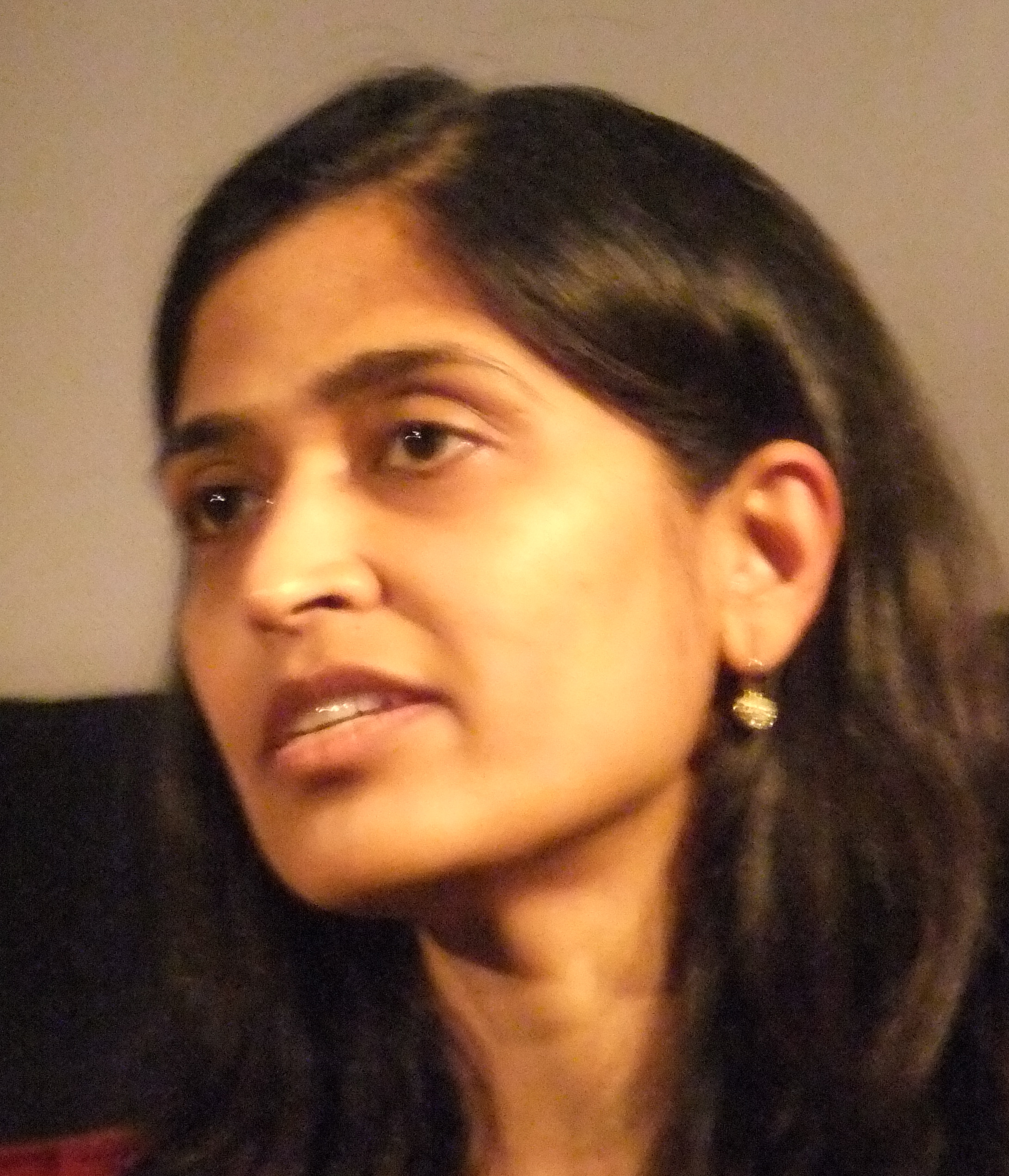
Dr. Radhika Chigurupati
Gosier and Nesbit also participated in TEDxChapel Hill, and so did Dr. Radhika Chigurupati, a surgeon at the University of California San Francisco Children’s Hospital, who talked about her work with SANA.
Mobile device technology developed by a team of students, volunteers and faculty at the Massachusetts Institute of Technology in Boston allows SANA to bring health screening to remote rural area.
More than half of the population in developing countries are mobile phone subscribers, according to a 2010 United Nations report.
In India, Chigurupati said, community health workers use their mobile phones to take high-resolution pictures of potentially cancerous lesions in patients’ mouths or on feet. The images are uploaded to a server to which physicians in faraway urban areas have access.
Trips from the countryside to see a doctor are prohibitively expensive for the patients. But mobile telemedicine enables community health workers to screen for cancerous lesions and connects them with experts who can help treat the lesions and save lives.
In 2010 alone, more than 4,000 patients in rural India were screened for oral cancer, a disease that is prevalent because of widespread tobacco and beetle nut chewing.
“I think the tide is high,” Chigurupati said. “If you’re shrewd enough and committed enough, you can make a difference in the lives of millions.”


