Regenerative medicine: Taking lessons from salamanders
Wednesday, April 21, 2010, 9:30 pm No Comments | Post a CommentDr. Anthony Atala likes to start his talks with a time-lapse video of a salamander regrowing an injured limb over two weeks. Then, the director of the Wake Forest Institute for Regenerative Medicine asks his listeners to imagine humans regenerating limbs, tissue or organs that have been damaged or are missing.
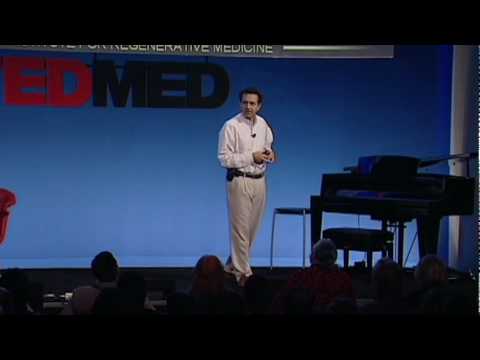
“Salamanders can regenerate. Why can’t we?,” Atala asked during a TEDMed talk last fall.
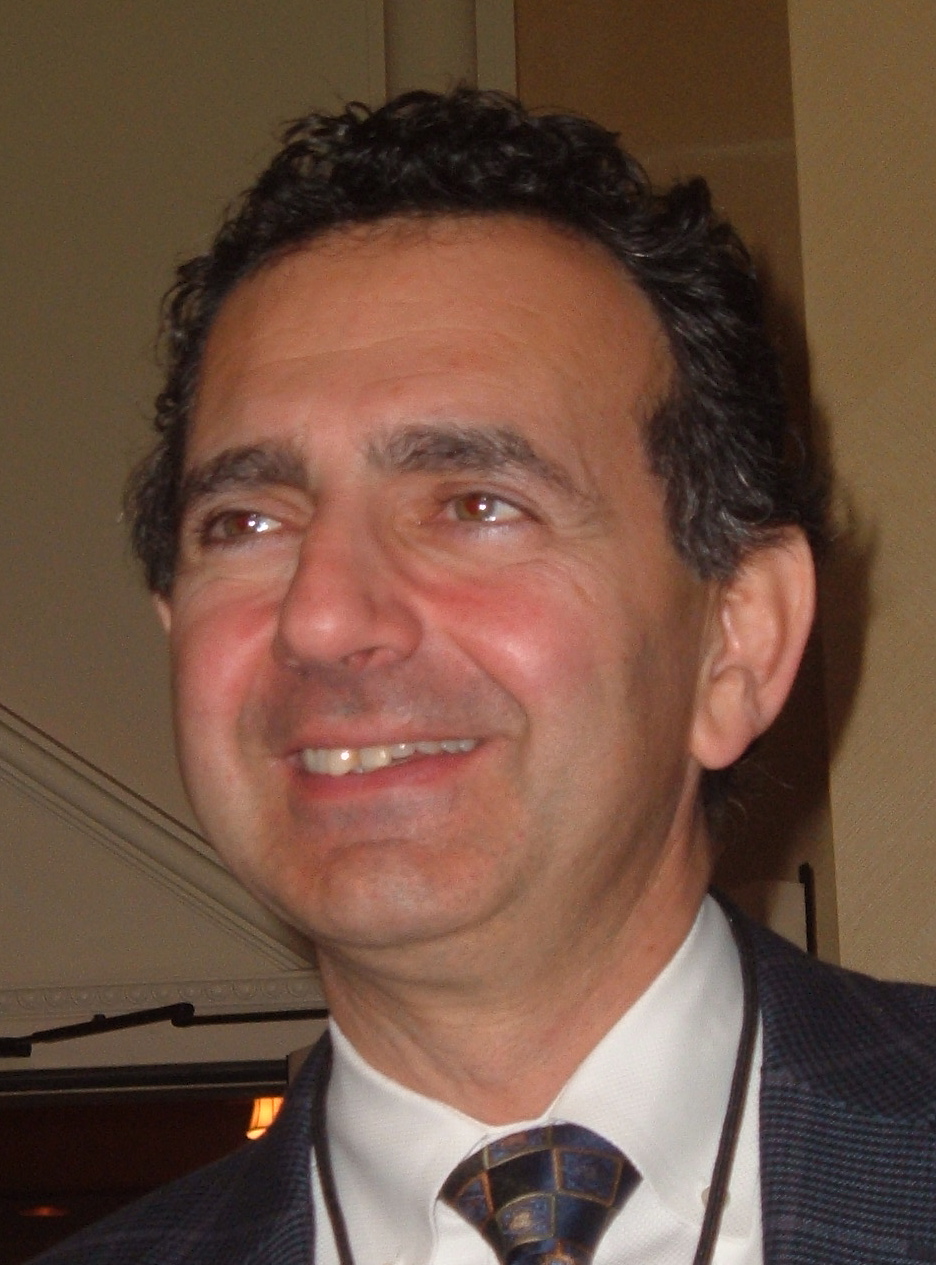
Dr. Anthony Atala
Actually, we can and we do, he responded Tuesday during a presentation at Research Triangle Park headquarters, where he had traveled from Winston-Salem to talk at the TARDC luncheon. “It’s real,” he said.
The human body replaces bones every 10 years, skin every two weeks and intestinal tissue every six days. Regenerative medicine taps into the body’s ability to regrow tissue, expands on it and speeds it up in the laboratory.
The aim is to cure diseases with the help of spare parts the body doesn’t reject.
Researcher are already able to grow most tissues in the lab. Cartilage cells have been used to repair damaged knee ligaments since the mid-1990s. In 1999, Atala was the first to implant a laboratory-grown organ into a patient. The organ was a bladder.
Now researchers are working on skin, blood vessels and entire livers, kidneys and lungs. Within a decade or two, they may be able to make a whole heart, repair a damaged spinal cord or implant insulin-producing beta cells to erase diabetes.
A three-day forum the Wake Forest Institute of Regenerative Medicine held two weeks ago to bring together researchers, investors and companies developing products explored some of the promises and challenges in the field.
The promise of regenerative medicine is in the wealth of products moving through the regulatory pipeline. More than 50 research and development programs are under way to come up with products, Atala said at the forum. About 10 clinical trials testing products in patients have either started or are about to start and another 50 trials are scheduled over the next four years.
Challenges include making the products and convincing the health care system to pay for them.
At the TARDC luncheon Atala brought up one example to outline costs and benefits of regenerative medicine: About 90 percent of the patients on transplant lists are waiting for kidneys. While they’re on dialysis, they cost the U.S. health care system about $250,000 per year each. Kidneys grown in the lab would not only shorten the wait for a transplant but also lower costs for dialysis and for drugs that prevent rejection of tansplants.
How much is a lab-grown kidney worth, Atala asked. “$50,000? $100,000? $200,000?”
While regenerative medicine companies are giving this question a lot of thought, researchers in the labs are addressing challenges of making the products, such as growing enough tissue from a cell sample half the size of a postage stamp to cover an area the size of a football field in about 60 days.
The Wake Forest Institute of Regenerative Medicine uses five different approaches in the lab, Atala said. “We’re trying to see which strategy gets us there first.”
- In experiments to make whole livers, researchers have washed discarded organs with mild detergents to extract the liver cells. What remains is a collagen scaffold that looks like a liver and contains a vascular tree. Researchers then seed the scaffold with new liver cells or stem cells.
- To build whole hearts, researchers use a three-dimensional printer whose cartridge is filled with gel and cells rather than ink.
- An experiment that involved steers and cows used stacks of wavers seeded with kidney cells. Because an organ doesn’t fail until more than 90 percent of its function is gone, the tissue wafers promise to add enough functionality to a badly damaged kidney to keep a patient off dialysis.
- Researchers inject stem cells or the patient’s cells to regenerate tissue.
- In cases where tissue is needed that doesn’t grow in the lab, researchers use stem cells harvested from amniotic fluid.
Here’s Dr. Atala’s talk at TEDMed: