
Fight against cancer gets personal
Wednesday, February 17, 2010, 8:43 pm No Comments | Post a CommentThe pink ribbon, the icon for breast cancer awareness, and symbols representing other cancers may soon be outdated.
The symbols of tomorrow may cut across types of cancer and stand for a common protein whose long name includes the word kinase, a receptor on a cell’s surface where chemical messages attach, or a virus that is found in up to 80 percent of U.S. adults. Whatever people will identify with to support cancer research, prevention and treatment, it may no longer have anything to do with where the tumor is.
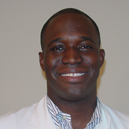
Dr. Duane Mitchell
If that is difficult to imagine, listen to Dr. Duane Mitchell, associate director of Duke University’s brain tumor immunotherapy program: “The hope is that there will be a common pathway that drives several cancer types,” Mitchell said Tuesday during a presentation to the Triangle Area Research Directors Council, an informal group of scientific leaders in the Research Triangle Park area.
Mitchell is part of a research group at Duke that is looking into ways to make cancer treatment less toxic and more effective. The Duke researchers are zeroing in on glioblastoma, a brain tumor that doesn’t respond well to treatment and usually kills within 15 months of being diagnosed.
The standard treatment for glioblastoma is surgery - cutting out as much of the cancer as possible - followed by chemotherapy and radiation. Sen. Edward Kennedy was diagnosed with glioblastoma and in June 2008 underwent surgery at Duke University Medical Center. He died Aug. 25, 2009.
Mitchell and his colleagues have had some success in prolonging survival rates by adding a vaccine to the standard treatment. The vaccine, given in monthly intervals, seems to complement the chemotherapy by summoning a patient’s immune system in the fight against the tumor.
Cancer vaccines are still an experimental treatment. A few that have been developed by biotech companies could be within two to three years of getting regulatory approval. But most are still being tested in patients, Mitchell said. Also, they “are probably not the magic bullets we once thought,” he added. But cancer vaccines remain attractive, because they have little or no toxicity.
“That’s pretty unique to the oncology setting,” Mitchell said.
Cancer vaccines are part of the growing field of personalized medicine, where targeted treatments and patients are matched to prevent allergic reactions or to provide options for patients who don’t respond to standard treatments. The match is made based on genetic profiles of the patient or, for example, the tumor.
At least 10 genetic mutations are linked to malignant brain tumors. One of them is present in about 30 percent of glioblastomas. The mutation affects a transmembrane tyrosine kinase receptor, a cell communication tool that plays a role in the development and progression of many types of cancer.
But findings of the mutation’s significance were mixed, according to a 2005 paper published in the Journal of Translational Medicine.
Viruses, bacteria and parasites are linked to about 15 percent of cancers. The Duke researchers are probing the role of the Cytomegalovirus, a virus that stays in the body but usually doesn’t cause any symptoms. It is found in tumors in the brain, colon and prostate, cancers that account for about 300,000 new cases per year, Mitchell said. CMV is present in about 90 percent of malignant brain tumors.
It’s important for researchers to find something that several cancers have in common - a virus, a mutation or a chemical marker. A common pathway would ensure that personalized cancer medicine such as vaccines have a chance to be commercially viable and affordable.
Until then, pink ribbons will have to do.


