Archive for August, 2010

What does a plug-in vehicle have in common with the iPad?
Thursday, August 5, 2010, 9:58 pm No Comments | Post a Comment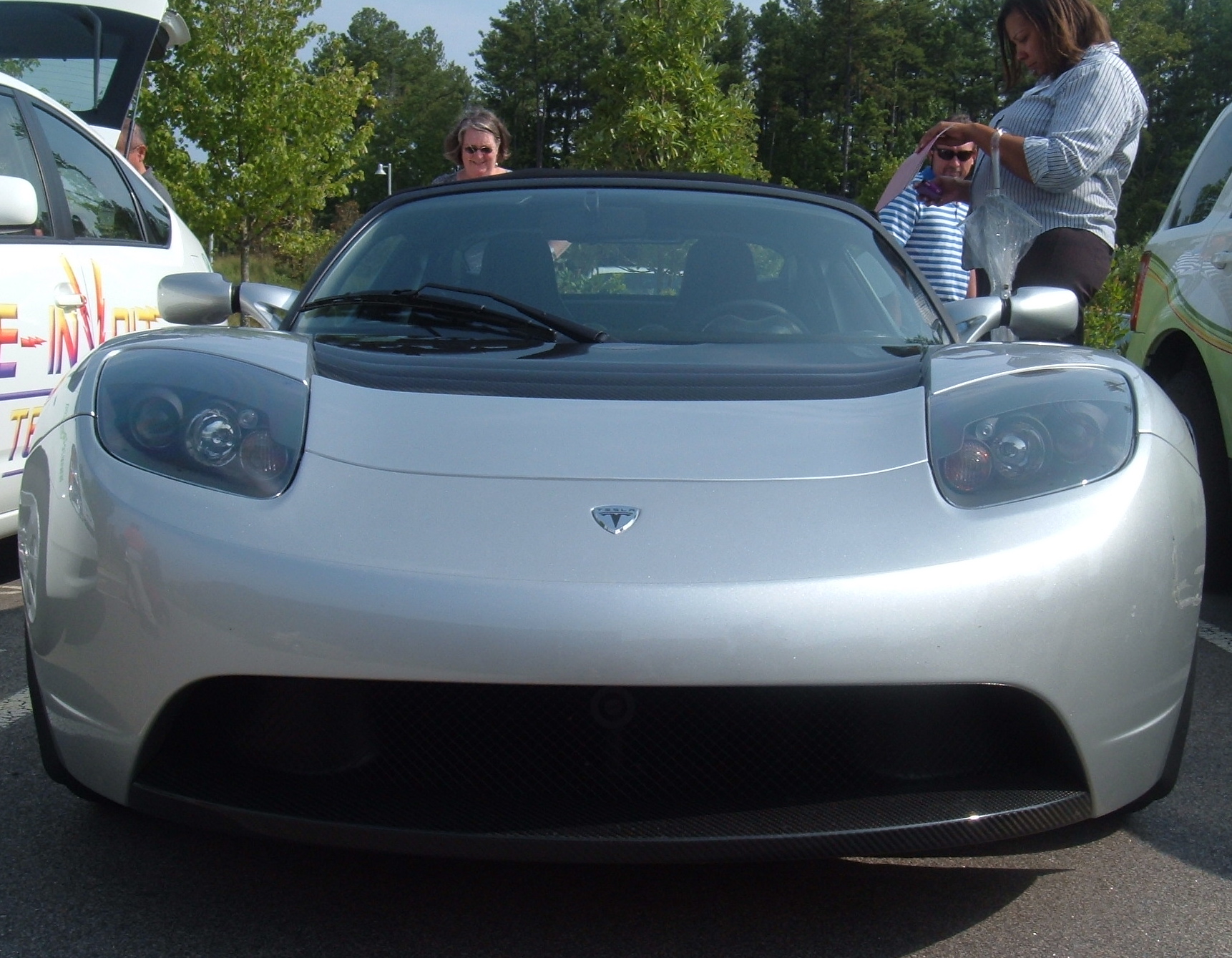
Duke Energy's Tesla
Duke Energy’s silver Tesla in the parking lot at Research Triangle Park headquarters was off-limits - you could touch and take pictures but not drive it or ride in it.
In that respect, Wednesday’s forum on plug-in electric vehicles resembled events featuring 20th century combustion engine technology with expensive sports cars spurring unattainable dreams amongst autophiles.
That the Tesla remained parked was unfortunate. It’s exactly the driving of a plug-in electric vehicle, or PEV, that would have provided a clue how shifting from fossil fuel to electricity might change daily life.
PEVs come in different flavors, from hybrids like the plug-in version of the Toyota Prius and the Chevy Volt to all-electric cars like the Tesla and the Nissan Leaf. But as the Leaf, the first mass-produced, affordable electric car, hits U.S. roads in December and January, the future of driving might feel more and more like the future of reading.
So, does the all-electric car promise to be to driving what the iPad or the Kendle promise to be to reading?
That’ll depend on how many people will buy the Leaf and whether they like what they buy, panel members at the forum, from Nancy Mansfield, Nissan’s electric vehicle regional manager, to Duke Energy’s John Langston and Progress Energy’s Mike Waters, agreed.
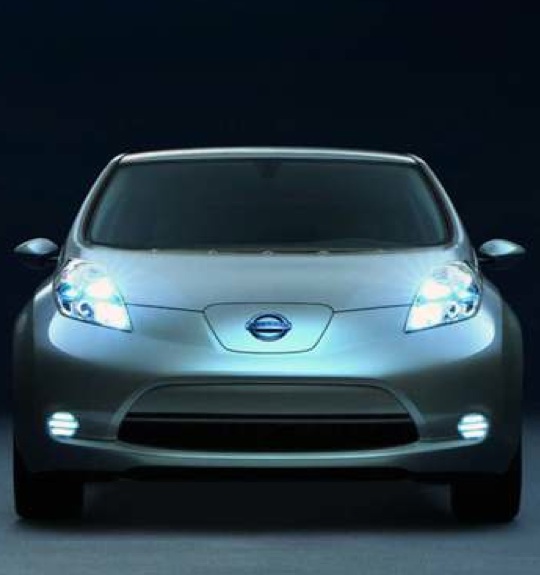
Nissan Leaf
More than 17,000 people in the U.S. have spent $99 each to reserve a spot on the list to order one of the first 50,000 Leafs, Mansfield said. The cars, which will be imported from Japan until U.S. production starts in 2012, will not be sold through dealerships.
First orders will be accepted by the end of the month and filled by December, Mansfield said. Orders from Tennessee, California, Arizona, Oregon and the state of Washington will be taken and filled first.
Of the 288 reservations in North Carolina, 139 came from the Research Triangle area, she said. The first local deliveries are projected in April.
That may not sound like a lot, considering that the National Auto Dealers Association put the number of cars on North Carolina roads at more than 3.6 million. But the Leaf sets the stage. In the next two years, automakers plan to bring to market about two dozen PEV models and despite lingering concerns about battery technology and ability of the electric grid to keep up, the number of federal incentives is set to increase.
Already, federal tax credits reduce the price of the Leaf and the cost of installing a charging station at home, because PEVs promise to reduce carbon dioxide emissions and fossil fuel imports.
But PEVs are more than cars without tailpipes. Owning one will change habits and routines. For starters, an electrical engine makes no noise and needs neither a transmission nor an oil change.
PEVs do need charging stations, however, in homes, parks, public parking lots, schools, hospitals and shopping centers. The RTP area is projected to get about 200 of them within the next 18 months, according to Jeffrey Barghout, director of Transportation Initiatives at Advanced Energy in Raleigh.
But the bulk of the charging is expected to be done overnight at home. Forget the stop at the gas station on the way home. Many PEVs will be refueled in the garage or at neighborhood charging stations. To completely recharge the Leaf’s batteries on a 110 Volt circuit takes up to 21 hours, so Nissan recommends installation of a 220 Volt charging station. That costs about $2,200 and requires a city permit.
The permitting process attracted officials from Cary, Raleigh, Durham and other communities in the RTP area to the forum. Some of them, like the Town of Cary, also reserved a spot to order a Leaf.
For more information about PEVs, check out Web sites by the Electric Drive Transportation Association, the industry’s lobby group; EV World, an online publication by electric vehicle aficionados; Plug-In America, an online publication by clean energy advocates; and Project Get Ready, an initiative of the Rocky Mountain Institute to prepare for the arrival of PEVs.
Still, a test drive is the best way to get a feel for how different PEVs are. Check out this video of a Tesla test drive (not Duke Energy’s car):

Turning brainpower into companies
Monday, August 2, 2010, 7:45 pm 1 Comment | Post a Comment
Ted Zoller
North Carolina’s Research Triangle last year scored as the brainiest U.S. region, ahead of San Francisco’s Bay Area, which is home to Silicon Valley. Universities in Raleigh, Durham and Chapel Hill and Research Triangle Park, a research and development hub of world renown and state economic engine, had a lot to do with the winning score.
But brainiest doesn’t mean most entrepreneurial as Ted Zoller, an associate professor at the University of North Carolina’s Kenan-Flagler Business School and director of UNC’s Center for Entrepreneurial Studies, found out. Read more…


