Posts Tagged ‘patent’

IBM Leads Country, State in Invention in 2010
Thursday, February 10, 2011, 8:30 am 1 Comment | Post a Comment
Cyber-criminals probe databases in ways that can be predicted and detected. That's the basis of newly patented IBM software that monitors access to databases for suspicious activity and then locks down critical data.
Burglars often act in predictable ways: they lurk in overgrown bushes, come to your door pretending to be service people, or check for unlocked doors. If you witness this kind of behavior outside your house, you’re likely to check your locks and perhaps arm your security system before calling the police.
Cyber-criminals are the same as physical ones, says IBM’s Dave Kaminsky. They probe databases in ways that can be predicted and detected. That’s the basis of U.S. patent no. 7,827,608: software that monitors access to databases for suspicious activity and then locks down critical data, preventing it from being downloaded. It is intended for use at banks, mortgage companies, and other companies that might keep your social security number or other private information in their databases.
Importantly, the software monitors realtime events, acting only if an intrusion appears to be imminent. As Kaminsky says, it would be counterproductive to forestall legitimate attempts to access information (such as for a credit check), just as you don’t want to overreact when someone comes to your house to clean your gutters.
Kaminsky is IBM’s Chief Patent Innovation Architect. Based at RTP, he is not only a frequently patented inventor, but he helps other inventors in the company navigate the “Alice in Wonderland” world of the patent process and contributes to decision-making about which innovations the company should patent. That last is important, because even though IBM received 5,896 patents in 2010, more than any other company, Kaminksy says just a fraction of the company’s eligible innovations go forward in the patent process.
IBM’s RTP site generated 570 patents, and those, combined with patents from Charlotte, made IBM the leading recipient of patents in the state, ahead of Cree, Red Hat, and the leading universities. Most of the patents from RTP are in software. They include a program that routes phone calls to either internet or traditional phone lines to incur cost savings (patent no. 7,710,946, Jim Silwa) and a GPS add-on that gives drivers of hybrid, electric, or other alt-fuel vehicles routing that will lead them to charging stations, thereby reducing their fossil fuel usage (patent no. 7,860,808, Mark Peters). Then there are hundreds more inventions that may not resonate with consumers, like a new caching algorithm, Kaminsky says, but that make our lives easier nonetheless.
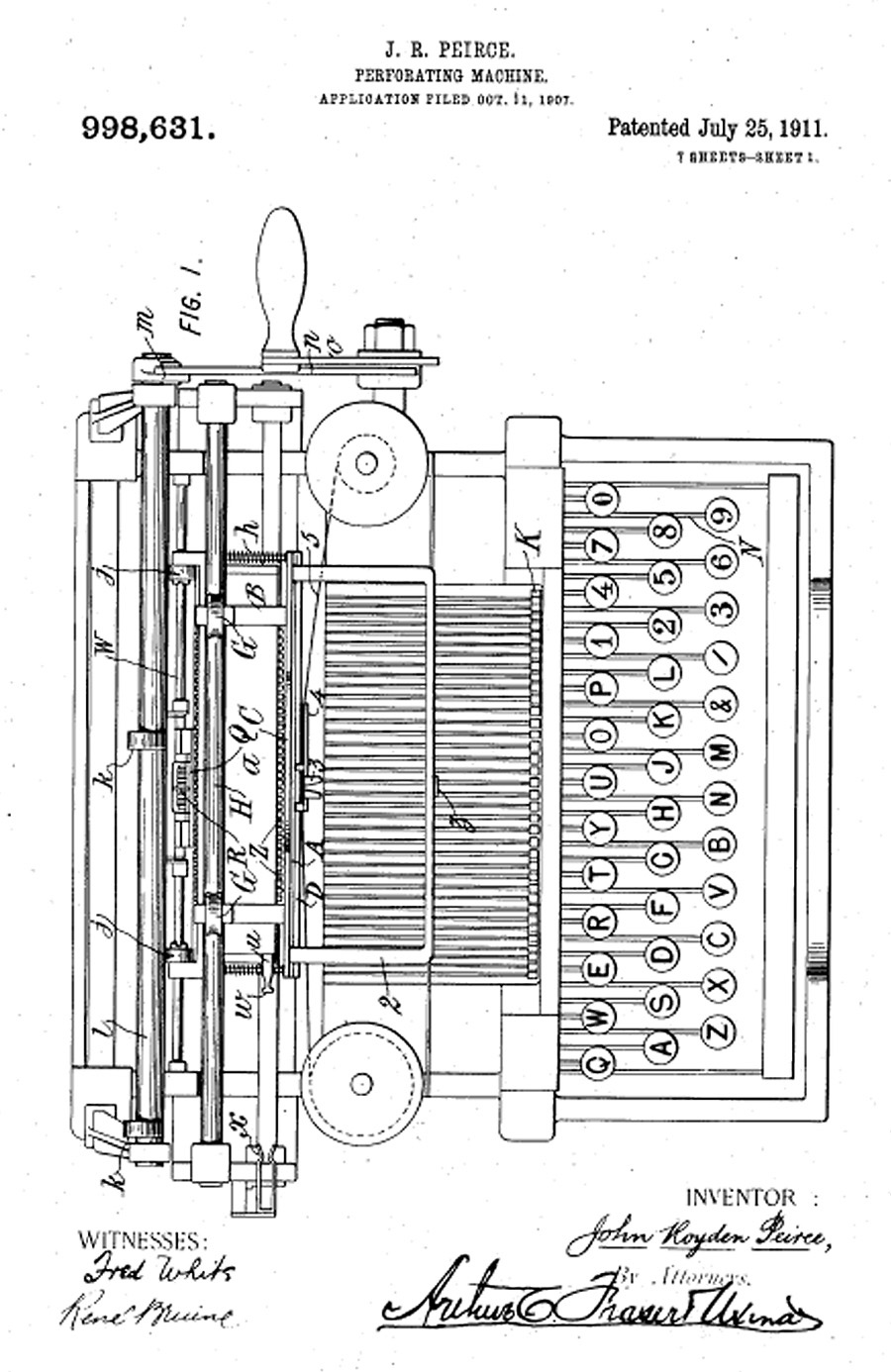
Almost 100 years ago, IBM received its first patent. In 2010, it received 5,896, more than any other company
IBM encourages staff members to generate patentable ideas, Kaminsky says, through a financial incentive program and through career advancement: people who contribute to the intellectual property of the organization are likely to advance.
Contrary to the stereotype of the inventor as a lonely figure, most patents achieved at IBM come from ad hoc groups. Kaminsky led a team of four software engineers on the online security project, which took less than six months to complete but almost four years to patent. Ideas come from clients and from the inventors themselves, sometimes through conversations with collaborators and sometimes through “Aha” moments when people think of ways in which technology could solve a problem.
This was the 18th consecutive year that IBM has led the list of U.S. patents received. According to a company press release, “more than 7,000 IBM inventors residing in 46 different U.S. states and 29 countries generated the company’s record-breaking 2010 patent tally.”


